


Meaning, Characteristics and Types of Democracy for SS 1
Democracy places political authority in the people, exercised directly or through elected representatives, with participation and accountability.
Read guide
Teacher/Educational Writer
Royal Alikor is an educator with six years of classroom teaching and three years of elementary school leadership experience and is still teaching. He develops and reviews practical, curriculum-aligned learning materials for Nigerian schools and teachers.
Lessons ◉ 0 views
Democracy places political authority in the people, exercised directly or through elected representatives, with participation and accountability.
Read guide→
Lessons ◉ 0 views
Communalism centres on shared ownership, collective labour and mutual responsibility; community welfare takes priority over individual accumulation.
Read guide→
Lessons ◉ 0 views
Feudalism organised society around landholding and obligations between lords and dependants, with protection or service exchanged for access to land.
Read guide→
Lessons ◉ 0 views
Capitalism allows private ownership of productive resources and the pursuit of profit, with market prices influencing production and distribution.
Read guide→
Lessons ◉ 0 views
Socialism emphasises public or collective control of major productive resources and aims to distribute benefits more equitably across society.
Read guide→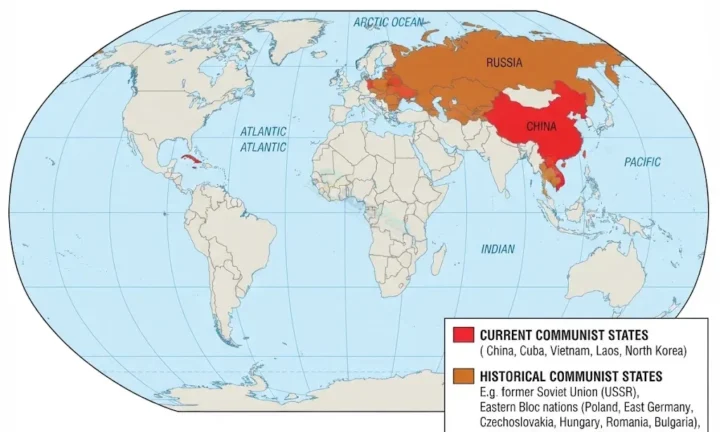 Lessons ◉ 0 views
Communism envisages common ownership of productive resources and a classless society, rather than production organised for private profit.
Read guide→
Lessons ◉ 0 views
Oligarchy concentrates political control in a small group, which may gain influence through wealth, military strength, family ties or elite position.
Read guide→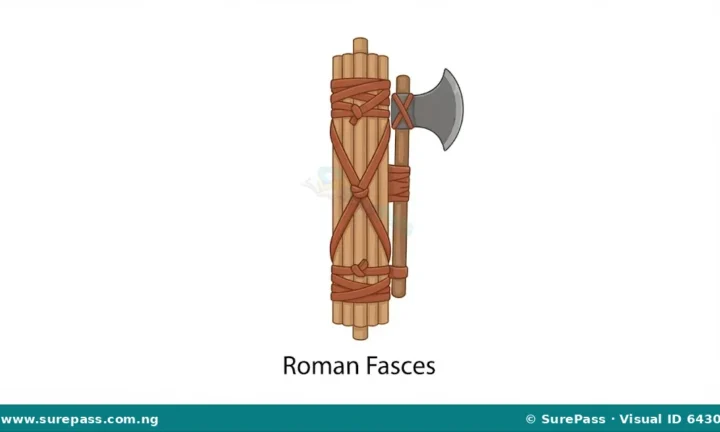 Lessons ◉ 0 views
Fascism promotes authoritarian nationalism, strong central leadership and suppression of political opposition, placing the state above individual freedom.
Read guide→
Lessons ◉ 0 views
Totalitarian rule seeks control over political life and wider society, using surveillance, propaganda and coercion to limit independent thought and action.
Read guide→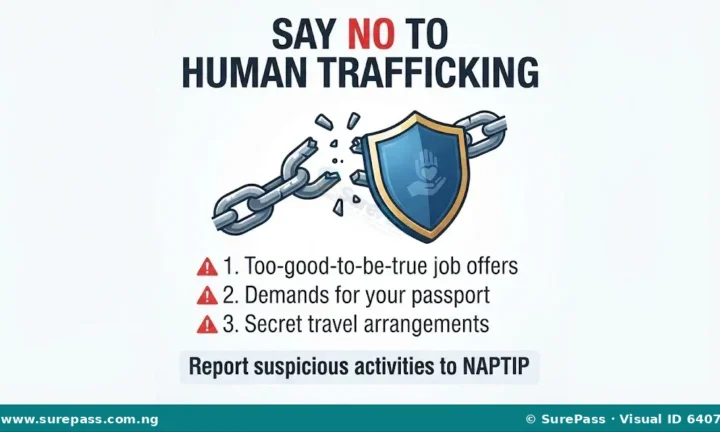 Lessons ◉ 0 views
Human trafficking exploits people through force, fraud or deception for labour or other abuse. Prevention includes vigilance and reporting suspected cases.
Read guide→ Lessons ◉ 0 views
Fundamental rights protect liberties such as expression and fair treatment; legal safeguards matter because rights can be threatened or abused.
Read guide→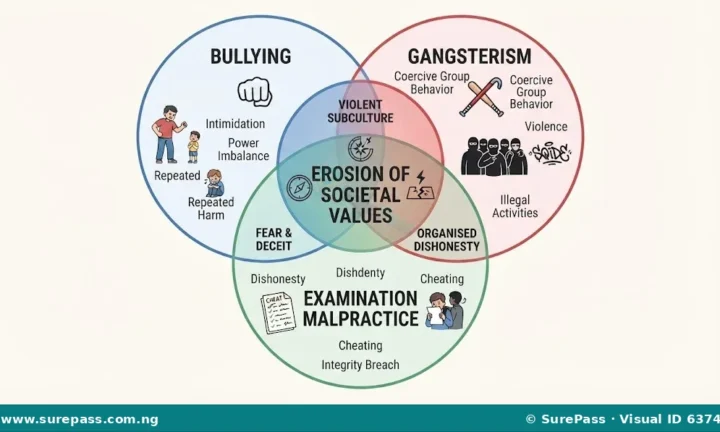 Lessons ◉ 0 views
Bullying, gang involvement and examination malpractice damage safety and fairness; prevention includes supervision, integrity and early reporting.
Read guide→Pick your class and subject. SurePass opens the matching lesson shelf and keeps the clock with you as you move around the site.
You stayed with it for 25 focused minutes. That counts.