


Espionage as a National Security Threat for SS 1
Espionage involves secretly obtaining protected information for another party, threatening national security when military or government secrets are exposed.
Read guide
Teacher/Educational Writer
Royal Alikor is an educator with six years of classroom teaching and three years of elementary school leadership experience and is still teaching. He develops and reviews practical, curriculum-aligned learning materials for Nigerian schools and teachers.
Lessons ◉ 0 views
Espionage involves secretly obtaining protected information for another party, threatening national security when military or government secrets are exposed.
Read guide→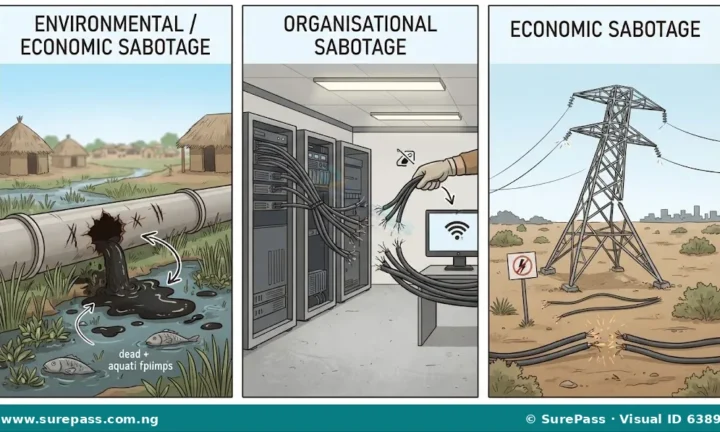 Lessons ◉ 1 views
Sabotage is deliberate damage or disruption of essential equipment, services or operations; protecting infrastructure helps reduce its effects.
Read guide→
Lessons ◉ 0 views
Non-interest finance avoids interest charges and uses arrangements such as leasing, sales and shared investment risk to fund economic activities.
Read guide→
Lessons ◉ 0 views
Digital currencies exist electronically and include central-bank-issued money and cryptocurrencies, each with different oversight and risk profiles.
Read guide→ Lessons ◉ 0 views
Cashless payments use cards, transfers and digital wallets instead of physical notes; convenience comes with network, fraud and access challenges.
Read guide→
Lessons ◉ 0 views
A pension provides income during retirement; defined-benefit plans promise a formula-based payout, while defined contributions depend on accumulated funds.
Read guide→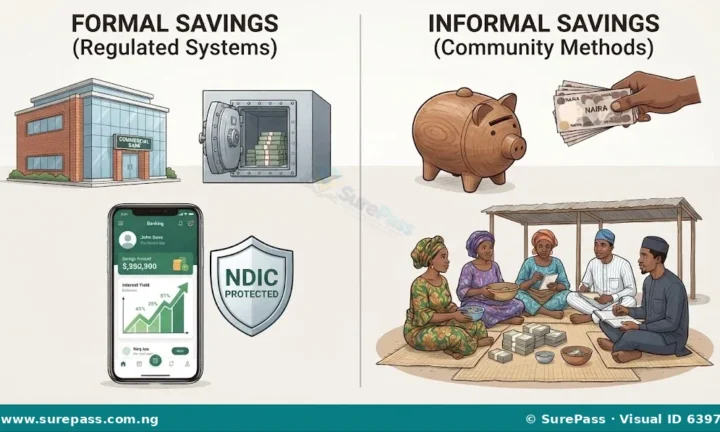 Lessons ◉ 2 views
Savings are income set aside instead of spent; keeping money for emergencies or planned needs reduces reliance on sudden borrowing.
Read guide→
Lessons ◉ 1 views
Climate change alters long-term weather patterns through factors including greenhouse gas emissions, affecting rainfall, heat and livelihoods.
Read guide→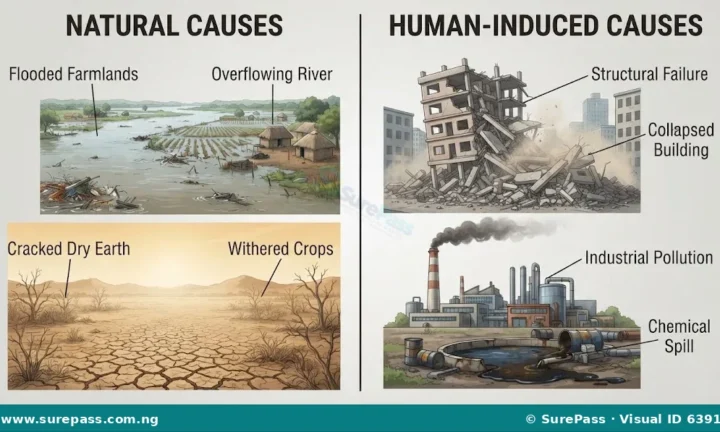 Lessons ◉ 1 views
Disasters may result from natural hazards or human activity; their impact depends on exposure, preparedness and the ability to respond.
Read guide→
Lessons ◉ 0 views
Political participation includes voting, joining civic groups and engaging public officials; peaceful involvement helps communities influence decisions.
Read guide→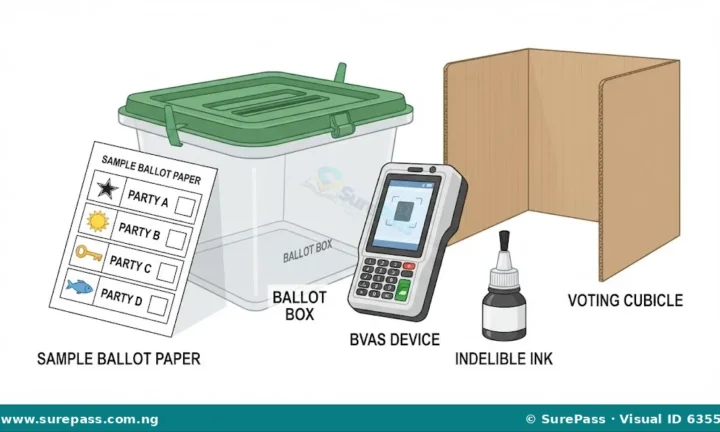 Lessons ◉ 0 views
Elections allow voters to choose representatives through established procedures; transparency, impartial administration and credible counting build trust.
Read guide→
Lessons ◉ 0 views
Good governance combines accountability, transparency, fairness and effective public service, so leaders can be questioned about their decisions.
Read guide→Pick your class and subject. SurePass opens the matching lesson shelf and keeps the clock with you as you move around the site.
You stayed with it for 25 focused minutes. That counts.