


ARTICLE CONTENTSOn this page 7 sections
Cashless economy
Performance Objectives
By the end of the lesson, students should be able to:
- explain the meaning of cashless economy;
- discuss the purpose of a cashless economy;
- discuss the challenges of a cashless economy;
- use online banking, e-wallets, and cashless payment systems effectively and safely.
Meaning of Cashless Economy
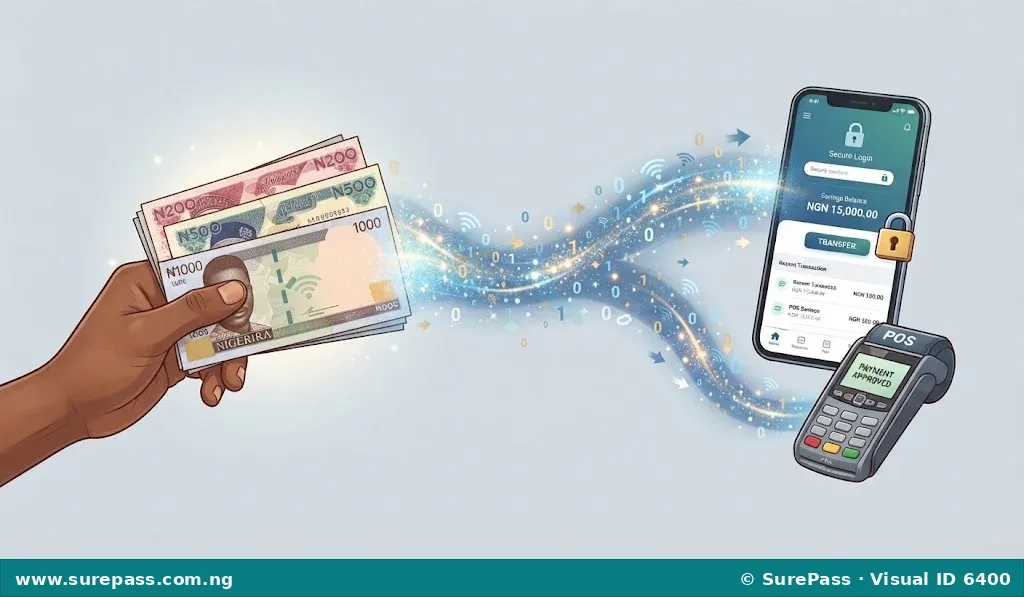
A cashless economy is an economic system in which financial transactions are conducted electronically through digital channels rather than through the physical exchange of paper banknotes and coins.
In a cashless economy, physical cash is not the primary medium of exchange. Instead, transactions are completed using digital payment platforms, electronic fund transfers, and card-based payment systems. This policy is typically driven by central banks, such as the Central Bank of Nigeria (CBN), to modernize the payment system, integrate the informal sector into the formal financial system, and improve monetary policy effectiveness.
The transition to a cashless economy does not mean that physical cash is completely eliminated. Rather, it means that cash is used only for minimal, low-value transactions, while the vast majority of economic activities are settled electronically. Common tools used to facilitate these transactions include Automated Teller Machines (ATMs), Point of Sale (POS) terminals, mobile banking applications, Unstructured Supplementary Service Data (USSD) codes, and electronic wallets.
Purpose of a Cashless Economy
Governments and financial regulators implement cashless policies to achieve specific economic and social goals. The primary purposes of establishing a cashless economy include:
- Reducing the Volume of Currency in Circulation: High volumes of physical cash in circulation make monetary policy management difficult for the central bank. Reducing cash usage helps stabilize the financial system and allows the government to monitor the flow of money more accurately.
- Reducing the Cost of Production of Currency: Printing, transporting, securing, sorting, and destroying physical banknotes require massive financial resources. By shifting to digital transactions, the government saves significant revenue that would otherwise be spent on currency management.
- Reducing Crime and Corruption: Physical cash is anonymous and difficult to trace, making it the preferred medium for illegal activities such as bribery, kidnapping for ransom, tax evasion, and money laundering. Digital transactions leave a clear electronic trail, which discourages criminal activities and aids law enforcement agencies in tracking illicit funds.
- Enhancing Transaction Efficiency and Convenience: Electronic payments eliminate the risks and inconveniences of carrying large sums of cash, such as armed robbery, theft, and physical damage to banknotes. Transactions can be completed instantly from any location, saving time for both buyers and sellers.
- Promoting Financial Inclusion: Cashless payment platforms, particularly mobile money and USSD services, allow individuals in remote or underserved areas to access formal banking services without needing a physical bank branch nearby.
Challenges of a Cashless Economy
While a cashless economy offers numerous benefits, its implementation in developing nations like Nigeria faces several structural and social obstacles. The major challenges include:
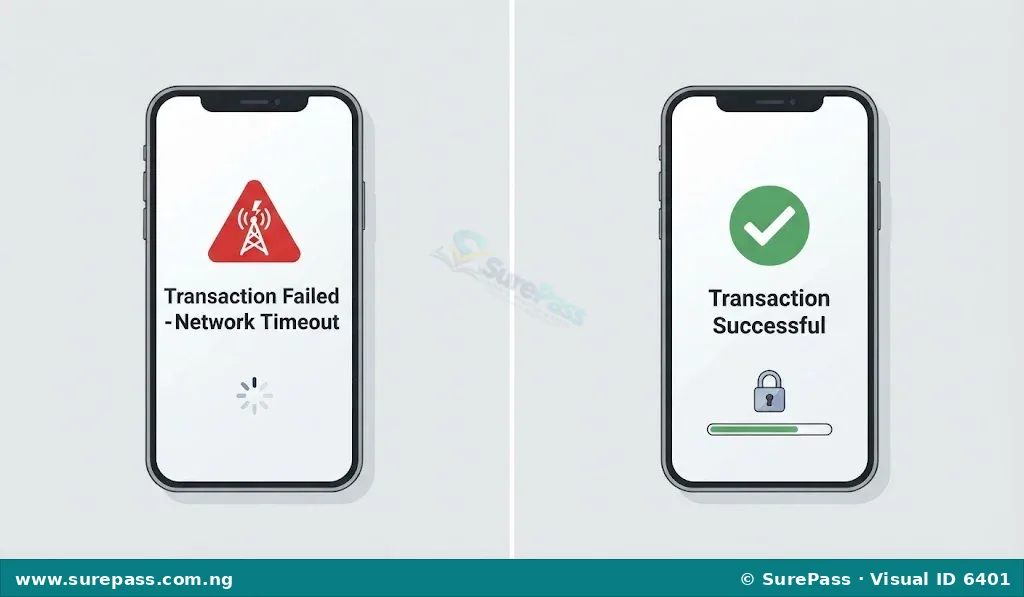
- Transaction Failure: Technical glitches, network congestion, and server downtime often lead to failed transactions. In many cases, a customer’s account is debited without the merchant receiving the funds, leading to disputes and loss of confidence in the digital system.
- Financial Infrastructure Deficit: Many rural and suburban areas lack the necessary infrastructure to support a cashless system. This includes poor telecommunication network coverage, unstable electricity supply to power digital devices, and an insufficient distribution of POS terminals and ATMs.
- Internet-Related Crimes: The rise of digital banking has been accompanied by an increase in cybercrimes. Fraudsters use hacking, phishing (tricking users into revealing sensitive information), identity theft, and social engineering to compromise bank accounts and steal funds.
- High Rate of Digital Illiteracy: A significant portion of the population lacks the skills and knowledge required to operate smartphones, banking applications, or digital payment interfaces. This makes them vulnerable to fraud and dependent on others to perform basic financial transactions.
- High Transaction Fees: Charges imposed by banks and payment service providers on electronic transfers, card maintenance, and POS withdrawals can be burdensome, especially for low-income earners and small-scale businesses.
Digital Payment Channels
To participate effectively in a cashless economy, citizens must understand the primary digital channels available for financial transactions.
Online banking refers to the use of a bank’s website or mobile application to perform financial transactions, such as transferring funds, paying utility bills, and checking account balances, over the internet.
An electronic wallet, or e-wallet, is a digital application that stores financial value and allows users to make electronic transactions directly from their mobile devices.
Examples of e-wallets and digital payment platforms in Nigeria include OPay, PalmPay, and bank-specific mobile wallets. These platforms often allow users to perform transactions using phone numbers as account identifiers, making them highly accessible.
Other cashless payment systems include USSD banking, which allows users to perform transactions without internet access by dialing specific codes (such as *901# or *737#) on their mobile phones, and Point of Sale (POS) terminals, which allow merchants to accept card payments directly at retail locations.
How to Use Cashless Payment Systems Safely and Effectively
Operating within a cashless economy requires practical skills to ensure transactions are completed successfully while protecting financial assets from cybercriminals.
The procedure for conducting safe and effective digital transactions involves the following steps:
- Secure Personal Access Codes: Create strong, unique passwords and Personal Identification Numbers (PINs) for banking applications and debit cards. Do not write PINs on debit cards or share them with anyone, including bank officials.
- Verify Recipient Details: Before confirming any electronic transfer, carefully cross-check the recipient’s account number, bank name, and the registered account name displayed on the screen to prevent sending money to the wrong person.
- Use Secure Internet Connections: Avoid performing financial transactions while connected to public, unsecured Wi-Fi networks, as hackers can intercept data transmitted over these networks. Use private mobile data connections instead.
- Enable Multi-Factor Authentication: Activate two-factor authentication (2FA) or biometric verification (such as fingerprint or facial recognition) on all mobile banking apps and e-wallets to add an extra layer of security.
- Identify and Avoid Phishing Scams: Do not click on suspicious links sent via SMS, email, or social media claiming that a bank account is blocked or offering unexpected rewards. Banks will never ask for a PIN, password, or Card Verification Value (CVV) over the phone or via email.
- Monitor Account Activity: Regularly review transaction history and bank alerts to detect any unauthorized withdrawals or suspicious activities immediately. Report any discrepancies to the financial institution’s customer service department without delay.

0 comments
Open the discussion when you need it. Comments stay collapsed until requested so the initial article remains light.