



ARTICLE CONTENTSOn this page 7 sections
Climate Change
Performance Objectives
By the end of the lesson, students should be able to:
- explain the meaning of climate change;
- discuss the effects of climate change on the physical environment;
- state the effects of climate change on human and other life forms;
- discuss the impact of climate change on the socio-economic sectors.
Meaning of Climate Change
Climate change is a long-term shift in global or regional climate patterns, especially a change due to an increase in the average atmospheric temperature.
To understand climate change, a clear distinction must be made between weather and climate. Weather refers to the daily atmospheric conditions of a specific place, such as daily rainfall, temperature, or wind speed. Climate, on the other hand, is the average of these weather conditions measured over a long period, typically thirty years or more. Climate change occurs when these long-term averages undergo significant and permanent alterations.
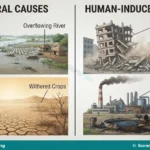
While natural processes can cause minor shifts in climate, modern climate change is primarily driven by human activities. The burning of fossil fuels like coal, oil, and natural gas, along with widespread deforestation and industrial manufacturing, releases large quantities of greenhouse gases into the atmosphere. These gases, which include carbon dioxide and methane, trap heat from the sun, leading to a gradual warming of the earth.
Effects of Climate Change on the Physical Environment
The physical environment consists of the non-living components of the earth, including the land, water bodies, and the atmosphere. Climate change alters these physical systems in several visible ways.
The major effects of climate change on the physical environment include:
- Rising Temperatures: Global temperatures are steadily increasing, leading to more frequent and intense heatwaves, drier soils, and the drying up of open water sources.
- Changing Rainfall Patterns: Rainfall has become highly unpredictable. Some regions experience prolonged droughts, while others suffer from sudden, torrential downpours that cause severe flash floods.
- Desertification: In Northern Nigeria, the southward expansion of the Sahara Desert is accelerating. Fertile topsoil is lost as vegetation dies, turning once-productive agricultural land into barren desert.
- Sea-Level Rise and Coastal Flooding: As global temperatures rise, polar ice caps melt and ocean waters expand. This causes sea levels to rise, leading to coastal erosion and the flooding of low-lying coastal cities such as Lagos and Port Harcourt.
- Soil and Gully Erosion: Intense and irregular rainfall washes away loose soil. In Southeastern Nigeria, this has accelerated the formation of massive gullies that destroy roads, farmland, and residential areas.
Effects of Climate Change on Human and Other Life Forms
Living organisms, including humans, plants, and animals, depend on stable climatic conditions for survival. Rapid changes in the climate disrupt these delicate biological systems.
The effects of climate change on human and other life forms include:
- Loss of Biodiversity: Many plant and animal species cannot adapt quickly to rising temperatures or altered rainfall patterns. This leads to a decline in species populations and, in severe cases, extinction.
- Habitat Destruction: Ecosystems such as forests, wetlands, and savannahs are degraded by wildfires, droughts, and floods, leaving wildlife without adequate food, water, or shelter.
- Human Displacement: Extreme weather events destroy communities, forcing millions of people to abandon their ancestral homes. These individuals often become climate refugees, migrating to urban areas or other regions in search of safety.
- Heat Stress and Physiological Strain: Extreme heat directly affects the health of humans and livestock, causing dehydration, heat exhaustion, reduced productivity, and increased mortality rates.
- Resource Conflicts: The shrinking of fertile land and natural water bodies, such as the dramatic reduction of Lake Chad, forces pastoralists and farmers to compete fiercely for remaining resources, leading to communal conflicts.
Impact of Climate Change on Socio-Economic Sectors
Socio-economic sectors are the organized systems and activities through which human societies sustain themselves, develop infrastructure, and generate wealth. Climate change poses a severe threat to these sectors.
Agriculture
Agriculture in Nigeria is heavily dependent on natural rainfall, making it highly vulnerable to climate variations. Unpredictable planting seasons, prolonged droughts, and sudden floods lead to widespread crop failures. Livestock production is also affected as heat stress reduces milk and meat yields, while dried-up pastures force herdsmen to migrate continuously. These disruptions lead to food scarcity, high food prices, and reduced income for rural farmers.
Education
Extreme weather events directly disrupt the educational system. Floods frequently submerge school buildings or wash away access roads, preventing students and teachers from attending classes. In some cases, school buildings are used as temporary shelters for displaced flood victims, leading to long-term school closures. Furthermore, extreme heatwaves make classrooms uncomfortable, reducing concentration levels and academic performance among learners.
Health
Climate change worsens public health challenges. Rising temperatures and flooding create breeding grounds for disease vectors, leading to an increase in malaria, yellow fever, and dengue fever. Flooding also contaminates drinking water sources, causing outbreaks of water-borne diseases such as cholera and typhoid. Additionally, food shortages caused by agricultural failures lead to widespread malnutrition, particularly among vulnerable populations.
Water Resources
The availability of clean water is declining due to climate change. Rising temperatures increase evaporation rates from reservoirs, rivers, and lakes, while prolonged droughts lower underground water tables. In coastal areas, rising sea levels cause saltwater to intrude into freshwater aquifers, making the water unfit for drinking or farming. This results in severe water scarcity for domestic, industrial, and agricultural use.
Environment and Housing
The physical structures where people live are increasingly threatened by climate hazards. Coastal erosion and urban flooding destroy residential buildings, roads, and drainage systems. In rural areas, windstorms and mudslides pull down mud houses and thatch roofs. The destruction of homes forces displaced populations into overcrowded urban slums, straining municipal infrastructure and worsening environmental sanitation.
Women and Children
Women and children suffer disproportionately from the impacts of climate change due to existing social roles. In many rural communities, women and children are responsible for fetching water and firewood. As these resources become scarce, they must trek much longer distances, which increases physical exhaustion and exposes them to security risks. Children are also the most vulnerable to malnutrition, diarrheal diseases, and disrupted schooling during climate disasters.
Tourism
Tourism relies heavily on the preservation of natural landscapes, wildlife, and cultural heritage sites. Climate change damages these attractions. Coastal erosion washes away beaches, while rising temperatures and droughts degrade wildlife conservation parks, driving away rare animal species. Frequent flooding and extreme weather also discourage international and domestic tourists from visiting key destinations, leading to a loss of revenue for the hospitality industry.
Transportation
Transportation infrastructure is highly sensitive to extreme weather. Heavy rainfall and flooding submerge highways, wash away bridges, and damage railway tracks, leading to expensive repairs and severe travel delays. Extreme heat causes asphalt roads to soften and deform, creating potholes and hazards. In aviation and maritime transport, severe storms, heavy winds, and poor visibility lead to frequent flight cancellations and dangerous shipping conditions.
Summary and Revision Questions
The main points discussed in this unit include:
- Climate change is the long-term alteration of global or regional climate patterns, primarily driven by human activities that release greenhouse gases.
- The physical environment is affected through rising temperatures, unpredictable rainfall, desertification, sea-level rise, and severe soil erosion.
- Human beings and wildlife suffer from habitat loss, biodiversity decline, displacement, heat stress, and resource-based conflicts.
- Socio-economic sectors, including agriculture, education, health, water resources, housing, tourism, and transportation, face severe disruptions that hinder national development.
- Women and children bear a heavier burden due to their vulnerability and traditional roles in resource collection.
Use the following questions to review the content of this unit:
- Define climate change and explain how it differs from weather.
- Discuss three major effects of climate change on the physical environment of Nigeria.
- State three ways in which climate change affects wildlife and human populations.
- Explain the impact of climate change on the agricultural and health sectors in West Africa.
- Describe how climate change specifically affects women and children in rural communities.

0 comments
Open the discussion when you need it. Comments stay collapsed until requested so the initial article remains light.