

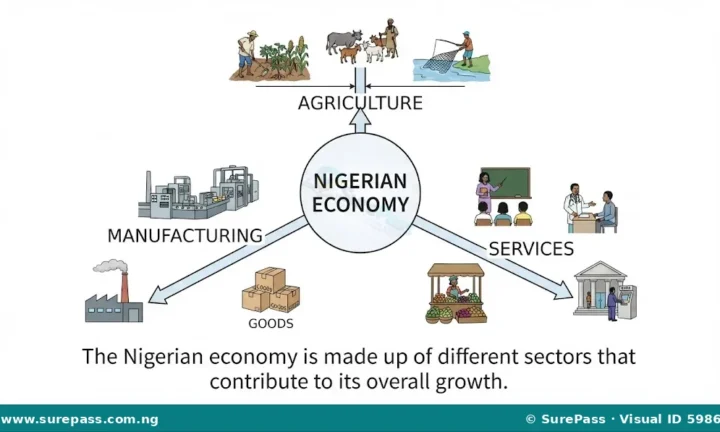
Sectors and Structure of the Nigerian Economy for SS 1
Nigeria's economy includes agriculture and extraction, manufacturing and services. The size of each sector shows how production and employment are distributed.
Read guide
Teacher/Educational Writer
Royal Alikor is an educator with six years of classroom teaching and three years of elementary school leadership experience and is still teaching. He develops and reviews practical, curriculum-aligned learning materials for Nigerian schools and teachers.
Lessons ◉ 0 views
Nigeria's economy includes agriculture and extraction, manufacturing and services. The size of each sector shows how production and employment are distributed.
Read guide→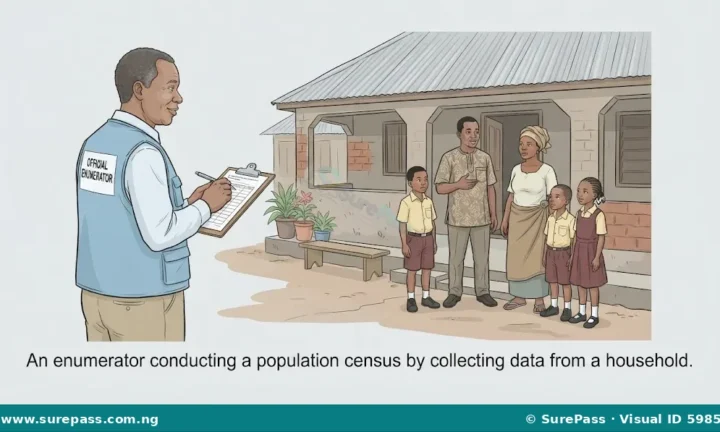 Lessons ◉ 0 views
A census counts residents at a specified time. Its figures guide schools, roads and health planning, but expense and missed households create challenges.
Read guide→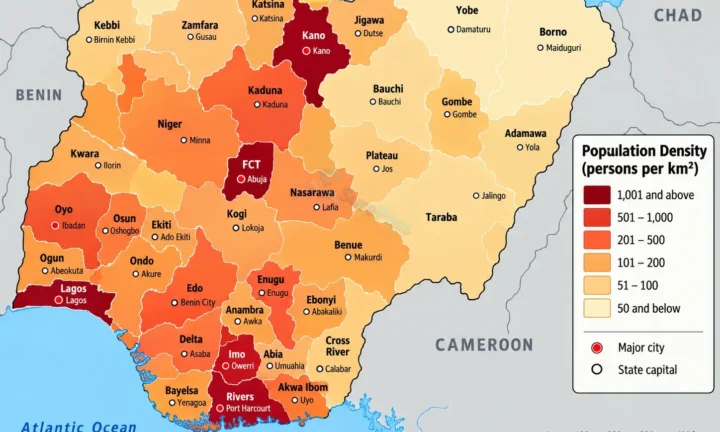 Lessons ◉ 0 views
Population is the number of people living in a defined area at a given time. Births, deaths and migration influence growth and settlement…
Read guide→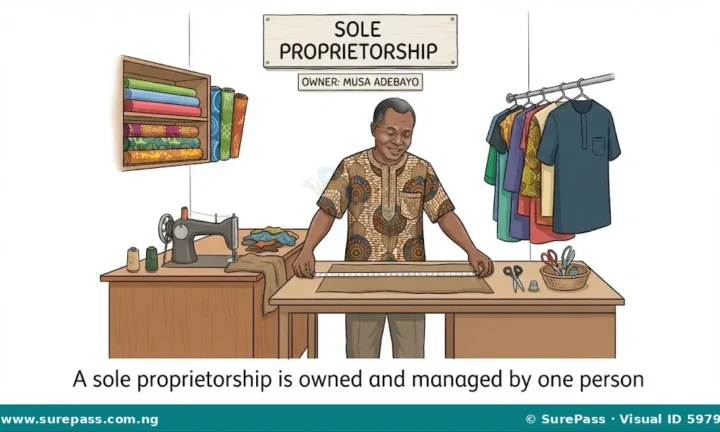 Lessons ◉ 0 views
A sole proprietorship has one owner, while a partnership shares ownership. Companies and public enterprises have different structures and legal duties.
Read guide→ Lessons ◉ 0 views
Savings is income set aside rather than spent immediately. The amount saved depends on earnings, expenses and plans; savings can finance future needs.
Read guide→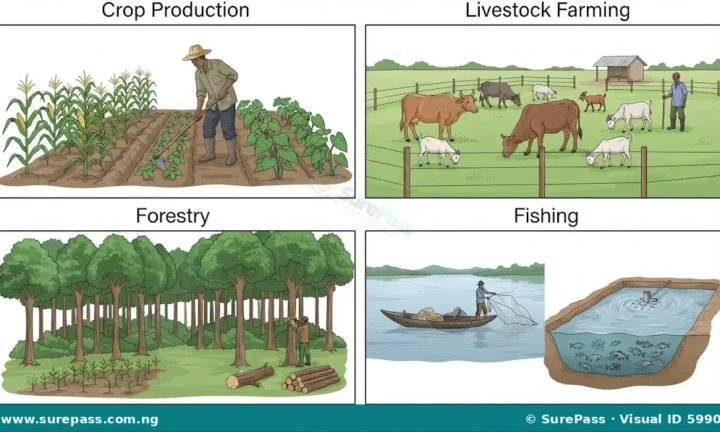 Lessons ◉ 0 views
Agriculture includes growing crops and raising livestock for food and other products. Land, labour, equipment and weather all influence farm output.
Read guide→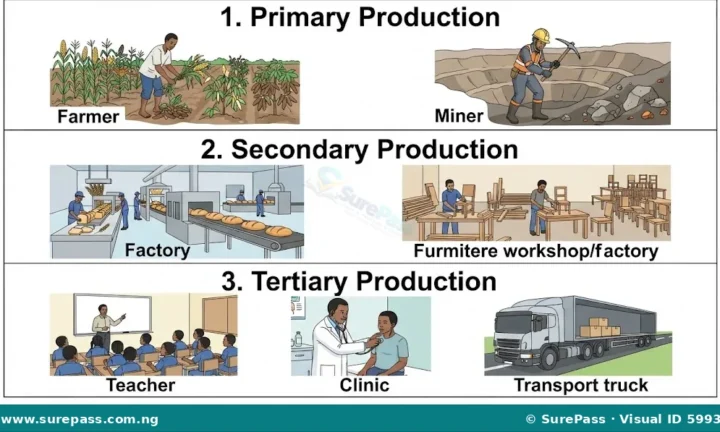 Lessons ◉ 0 views
Production combines land, labour, capital and enterprise to create goods or services. Division of labour assigns specialised tasks to improve efficiency.
Read guide→ Lessons ◉ 0 views
Demand shows what consumers will buy at different prices; supply shows what producers offer. Market equilibrium occurs where the two quantities are equal.
Read guide→
Lessons ◉ 0 views
Domestic trade takes place within a country, while international trade crosses national borders. Both move goods from producers toward consumers.
Read guide→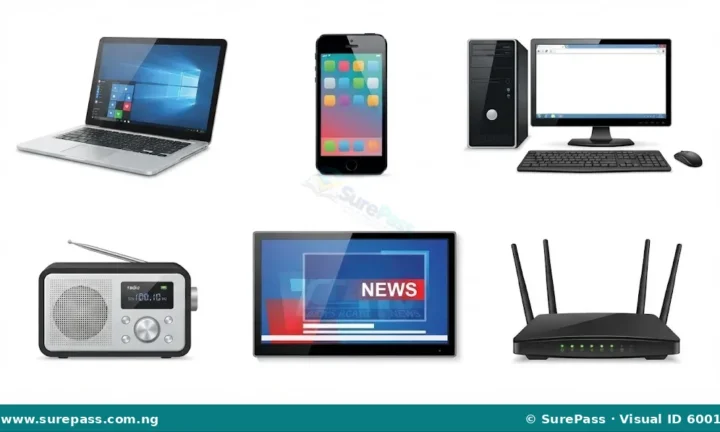 Lessons ◉ 0 views
ICT supports economic activity through recordkeeping, online sales and communication. Digital access brings speed but also exposes users to fraud and outages.
Read guide→Double-entry bookkeeping records every transaction with equal debit and credit entries. This preserves the accounting relationship between resources and claims.
Read guide→Assets are resources a business controls; liabilities are amounts it owes. Owner's equity is the residual interest, expressed as assets minus liabilities.
Read guide→Pick your class and subject. SurePass opens the matching lesson shelf and keeps the clock with you as you move around the site.
You stayed with it for 25 focused minutes. That counts.