



ARTICLE CONTENTSOn this page 7 sections
النطق بالأصوات العربية
Performance Objectives
By the end of the lesson, students should be able to:
- ينطقوا ابألصوات ا لعربية نطقا صحيحا وسليما.
- ـي مييزوا بني األصوات العربية املتشاب ـ هة يف النطق بدون ترتيب.
- ينطقوا ابألصوات العربية ابلرتتيب.
- يرتبوا األصوات خالل األلعاب.
Learning Arabic involves understanding and pronouncing its unique sounds. Each Arabic letter has a specific sound. Learning to pronounce these sounds correctly is the first step to speaking and reading Arabic well.
Pronouncing Arabic Sounds Clearly
Correct pronunciation of Arabic sounds is very important. It helps in understanding and being understood when speaking Arabic. Practising each sound carefully helps learners to speak Arabic accurately and clearly.
Arabic Sounds That Look Similar (Similar Shapes)
Some Arabic letters look very much alike. They share a similar basic shape but have different dots or marks that change their sound. Learning to spot these small differences helps in reading and writing Arabic correctly.
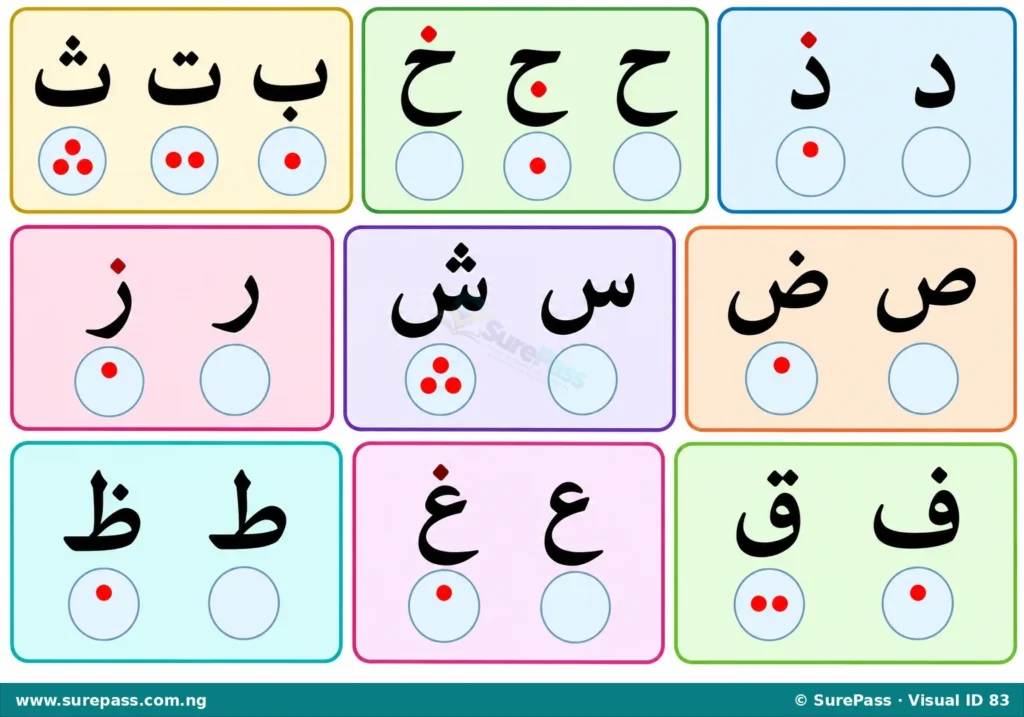
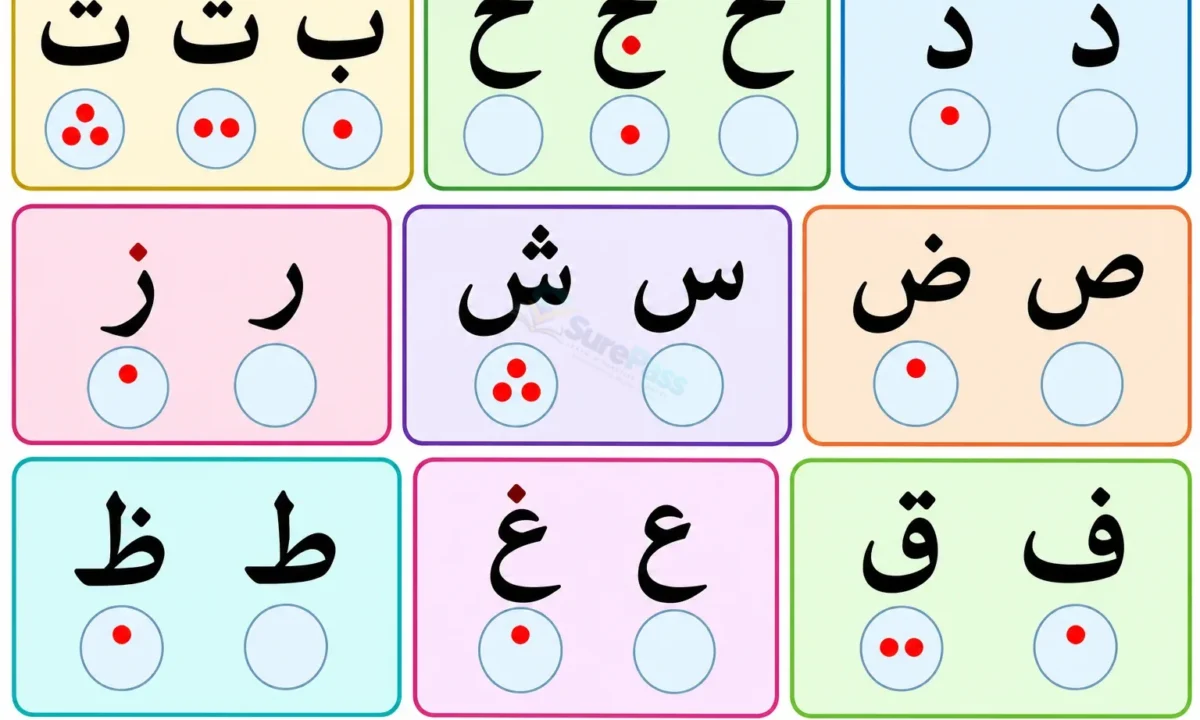
The following Arabic letters have similar shapes:
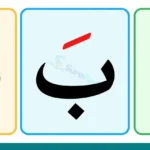
- ب، ت، ث: These letters share a similar base shape. The letter ب has one dot below, ت has two dots above, and ث has three dots above.
- ح، ج، خ: These letters also share a similar base shape. The letter ح has no dots, ج has one dot inside, and خ has one dot above.
- د، ذ: These letters have a similar shape. The letter د has no dot, while ذ has one dot above.
- ر، ز: These letters look similar. The letter ر has no dot, while ز has one dot above.
- س، ش: These letters have a similar shape. The letter س has no dots, while ش has three dots above.
- ص، ض: These letters share a similar shape. The letter ص has no dot, while ض has one dot above.
- ط، ظ: These letters have a similar shape. The letter ط has no dot, while ظ has one dot above.
- ع، غ: These letters share a similar shape. The letter ع has no dot, while غ has one dot above.
- ف، ق: These letters have a similar shape. The letter ف has one dot above, while ق has two dots above.
Practising the pronunciation of each letter in these groups helps to distinguish them clearly.
Arabic Sounds That Sound Similar (Similar Pronunciation)
Some Arabic letters have sounds that can be easily confused, especially for new learners. Paying close attention to how each sound is made helps in pronouncing them correctly.
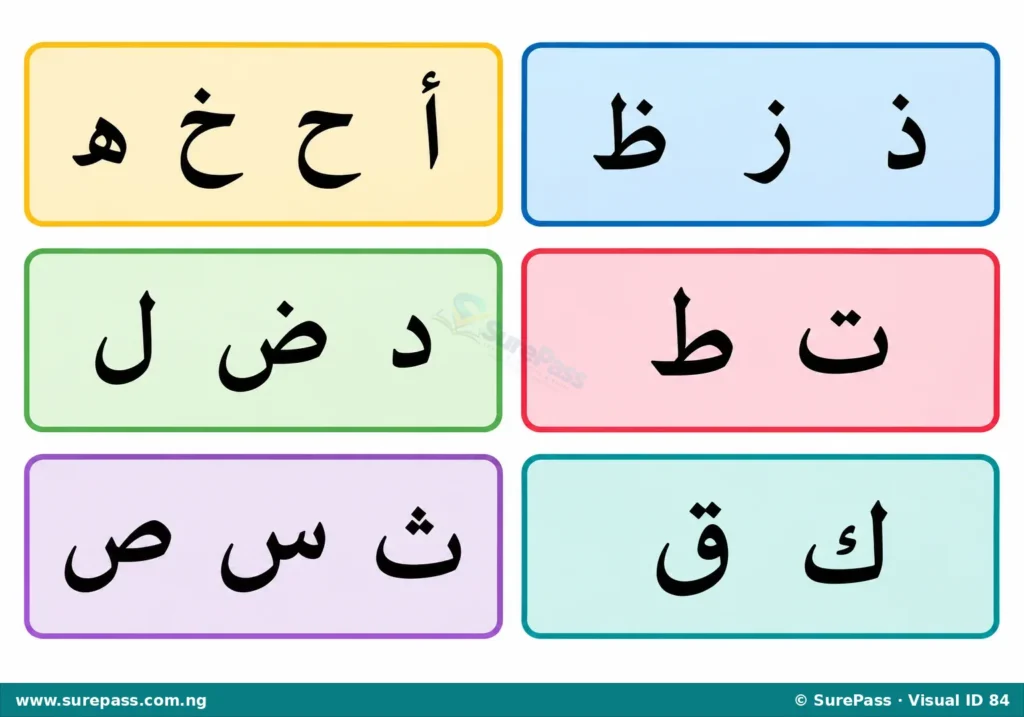
The following Arabic letters have sounds that can be similar:
- أ، ح، خ، ه:
- أ (Alif): A soft sound, like the ‘a’ in ‘apple’ or a glottal stop.
- ح (Haa): A strong, breathy sound from the throat, like a soft sigh.
- خ (Khaa): A rough, guttural sound from the back of the throat, like clearing the throat.
- ه (Haa): A light, breathy ‘h’ sound, like in ‘hello’.
- ذ، ز، ظ:
- ذ (Dhaal): A soft ‘th’ sound, like in ‘this’.
- ز (Zay): A buzzing ‘z’ sound, like in ‘zebra’.
- ظ (Dhaa): A strong, emphatic ‘dh’ sound, similar to ذ but with a fuller mouth.
- د، ض، ل:
- د (Daal): A clear ‘d’ sound, like in ‘door’.
- ض (Daad): A strong, emphatic ‘d’ sound, made with the tongue pressing against the side teeth.
- ل (Laam): A clear ‘l’ sound, like in ‘lion’.
- ت، ط:
- ت (Taa): A light ‘t’ sound, like in ‘top’.
- ط (Taa): A strong, emphatic ‘t’ sound, made with the tongue pressing firmly against the roof of the mouth.
- ث، س، ص:
- ث (Thaa): A soft ‘th’ sound, like in ‘thin’.
- س (Seen): A clear ‘s’ sound, like in ‘sun’.
- ص (Saad): A strong, emphatic ‘s’ sound, made with a fuller mouth.
- ك، ق:
- ك (Kaaf): A clear ‘k’ sound, like in ‘kite’.
- ق (Qaaf): A deep, guttural ‘q’ sound, made from the back of the throat.
Listening carefully and repeating these sounds helps to master their correct pronunciation.
The Arabic Alphabet in Order
The Arabic alphabet has 28 letters. Learning them in order helps to remember all the letters and their sounds. This order is important for many Arabic language activities.
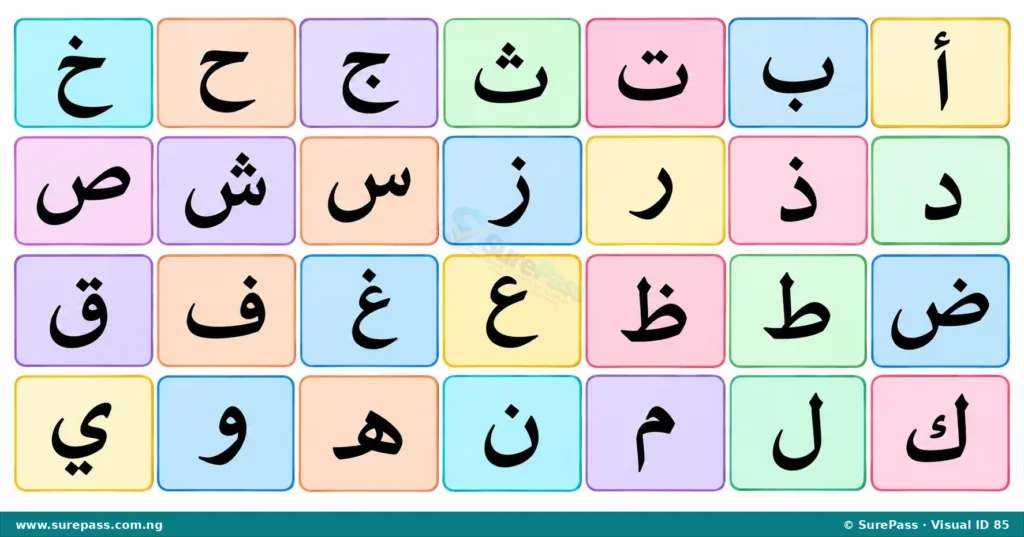
The Arabic letters in their traditional order are:
- أ
- ب
- ت
- ث
- ج
- ح
- خ
- د
- ذ
- ر
- ز
- س
- ش
- ص
- ض
- ط
- ظ
- ع
- غ
- ف
- ق
- ك
- ل
- م
- ن
- هـ
- و
- ي
Practising these letters aloud, one after the other, helps to memorise their sequence and sounds.
Arranging Arabic Sounds Through Games
Games can make learning Arabic letters and their sounds fun. Arranging letters in order or matching similar sounds helps to reinforce learning.
Activity: Ordering Letter Cards
This activity helps learners to practise arranging Arabic letters in the correct sequence.
The required materials are:
- A set of Arabic letter cards (one card for each letter).
The procedure involves the following steps:
- Spread the Arabic letter cards randomly on a table or the floor.
- Ask learners to pick up the cards one by one.
- Arrange the cards in the correct alphabetical order, starting from أ (Alif) and ending with ي (Yaa).
- Say the name of each letter aloud as it is placed in order.
- Repeat the activity, mixing the cards each time for more practice.
Activity: Matching Similar Sounds
This activity helps learners to distinguish between Arabic letters that have similar sounds.
The required materials are:
- Two sets of Arabic letter cards, with one set containing letters that sound similar (e.g., ت and ط, ذ and ز).
The procedure involves the following steps:
- Place one set of letter cards (the target letters) on a table.
- Hold up a card from the second set (the matching letters) and pronounce the letter’s sound clearly.
- Ask learners to find the matching letter from the target set that has a similar sound.
- Once a match is made, pronounce both letters again to highlight their similarities and differences.
- Continue with other pairs of similar-sounding letters.




0 comments
Open the discussion when you need it. Comments stay collapsed until requested so the initial article remains light.