

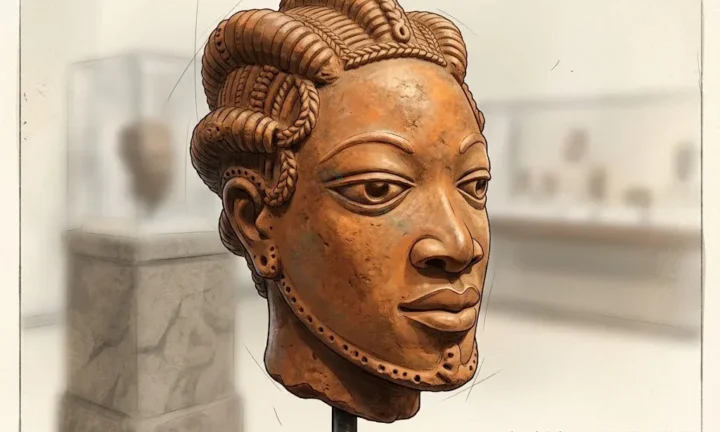
Nigerian Arts, Artists and Artworks for Primary 4
Nigerian artworks reflect local histories and ways of life. Sculpture, textiles, masks and other creative traditions preserve cultural skills and identity.
Read guide
Teacher/Educational Writer
Royal Alikor is an educator with six years of classroom teaching and three years of elementary school leadership experience and is still teaching. He develops and reviews practical, curriculum-aligned learning materials for Nigerian schools and teachers.
Lessons ◉ 0 views
Nigerian artworks reflect local histories and ways of life. Sculpture, textiles, masks and other creative traditions preserve cultural skills and identity.
Read guide→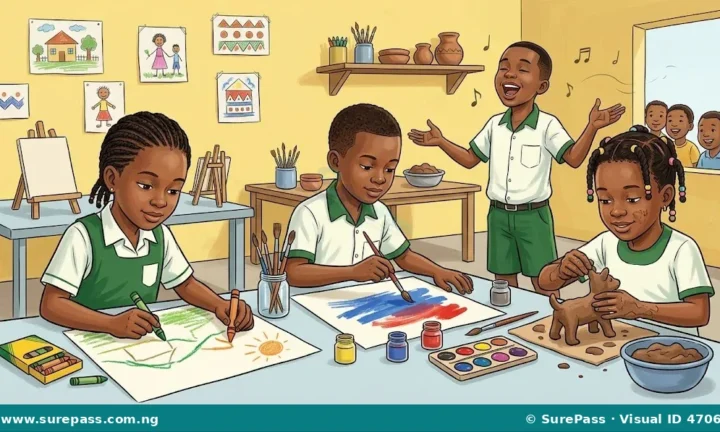 Lessons ◉ 0 views
Art expresses ideas, feelings and experiences through visual or performing forms. Drawing, painting and sculpture serve creative and cultural purposes.
Read guide→ Lessons ◉ 0 views
In Christianity, new life in Christ means turning from harmful behaviour and practising love, truthfulness, forgiveness and obedience to God.
Read guide→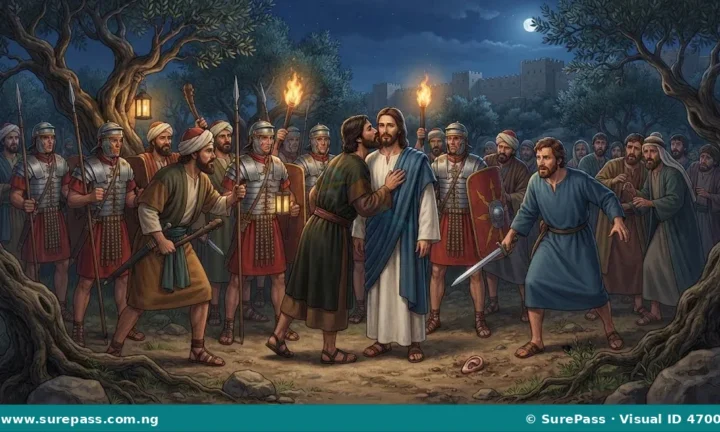 Lessons ◉ 0 views
Christian teaching presents Jesus' death on the cross as an act of love and sacrifice. The crucifixion is central to beliefs about forgiveness…
Read guide→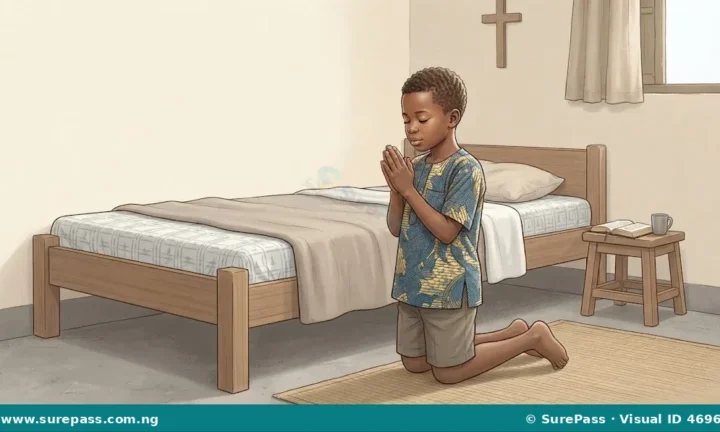 Lessons ◉ 0 views
The Gospels describe Jesus praying to his Father in difficult moments. His prayer at Gethsemane expresses trust and obedience despite suffering.
Read guide→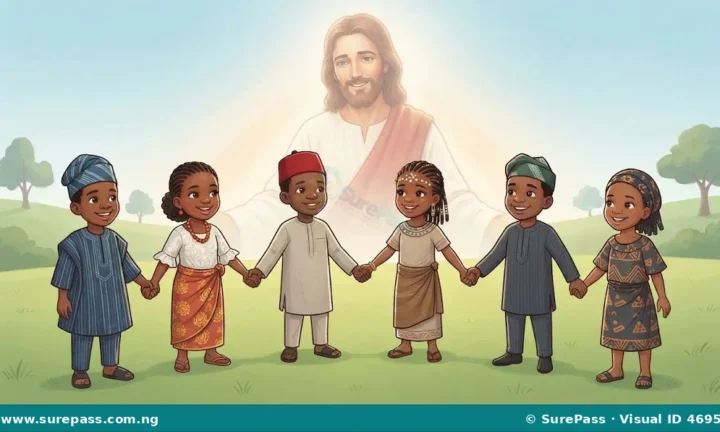 Lessons ◉ 0 views
Jesus' command to love one another extends care beyond family and friends. His example calls Christians to show kindness, mercy and compassion.
Read guide→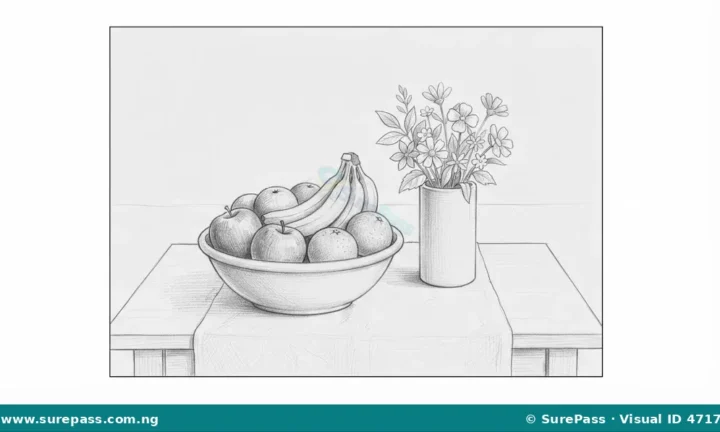 Lessons ◉ 3 views
Drawing uses lines, shapes and shading to represent what people see or imagine. Pencils, charcoal and crayons create different effects on paper.
Read guide→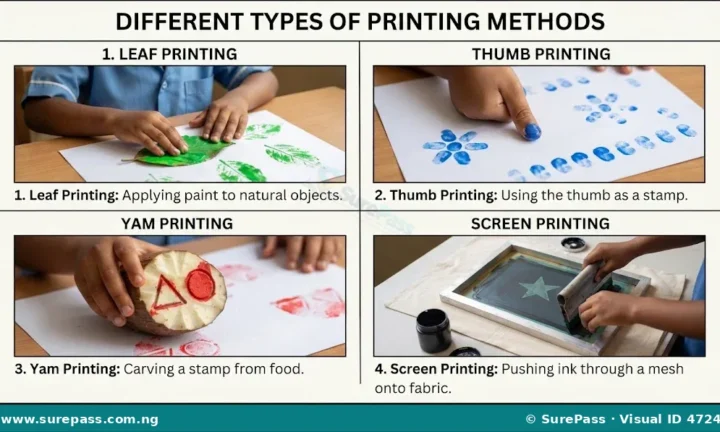 Lessons ◉ 12 views
Printmaking transfers an image or pattern from one surface to another, allowing copies to be made. Simple stamping shows how repeated designs form.
Read guide→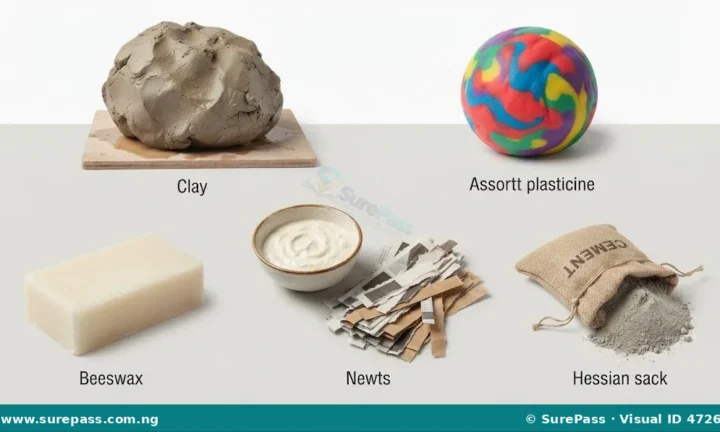 Lessons ◉ 6 views
Modelling shapes soft materials such as clay into three-dimensional forms. Adding or removing material changes the figure's size, surface and detail.
Read guide→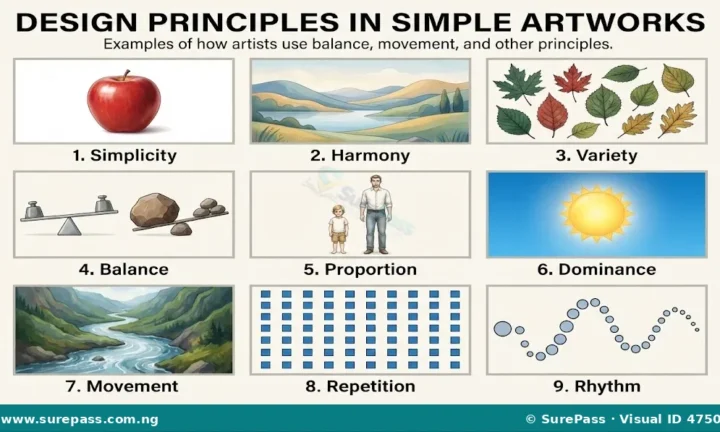 Lessons ◉ 0 views
Balance, contrast, rhythm and emphasis help organise the parts of an artwork. These design principles guide attention and create visual harmony.
Read guide→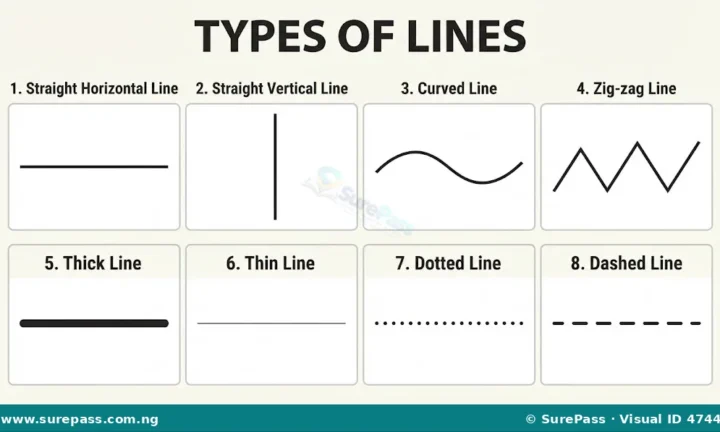 Lessons ◉ 3 views
Lines, shapes, colours, forms and textures are basic elements used to make art. Combining them changes an artwork's appearance and meaning.
Read guide→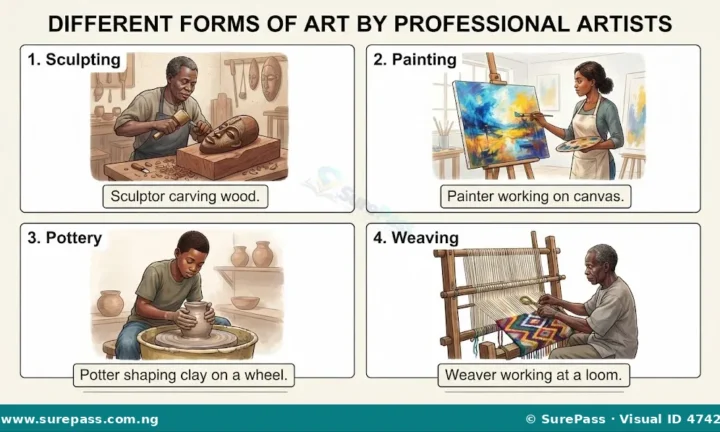 Lessons ◉ 0 views
Artists may work as painters, sculptors, designers or illustrators. Their skills produce images and objects for communication, decoration or cultural use.
Read guide→Pick your class and subject. SurePass opens the matching lesson shelf and keeps the clock with you as you move around the site.
You stayed with it for 25 focused minutes. That counts.