

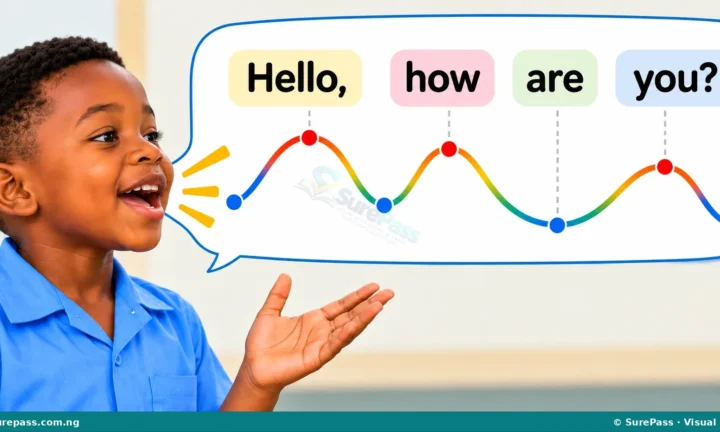
Listening and Speaking: Introduction to Intonation for Primary 4
Intonation is the rise and fall of the voice during speech. It helps distinguish questions, statements, surprise and other meanings.
Read guide
Teacher/Educational Writer
Royal Alikor is an educator with six years of classroom teaching and three years of elementary school leadership experience and is still teaching. He develops and reviews practical, curriculum-aligned learning materials for Nigerian schools and teachers.
Lessons ◉ 0 views
Intonation is the rise and fall of the voice during speech. It helps distinguish questions, statements, surprise and other meanings.
Read guide→ Lessons ◉ 1 views
Homophones sound alike but differ in meaning, such as sea and see. Homographs share a spelling but may differ in meaning or pronunciation.
Read guide→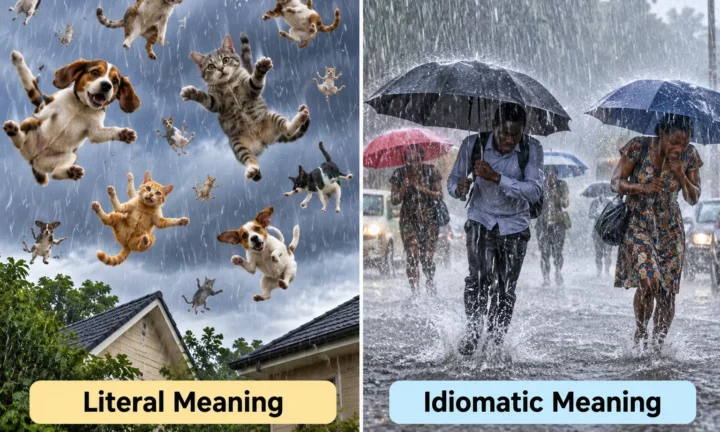 Lessons ◉ 0 views
An idiom has a meaning that cannot always be guessed from its individual words. “A piece of cake” can describe something very easy…
Read guide→ Lessons ◉ 0 views
Adjectives describe nouns, while adverbs give more information about actions or qualities. The words “quick” and “quickly” do different jobs.
Read guide→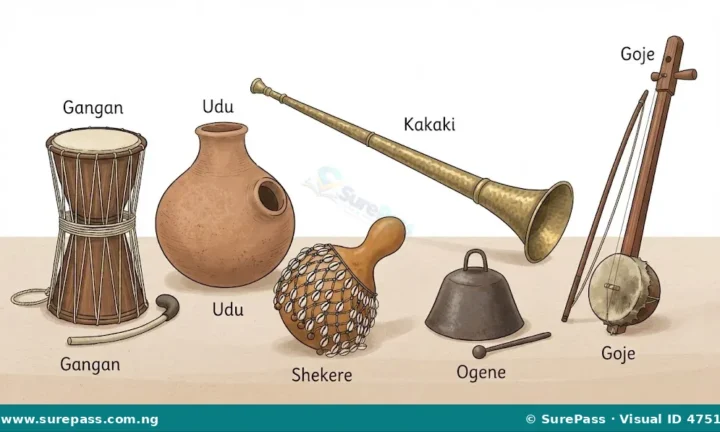 Lessons ◉ 0 views
Musical instruments produce sound through vibrating strings, air or surfaces. Drums, flutes and guitars belong to different instrument families.
Read guide→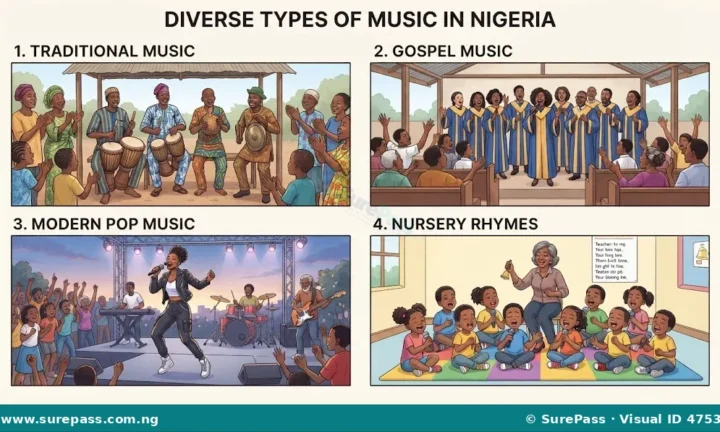 Lessons ◉ 0 views
Music arranges sounds into rhythm, melody and other patterns. Singing and instruments make music useful for celebration, worship and communication.
Read guide→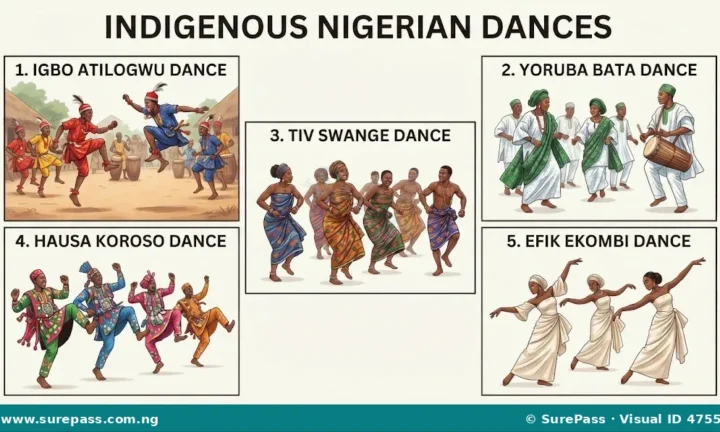 Lessons ◉ 2 views
Dance uses rhythmic body movement to express ideas or celebrate events. Traditional and contemporary dances combine steps, timing and coordination.
Read guide→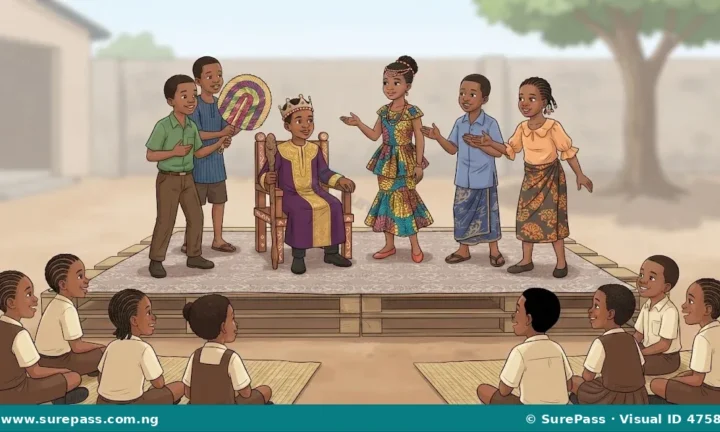 Lessons ◉ 1 views
Drama tells a story through characters, dialogue and actions. Performers use movement, facial expression and voice to make a scene believable.
Read guide→ Lessons ◉ 2 views
Culture includes learned language, beliefs, food, clothing, music and customs. It helps communities preserve identity and pass knowledge between generations.
Read guide→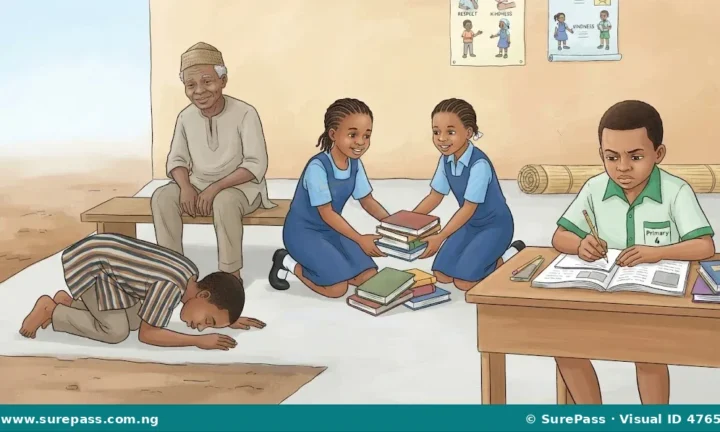 Lessons ◉ 0 views
Cultural values such as respect, honesty and cooperation guide children's behaviour. They help young people relate well to family and community.
Read guide→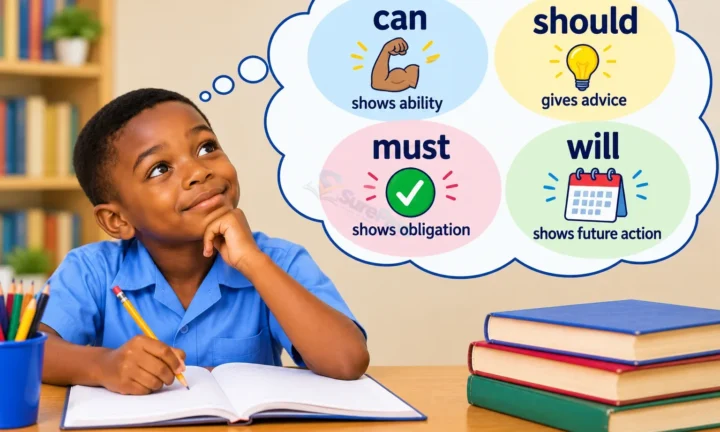 Lessons ◉ 5 views
Modal verbs such as can, may, must and should express ability, permission, necessity or advice. Choosing the right modal changes a speaker's meaning.
Read guide→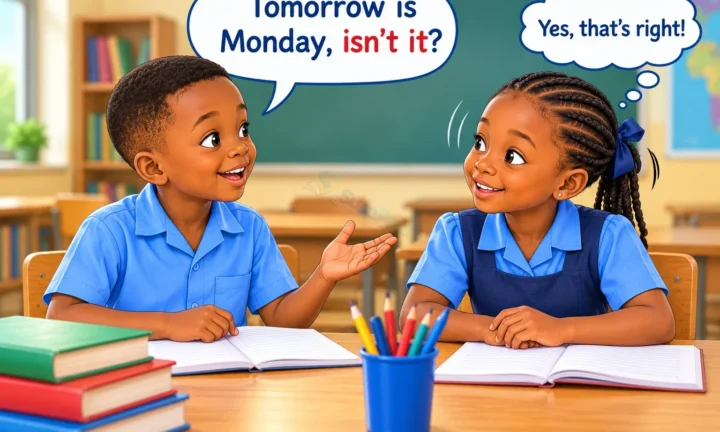 Lessons ◉ 1 views
A question tag turns a statement into a short check: “You are ready, aren't you?” The auxiliary and pronoun help the tag agree…
Read guide→Pick your class and subject. SurePass opens the matching lesson shelf and keeps the clock with you as you move around the site.
You stayed with it for 25 focused minutes. That counts.