



ARTICLE CONTENTSOn this page 6 sections
Cultural Values in a Child
Performance Objectives
By the end of the lesson, students should be able to:
- explain the meaning of cultural value in a child;
- state the importance of cultural values in a child;
- demonstrate some cultural values.
What Are Cultural Values?
Cultural values are the good ways of behaving that people in a community or country believe are important. These values guide how children should act, speak, and treat others.
They are like rules that help everyone live together happily and respectfully. Learning these values from a young age helps children grow into responsible and kind adults.
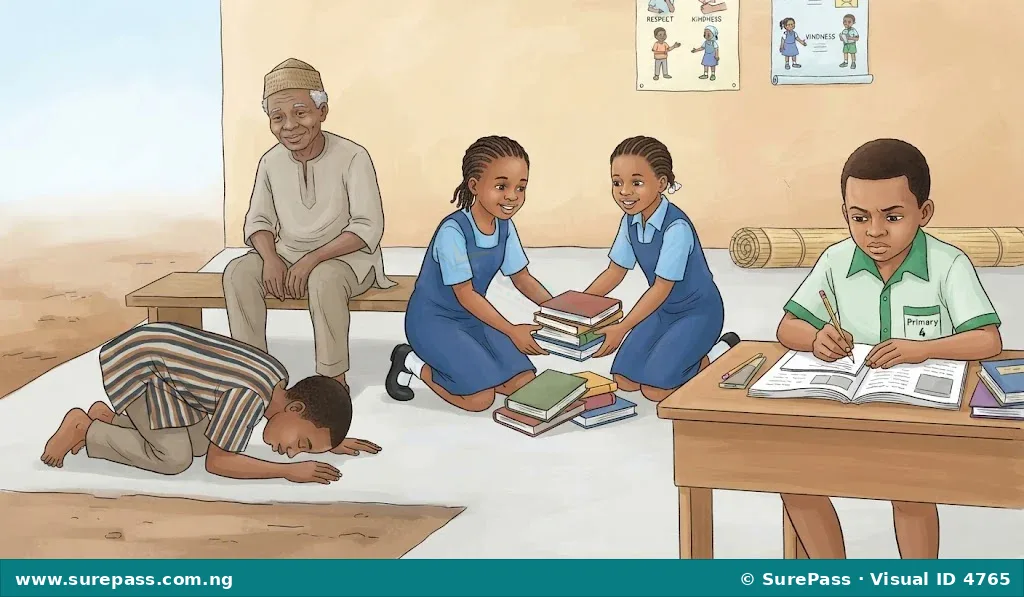
Meaning of Cultural Values in a Child
For a child, cultural values mean learning and practising good behaviours that are important in their home, school, and community. These values help children understand what is right and wrong, and how to be a good person.
Honesty
Honesty means always telling the truth and being fair. It means not stealing, not cheating, and not lying.
When a child is honest, people can trust them. For example, if a child finds money that does not belong to them, an honest child will return it to the owner.
Respect
Respect means showing regard and honour to others, especially elders, parents, teachers, and friends. It involves listening carefully, using polite words, and greeting people properly.
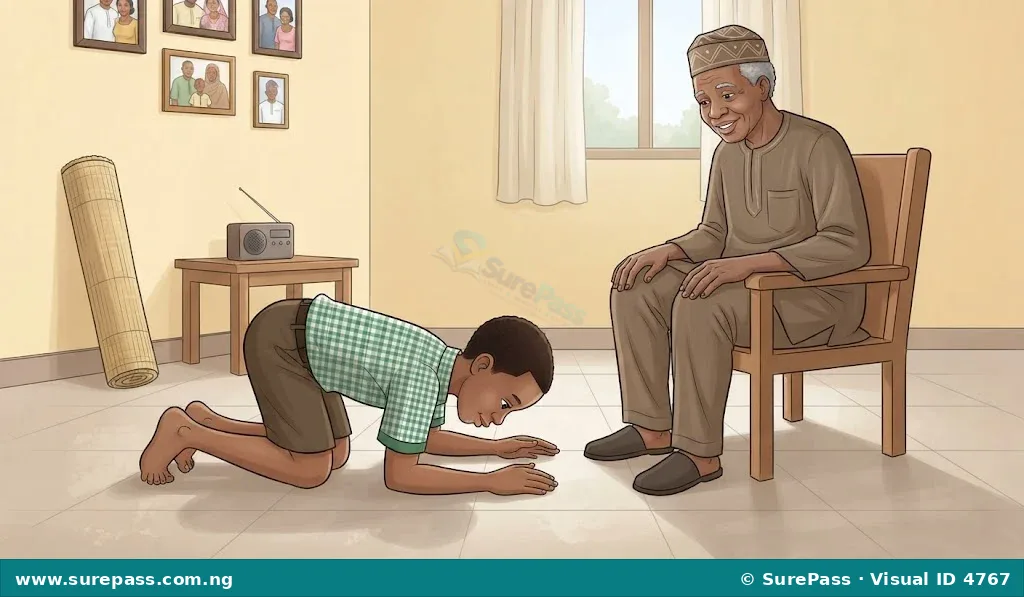
In many Nigerian cultures, showing respect to elders involves specific greetings like prostrating (for boys) or kneeling (for girls).
Hard Work
Hard work means putting a lot of effort into tasks and not being lazy. It involves being diligent and determined to complete tasks well.
A child who is hardworking will always try their best in school, help with chores at home, and complete any task given to them with dedication.
Good Manners
Good manners mean behaving politely and kindly towards everyone. It involves using polite words like “please,” “thank you,” and “excuse me.”
Children with good manners share their things, wait for their turn, and do not interrupt when others are speaking. They also keep their environment clean and tidy.
Punctuality
Punctuality means being on time for events, school, and appointments. It means arriving at the correct time and not being late.
A punctual child will get to school before the bell rings, submit assignments on the due date, and be ready for activities when they are supposed to start.
Importance of Cultural Values in a Child
Cultural values are very important for children because they help them grow into good and responsible members of society. These values have many benefits:
- Builds Good Character: Values like honesty and respect help children develop a strong and good character.
- Promotes Harmony: When children are respectful and have good manners, they get along well with family, friends, and teachers, leading to a peaceful environment.
- Encourages Success: Hard work and punctuality help children do well in their studies and other activities, preparing them for future success.
- Earns Trust and Respect: Children who show good values are trusted and respected by others in their community.
- Strengthens Community: When many children in a community practise good values, the community becomes stronger, more peaceful, and more cooperative.
- Preserves Culture: By learning and practising cultural values, children help to keep their culture and traditions alive for future generations.
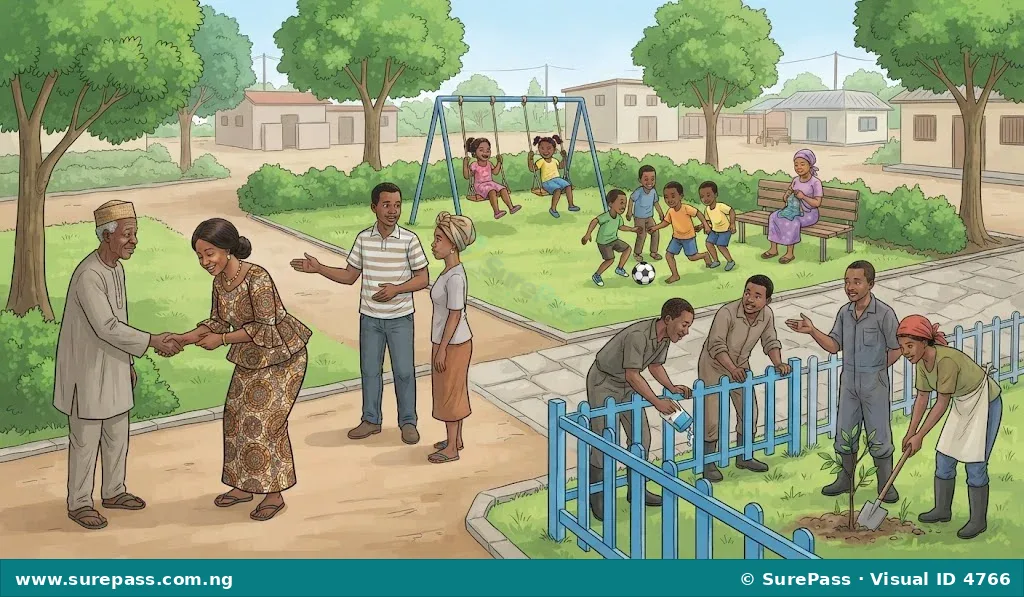
Demonstrating Cultural Values
Children can show cultural values through their actions every day. Practising these values makes a child a better person and helps them contribute positively to their family and community.
Demonstrating Honesty
Children can demonstrate honesty in the following ways:
- Always telling the truth, even when it is difficult.
- Returning lost items to their rightful owners.
- Admitting mistakes instead of hiding them or blaming others.
- Not cheating during tests or games.
Demonstrating Respect
Children can demonstrate respect through these actions:
- Greeting elders by prostrating, kneeling, or bowing, depending on their culture.
- Listening attentively when adults or teachers are speaking.
- Using polite words like “sir,” “ma,” “please,” and “thank you.”
- Not interrupting others when they are talking.
- Obeying parents and teachers.
Demonstrating Hard Work
Children can demonstrate hard work by:
- Completing all school assignments and homework diligently.
- Helping with household chores without being told.
- Studying regularly for examinations.
- Participating actively in school and community projects.
- Keeping their personal belongings and environment clean.
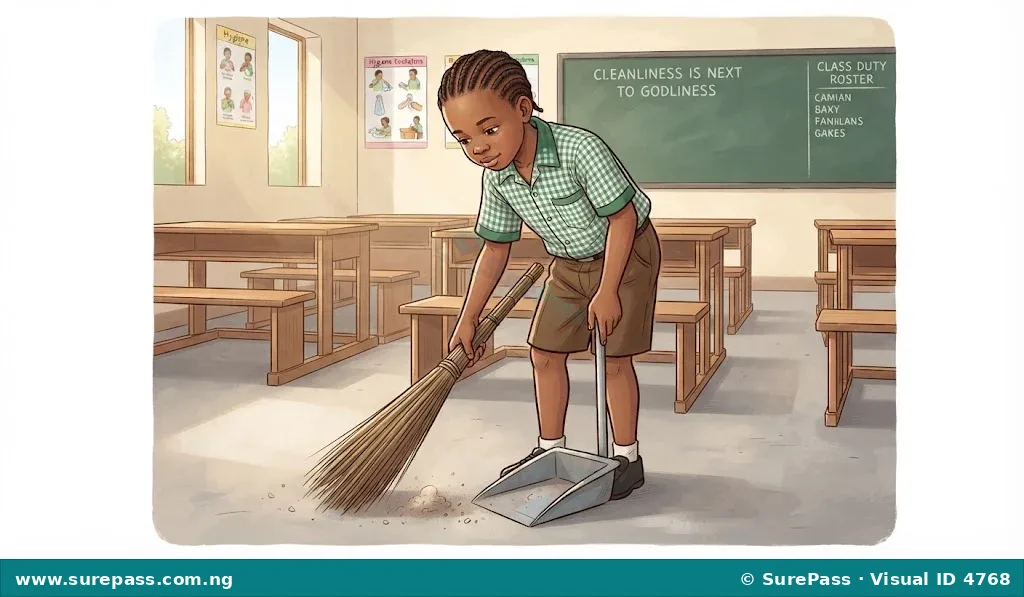
Demonstrating Good Manners
Children can demonstrate good manners by:
- Saying “please” when asking for something and “thank you” when receiving something.
- Saying “excuse me” when passing in front of someone or when needing to interrupt.
- Sharing toys, food, and other items with friends and siblings.
- Waiting for their turn in games or queues.
- Being neat and tidy in their appearance and surroundings.
Demonstrating Punctuality
Children can demonstrate punctuality by:
- Arriving at school on time every day.
- Submitting homework and assignments before or on the deadline.
- Being ready for family outings or school activities at the agreed time.
- Attending religious services or community gatherings promptly.



0 comments
Open the discussion when you need it. Comments stay collapsed until requested so the initial article remains light.