

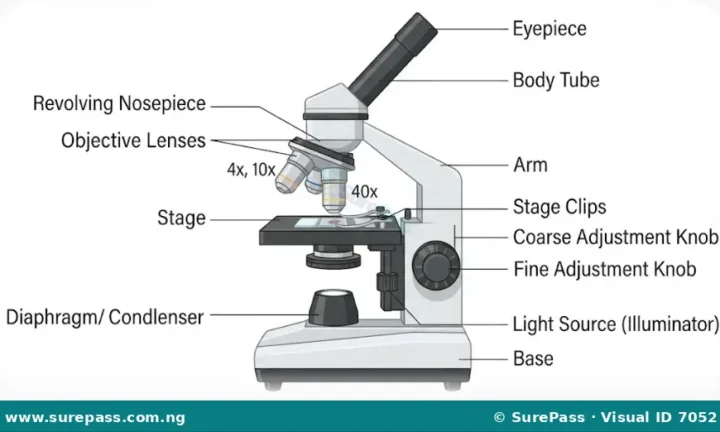
Laboratory Equipment, Functions, Use and Care for SS 1
Microscopes magnify tiny specimens; slides, beakers and measuring tools support biology experiments. Clean, careful handling protects results and equipment.
Read guide
Teacher/Educational Writer
Royal Alikor is an educator with six years of classroom teaching and three years of elementary school leadership experience and is still teaching. He develops and reviews practical, curriculum-aligned learning materials for Nigerian schools and teachers.
Lessons ◉ 17 views
Microscopes magnify tiny specimens; slides, beakers and measuring tools support biology experiments. Clean, careful handling protects results and equipment.
Read guide→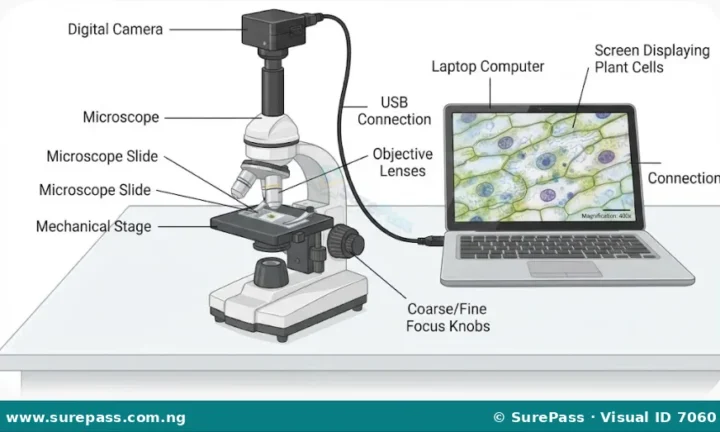 Lessons ◉ 22 views
ICT in biology supports research, digital microscopy and data records. Ethical use means protecting personal information and checking online sources.
Read guide→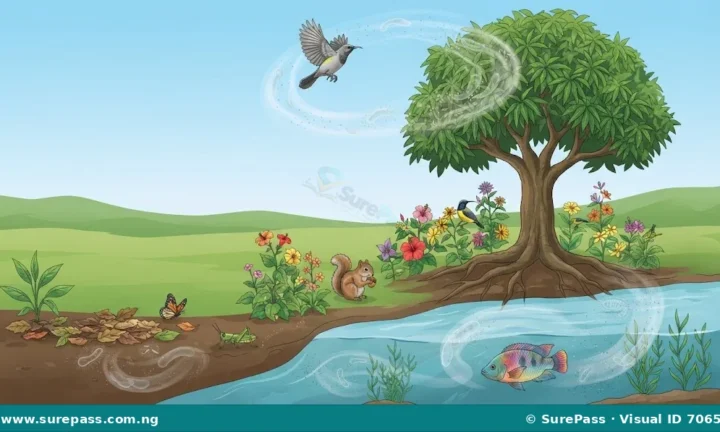 Lessons ◉ 15 views
Biology studies living organisms and life processes. Botany examines plants, zoology examines animals, and microbiology investigates microscopic life.
Read guide→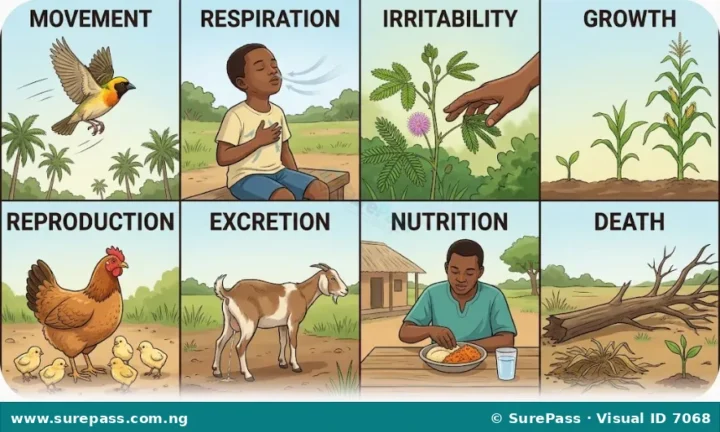 Lessons ◉ 10 views
Living things grow, respire, respond to stimuli and reproduce. Plants generally make food by photosynthesis, while animals obtain food by feeding.
Read guide→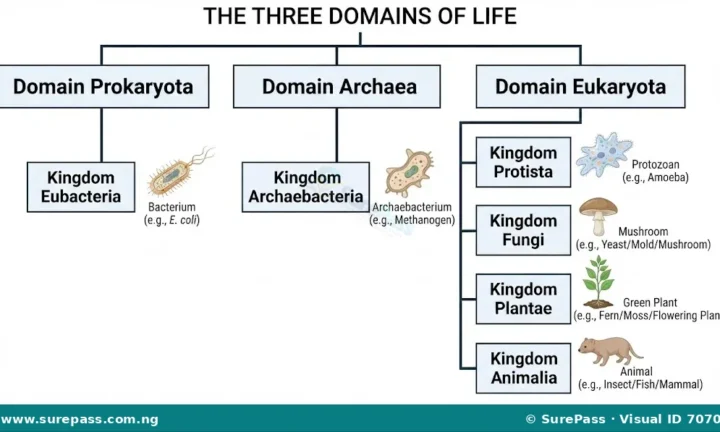 Lessons ◉ 4 views
Classification groups organisms by shared characteristics. Species belong within genera, families and larger taxonomic groups that show relatedness.
Read guide→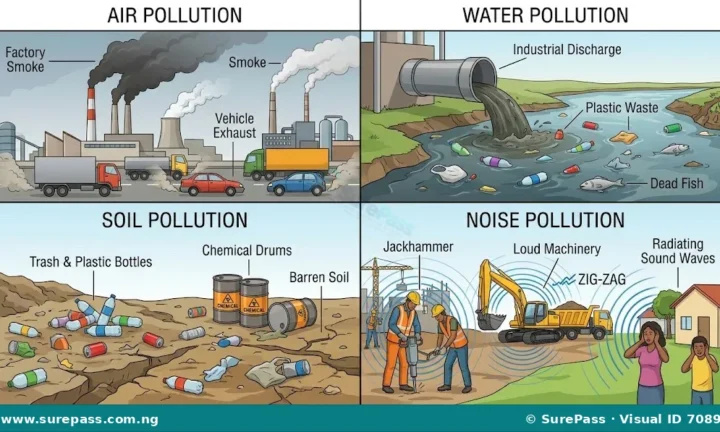 Lessons ◉ 0 views
Air, water, soil and noise pollution arise from harmful substances or activities. Waste control and cleaner practices reduce damage to health and ecosystems.
Read guide→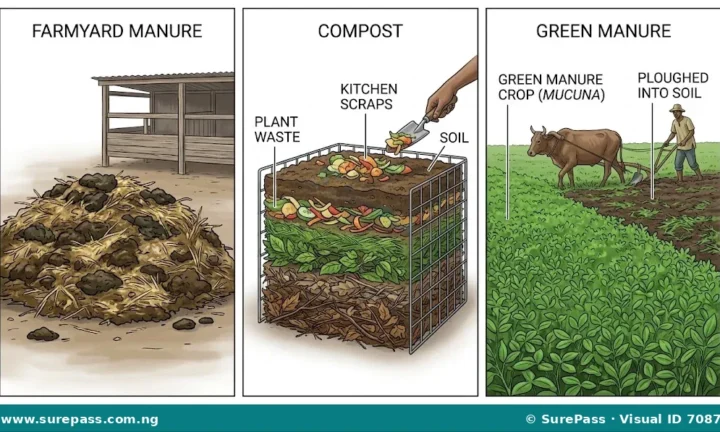 Lessons ◉ 0 views
Organic manure is made from decomposed plant or animal materials. Compost and animal dung return nutrients to soil and can improve its structure.
Read guide→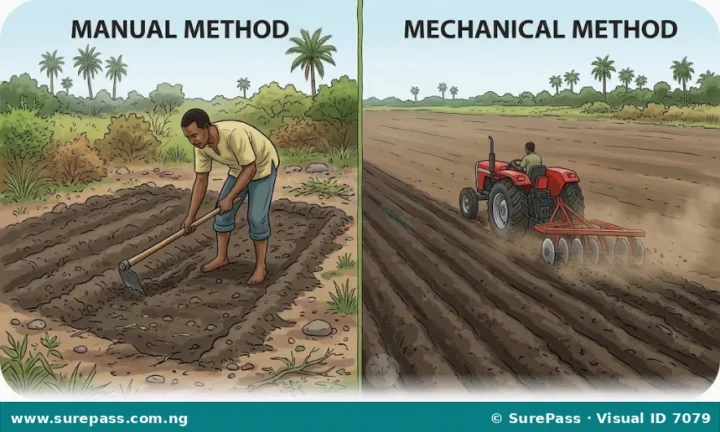 Lessons ◉ 0 views
Land preparation, sowing and irrigation help establish crops; animal husbandry covers feeding, breeding and care of livestock on a working farm.
Read guide→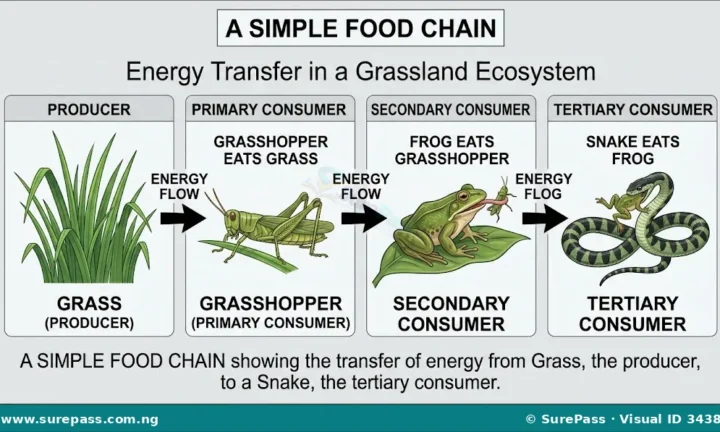 Lessons ◉ 0 views
Food chains show energy moving from producers to consumers and decomposers. Food webs reveal how multiple feeding relationships connect organisms.
Read guide→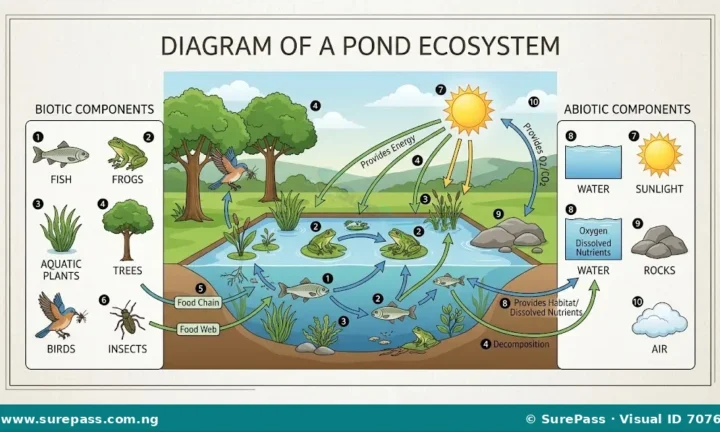 Lessons ◉ 0 views
An ecosystem includes organisms and their physical surroundings. Habitats provide living conditions, while niches describe organisms' ecological roles.
Read guide→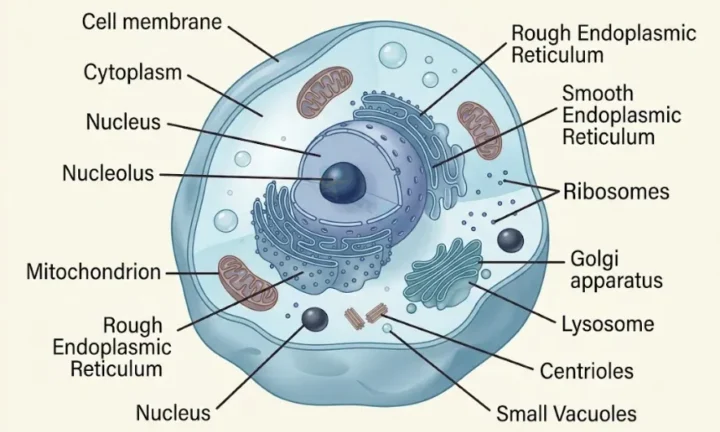 Lessons ◉ 16 views
Plant and animal cells share nuclei, membranes and cytoplasm, but typical plant cells also have rigid cell walls, large vacuoles and chloroplasts.
Read guide→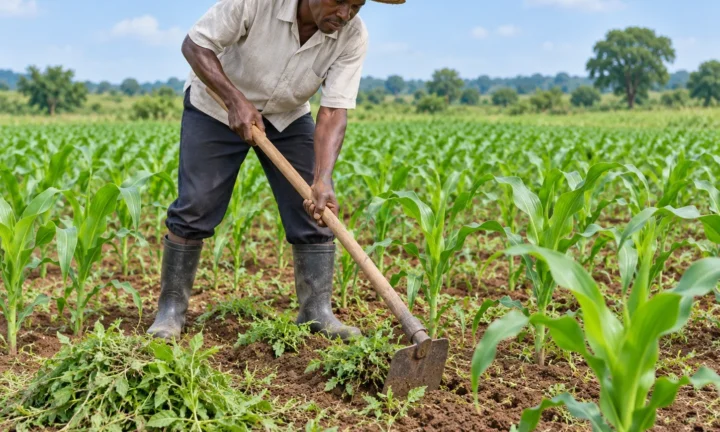 Lessons ◉ 1 views
Crop farming grows plants for food and materials, while animal farming raises livestock. Both need suitable feeding, care and management practices.
Read guide→Pick your class and subject. SurePass opens the matching lesson shelf and keeps the clock with you as you move around the site.
You stayed with it for 25 focused minutes. That counts.