


ARTICLE CONTENTSOn this page 7 sections
Crop and Animal Farming
Performance Objectives
By the end of the lesson, students should be able to:
- explain the meaning of crop and animal farming;
- explain the agronomical practices of selected crops;
- identify farm animals base on feeding habits and stomach compartments.
Agriculture is a vital sector in Nigeria, providing food, income, and employment. It involves two main branches: crop farming and animal farming. Understanding these practices is essential for successful agricultural production.
Meaning of Crop Farming
Crop farming is the cultivation of plants for food, fibre, fuel, or other human uses.
This practice involves preparing the land, planting seeds or seedlings, nurturing the plants, and harvesting the produce. Examples of crops include cereals like maize, legumes like groundnut, root crops like cassava, and various vegetables.
Meaning of Animal Farming
Animal farming, also known as animal husbandry or livestock farming, is the rearing of animals for human benefit.
This includes raising animals for meat, milk, eggs, wool, hides, or for use as draught animals. Common farm animals in Nigeria include cattle, goats, sheep, pigs, and poultry.
Agronomical Practices in Crop Farming
Agronomical practices are the methods and techniques used in crop production to ensure healthy plant growth and high yields.
These practices vary depending on the type of crop, soil conditions, and local climate. They aim to create the best possible environment for crops to thrive. Some common agronomical practices include land preparation, planting, weeding, fertiliser application, pest and disease control, and harvesting.
Agronomical Practices for Maize
Maize (corn) is a staple food crop widely grown in Nigeria. Its agronomical practices include:
- Land Preparation: This involves clearing the land, ploughing to loosen the soil, and harrowing to break up soil clods and level the field.
- Planting: Maize seeds are planted directly into the soil at recommended spacing and depth, usually at the beginning of the rainy season.
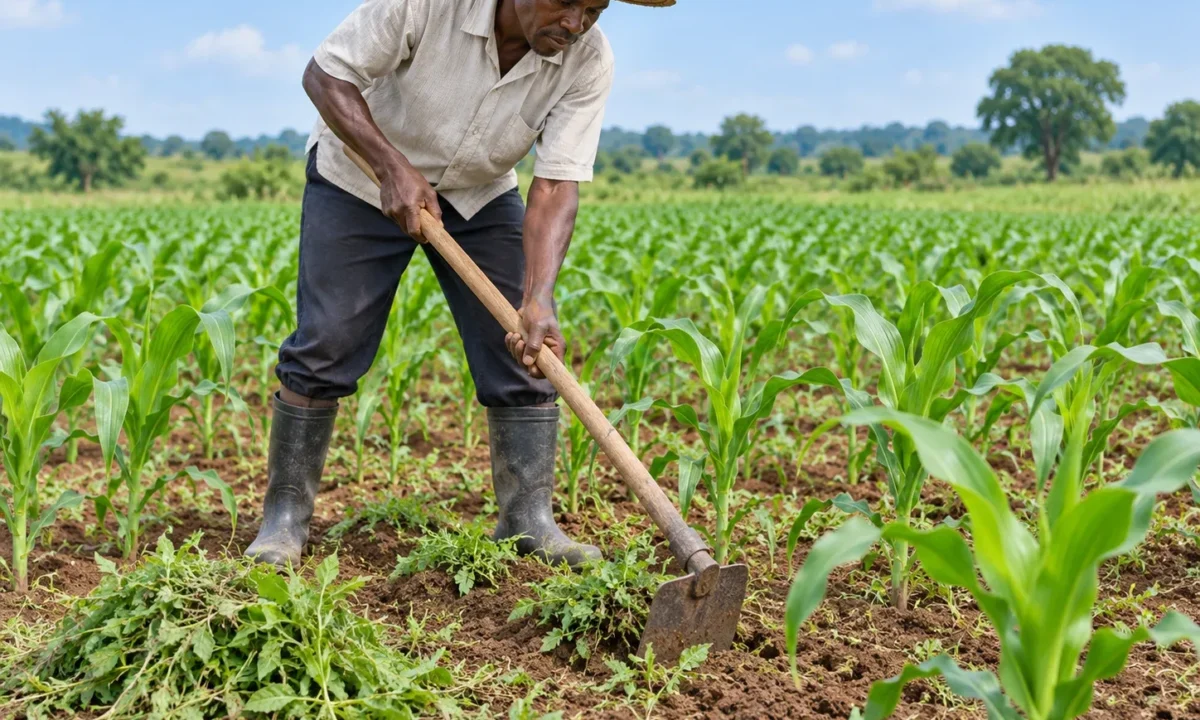
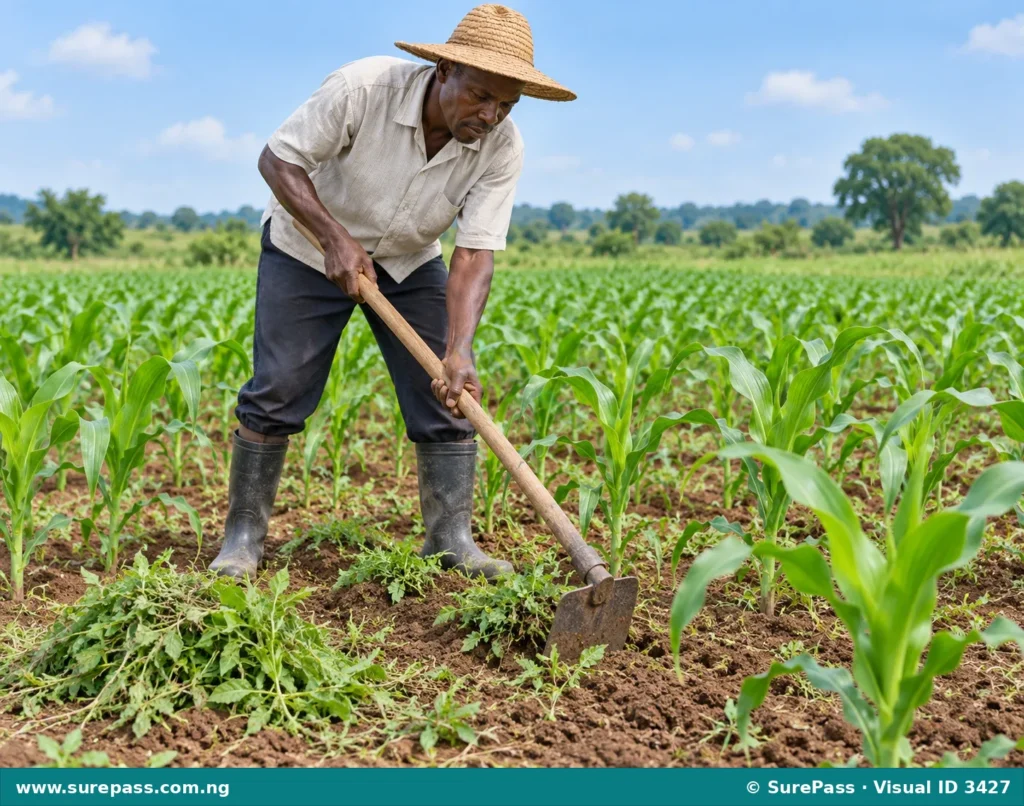
- Weeding: Weeds compete with maize for nutrients, water, and sunlight. Weeding is done manually with hoes or by applying herbicides.
- Fertiliser Application: Maize requires a good supply of nutrients. Fertilisers, such as NPK and urea, are applied at different stages of growth to boost yield.
- Pest and Disease Control: Pests like stem borers and diseases like maize streak virus can affect maize. Control measures include using resistant varieties, insecticides, and fungicides.
- Harvesting: Maize is harvested when the cobs are mature and dry, usually indicated by the drying of the husks.
Agronomical Practices for Groundnut
Groundnut (peanut) is an important legume crop grown for its edible oil and protein-rich seeds. Its agronomical practices include:
- Land Preparation: The land is cleared, ploughed, and harrowed to create a fine seedbed. Groundnuts prefer well-drained, sandy-loam soils.
- Planting: Groundnut seeds are planted directly into the soil at appropriate spacing, typically after the first rains.
- Weeding: Weeding is crucial, especially in the early stages, to prevent competition. Manual weeding is common.
- Fertiliser Application: Groundnuts are legumes and can fix nitrogen from the air, but they may still require phosphorus and potassium fertilisers, especially in poor soils.
- Pest and Disease Control: Pests like aphids and diseases like leaf spot can reduce yields. Control involves using resistant varieties and appropriate pesticides.
- Harvesting: Groundnuts are harvested when the leaves turn yellow and the pods are mature. The plants are usually dug up, and the pods are separated and dried.
Agronomical Practices for Cassava
Cassava is a major root crop, providing a significant source of carbohydrates. Its agronomical practices include:
- Land Preparation: Land is cleared, ploughed, and often ridged or mounded to improve drainage and root development.
- Planting: Cassava is propagated from stem cuttings, which are planted directly into the soil, usually at an angle.
- Weeding: Early and regular weeding is important as cassava grows slowly in its initial stages and can be easily outcompeted by weeds.
- Fertiliser Application: While cassava can grow in poor soils, applying NPK fertilisers can significantly improve root yield.
- Pest and Disease Control: Pests like cassava mealybug and diseases like cassava mosaic disease are common. Using resistant varieties and biological control methods are important.
- Harvesting: Cassava roots are harvested when they reach maturity, typically 8-12 months after planting, by digging them out of the soil.
Agronomical Practices for Vegetables
Vegetables, such as fluted pumpkin (ugu), amaranth (tete), and okra, are essential for nutrition. Their agronomical practices are generally similar but can vary by specific vegetable:
- Land Preparation: Land is cleared, ploughed, and harrowed to create a fine, loose seedbed. Raised beds are often used for better drainage.
- Planting: Seeds are either sown directly or seedlings are raised in nurseries and then transplanted.
- Watering: Vegetables require consistent moisture, so regular watering is essential, especially during dry periods.
- Weeding: Weeds are removed manually or through mulching to prevent competition.
- Fertiliser Application: Organic manures and inorganic fertilisers are applied to provide necessary nutrients for rapid growth.
- Pest and Disease Control: Vegetables are susceptible to various pests (e.g., aphids, leaf miners) and diseases (e.g., damping-off). Integrated pest management (IPM) strategies are used.
- Harvesting: Harvesting depends on the vegetable. Leafy vegetables are harvested by picking leaves, while fruits like okra are picked when tender.
Animal Farming and Feeding Habits
The feeding habits of farm animals are crucial for their health, growth, and productivity. Animals are broadly classified based on their digestive systems and how they process food.
Ruminant Animals
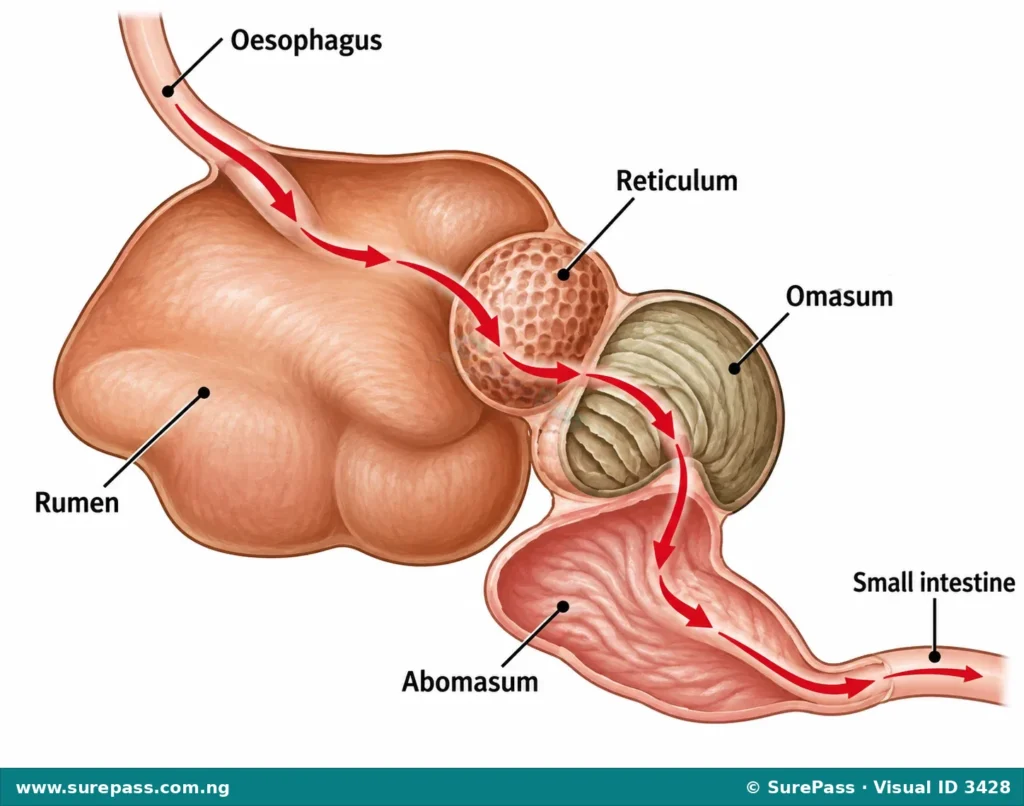
Ruminant animals are herbivores that have a unique digestive system with a four-chambered stomach, allowing them to digest tough plant material like grass and hay.
These animals chew their food, swallow it, and then regurgitate it to chew again (cud chewing). This process helps break down cellulose, a complex carbohydrate found in plant cell walls. The four stomach compartments are the rumen, reticulum, omasum, and abomasum.
- Rumen: The largest chamber, where fermentation by microbes breaks down plant material.
- Reticulum: Works with the rumen to mix food and form the cud.
- Omasum: Absorbs water and other nutrients from the digested food.
- Abomasum: The “true stomach,” similar to a simple stomach, where digestive enzymes break down food further.
Cattle are prime examples of ruminant animals. They primarily feed on grass, hay, and silage. Their ability to digest fibrous feed makes them efficient converters of pasture into meat and milk.
Non-Ruminant Animals
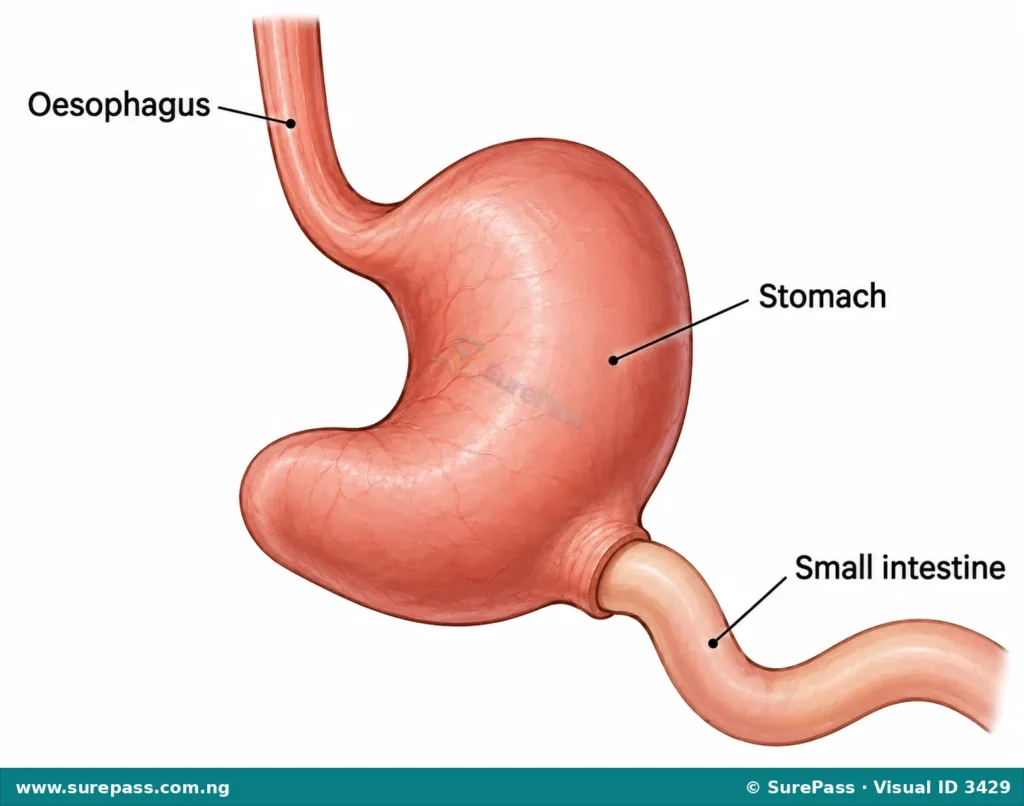
Non-ruminant animals, also known as monogastric animals, have a simple, single-chambered stomach, similar to humans.
They cannot efficiently digest large amounts of fibrous plant material like ruminants. Their diet typically consists of more concentrated feeds such as grains, protein supplements, and sometimes vegetables or fruits.
Pigs are common examples of non-ruminant farm animals. They are omnivores, meaning they can eat both plant and animal matter. Their diet in farming often includes commercial feeds made from maize, soybeans, and other ingredients, as well as kitchen scraps.
Identifying Farm Animals Based on Feeding Habits and Stomach Compartments
Identifying farm animals based on their feeding habits and stomach compartments helps in understanding their dietary needs and digestive processes. The key differences are:
- Cattle (Ruminant):
- Feeding Habit: Primarily herbivores, grazing on grass and forage. They chew cud.
- Stomach Compartments: Four-chambered stomach (rumen, reticulum, omasum, abomasum).
- Identification: Can be observed chewing cud for long periods, especially after feeding. Their diet is largely fibrous.
- Pigs (Non-Ruminant):
- Feeding Habit: Omnivores, eating a wide variety of plant and animal matter, including grains, roots, and protein sources. They do not chew cud.
- Stomach Compartments: Single-chambered stomach.
- Identification: Do not chew cud. Their diet is more varied and includes concentrated feeds.
By observing these characteristics, farmers can provide appropriate diets and management practices for different types of farm animals.


0 comments
Open the discussion when you need it. Comments stay collapsed until requested so the initial article remains light.