


ARTICLE CONTENTSOn this page 6 sections
Opportunities, Challenges and Solutions in Agricultural Value Chains
Performance Objectives
By the end of the lesson, students should be able to:
- outline opportunities in agricultural value chain;
- explain challenges in agricultural value chain;
- identify possible solutions to challenges in agricultural value chain.
Understanding the Agricultural Value Chain
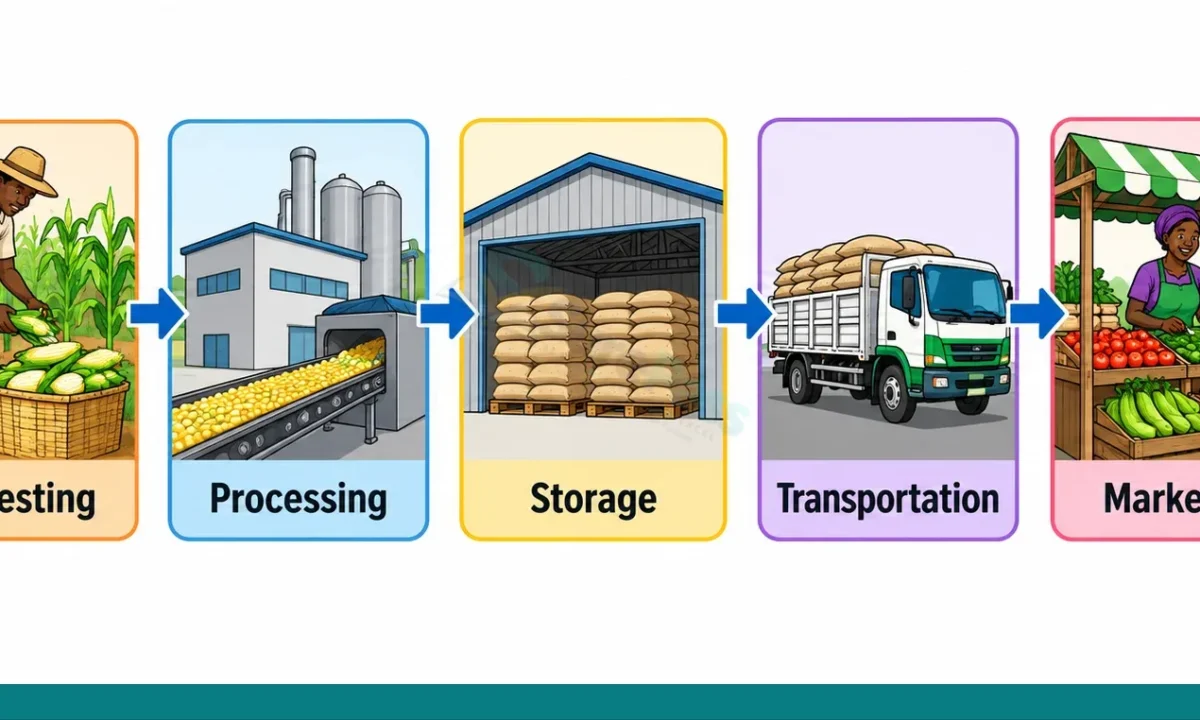
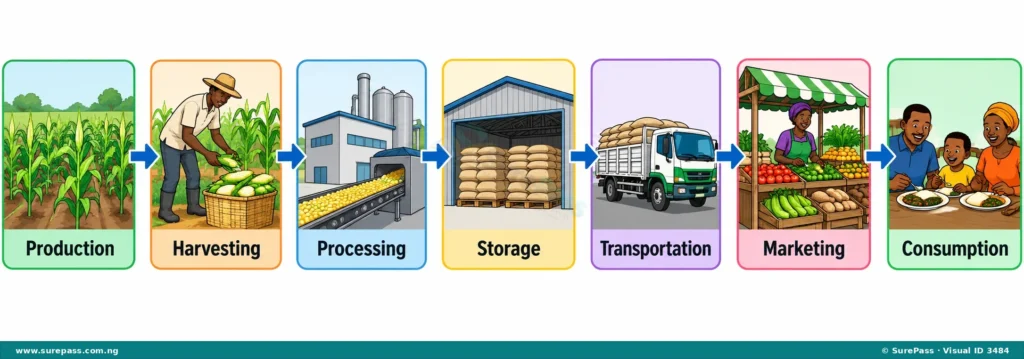
An agricultural value chain is the entire series of activities involved in getting an agricultural product from the farm to the final consumer. It includes all the steps from production, through processing, storage, transportation, and marketing, until the product is bought and used.
Each step in this chain adds value to the product. For example, harvesting a crop adds value by making it available. Processing it into a different form, like turning cassava into garri, adds more value. Transporting it to a market makes it accessible to consumers, adding further value.
Opportunities in the Agricultural Value Chain
The agricultural value chain offers many opportunities for individuals, businesses, and the economy. These opportunities exist at different stages of the chain, allowing various people to participate and earn a living.
Some key opportunities in the agricultural value chain include:
- Production: This is the starting point of the value chain, involving the actual farming of crops and rearing of livestock. Opportunities here include:
- Crop Cultivation: Growing food crops like maize, rice, yam, cassava, vegetables, and cash crops like cocoa, oil palm, and rubber.
- Livestock Rearing: Raising animals such as poultry (chickens, turkeys), cattle, goats, sheep, and pigs for meat, milk, and eggs.
- Aquaculture: Fish farming in ponds, tanks, or cages.
- Input Supply: Producing and selling essential farm inputs like improved seeds, fertilisers, pesticides, farm tools, and animal feed.
- Harvesting and Post-Harvest Handling: This stage involves gathering crops and preparing them for the next stage. Opportunities include:
- Harvesting Services: Providing labour or machinery for harvesting crops.
- Sorting and Grading: Separating products by quality, size, or type to increase their market value.
- Packaging: Preparing products in suitable containers for storage or sale.
- Processing: This involves transforming raw agricultural products into finished or semi-finished goods. Opportunities include:
- Milling: Turning grains like rice and maize into flour.
- Drying: Preserving crops like cassava, yam, and fruits.
- Oil Extraction: Producing palm oil, groundnut oil, or soybean oil.
- Dairy Processing: Making milk, yoghurt, and cheese from animal milk.
- Meat Processing: Turning livestock into various meat products.
- Storage: Keeping agricultural products safe and fresh until they are needed or sold. Opportunities include:
- Warehouse Operations: Managing storage facilities for grains, tubers, and other non-perishable goods.
- Cold Storage: Providing refrigerated storage for perishable items like fruits, vegetables, meat, and fish.
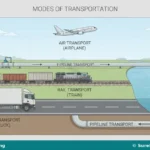
- Transportation: Moving products from farms to processing centres, markets, or consumers. Opportunities include:
- Logistics Services: Operating trucks, vans, or other vehicles for agricultural produce transport.
- Delivery Services: Specialised delivery for fresh produce to urban areas.
- Marketing and Distribution: Connecting producers with consumers and facilitating sales. Opportunities include:
- Wholesale and Retail: Buying in bulk from farmers and selling to retailers or directly to consumers.
- Export: Selling Nigerian agricultural products to international markets.
- Market Information Services: Providing farmers with current market prices and demand trends.
Challenges in the Agricultural Value Chain
Despite the numerous opportunities, the agricultural value chain in Nigeria faces significant challenges that hinder its growth and efficiency. Addressing these challenges is crucial for unlocking the full potential of the sector.
Some major challenges in the agricultural value chain include:
- Limited Finance: Farmers and other actors in the value chain often struggle to access loans or credit facilities from banks and financial institutions. This limits their ability to invest in improved seeds, modern equipment, processing machinery, or better storage facilities.
- Poor Infrastructure: Inadequate infrastructure is a major bottleneck. This includes:
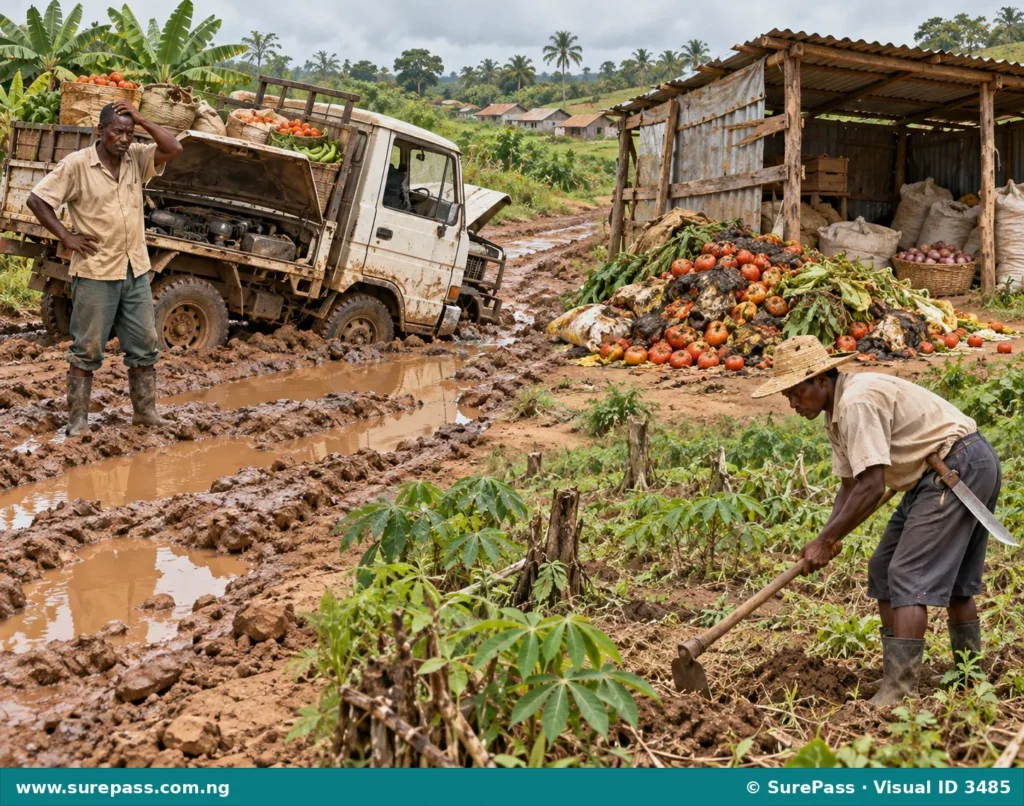
- Bad Roads: Many rural roads are in poor condition, making it difficult and expensive to transport farm produce to markets, especially during rainy seasons.
- Lack of Electricity: Irregular or non-existent power supply affects processing, storage (e.g., cold rooms), and irrigation systems.
- Inadequate Water Supply: Limited access to irrigation systems means farmers rely heavily on rainfall, making them vulnerable to drought or excessive rain.
- Poor Storage Facilities: A significant portion of harvested crops is lost due to spoilage, pests, and diseases because of a lack of proper storage facilities like silos, cold rooms, or modern barns. This leads to huge post-harvest losses.
- Inadequate Market Access: Farmers often struggle to find reliable markets for their produce. They may be forced to sell at very low prices to middlemen, or their produce may spoil before reaching consumers. Lack of market information also contributes to this challenge.
- Lack of Modern Technology and Skills: Many farmers still use traditional farming methods and tools, which are less efficient and yield lower outputs. There is also a lack of training and knowledge in modern farming techniques, processing, and value addition.
- Pest and Disease Outbreaks: Crops and livestock are frequently affected by pests and diseases, leading to significant losses in yield and income for farmers.
- Climate Change Impacts: Unpredictable weather patterns, including prolonged droughts, heavy floods, and changes in rainfall, negatively affect agricultural production and increase risks for farmers.
- Insecurity: Incidents of banditry, kidnapping, and communal clashes in some farming communities disrupt farming activities, displace farmers, and make it unsafe to transport produce.
Solutions to Challenges in the Agricultural Value Chain
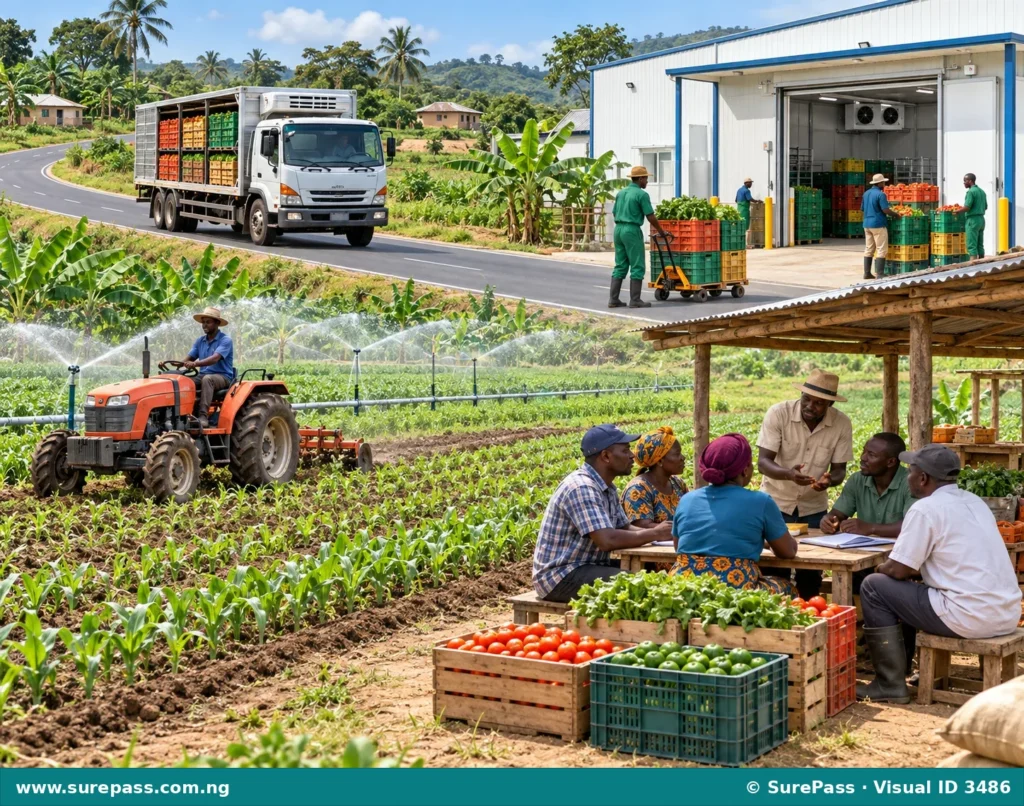
Addressing the challenges in the agricultural value chain requires a multi-faceted approach involving government, private sector, farmers, and communities. Implementing effective solutions can boost agricultural productivity, reduce losses, and improve the livelihoods of those involved.
Possible solutions to these challenges include:
- Improved Access to Finance:
- Microfinance and Agricultural Loans: Establishing and strengthening microfinance banks and agricultural development banks to provide accessible and affordable loans to farmers and small-scale processors.
- Grants and Subsidies: Government provision of grants and subsidies for essential farm inputs and equipment.
- Development of Infrastructure:
- Road Construction and Rehabilitation: Investing in the construction and maintenance of rural roads to facilitate easier transportation of farm produce.
- Electricity Supply: Ensuring stable electricity supply to rural areas to support processing and storage facilities, or promoting solar-powered solutions.
- Irrigation Systems: Developing and maintaining irrigation schemes to reduce reliance on rainfall and enable year-round farming.
- Better Storage Facilities:
- Modern Storage Solutions: Promoting the construction of modern silos, cold storage facilities, and improved barns to minimise post-harvest losses.
- Community Storage Centres: Establishing community-level storage centres that farmers can access.
- Enhanced Market Access:
- Market Information Systems: Developing platforms (e.g., mobile apps, radio programmes) to provide farmers with real-time market prices and demand information.
- Farmer Cooperatives: Encouraging farmers to form cooperatives to collectively market their produce, giving them stronger bargaining power.
- Direct Linkages: Facilitating direct connections between farmers and buyers (e.g., food processing companies, supermarkets).
- Technology Adoption and Capacity Building:
- Modern Farming Techniques: Training farmers on the use of improved seeds, fertilisers, pest control methods, and mechanised farming equipment.
- Extension Services: Strengthening agricultural extension services to provide farmers with expert advice and support.
- Value Addition Training: Educating farmers and processors on techniques for processing raw materials into higher-value products.
- Pest and Disease Management:
- Integrated Pest Management (IPM): Promoting sustainable methods to control pests and diseases, including the use of resistant crop varieties and biological controls.
- Veterinary Services: Ensuring access to affordable veterinary services for livestock farmers.
- Climate Change Adaptation:
- Climate-Resilient Crops: Promoting the cultivation of crop varieties that can withstand harsh weather conditions.
- Early Warning Systems: Providing farmers with timely weather forecasts and climate information.
- Security Measures:
- Community Policing: Strengthening local security networks and community policing to protect farming communities.
- Government Intervention: Deploying security forces to secure agricultural areas and transport routes.


0 comments
Open the discussion when you need it. Comments stay collapsed until requested so the initial article remains light.