


ARTICLE CONTENTSOn this page 6 sections
Simple Farm Tools
Performance Objectives
By the end of the lesson, students should be able to:
- explain simple farm tools;
- identify basic common uses of simple farm tools;
- discuss the importance of using the right farm tools;
- utilize farm tools.
What Are Simple Farm Tools?
Simple farm tools are basic hand-operated instruments used by farmers to perform various tasks on the farm.
These tools are usually small, easy to handle, and do not require complex machinery or electricity to operate. They are essential for preparing land, planting, weeding, harvesting, and other daily farming activities, making work easier and more efficient for farmers.
Examples of Simple Farm Tools and Their Uses
Many different simple farm tools are used depending on the specific task and type of farming. Each tool is designed for a particular purpose, helping farmers to work effectively.
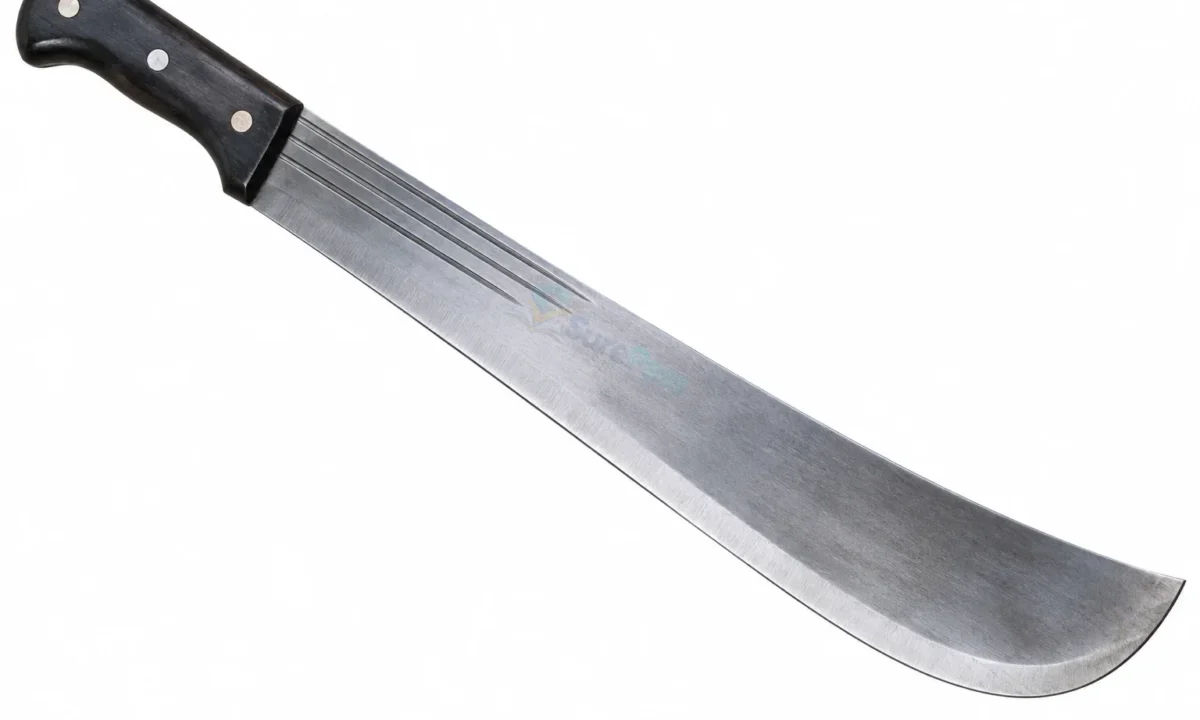
The Cutlass
A cutlass is a long, heavy knife with a broad blade, often curved, used for cutting and clearing vegetation.
The primary use of a cutlass on the farm is for clearing bush and removing unwanted plants from farmland. It is also used for cutting down small trees, pruning branches, and preparing land for cultivation by removing weeds and shrubs.
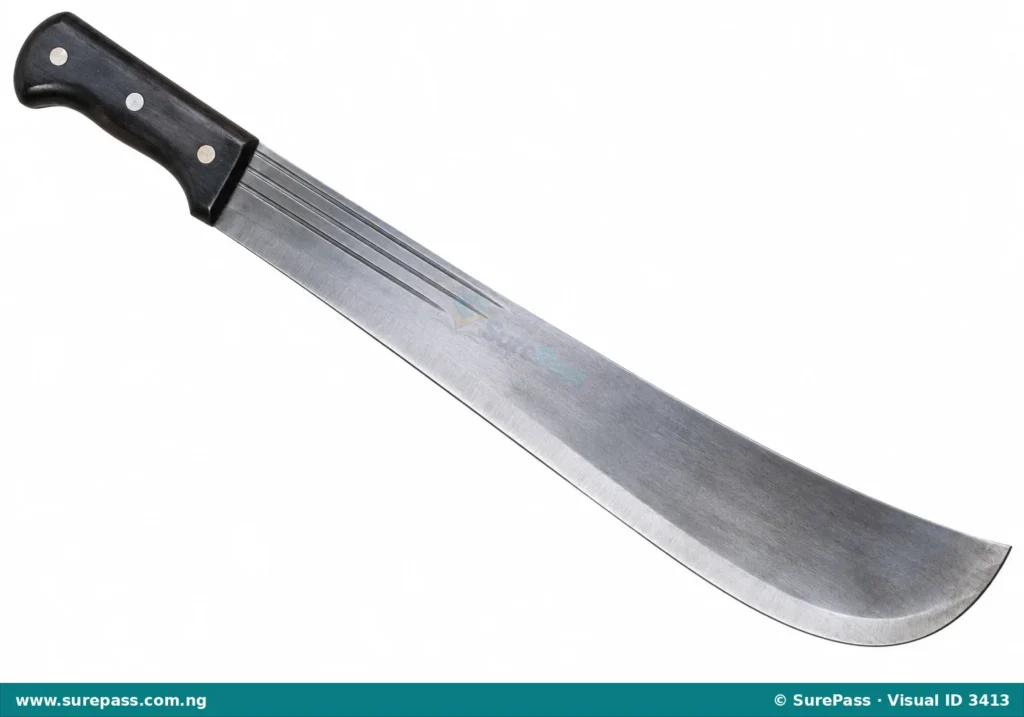
The Hoe
A hoe is a versatile hand tool consisting of a blade attached to a long handle, used for shaping soil, removing weeds, and harvesting root crops.
The main use of a hoe is for tilling the soil, which involves breaking up compacted soil, preparing seedbeds, and creating ridges or mounds for planting. Hoes are also effective for weeding, loosening soil around plants, and digging shallow trenches.
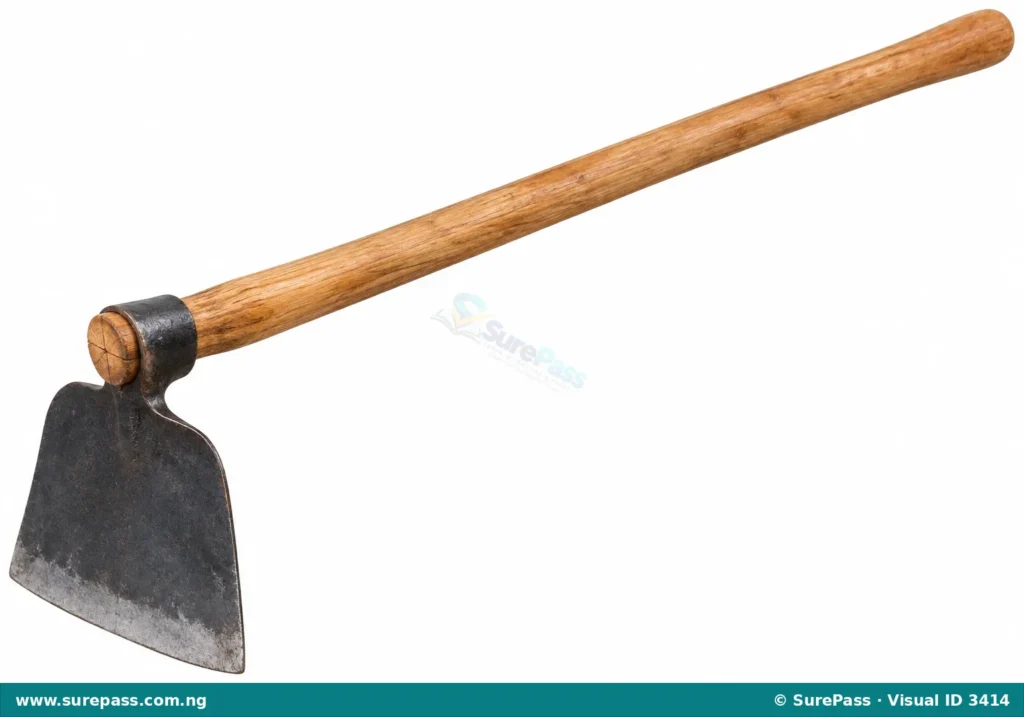
The Rake
A rake is a tool with a long handle and a head comprising a row of teeth or tines, used for gathering leaves, hay, grass, or for levelling soil.
On the farm, a rake is primarily used for levelling seedbeds, which means smoothing out the soil surface after tilling to create an even area for planting seeds. It is also used for gathering loose debris, spreading compost, and removing small stones from the soil surface.
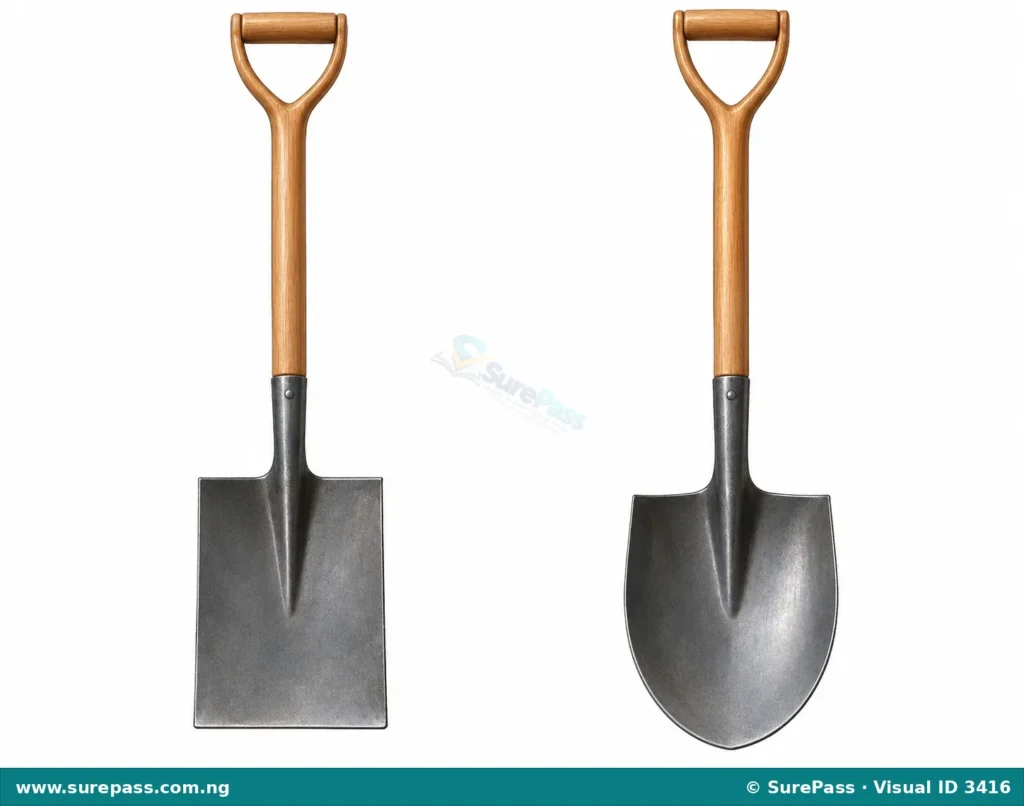
The Spade and Shovel
A spade is a tool with a flat, sharp-edged blade and a handle, designed for digging and cutting into soil.
A shovel is a tool with a broad, scooped blade and a handle, used for scooping and moving loose materials like soil, sand, or gravel.
Both spades and shovels are essential for digging holes, transplanting seedlings, mixing soil, and moving various materials around the farm. Spades are particularly good for cutting through roots and compacted soil, while shovels are more efficient for scooping and lifting loose soil.
Importance of Using the Right Farm Tools
Using the correct farm tool for a specific task is crucial for several reasons. It directly impacts the effectiveness of the work, the safety of the farmer, and the overall success of farming activities.
- Efficiency and Productivity: The right tool makes a task easier and faster to complete. For example, using a hoe to till soil is far more efficient than trying to do it with bare hands. This increases productivity, allowing more work to be done in less time.
- Quality of Work: Each tool is designed for a specific function, ensuring that the task is performed correctly. A rake, for instance, creates a smooth, level seedbed, which is important for uniform seed germination. Using an inappropriate tool might result in poor quality work.
- Safety: Using the wrong tool can be dangerous. A cutlass is designed for cutting, but using it for digging can lead to accidents. Tools like spades and shovels are designed to handle soil and other materials safely, reducing the risk of injury compared to using hands or makeshift items.
- Reduced Effort and Fatigue: Properly designed tools reduce the physical strain on the farmer. This means less fatigue and discomfort, allowing the farmer to work longer and more comfortably.
- Tool Longevity: When a tool is used for its intended purpose, it is less likely to be damaged or worn out quickly. Misusing a tool can lead to breakage, requiring costly repairs or replacements.
How to Utilise Farm Tools Safely and Effectively
Utilising farm tools involves not just knowing their uses but also handling them correctly and safely. Proper technique ensures efficiency, prevents injury, and prolongs the life of the tools.
General Safety Precautions for Farm Tools
Before using any farm tool, it is important to observe general safety guidelines:
- Always inspect tools for damage before use. Ensure handles are firm and blades are sharp and secure.
- Wear appropriate protective gear, such as gloves and sturdy footwear, especially when handling sharp or heavy tools.
- Keep tools clean and sharp. Dull tools require more effort and can be more dangerous.
- Store tools properly after use, in a designated area, away from children and animals.
- Never leave tools lying around where they can cause trips or injuries.
- Always carry sharp tools with the blade pointing downwards and away from the body.
- Do not use tools for purposes they were not designed for.
- Seek adult supervision or assistance when using heavy or potentially dangerous tools like a cutlass.
How to Use a Cutlass for Clearing Bush
The cutlass is a powerful tool for clearing vegetation, but it requires careful handling.
The procedure involves the following steps:
- Grip the Cutlass: Hold the cutlass firmly with both hands. One hand should be near the blade for control, and the other at the end of the handle for leverage.
- Maintain Stance: Stand with feet shoulder-width apart, maintaining a balanced posture. Ensure there is enough clear space around to swing the cutlass safely.
- Identify Target: Focus on the bush or plant to be cut. Ensure no other person or object is within the swing path.
- Swing and Cut: Swing the cutlass in a controlled, downward arc towards the base of the plant. Use a steady, powerful motion. Avoid wild or uncontrolled swings.
- Clear Debris: After cutting, use the cutlass or a rake to pull the cleared vegetation away from the work area.
- Rest and Hydrate: Clearing bush can be tiring. Take regular breaks and drink water to stay hydrated.
How to Use a Hoe for Tilling Soil
Using a hoe effectively helps in preparing the soil for planting.
The procedure involves the following steps:
- Grip the Hoe: Hold the hoe firmly with both hands on the handle. One hand should be closer to the blade for control, and the other higher up for leverage.
- Position Yourself: Stand facing the area of soil to be tilled. Keep your back straight and bend your knees slightly to use your leg muscles.
- Dig into Soil: Place the blade of the hoe on the soil surface. Use your body weight and a downward push to drive the blade into the soil.
- Pull and Break: Pull the hoe towards your body, lifting and turning the soil to break up clumps. Repeat this motion, working systematically across the area.
- Create Seedbeds (if needed): For creating ridges or mounds, use the hoe to gather soil into the desired shape.
- Clean the Blade: Periodically clean soil from the hoe blade to maintain its effectiveness.



0 comments
Open the discussion when you need it. Comments stay collapsed until requested so the initial article remains light.