



ARTICLE CONTENTSOn this page 7 sections
Organic Farming
Performance Objectives
By the end of the lesson, students should be able to:
- explain meaning of organic farming;
- outline organic farming practices;
- differentiate between organic and conventional farming;
- produce local manure.
Introduction to Organic Farming
Farming methods have evolved over time, with different approaches to growing crops and raising livestock. Two major approaches are organic farming and conventional farming. Organic farming is a method that focuses on working with nature to produce food, while conventional farming often relies on synthetic inputs to maximise yield.
Understanding these different approaches helps farmers make informed decisions about how to manage their land and produce healthy food for the community.
Meaning of Organic Farming
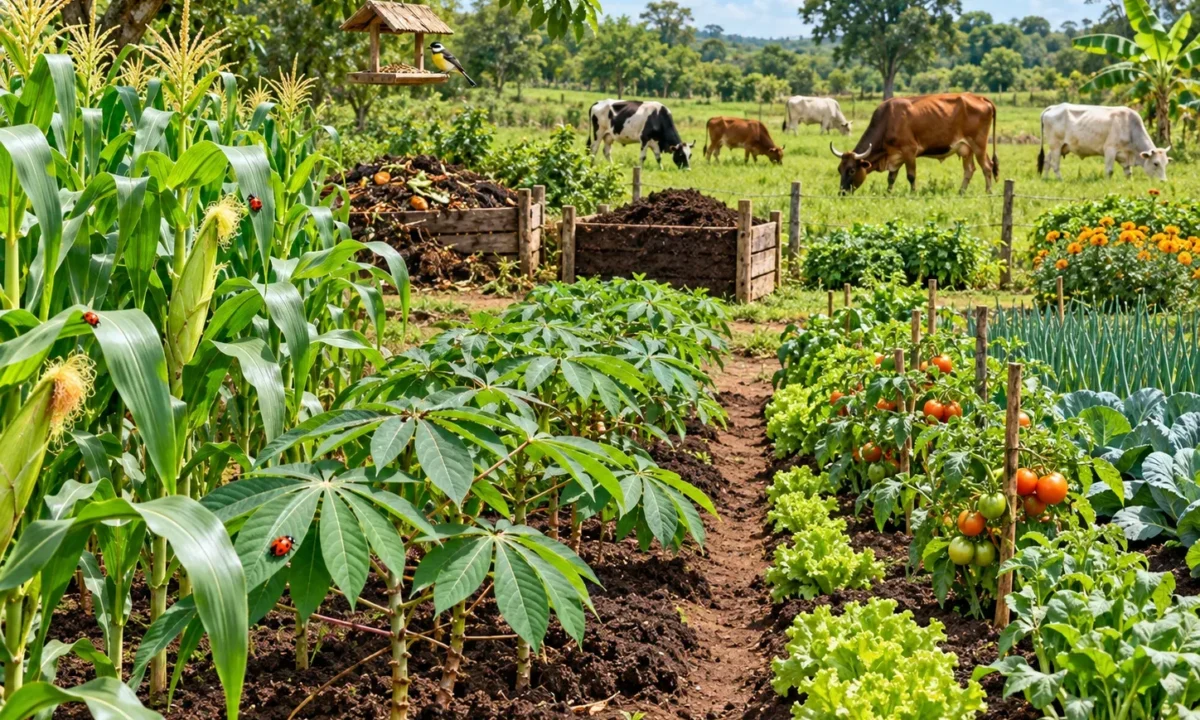
Organic farming is a method of crop and livestock production that involves much more than choosing not to use pesticides, fertilisers, genetically modified organisms (GMOs), antibiotics, and growth hormones.
It is a holistic system designed to sustain the health of soils, ecosystems, and people. It relies on ecological processes, biodiversity, and cycles adapted to local conditions, rather than the use of inputs with adverse effects. Organic farming combines tradition, innovation, and science to benefit the shared environment and promote fair relationships and a good quality of life for all involved.
Organic Farming Practices
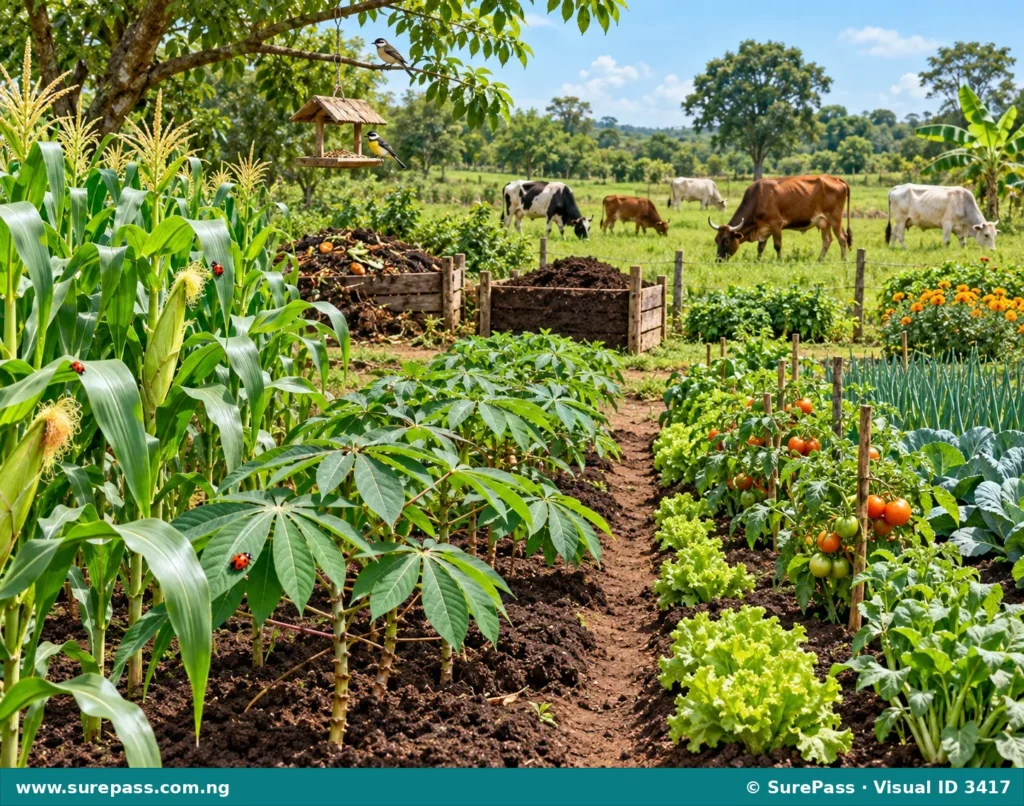
Organic farming uses specific practices to maintain soil fertility, control pests and diseases, and manage weeds without relying on synthetic chemicals. These practices aim to create a balanced farm ecosystem.
-
Organic Manure
Organic manure refers to natural materials derived from plant and animal waste that are used to enrich the soil and provide nutrients to crops. These materials improve soil structure, water retention, and microbial activity, which are essential for healthy plant growth.
Examples of organic manure include:
- Compost: Decomposed organic matter from plant residues, food scraps, and animal waste.
- Animal Dung: Faeces from farm animals like cattle, goats, sheep, and poultry.
- Green Manure: Crops grown specifically to be ploughed back into the soil to improve its fertility.
- Crop Residues: Leftover parts of plants after harvest, such as stalks, leaves, and roots.
-
Biological Pest Control
Biological pest control is a method of controlling pests using other living organisms, known as natural enemies. This approach avoids the use of synthetic pesticides, which can harm beneficial insects and the environment.
Examples of biological pest control methods include:
- Natural Predators: Introducing or encouraging insects like ladybugs, which feed on aphids, or birds that eat insect pests.
- Parasitoids: Using insects that lay their eggs inside or on other pest insects, eventually killing them.
- Pathogens: Applying disease-causing microorganisms (like bacteria or fungi) that specifically target pests.
- Traps: Using physical traps, such as sticky traps or pheromone traps, to capture and remove pests.
-
Crop Rotation
Crop rotation involves growing different types of crops in the same area in sequential seasons. This practice helps to maintain soil fertility, reduce pest and disease build-up, and improve soil structure. For example, a farmer might plant maize one season, followed by beans (a legume that adds nitrogen to the soil) the next season, and then cassava.
-
Cover Cropping
Cover crops are plants grown primarily to cover the soil rather than for harvest. They protect the soil from erosion, suppress weeds, improve soil structure, and add organic matter when they are later incorporated into the soil. Examples include legumes like mucuna or sunn hemp.
Differences Between Organic and Conventional Farming
Organic farming and conventional farming have distinct approaches to agricultural production. The table below highlights some key differences between these two farming systems:
| Feature | Organic Farming | Conventional Farming |
|---|---|---|
| Fertilisers | Uses natural fertilisers like compost, animal manure, and green manure. | Relies on synthetic chemical fertilisers. |
| Pest Control | Employs biological pest control (natural predators), crop rotation, and cultural practices. | Uses synthetic chemical pesticides. |
| Weed Control | Uses cultural practices like hand weeding, mulching, and crop rotation. | Relies on synthetic chemical herbicides. |
| Genetically Modified Organisms (GMOs) | Does not permit the use of GMOs. | Often uses GMO seeds to improve yield or pest resistance. |
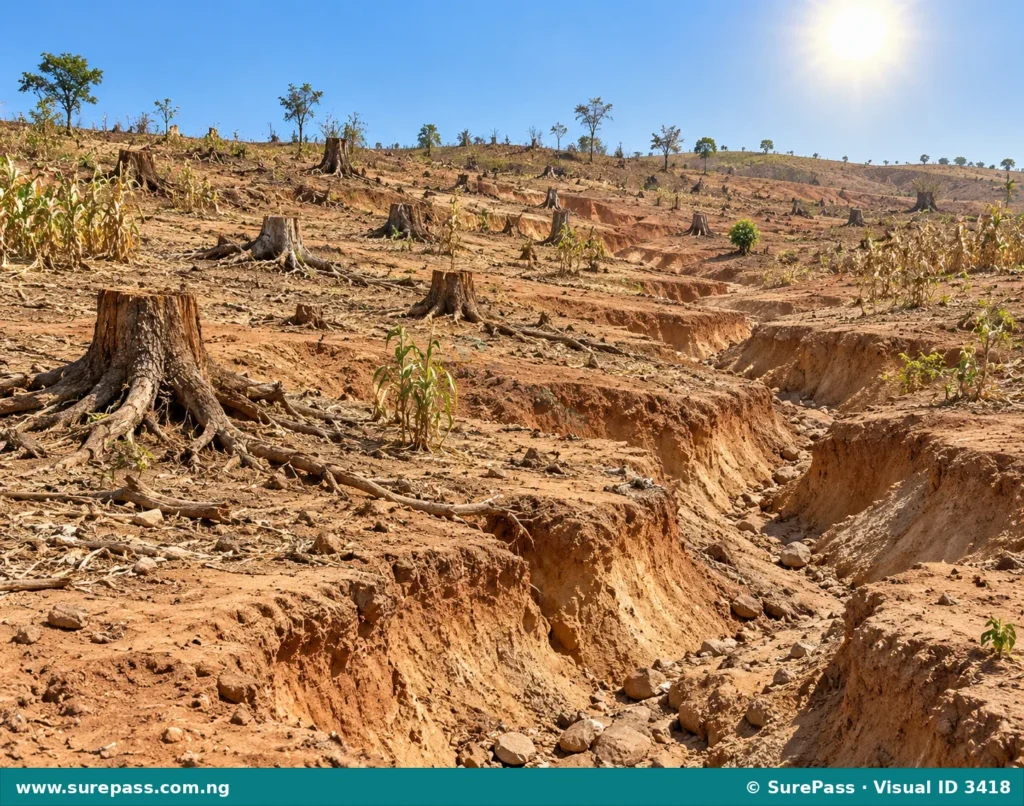
| Soil Management | Focuses on building soil health and fertility through organic matter. | May lead to soil degradation if not managed properly, due to heavy reliance on chemicals. |
| Livestock Management | Emphasises animal welfare, natural diets, and prohibits routine use of antibiotics and growth hormones. | May use antibiotics and growth hormones to promote growth and prevent disease. |
Producing Local Manure (Composting)
Composting is a natural process of recycling organic matter, such as leaves and food scraps, into a valuable fertiliser known as compost. This skill helps farmers reduce the cost of purchasing synthetic fertilisers and ensures environmental standards by recycling waste.
How to Make Compost Manure
Making compost involves layering different organic materials and allowing them to decompose over time. This process creates nutrient-rich soil amendment.
The required materials are:
- Plant residues (e.g., dry leaves, grass clippings, straw, maize stalks, cassava peels)
- Animal dung (e.g., cow dung, goat droppings, poultry droppings)
- Water
- A shovel or fork
- A suitable location for the compost pile (shaded area, well-drained)
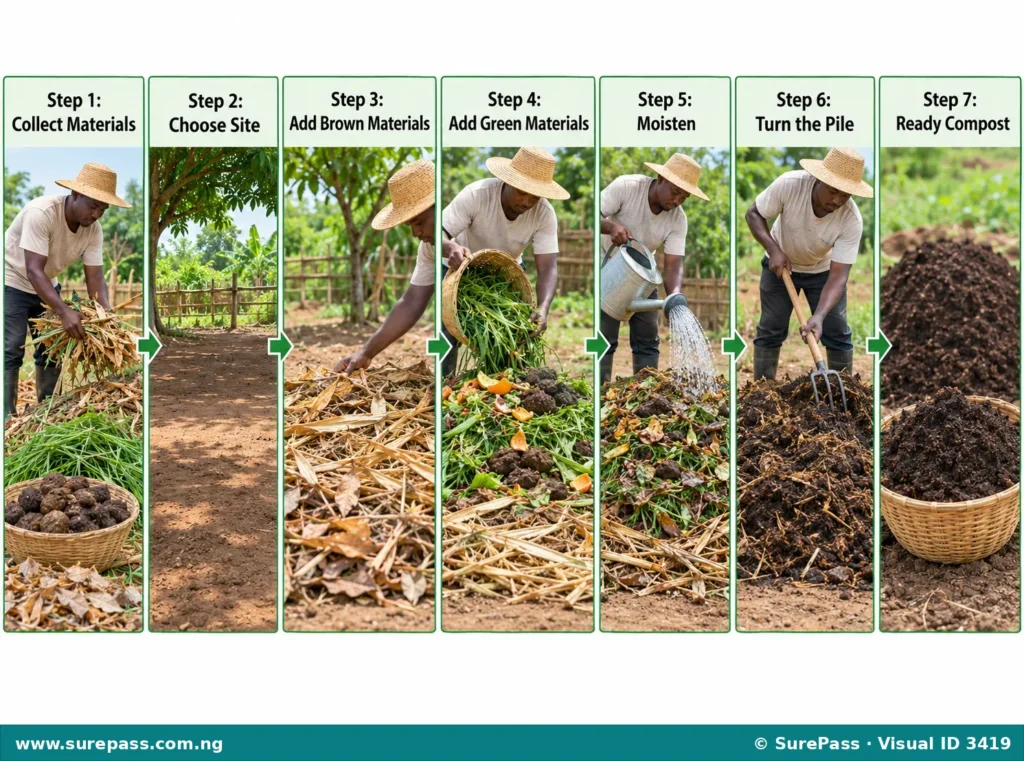
The procedure involves the following steps:
- Choose a Location: Select a shaded, well-drained spot in your farm or compound. The spot should be easily accessible for adding materials and turning the pile.
- Start with a Base Layer: Begin by laying a 15-20 cm thick layer of coarse, woody material (like small branches or maize stalks) at the bottom. This helps with aeration and drainage.
- Add Brown Materials: Place a layer of “brown” materials, which are rich in carbon. Examples include dry leaves, straw, or sawdust. Make this layer about 10-15 cm thick.
- Add Green Materials: Next, add a layer of “green” materials, which are rich in nitrogen. Examples include fresh grass clippings, vegetable scraps, or fresh animal dung. This layer should be about 5-10 cm thick.
- Add a Thin Layer of Soil or Manure: Sprinkle a thin layer of garden soil or a small amount of finished compost/animal dung over the green layer. This introduces microorganisms that help with decomposition.
- Moisten the Pile: Water each layer lightly as you build the pile. The compost pile should be moist like a wrung-out sponge, not soaking wet.
- Repeat Layers: Continue adding alternating layers of brown materials, green materials, and thin layers of soil/manure, moistening each layer as you go. Build the pile to a height of about 1 to 1.5 metres.
- Turn the Pile: Every 1-2 weeks, use a shovel or fork to turn the compost pile. This mixes the materials, introduces air, and speeds up decomposition. Turning helps to ensure even decomposition and prevents foul odours.
- Monitor Moisture and Temperature: Keep the pile consistently moist. If it dries out, decomposition slows down. The centre of an active compost pile often feels warm to the touch, indicating microbial activity.
- Harvest the Compost: After several weeks to a few months (depending on materials and turning frequency), the compost will be ready when it is dark brown, crumbly, and smells like fresh earth. The original materials should no longer be recognisable. Use the finished compost to enrich your farm soil.
Safety Tips for Composting
- Always wear gloves when handling organic waste and animal dung to protect your hands from germs.
- Use a shovel or fork carefully to avoid injuries when turning the compost pile.
- Avoid adding diseased plants to the compost pile, as diseases might spread to your crops when the compost is used.
- Do not add meat, dairy products, or oily foods to the compost pile, as they can attract pests and create foul odours.
- Wash your hands thoroughly with soap and water after handling compost materials.




0 comments
Open the discussion when you need it. Comments stay collapsed until requested so the initial article remains light.