



ARTICLE CONTENTSOn this page 6 sections
Cropping Systems
Performance Objectives
By the end of the lesson, students should be able to:
- explain cropping system;
- identify types of cropping systems;
- discuss the advantages of cropping system;
- outline environmental impact of cropping systems.
Meaning of Cropping Systems
A cropping system refers to the pattern of growing crops on a piece of land over a period of time, or the sequence of crops grown on the same land.
It involves the arrangement of crops in time and space, considering factors like soil type, climate, available resources, and the farmer’s objectives. The goal of a cropping system is often to maximise yield, maintain soil health, and manage pests and diseases effectively.
Types of Cropping Systems
Farmers use different cropping systems to achieve various agricultural goals. These systems help in managing land, soil fertility, and crop production efficiently. Two common types of cropping systems are crop rotation and bush fallowing.
Crop Rotation
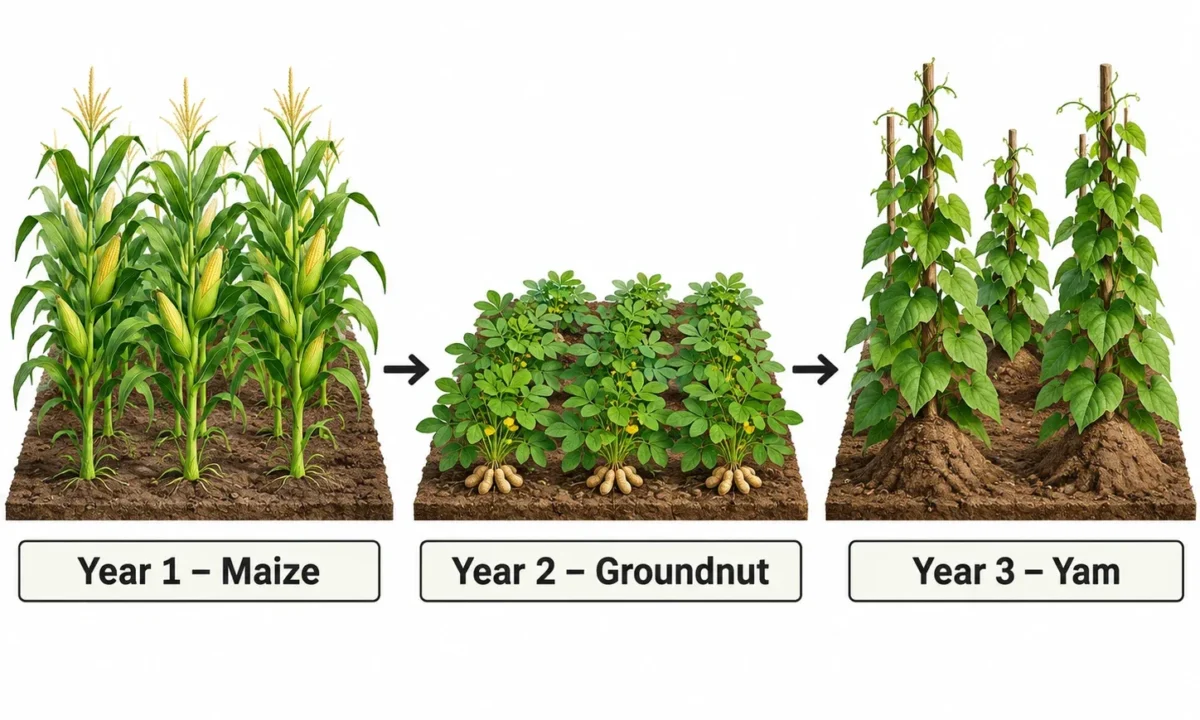
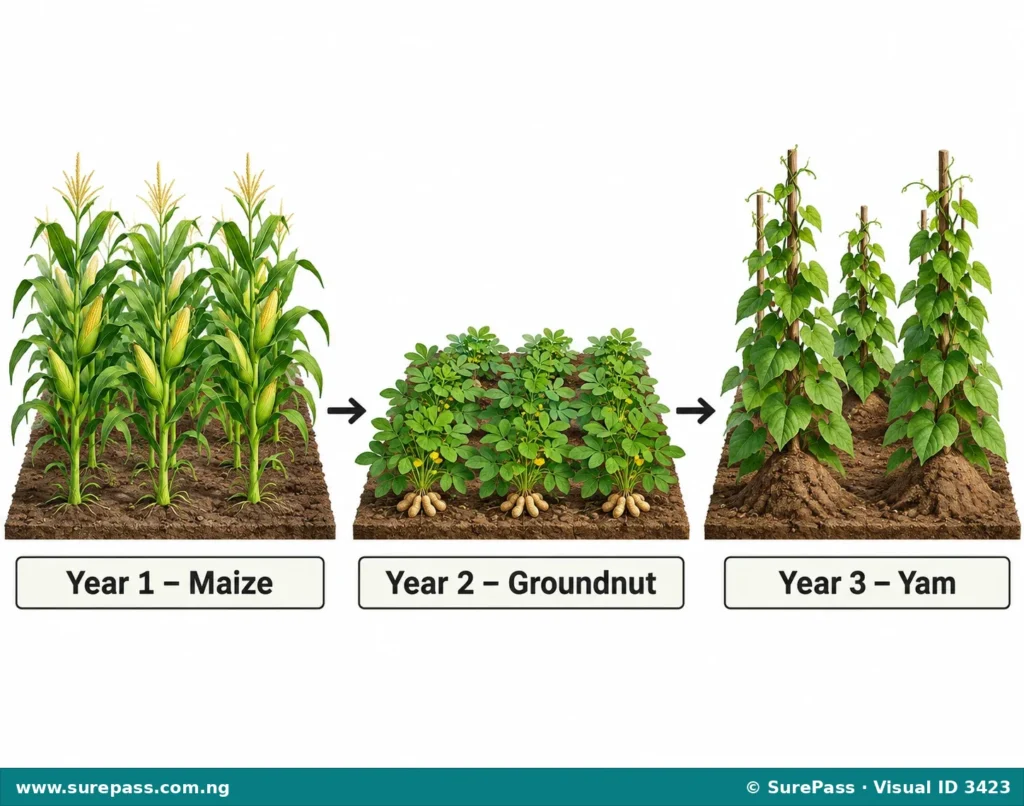
Crop rotation is the practice of growing different types of crops in the same area in sequenced seasons.
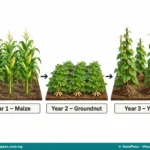
This method involves planting a series of different crops on the same land over several growing seasons. For example, a farmer might plant a cereal crop (like maize) in one season, followed by a legume crop (like groundnut or cowpea) in the next season, and then a root crop (like yam or cassava) in another. This systematic change helps to maintain soil fertility and reduce the build-up of pests and diseases associated with a single crop.
Bush Fallowing
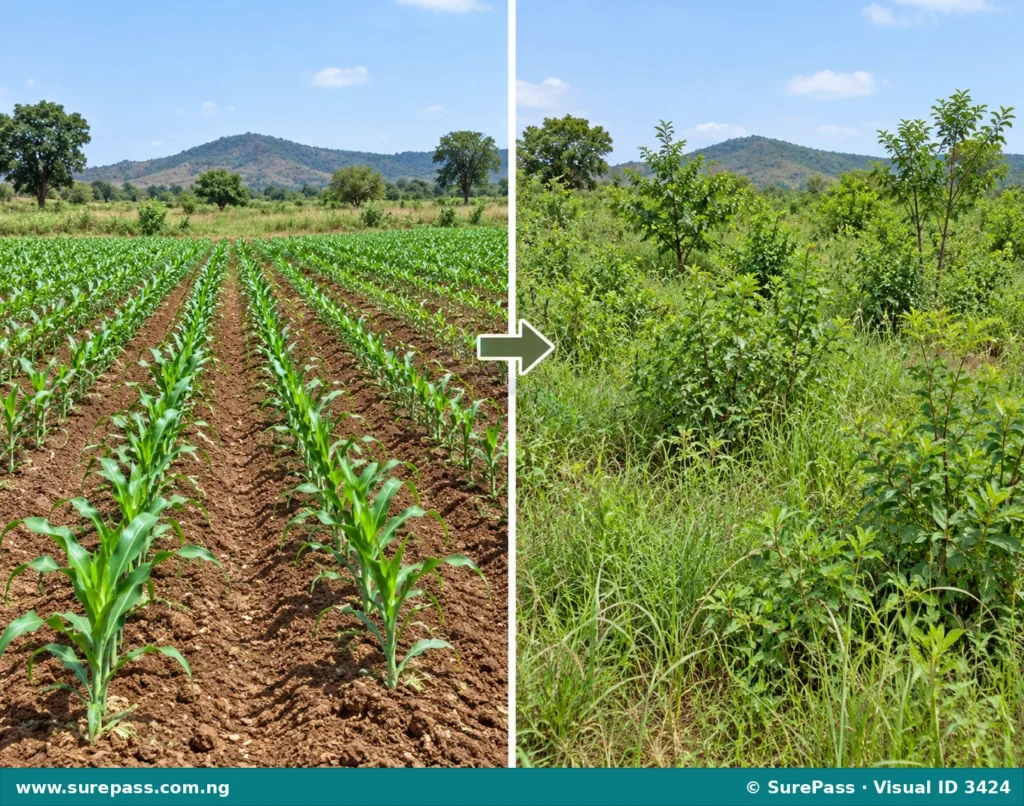
Bush fallowing is an agricultural practice where cultivated land is left uncultivated for a period to allow natural vegetation to grow and restore soil fertility.
In this system, after a few seasons of cultivation, the land is left idle for several years. During this fallow period, natural plants and bushes grow, which helps to replenish soil nutrients, improve soil structure, and reduce the population of pests and weeds. Once the soil has regained its fertility, the land is cleared again for cultivation. This practice is common in traditional farming systems, especially where land is abundant.
Advantages of Cropping Systems
Effective cropping systems offer numerous benefits to farmers and the environment. These advantages contribute to sustainable agriculture and improved food production.
The advantages of cropping systems include:
- Improved Soil Fertility: Cropping systems like crop rotation, especially when legumes are included, help to add nitrogen and other essential nutrients back into the soil. Bush fallowing allows organic matter to decompose, enriching the soil.
- Increased Crop Yield: Healthy soil with balanced nutrients supports stronger plant growth, leading to higher yields. Crop rotation also helps to break the life cycles of pests and diseases, which can otherwise reduce yields.
- Pest and Disease Control: By rotating crops, farmers can disrupt the continuous presence of specific pests and diseases that target particular crops. When the host crop is removed, the pest or disease population declines.
- Weed Management: Different crops have different growth habits and competitive abilities against weeds. Rotating crops can help suppress certain weed species that thrive with a particular crop.
- Reduced Soil Erosion: Planting cover crops or crops with extensive root systems as part of a rotation can help bind the soil, protecting it from erosion by wind and water.
- Efficient Nutrient Utilisation: Different crops absorb nutrients from different depths in the soil. A well-planned rotation ensures that nutrients are utilised more evenly throughout the soil profile, preventing depletion in specific layers.
- Reduced Need for Chemical Inputs: By naturally controlling pests, diseases, and weeds, and improving soil fertility, cropping systems can reduce the reliance on synthetic fertilisers and pesticides.
Environmental Impact of Cropping Systems
Cropping systems have significant effects on the environment, which can be both positive and negative, depending on how they are managed.
Positive Environmental Impacts
When properly implemented, cropping systems can contribute positively to the environment:
- Efficient Resource Utilisation: Cropping systems promote the efficient use of natural resources like soil nutrients and water. For example, deep-rooted crops can access water and nutrients from lower soil layers, while shallow-rooted crops use resources near the surface.
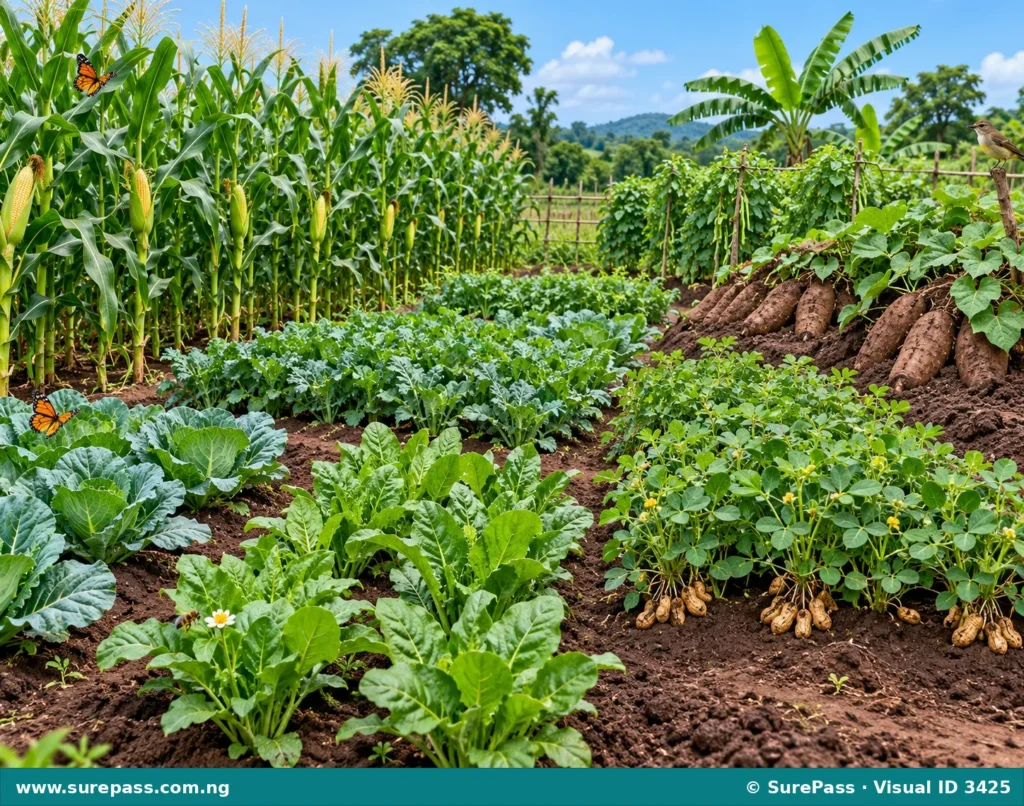
- Biodiversity Conservation: Diverse cropping systems, especially those involving multiple crop types and fallow periods, can support a wider range of beneficial insects, microorganisms, and wildlife compared to monoculture (growing a single crop).
- Soil Structure Improvement: The roots of different crops and the addition of organic matter during fallow periods improve soil structure, making it more porous and better able to hold water and air.
- Carbon Sequestration: Healthy soils, maintained through good cropping practices, can store more carbon, helping to reduce greenhouse gases in the atmosphere.
- Water Quality Protection: Reduced reliance on chemical fertilisers and pesticides, a benefit of good cropping systems, means less runoff of these chemicals into rivers and groundwater, protecting water quality.
Negative Environmental Impacts
Poorly managed or unsustainable cropping systems can lead to negative environmental consequences:
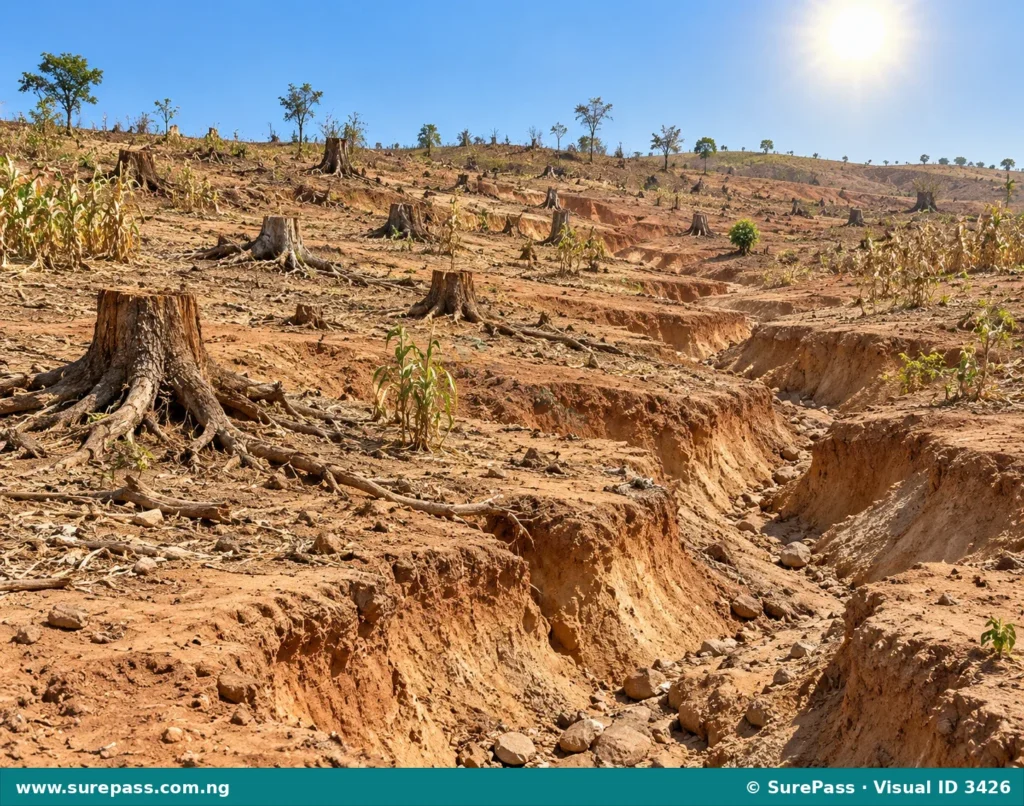
- Deforestation: The expansion of agricultural land often involves clearing forests and natural vegetation. This deforestation leads to habitat loss for wildlife, reduces biodiversity, and contributes to climate change by releasing stored carbon.
- Soil Erosion: If land is continuously cultivated without proper soil conservation measures (like cover cropping or terracing), or if fallow periods are too short, the soil can become exposed and easily eroded by wind and rain, leading to loss of fertile topsoil.
- Loss of Biodiversity: While diverse cropping systems can help biodiversity, the conversion of natural ecosystems into large-scale monoculture farms can drastically reduce the variety of plant and animal species in an area.
- Water Depletion: Some cropping systems, especially those involving water-intensive crops in dry regions, can lead to over-extraction of groundwater or surface water, depleting water resources.
- Pollution: Although good cropping systems reduce the need for chemicals, some practices might still involve the use of fertilisers and pesticides. Overuse or improper application can lead to water and soil pollution.



0 comments
Open the discussion when you need it. Comments stay collapsed until requested so the initial article remains light.