




ARTICLE CONTENTSOn this page 7 sections
Importance of Agriculture
Performance Objectives
By the end of the lesson, students should be able to:
- discuss the Importance of Agriculture;
- identify Problems of agriculture;
- discuss solutions to agriculture’s problems;
- explain the prospects of agriculture.
What is Agriculture?
Agriculture is the science and art of cultivating plants and rearing animals for food, fibre, fuel, and other products used to sustain and enhance human life.
It involves a wide range of activities, from preparing the soil and planting crops to harvesting, processing, and marketing agricultural products. Animal husbandry, which is the rearing of livestock like cattle, goats, sheep, and poultry, is also a key part of agriculture.
Importance of Agriculture
Agriculture plays a vital role in the lives of individuals and the development of any nation. Its importance can be examined from both personal and national perspectives.
Importance of Agriculture to the Individual
For individuals, agriculture provides several essential benefits that contribute to their well-being and livelihood. These include:
- Food Supply: Agriculture is the primary source of food for human consumption. It provides staple foods like yam, cassava, rice, maize, beans, and vegetables, as well as protein sources such as meat, fish, and eggs. Without agriculture, individuals would not have access to the diverse and nutritious diet needed for survival and health.
- Income Generation: Many individuals earn their living directly from farming activities. Farmers sell their crops and livestock to generate income, which they use to meet their daily needs, pay for education, and improve their living standards. Even those not directly involved in farming can earn income from related activities like processing, transporting, or selling agricultural products.
- Employment Opportunities: Agriculture provides employment for a large percentage of the population, especially in rural areas. Individuals work as farm labourers, herdsmen, fishermen, or in various roles along the agricultural value chain, such as processing, packaging, and marketing.
- Raw Materials for Personal Use: Beyond food, agriculture provides raw materials that individuals use in their daily lives. Examples include cotton for clothing, timber for building houses and furniture, and medicinal plants for traditional remedies.
- Shelter: Agricultural products like timber, bamboo, and thatch are used to construct homes and shelters, especially in rural communities.

Importance of Agriculture to the Nation
At the national level, agriculture is a cornerstone of economic development and stability. Its contributions to the nation include:
- Food Security: A nation that can produce enough food for its population achieves food security. This means having consistent access to sufficient, safe, and nutritious food. Food security reduces reliance on imports, saves foreign exchange, and prevents hunger and malnutrition among citizens.
- Employment Generation: Agriculture is a major employer, providing jobs for millions of people across the country, from farmers and farmhands to researchers, processors, and marketers. This helps to reduce unemployment rates and improve the livelihoods of many families.
- Source of Foreign Exchange: Agricultural products like cocoa, palm oil, rubber, and cashew nuts can be exported to other countries. The income generated from these exports, known as foreign exchange, is crucial for a nation to import essential goods and services, and to strengthen its economy.
- Provision of Raw Materials for Industries: Many industries rely on agriculture for their raw materials. For example, cotton is used by textile industries, sugarcane by sugar factories, oil palm by soap and cosmetics industries, and hides and skins by leather industries. A strong agricultural sector supports the growth of these manufacturing industries.
- Rural Development: Agricultural activities are predominantly carried out in rural areas. Investment in agriculture often leads to the development of rural infrastructure such as roads, electricity, and markets, which improves the quality of life for rural dwellers and reduces rural-urban migration.
- National Development: By providing food, employment, foreign exchange, and raw materials, agriculture contributes significantly to the overall economic growth and development of a nation. It helps to diversify the economy and build a more resilient society.
Problems of Agriculture in Nigeria
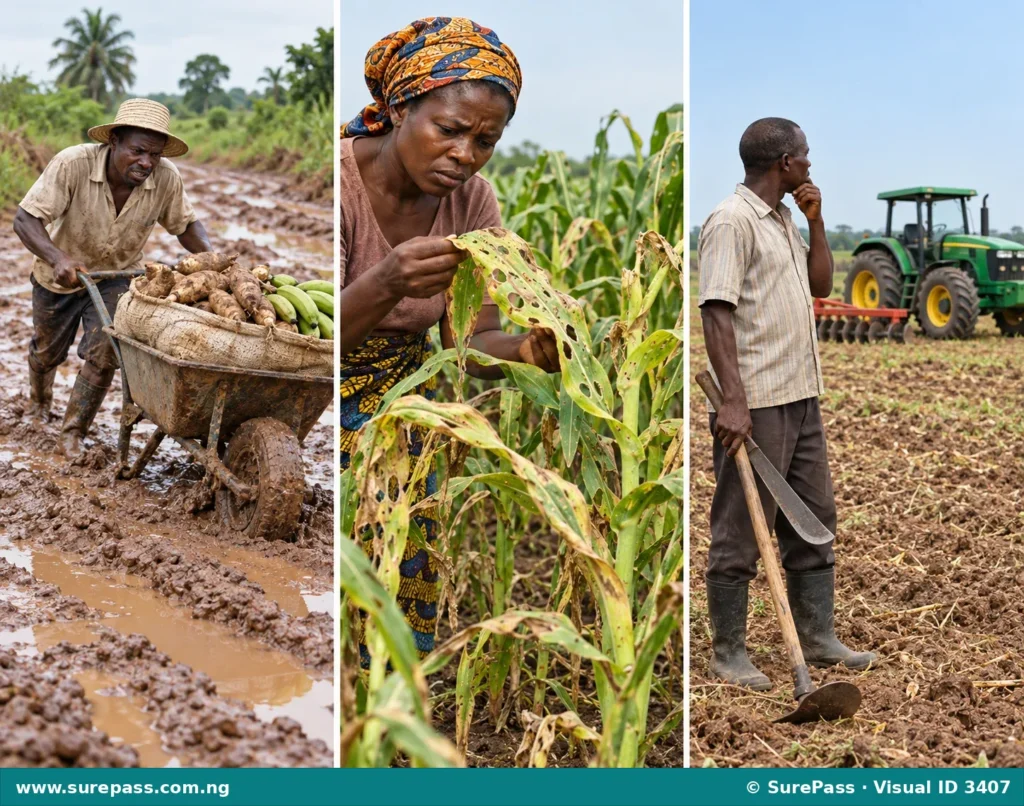
Despite its immense importance, agriculture in Nigeria faces numerous challenges that hinder its full potential. These problems affect farmers’ productivity, profitability, and the overall contribution of the sector to the national economy. Key problems include:
- Poor Infrastructure: Many rural farming communities lack basic infrastructure. This includes poor road networks, making it difficult and expensive to transport farm produce from farms to markets. There is also a lack of adequate storage facilities, leading to significant post-harvest losses, and insufficient processing plants to add value to raw agricultural products.
- Limited Access to Credit: Farmers, especially smallholder farmers, often struggle to access loans or credit facilities from banks and other financial institutions. Without adequate funds, farmers cannot purchase improved seeds, fertilisers, modern equipment, or invest in expanding their farms.
- Pests and Diseases: Crops are constantly threatened by various pests (e.g., insects, rodents, birds) and diseases (e.g., fungal, bacterial, viral infections). Similarly, livestock are susceptible to diseases like Avian Influenza in poultry or Trypanosomiasis in cattle. These can cause significant yield losses and even death of animals, leading to huge financial losses for farmers.
- Inadequate Modern Farming Equipment: Most Nigerian farmers still rely on traditional farming methods and simple tools like hoes and cutlasses. There is a lack of access to and affordability of modern machinery such as tractors, planters, and harvesters, which would improve efficiency and productivity.
- Land Tenure System: The traditional land tenure system, where land is often communally owned or inherited, can make it difficult for farmers to acquire large plots of land for commercial farming. Fragmentation of land into small, scattered plots also makes mechanisation challenging.
- Climate Change and Environmental Degradation: Farmers are increasingly affected by unpredictable weather patterns, including prolonged droughts, heavy floods, and changes in rainfall patterns. Soil erosion, deforestation, and desertification also reduce the availability of fertile land for cultivation.
- Poor Storage and Processing Facilities: A significant portion of harvested crops spoils before reaching the market due to a lack of proper storage facilities like cold rooms, silos, and warehouses. This leads to high post-harvest losses, reducing farmers’ income and food availability.
- Inadequate Extension Services: Many farmers do not have access to agricultural extension workers who can provide them with up-to-date information on improved farming techniques, disease control, and market trends. This limits their ability to adopt better practices.
Solutions to Agricultural Problems
Addressing the challenges in Nigerian agriculture requires a multi-faceted approach involving government, private sector, and individual farmers. Possible solutions include:
- Improved Infrastructure Development:
- Road Networks: Investing in the construction and rehabilitation of rural roads to facilitate easier and cheaper transportation of farm produce to markets.
- Storage Facilities: Building more modern storage facilities like silos, cold rooms, and warehouses to reduce post-harvest losses.
- Processing Plants: Establishing more agro-processing industries to add value to raw agricultural products, create more jobs, and extend shelf life.
- Enhanced Access to Credit:
- Agricultural Loans: Government and financial institutions should provide accessible and affordable loans specifically tailored for farmers, with flexible repayment terms.
- Microfinance Banks: Supporting and expanding microfinance institutions that cater to smallholder farmers.
- Cooperative Societies: Encouraging farmers to form cooperative societies, which can collectively access credit, inputs, and markets more easily.
- Effective Pest and Disease Control:
- Research and Development: Investing in agricultural research to develop disease-resistant crop varieties and animal breeds.
- Extension Services: Strengthening agricultural extension services to educate farmers on proper pest and disease identification, prevention, and control methods.
- Integrated Pest Management (IPM): Promoting environmentally friendly methods of pest control that combine biological, cultural, and chemical approaches.
- Promotion of Modern Farming Techniques:
- Mechanisation: Making modern farming equipment like tractors, tillers, and harvesters available and affordable to farmers, possibly through government subsidies or equipment leasing schemes.
- Improved Inputs: Providing access to high-quality seeds, fertilisers, and animal feeds.
- Irrigation Systems: Developing and promoting irrigation schemes to reduce reliance on rainfall and enable year-round farming.
- Land Reform and Management:
- Land Access: Implementing policies that make it easier for commercial farmers to acquire large tracts of land.
- Land Consolidation: Encouraging the consolidation of fragmented land holdings to make mechanisation more feasible.
- Climate Change Adaptation:
- Sustainable Practices: Promoting sustainable farming practices like conservation agriculture, agroforestry, and efficient water use.
- Early Warning Systems: Developing and disseminating early warning systems for extreme weather events to help farmers prepare.
Prospects of Agriculture in Nigeria
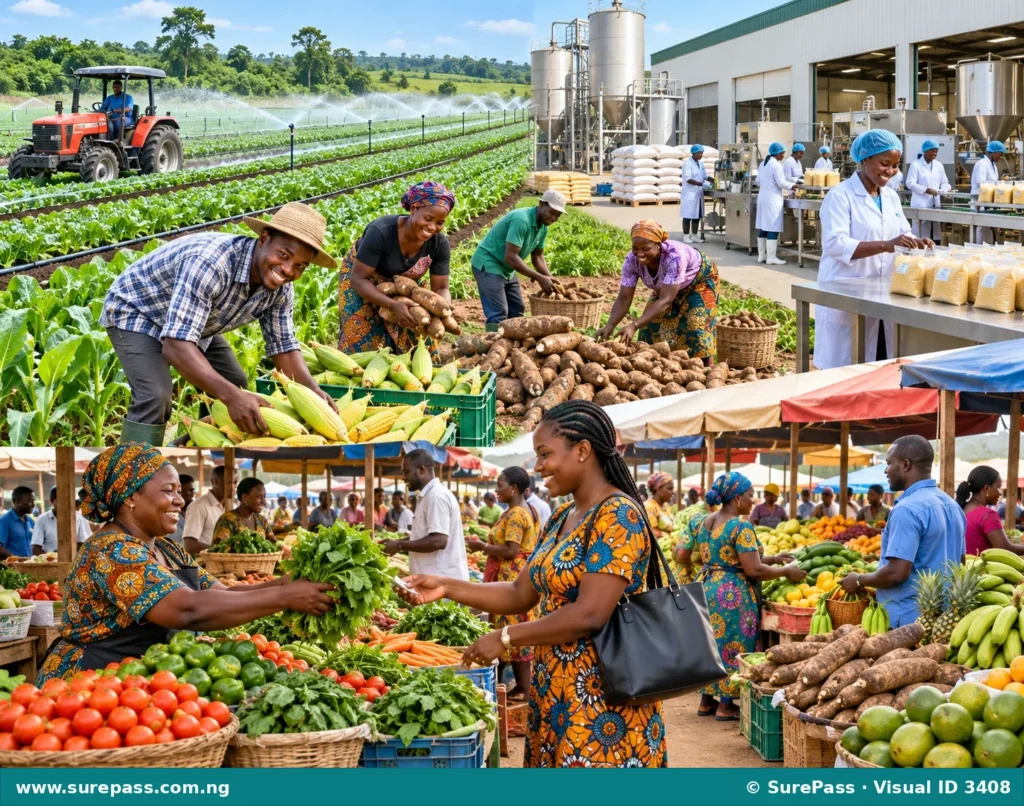
Despite the challenges, agriculture in Nigeria holds significant potential for growth and development. The prospects are bright, offering numerous opportunities for individuals and the nation. These prospects include:
- Increased Income for Farmers: With improved farming techniques, access to credit, and better market linkages, farmers can increase their yields and sell their produce at better prices, leading to higher incomes and improved living standards.
- More Employment Opportunities: A growing agricultural sector will create more jobs, not just in primary production but also in agro-processing, transportation, marketing, research, and technology. This can significantly reduce unemployment, especially among youth.
- Enhanced Food Supply and Food Security: Increased investment and efficiency in agriculture will lead to higher food production, ensuring a stable and adequate food supply for the growing population. This will reduce hunger, improve nutrition, and strengthen national food security.
- Diversification of the Economy: Relying less on crude oil, a strong agricultural sector can diversify Nigeria’s economy, making it more resilient to global price fluctuations of oil. Agriculture can become a major contributor to the Gross Domestic Product (GDP).
- Increased Foreign Exchange Earnings: By improving the quality and quantity of exportable cash crops like cocoa, cashew, sesame, and ginger, Nigeria can earn more foreign exchange, boosting its international trade balance.
- Rural Development and Poverty Reduction: Growth in agriculture directly impacts rural areas, leading to better infrastructure, social amenities, and economic opportunities. This helps to reduce poverty and improve the quality of life for rural communities.
- Value Addition and Industrial Growth: The development of agro-processing industries creates opportunities for value addition to raw agricultural products. This means converting raw produce into finished goods (e.g., cassava to garri, tomatoes to paste, palm oil to soap), which fetch higher prices and create more jobs in the manufacturing sector.
- Technological Advancement: The agricultural sector is increasingly adopting modern technologies such as precision farming, biotechnology, and improved mechanisation. These advancements can lead to higher productivity and more sustainable practices.




0 comments
Open the discussion when you need it. Comments stay collapsed until requested so the initial article remains light.