


ARTICLE CONTENTSOn this page 9 sections
Nutritional Needs of Family Members
Performance Objectives
By the end of the lesson, students should be able to:
- explain the different groups of people in the family and their roles;
- identify the specific nutritional needs of different family members;
- explain how nutrition impacts the physical and cognitive health of different family members;
- create a sample menu for a specific family member (e.g., a pregnant woman) that is both nutritious and budget-friendly;
- design a nutritional guide.
Groups of People in the Family and Their Roles
A family is a social group of people closely related by blood, marriage, or adoption, living together and sharing resources.
Within every family, members belong to different developmental stages or groups. Each group has specific physiological characteristics and plays distinct roles to ensure the smooth running, stability, and well-being of the household.
The primary groups of people in a family include:
- Infants (0 to 1 year): This group consists of babies who are entirely dependent on adults for survival, feeding, and care. Their role is primarily developmental, focusing on growth and forming initial emotional bonds with family members.
- Toddlers and Preschoolers (1 to 5 years): These are young children who are rapidly developing motor skills, speech, and independence. Their role involves learning basic social habits, exploring the immediate environment, and participating in simple play activities.
- School-Age Children (6 to 12 years): Children in this stage attend primary school and undergo steady physical and mental growth. Their roles include acquiring formal education, learning social values, and assisting with light household chores such as sweeping or tidying up toys.
- Adolescents (13 to 19 years): This group consists of teenagers undergoing puberty and rapid physical transitions. Their roles include focusing on secondary education, developing life skills, and taking on more significant household responsibilities such as cooking, cleaning, and caring for younger siblings.
- Adults (including Pregnant and Lactating Mothers): Adults are the mature members of the family who bear the primary responsibilities. Their roles include earning an income to financially support the family, making critical household decisions, providing emotional security, and managing the daily operations of the home.
- The Elderly or Aged (65 years and above): These are the senior members of the family whose physical strength may be declining. Their roles include serving as custodians of family history and culture, offering wisdom and advice, and providing emotional support and childcare assistance where physical strength permits.

Nutritional Needs of Different Family Members
Nutrition is the process by which living organisms obtain and use food for growth, energy, maintenance, and repair of body tissues.
Because family members are at different stages of physical development and have varying levels of physical activity, their nutritional requirements differ significantly. Providing the correct nutrients in the right proportions is essential for preventing malnutrition and promoting health.
The specific nutritional needs of each family group are detailed below:
1. Infants (0 to 1 year)
Infants experience the most rapid rate of growth and development in the human lifespan. Their digestive systems are delicate and immature at birth.
The nutritional requirements for infants include:
- Exclusive Breastfeeding: For the first six months of life, breast milk provides all the necessary nutrients, antibodies, and water required by the infant. No other food or liquid is necessary during this period.
- Proteins: Essential for the rapid build-up of muscles and tissues.
- Calcium and Phosphorus: Required for the rapid calcification and growth of bones and teeth.
- Iron: Necessary for the formation of red blood cells to support the expanding blood volume.
- Vitamins A, C, and D: Crucial for vision, immune function, and calcium absorption respectively. Complementary feeding with soft, nutrient-dense local foods (such as fortified pap or puréed fruits) should begin gradually at six months.
2. Toddlers and Preschoolers (1 to 5 years)
Children in this group are highly active but have relatively small stomach capacities. They require small, frequent, and nutrient-dense meals rather than large, bulky portions.
The nutritional requirements for toddlers and preschoolers include:
- Energy-Dense Foods: Carbohydrates and healthy fats are needed to fuel their constant physical activity and play.
- High-Quality Proteins: Essential for continuous muscular growth and tissue repair.
- Calcium and Vitamin D: Necessary for strengthening bones and teeth.
- Iron: Crucial to prevent iron-deficiency anaemia, which can impair physical and mental development.
3. School-Age Children (6 to 12 years)
School-age children undergo steady growth and have high energy demands due to school activities, sports, and active play.
The nutritional requirements for school-age children include:
- Carbohydrates: Provide the primary source of energy for academic work and physical play.
- Proteins: Support the steady growth of skeletal and muscular systems.
- Vitamins and Minerals: Particularly vitamins A, B-complex, C, and zinc to boost the immune system and protect against common childhood infections.
- Water: Adequate hydration is essential to support physical activity and cognitive focus during school hours.
4. Adolescents (13 to 19 years)
Adolescence is characterised by a rapid growth spurt, hormonal changes, and the onset of puberty. This group has the highest nutritional demands of any childhood stage.
The nutritional requirements for adolescents include:
- High Energy Intake: Increased calories from complex carbohydrates and healthy fats to support rapid physical development.
- Proteins: Required in large quantities to build new muscle mass and support skeletal growth.
- Iron: Adolescent girls require significantly more iron to replace blood lost during menstruation and prevent anaemia. Adolescent boys require iron to support rapid muscle development.
- Calcium and Vitamin D: Crucial for achieving peak bone mass and preventing osteoporosis in later life.
5. Adults
Adults have completed their physical growth. Their nutritional focus shifts from growth to the maintenance, repair, and regulation of body processes.
The nutritional requirements for adults include:
- Balanced Energy Intake: Energy intake must match physical activity levels. Sedentary workers require fewer calories than manual labourers to prevent excessive weight gain and obesity.
- Proteins: Needed for the daily wear and tear of body tissues.
- Vitamins and Minerals: Essential for maintaining metabolic pathways, preventing chronic diseases, and supporting immune health.
- Dietary Fibre: Necessary to maintain healthy digestion and prevent cardiovascular diseases.
6. Pregnant and Lactating Mothers
Pregnant and lactating women have special physiological demands because they are supporting the growth of a foetus or producing milk for an infant.
The nutritional requirements for pregnant and lactating mothers include:
- Folic Acid (Folate): Extremely critical before conception and during early pregnancy to prevent neural tube defects (such as spina bifida) in the developing foetus.
- Iron: Required to support the increased blood volume of the mother and build iron stores for the baby.
- Calcium: Essential to protect the mother’s bone density while building the skeletal system of the baby.
- Proteins: Needed for the development of maternal tissues (uterus, breasts) and the growth of the foetus.
- Extra Fluids and Energy: Lactating mothers require additional calories and a high intake of water and healthy fluids to ensure adequate breast milk production.
7. The Elderly or Aged (65 years and above)
The elderly experience a decline in physical activity, a slower metabolic rate, and a reduction in digestive efficiency. They may also suffer from dental issues that make chewing difficult.
The nutritional requirements for the elderly include:
- Reduced Caloric Intake: Fewer carbohydrates and fats are needed because energy expenditure is lower. Excess calories can easily lead to unhealthy weight gain.
- High-Quality, Easy-to-Digest Proteins: Needed to prevent muscle wasting (sarcopenia) and support tissue repair. Examples include fish, eggs, and soft-cooked legumes.
- Calcium and Vitamin D: Essential to maintain bone strength and reduce the risk of fractures.
- Dietary Fibre and Water: Crucial to stimulate bowel movements and prevent chronic constipation, which is common in older age.
- Vitamins B12 and C: Necessary to support nerve function and boost immunity.
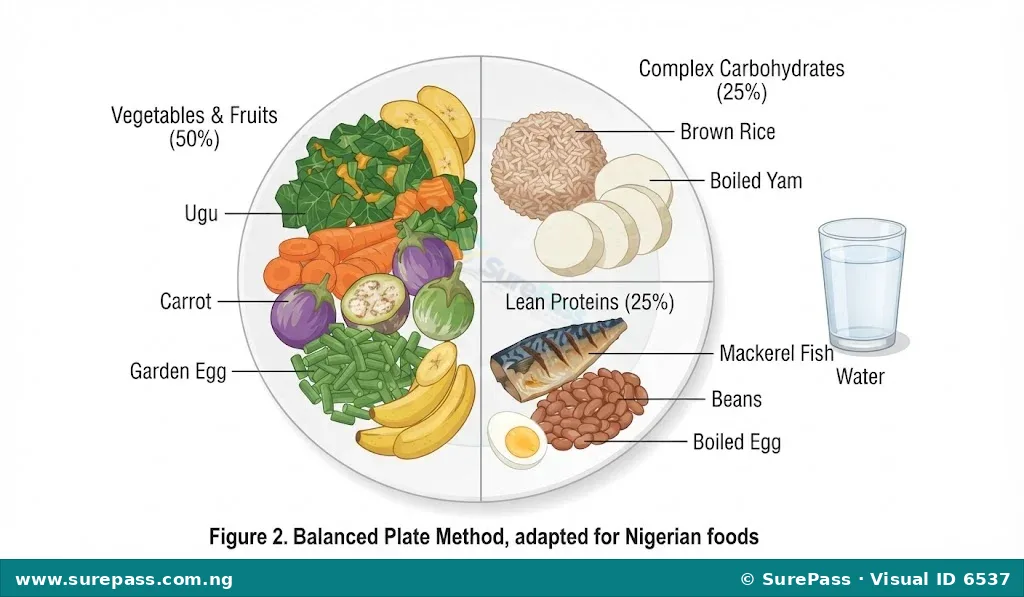
The table below summarises the key nutritional priorities for each family group:
| Family Group | Primary Nutritional Focus | Key Nutrients Required | Common Local Food Sources |
|---|---|---|---|
| Infants (0–1 yr) | Rapid growth, brain development | Breast milk, Protein, Calcium, Iron | Breast milk, fortified pap (ogi/akamu), puréed fruits |
| Toddlers (1–5 yrs) | High activity, muscle growth | Energy, Protein, Calcium, Iron | Milk, eggs, beans, fish, mashed potatoes, bananas |
| School-Age (6–12 yrs) | Steady growth, mental focus | Carbohydrates, Proteins, Vitamins, Water | Rice, yam, beans, vegetables, fish, clean water |
| Adolescents (13–19 yrs) | Growth spurt, puberty changes | High Energy, Protein, Iron (girls), Calcium | Meat, fish, beans, whole grains, green leafy vegetables |
| Adults | Maintenance, tissue repair | Balanced nutrients, Fibre, Low fats | Local brown rice, wheat, vegetables, lean meat, fish |
| Pregnant/Lactating | Foetal growth, milk production | Folic acid, Iron, Calcium, Protein, Fluids | Leafy greens (Ugu), eggs, milk, fish, beans, water, fruit juices |
| Elderly (65+ yrs) | Slowing metabolism, bone health | Calcium, Vitamin D, Fibre, Soft Proteins | Oatmeal, soft-cooked fish, eggs, vegetable soups, water |
Impact of Nutrition on Physical and Cognitive Health
The food consumed by family members directly influences how their bodies grow physically and how their brains function cognitively. Good nutrition acts as a preventative medicine, while poor nutrition leads to physical and mental developmental deficits.
Impact on Physical Health
The physical health of family members is sustained through the intake of essential nutrients. The specific impacts include:
- Skeletal and Muscular Growth: Adequate intake of proteins, calcium, and vitamin D ensures that children and adolescents reach their full height potential and develop strong muscles. Insufficient intake leads to stunted growth and weak bones (rickets in children, osteoporosis in adults).
- Immune System Strength: Micronutrients such as vitamins A, C, E, and zinc are essential for the production of white blood cells. A well-nourished individual can easily fight off infections, whereas a malnourished person is prone to frequent illnesses.
- Energy and Vitality: Carbohydrates and fats provide the fuel required for physical work, exercise, and daily chores. Inadequate energy intake leads to fatigue, muscle wasting, and lethargy.
- Prevention of Deficiency Diseases: Proper nutrition prevents specific clinical conditions. For example, adequate iron intake prevents anaemia, vitamin C prevents scurvy, and vitamin A prevents night blindness.
Impact on Cognitive Health
Cognitive health refers to brain functions such as learning, memory, concentration, and decision-making. The brain is highly sensitive to nutritional intake. The specific impacts include:
- Early Brain Development: During pregnancy and infancy, the brain develops at a rapid rate. Essential fatty acids (such as Omega-3), iron, and iodine are critical for the formation of brain cells and neural pathways. Deficiency during this critical window can cause permanent intellectual disability.
- Mental Alertness and Concentration: The brain relies on a steady supply of glucose derived from complex carbohydrates. School-age children who eat a balanced breakfast show better concentration, memory retention, and academic performance than those who skip meals.
- Neurotransmitter Function: Proteins provide amino acids, which are the building blocks for neurotransmitters (chemical messengers in the brain). These chemicals regulate mood, sleep, and cognitive processing.
- Prevention of Cognitive Decline: In the elderly, antioxidants (found in colorful fruits and vegetables) and healthy fats protect brain cells from oxidative damage, reducing the risk of memory loss and cognitive decline.
Creating a Nutritious and Budget-Friendly Menu
A menu is a planned list of dishes to be served at a meal or for an entire day.
In Home Management, creating a menu requires balancing nutritional adequacy with the family budget. High-quality nutrition does not require expensive, imported foods. Local, seasonal, and affordable ingredients can be combined to create highly nutritious meals.
The key principles of budget-friendly meal planning include:
- Buying Seasonal Foods: Fruits, vegetables, and tubers are cheapest and freshest when they are in season.
- Using Local Substitutes: Local brown rice (Ofada) can replace expensive imported white rice; soybeans or local beans can substitute for expensive cuts of beef; mackerel (Titus fish) or herrings (Shawa) provide excellent protein and healthy fats at a lower cost than beef.
- Bulk Purchasing: Buying non-perishable staples like beans, rice, and grains in large quantities reduces the unit cost.
- Minimising Food Waste: Proper food preservation and creative use of leftovers prevent financial loss.
Sample One-Day Menu for a Pregnant Woman
The menu below is designed specifically for a pregnant woman. It is rich in protein, iron, folic acid, and calcium, while remaining highly affordable by using local Nigerian ingredients.
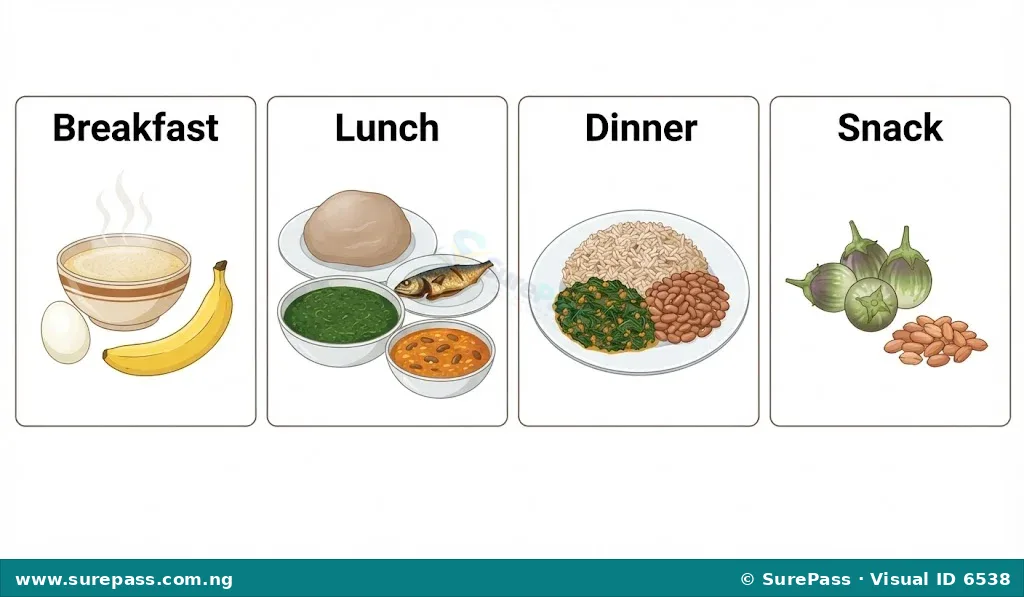
The sample menu consists of the following meals:
- Breakfast: Soy-milk kunu (millet gruel enriched with soybean powder) served with one hard-boiled egg and a medium-sized banana. This meal provides high-quality protein, calcium, iron, and potassium.
- Lunch: Amala (yam flour elubo) served with Ewedu (jute leaves) and Gbegiri (creamy beans soup), accompanied by a moderate portion of boiled mackerel (Titus fish). This meal is rich in dietary fibre, iron, folic acid, and omega-3 fatty acids.
- Dinner: Boiled local brown rice served with a rich vegetable sauce made from Ugu (fluted pumpkin leaves), tomatoes, onions, and steamed local beans. This dinner provides complex carbohydrates, vitamin C, iron, and plant-based proteins.
- Snack (In-between meals): A handful of roasted groundnuts and two garden eggs. This snack provides healthy fats, protein, and dietary fibre.
Designing a Nutritional Guide
A nutritional guide is a structured tool or document that provides specific recommendations on food choices, portion sizes, and dietary habits to promote optimal health for different individuals.
Designing an effective nutritional guide requires a systematic approach to ensure that the recommendations are scientifically sound, practical, and culturally acceptable.
The process of designing a nutritional guide involves the following steps:
- Identify the Target Group: Determine the specific family member or group the guide is meant for (e.g., toddlers, pregnant women, or the elderly).
- Assess the Nutritional Requirements: Research and list the key nutrients needed by the target group based on their physiological state (e.g., high iron and folic acid for pregnant women; high calcium and fibre for the elderly).
- Select Local, Affordable Foods: Identify locally available, budget-friendly foods that are rich in the required nutrients. Avoid recommending expensive, hard-to-find imported items.
- Determine Portion Sizes: Use simple, everyday household measures (such as cups, spoons, or hand sizes) to explain portion control, rather than complex scientific weights.
- Include Preparation and Hygiene Tips: Provide brief guidelines on how to wash, cut, and cook the food to preserve nutrients and prevent foodborne illnesses.
- Format and Present the Guide: Arrange the information logically using clear headings, simple language, and visual aids (such as tables or food plates) to make it easy to read and follow.
Summary
Feeding the family successfully requires an understanding of the unique roles and nutritional needs of each family member. From the rapid growth of infancy to the maintenance phase of adulthood and the declining metabolic rate of old age, nutrient requirements change continuously. By understanding these needs and applying budget-friendly meal planning principles, a home manager can ensure that all family members maintain excellent physical and cognitive health without overspending.
Questions for Evaluation
The following questions are designed to test the understanding of the concepts covered in this unit:
- Identify four different groups of people in a family and describe two key roles played by each group.
- Outline the specific nutritional needs of adolescents, explaining why their requirements differ from those of adults.
- Explain how poor nutrition can negatively impact both the physical and cognitive health of a school-age child.
- State four principles of budget-friendly meal planning that a home manager can use to reduce grocery expenses.
- Using local Nigerian ingredients, design a nutritious and budget-friendly breakfast and lunch menu for an elderly family member who has difficulty chewing hard foods.
- List the six steps involved in designing a practical nutritional guide for a family.




0 comments
Open the discussion when you need it. Comments stay collapsed until requested so the initial article remains light.