



ARTICLE CONTENTSOn this page 9 sections
Meal Planning
Performance Objectives
By the end of the lesson, students should be able to:
- define balanced diet;
- mention factors influencing meal planning;
- write guidelines for: meal planning and menu writing;
- create a meal plan that incorporates a variety of foods to ensure it is nutritionally adequate;
- identify common problems in meal planning and their solutions;
- relate the link between nutrition, personal well-being and overall health.
Meaning of a Balanced Diet
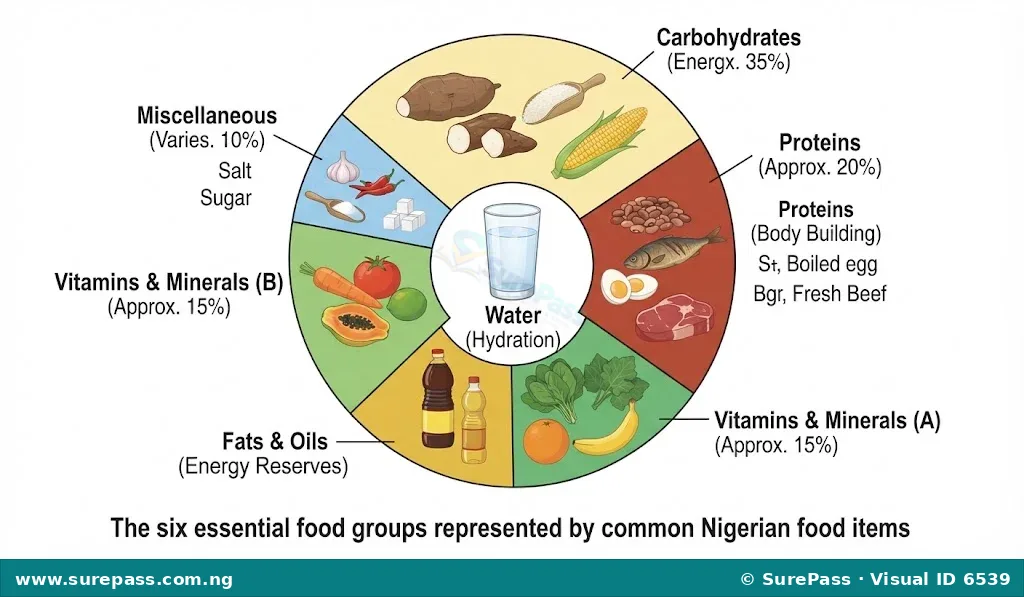
A balanced diet is a meal that contains all the essential nutrients in their correct proportions required by the body for growth, energy, and maintenance of health.
The six essential nutrients that must be present in a balanced diet are carbohydrates, proteins, fats and oils, vitamins, minerals, and water. Each nutrient plays a specific role in maintaining the body’s physiological functions. For instance, carbohydrates provide energy, proteins build and repair tissues, while vitamins and minerals protect the body from diseases.
The Link Between Nutrition, Personal Well-Being, and Overall Health
Nutrition is the process by which living organisms obtain and use food for growth, metabolism, and repair. There is a direct and inseparable link between nutrition, personal well-being, and overall health. The quality of food consumed determines the efficiency of the body’s daily operations.
The relationship between nutrition and health can be observed in the following ways:
- Prevention of Deficiency Diseases: Adequate intake of nutrients prevents nutritional disorders. For example, sufficient vitamin C prevents scurvy, adequate calcium and vitamin D prevent rickets, and iron-rich foods prevent anaemia.
- Physical Growth and Tissue Repair: Proper nutrition ensures that children and adolescents reach their full developmental potential. Proteins are essential for building muscles, skin, and internal organs.
- Energy Levels and Productivity: Carbohydrates and fats provide the fuel required for physical activities, academic work, and daily chores. Poor nutrition leads to fatigue, weakness, and low productivity.
- Mental Well-Being and Cognitive Function: The brain requires essential fatty acids, vitamins, and minerals to function optimally. Proper nutrition improves concentration, memory, and emotional stability.
- Immune System Support: A well-nourished body has a stronger immune system, making it more capable of fighting infections and recovering quickly from illnesses.
Factors Influencing Meal Planning
Meal planning is the process of deciding what to eat for future meals. It involves selecting, purchasing, preparing, and serving nutritious foods to meet the needs of family members. To plan successful meals, several factors must be considered.
The main factors influencing meal planning are:
- Nutritional Needs of Family Members: Different individuals require different nutrients based on their age, physiological state, and health conditions. For example, growing children need more protein and calcium, pregnant women require more iron and folic acid, and elderly individuals need easily digestible, low-fat meals.
- Occupation and Activity Level: People who engage in heavy manual labour, such as farmers and construction workers, require more energy-giving foods than sedentary workers, such as office clerks.
- Health Status: Special dietary modifications must be made for family members with health challenges. For instance, diabetic individuals require low-sugar and high-fibre meals, while hypertensive individuals require low-salt diets.
- Family Income and Budget: The amount of money available for food determines the types of ingredients that can be purchased. A skilled homemaker can plan highly nutritious meals on a limited budget by choosing affordable, locally available substitutes.
- Season and Food Availability: Foods that are in season are fresher, cheaper, and more abundant. Planning meals around seasonal fruits, vegetables, and grains reduces expenses and ensures high nutritional value.
- Time, Energy, and Equipment: The homemaker must consider the time available for food preparation, the energy required, and the cooking equipment available in the home. Quick-cooking meals are ideal for busy weekdays.
- Religious and Cultural Beliefs: Cultural practices and religious doctrines forbid certain foods. For example, Muslims do not consume pork, while some orthodox Christians practice vegetarianism during fasting periods.
- Personal Likes and Dislikes: To avoid food wastage, the preferences of family members should be respected while ensuring that nutritional standards are maintained.
Guidelines for Meal Planning and Menu Writing
To ensure that meals are nutritious, appealing, and economical, specific guidelines must be followed during the planning and writing stages.
Guidelines for Meal Planning
The essential guidelines for meal planning include:
- Ensure Nutritional Adequacy: Every planned meal must contain foods from all the major food groups to provide a balanced diet.
- Incorporate Variety: Avoid monotony by varying the methods of cooking, textures, colours, and flavours of the food served throughout the week.
- Plan Ahead: Meals should be planned for a week or a month to allow for bulk purchasing, which saves time and money.
- Utilise Leftovers Creatively: Leftover foods should be stored hygienically and incorporated into subsequent meals to prevent waste.
- Consider the Weather: Serve warm, comforting meals during cold or rainy seasons, and light, refreshing meals during hot weather.
- Keep Meals Simple: Avoid overly complex recipes that require excessive preparation time, especially when cooking facilities are limited.
Guidelines for Menu Writing
A menu is a list of dishes to be served at a meal. Writing a menu requires clear communication and logical organisation.
The guidelines for writing a menu are:
- Use a Logical Sequence: Arrange the dishes in the order they will be consumed. The standard sequence is the appetiser (starter), the main course, and the dessert (sweet course).
- Be Specific and Descriptive: Clearly state the main ingredients and the cooking method used. For example, write “Oven-Baked Catfish with Spicy Tomato Sauce” instead of just “Fish”.
- Ensure Visual Appeal: Write the menu neatly on a clean card or board. Use legible handwriting or clear fonts.
- Capitalise Key Words: Capitalise the first letter of all major words in the names of the dishes.
- Align the Text Properly: Center the items on the menu card to create a balanced and professional appearance.
Meal Planning for Special Occasions and Ceremonies
Special occasions and ceremonies, such as weddings, naming ceremonies, funerals, birthdays, and religious festivals, require careful meal planning because of the large number of guests involved.
When planning meals for ceremonies, the following points must be considered:
- Type of Service: Decide whether the meal will be served as a buffet (where guests serve themselves) or a sit-down table service. Buffet service is often preferred for large crowds as it reduces the number of servers needed.
- Choice of Dishes: Offer a variety of dishes to cater to different tastes, dietary restrictions, and age groups. It is common to include both traditional local dishes and continental options.
- Quantity and Portion Control: Estimate the number of guests accurately and prepare sufficient food. Standard portion sizes should be maintained to prevent food from running out before all guests are served.
- Food Safety and Hygiene: Because food is prepared in large quantities, strict hygiene must be maintained to prevent food poisoning. Food must be kept at safe temperatures until it is served.
- Cost-Effectiveness: Set a budget for the catering and stick to it. Bulk purchasing of ingredients directly from open markets helps to minimise costs.
Common Problems in Meal Planning and Their Solutions
Homemakers often encounter challenges when planning and preparing meals. Identifying these problems allows for proactive solutions.
The common problems in meal planning and their corresponding solutions are:
| S/N | Common Problem | Practical Solution |
|---|---|---|
| 1 | High Cost of Food (Inflation) | Buy food items in bulk when they are in season; substitute expensive ingredients with cheaper, equally nutritious local alternatives (e.g., using local fish instead of imported beef). |
| 2 | Food Spoilage and Poor Storage | Invest in proper storage facilities such as refrigerators, freezers, and airtight containers; use traditional preservation methods like drying, smoking, or salting for perishable items. |
| 3 | Time Constraints | Engage in batch cooking during weekends; prepare ingredients (such as peeling beans or grinding pepper) ahead of time and store them in the freezer. |
| 4 | Picky Eaters and Varied Preferences | Involve family members in the meal planning process; modify recipes to present disliked foods in appealing ways (e.g., blending vegetables into sauces). |
| 5 | Lack of Culinary Skills | Learn simple, basic recipes; attend home management practical classes; use standard measuring tools to ensure consistent results. |
Practical Guide: Creating and Presenting a Balanced Meal Plan
This section provides a practical guide on how to design a nutritionally adequate meal plan for a family, incorporating a variety of local foods, and how to justify the choices made.
How to Design a One-Day Balanced Meal Plan
The procedure involves the following steps:
- Identify the target group (e.g., an active adolescent student or a moderate-income family).
- Determine the daily nutritional requirements, ensuring representation from carbohydrates, proteins, vitamins, minerals, and healthy fats.
- Select local, affordable ingredients that meet these requirements.
- Draft the meals for breakfast, lunch, and dinner, ensuring that no single food item is repeated excessively in the same day.
- Organise the plan into a clear, readable table.
A sample one-day balanced meal plan for an active secondary school student is shown below:
| Meal Time | Menu Items | Nutrient Contribution |
|---|---|---|
| Breakfast |
|
Carbohydrates (yam), Protein and Fats (eggs, milk), Vitamins and Minerals (tomatoes, onions) |
| Lunch |
|
Carbohydrates (rice), Vitamins and Minerals (pumpkin leaves), Protein (fish), Hydration (water) |
| Dinner |
|
Protein (beans), Carbohydrates (pap), Vitamin C and Minerals (orange) |
Justification of the Meal Plan Choices
The choices made in the sample meal plan are justified based on the following factors:
- Nutritional Adequacy: The plan covers all six essential nutrients. Protein is supplied by eggs, fish, milk, and beans to support rapid growth in adolescents. Carbohydrates from yam, rice, and corn pap provide energy for school activities. Vitamins and minerals from tomatoes, onions, pumpkin leaves, and oranges protect the body from illnesses.
- Budget-Friendliness: The ingredients used (yam, rice, beans, local vegetables, and seasonal oranges) are affordable and readily available in Nigerian markets. Using fish instead of expensive cuts of beef keeps the cost low without compromising protein quality.
- Variety and Appeal: The meals feature different cooking methods (boiling, scrambling, steaming, and grilling), varying textures (firm yam, soft moin-moin, liquid pap), and vibrant natural colours (orange, green, and red) to stimulate appetite.




0 comments
Open the discussion when you need it. Comments stay collapsed until requested so the initial article remains light.