


ARTICLE CONTENTSOn this page 8 sections
Business Start- up in Textiles
Performance Objectives
By the end of the lesson, students should be able to:
- state the meaning of textiles business start-up;
- discuss various industry entry requirements for textiles start-up;
- explain the benefits of starting an enterprise;
- identify textiles products and services;
- identify resources / tools for textiles start-up.
Meaning of Business Start-up
A business start-up refers to the initial stage of establishing a new business. It involves all the activities required to bring a new business idea to life, from planning and registration to setting up operations and launching products or services.
Starting a business requires careful planning, dedication, and resources. It is about turning an idea into a functioning company that can create value and generate income.
Meaning of Textiles Business Start-up
A textiles business start-up specifically involves establishing a new company that focuses on the production, design, or sale of textile-related goods and services. This can include creating fabrics, designing and making clothes, producing home furnishings, or offering services like tailoring and fabric dyeing.
This type of business combines creativity with practical skills to meet the demand for various textile products in the market.
Industry Entry Requirements for Textiles Production Enterprise
Starting a textiles production business requires meeting certain conditions and fulfilling specific requirements to ensure the business operates legally, safely, and effectively. These requirements help to establish a professional and sustainable enterprise.
The various industry entry requirements for a textiles start-up include:
- Business Registration: The business must be registered with the Corporate Affairs Commission (CAC) in Nigeria. This legal step gives the business a formal identity and allows it to operate officially. Registration ensures the business name is protected and it can enter into contracts.
- Business Plan: A detailed business plan is essential. This document outlines the business goals, strategies, market analysis, financial projections, and operational details. It serves as a roadmap for the business and helps secure funding.
- Capital/Funding: Sufficient money is needed to cover initial expenses such as purchasing equipment, renting a workspace, buying raw materials, and paying staff salaries. Funding can come from personal savings, loans, or investors.
- Skills and Expertise: Knowledge of textile production, fashion design, sewing techniques, and business management is crucial. The entrepreneur or their team must possess the necessary skills to produce quality goods and manage the business effectively.
- Workspace: A suitable location is required for production. This could be a dedicated workshop, a studio, or even a section of a home, depending on the scale of operations. The space should be adequate for machines, materials, and staff.
- Equipment and Tools: Essential machinery and tools for textile production must be acquired. These include sewing machines, cutting tools, pressing equipment, and other specialised items.
- Raw Materials: Access to reliable suppliers of fabrics, threads, buttons, zippers, and other necessary materials is important. Sourcing quality raw materials ensures the production of high-quality finished goods.
- Market Research: Understanding the target market, customer needs, and competition is vital. Market research helps in identifying demand for specific textile products and services, allowing the business to create relevant offerings.
- Permits and Licenses: Depending on the scale and nature of the business, specific permits or licenses from local government authorities may be required. These ensure compliance with health, safety, and environmental regulations.
Benefits of Starting an Enterprise in Textiles Production
Starting a business in textiles production offers several advantages, both for the entrepreneur and the community. These benefits can contribute to personal growth, financial independence, and economic development.
The benefits of starting an enterprise in textiles production include:
- Job Creation: A textiles business creates employment opportunities for designers, tailors, seamstresses, marketers, and administrative staff. This helps to reduce unemployment in the community.
- Income Generation: The business provides a source of income for the entrepreneur and their employees, improving their financial well-being and standard of living.
- Economic Growth: Textiles businesses contribute to the local and national economy by producing goods, paying taxes, and stimulating related industries such as raw material suppliers and logistics.
- Meeting Consumer Needs: The business provides essential products like clothing, home textiles, and accessories, meeting the daily needs and fashion preferences of consumers.
- Promoting Creativity and Innovation: Textiles production allows for artistic expression through design, fabric selection, and garment construction. It encourages innovation in styles, materials, and production methods.
- Skill Development: Operating a textiles business helps the entrepreneur and their staff develop valuable skills in design, sewing, marketing, and business management.
- Self-Reliance and Independence: Owning a business fosters self-reliance and provides the entrepreneur with control over their work and financial future, reducing dependence on formal employment.
- Cultural Preservation: Traditional textile designs and techniques can be preserved and promoted through local production, contributing to cultural heritage.
- Flexibility: Entrepreneurs often have more flexibility in managing their time and work schedule compared to traditional employment.
Goods and Services in Textiles
The textiles industry offers a wide range of products and services that cater to various needs, from personal clothing to industrial applications. Understanding these offerings helps in identifying potential areas for a textiles business.
Textile Goods (Products)
Textile goods are physical items made from fabrics and other textile materials. These are tangible products that consumers can buy and use.
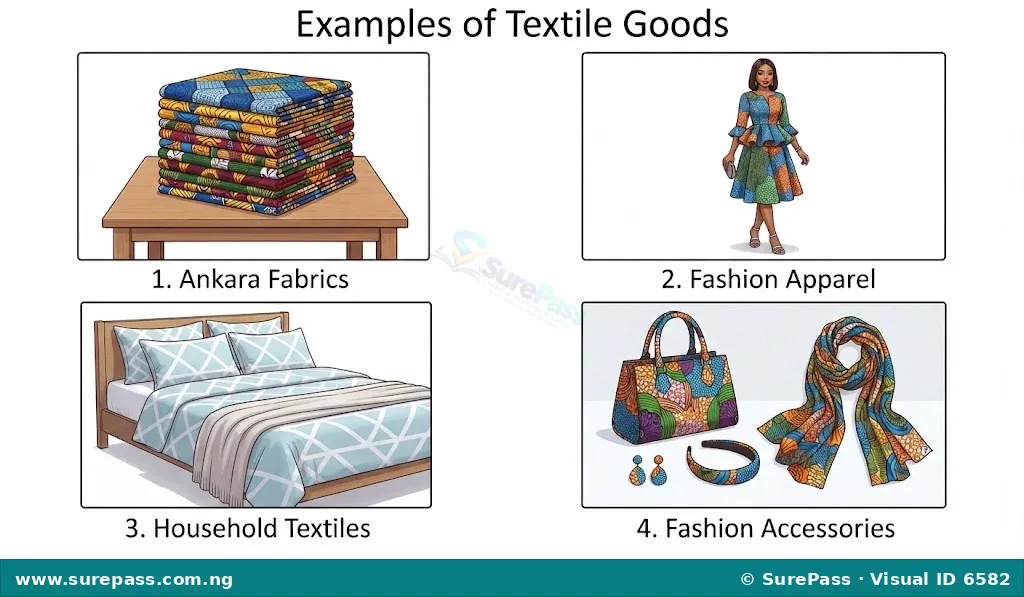
Examples of textile goods include:
- Clothing and Apparel: This is the most common category, including shirts, trousers, dresses, skirts, uniforms, traditional attire (e.g., Ankara outfits, Agbada), and children’s wear.
- Home Furnishings: Items used to decorate and furnish homes, such as bedsheets, pillowcases, curtains, tablecloths, towels, and upholstery for furniture.
- Accessories: Smaller items that complement clothing or serve specific purposes, including bags, hats, scarves, ties, and belts made from textile materials.
- Fabrics: Raw or finished textile materials sold in rolls or by the yard, such as cotton, silk, linen, polyester, and various blends, used by tailors, designers, and individuals for their own projects.
- Industrial Textiles: Specialised fabrics used in various industries, though less common for small start-ups. Examples include materials for car interiors, medical textiles, or protective gear.
Textile Services
Textile services are activities or tasks performed for customers related to textile products. These are intangible offerings that provide value through skill and expertise.
Examples of textile services include:
- Tailoring and Dressmaking: Custom-making clothes to fit individual measurements and preferences, or altering ready-made garments.
- Embroidery and Embellishment: Adding decorative stitches, beads, sequins, or other adornments to fabrics and garments.
- Fabric Dyeing and Printing: Changing the colour of fabrics or applying patterns and designs onto them.
- Textile Repair and Alteration: Mending torn clothes, replacing zippers, adjusting sizes, or restyling old garments.
- Fashion Design Consultation: Providing advice and guidance on fashion trends, fabric choices, and garment styles to clients.
- Textile Care and Laundry Services: Professional cleaning, pressing, and care for delicate or special textile items.
Resources / Tools for Textiles Production Start-up
To successfully start and operate a textiles production business, specific resources and tools are essential. These items facilitate the various stages of production, from design and cutting to sewing and finishing.
Resources
Resources are the inputs needed for production, including materials, human effort, and financial means.
The key resources for a textiles production start-up include:
- Raw Materials: These are the basic components used to make textile products. Examples include various types of fabrics (cotton, silk, polyester, Ankara, lace), threads, zippers, buttons, interlinings, and embellishments.
- Human Resources: Skilled individuals are crucial. This includes designers, tailors, seamstresses, pattern makers, and marketers who contribute their expertise and labour.
- Financial Capital: Money is needed to purchase equipment, raw materials, pay salaries, rent workspace, and cover other operational costs.
- Workspace: A suitable physical location for design, cutting, sewing, and storage is required. This could be a shop, studio, or dedicated room.
- Knowledge and Skills: The entrepreneur and their team need expertise in textile design, garment construction, business management, and marketing.
- Utilities: Access to electricity for operating machines, water for cleaning, and internet for communication and marketing are important.
Tools for Textiles Production Start-up
Tools are the equipment and instruments used to perform specific tasks in the production process. They can be manual or machine-operated.
The essential tools for a textiles production start-up include:
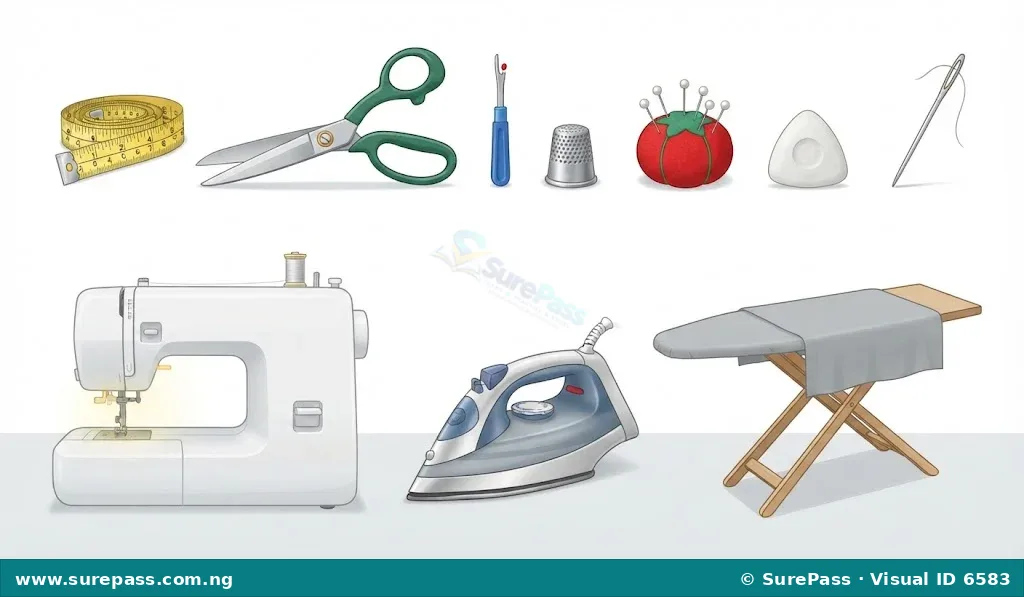
- Measuring Tools:
- Measuring Tape: Used to take body measurements and measure fabric lengths.
- Rulers: For drawing straight lines and measuring shorter distances.
- Set Squares: For drawing accurate angles and straight lines.
- Cutting Tools:
- Scissors: Various types, including fabric shears for cutting fabric, paper scissors for patterns, and thread snips for cutting threads.
- Rotary Cutter: A tool with a circular blade used for cutting fabric quickly and accurately, often with a cutting mat.
- Seam Ripper: A small tool used to carefully remove stitches without damaging the fabric.
- Marking Tools:
- Dressmaker’s Chalk: Used to mark patterns and lines on fabric.
- Tailor’s Tacks: Loose, hand-sewn stitches used to transfer pattern markings from paper to fabric.
- Dressmaker’s Carbon Paper and Tracing Wheel: Used to transfer pattern markings onto fabric.
- Sewing Tools:
- Hand Needles: For hand sewing, basting, and finishing.
- Pins: Used to hold fabric pieces together before sewing.
- Pin Cushion: For storing pins safely.
- Thimble: Worn on the finger to protect it when pushing needles through fabric.
- Sewing Machine: Essential for stitching fabric pieces together quickly and efficiently. Both manual and electric machines are available.
- Overlocker/Serger: A specialised machine that trims and finishes seam edges to prevent fraying (more for larger scale).
- Pressing Tools:
- Iron: Used to press seams open, flatten fabric, and give garments a neat finish.
- Ironing Board: A padded surface for ironing.
- Pressing Cloth: Used between the iron and fabric to prevent scorching or shine.
- Other Tools:
- Dress Form/Mannequin: A body-shaped form used for draping fabric, fitting garments, and displaying finished products.
- Work Table: A large, flat surface for cutting fabric and assembling garments.
- Storage Units: Shelves, drawers, or boxes for organising fabrics, threads, and tools.


0 comments
Open the discussion when you need it. Comments stay collapsed until requested so the initial article remains light.