



ARTICLE CONTENTSOn this page 7 sections
Consumer Information
Performance Objectives
By the end of the lesson, students should be able to:
- describe the meaning, importance and sources of consumer information;
- enumerate agencies providing consumer information in Nigeria;
- identify of lack consumer information on the family well-being.
Meaning of Consumer Information
Consumer information refers to all the facts, details, advice, and guidance available to consumers about products, goods, and services they intend to buy or use.
This information helps consumers make informed decisions before, during, and after a purchase. It includes details about the product’s quality, price, ingredients, usage instructions, safety warnings, warranty, and where to get help if there is a problem.
Importance of Consumer Information
Consumer information is very important for individuals and families because it empowers them to make wise choices and protect their interests. Without proper information, consumers can easily be misled or exploited.
The importance of consumer information includes:
- Making Informed Choices: It helps consumers compare different products and services, understand their features, and choose the best option that meets their needs and budget.
- Getting Value for Money: With adequate information, consumers can identify products that offer good quality at a fair price, ensuring they get the most out of their money.
- Ensuring Safety: Information on product ingredients, usage instructions, and safety warnings helps consumers use products correctly and avoid potential hazards or health risks.
- Preventing Exploitation: Knowledge about consumer rights and product standards protects consumers from unfair trade practices, misleading advertisements, and fraudulent sellers.
- Resolving Complaints: Information about warranties, return policies, and consumer protection agencies helps consumers address issues and seek redress when problems arise with a product or service.
- Promoting Family Well-being: By making better purchasing decisions, families can save money, ensure the safety of household members, and improve their overall quality of life.
Sources of Consumer Information
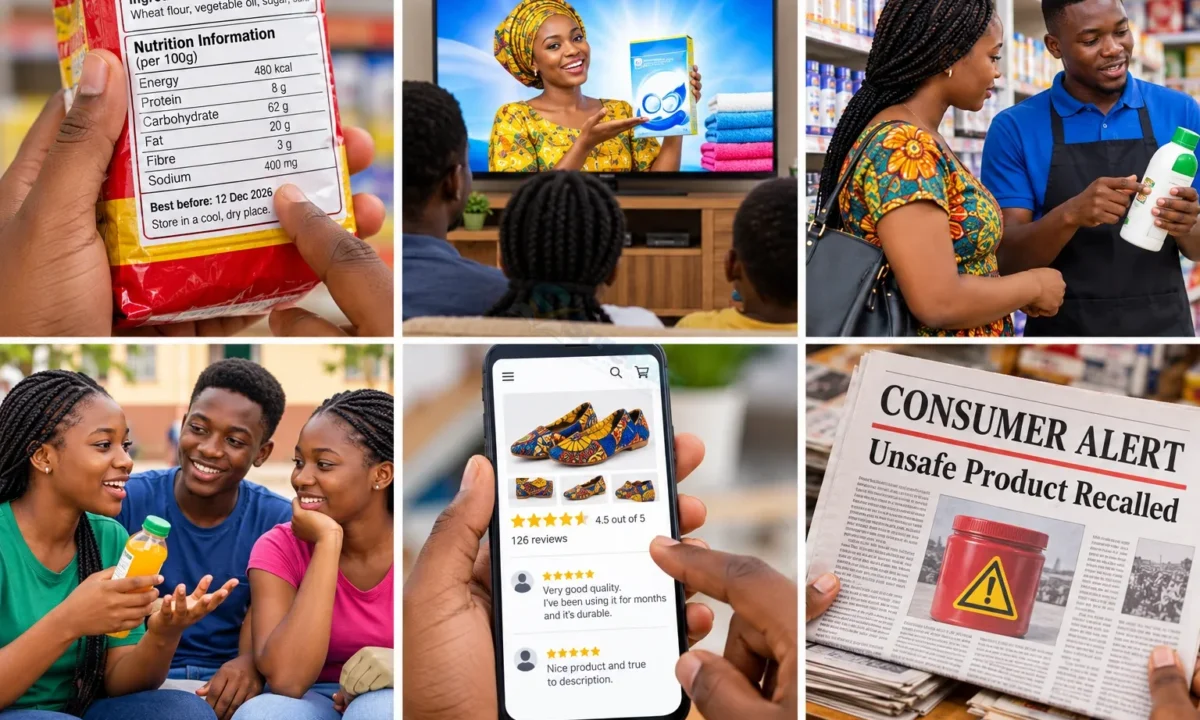
Consumers can obtain information from various sources before making a purchase. These sources provide different types of details that can influence a buying decision.
Common sources of consumer information include:
- Product Labels and Packaging: These provide essential details such as ingredients, nutritional facts, manufacturing and expiry dates, usage instructions, and safety warnings. For example, a food label shows calorie content and allergens.
- Advertisements: Information is often presented through television, radio, newspaper, magazine, and online advertisements. While advertisements can highlight product benefits, consumers should evaluate them critically.
- Salespersons and Retailers: Shop attendants and sales representatives can provide details about products, demonstrate their use, and answer questions. However, their information may sometimes be biased towards making a sale.
- Friends, Family, and Neighbours: Personal recommendations and experiences from trusted individuals can be a valuable source of information, especially for products they have used.
- Consumer Magazines and Websites: Publications and online platforms dedicated to consumer reviews and product comparisons offer independent assessments and ratings of various goods and services.
- Government Agencies: Agencies responsible for consumer protection, standards, and health provide official information, guidelines, and warnings about products and services.
- Media (Newspapers, Television, Radio, Internet): News reports, documentaries, and online articles often cover product recalls, consumer alerts, and market trends that can inform consumers.
- Instruction Manuals and Warranties: These documents provide detailed instructions on how to use, maintain, and troubleshoot a product, as well as information on guarantees and repair services.
Agencies Providing Consumer Information in Nigeria
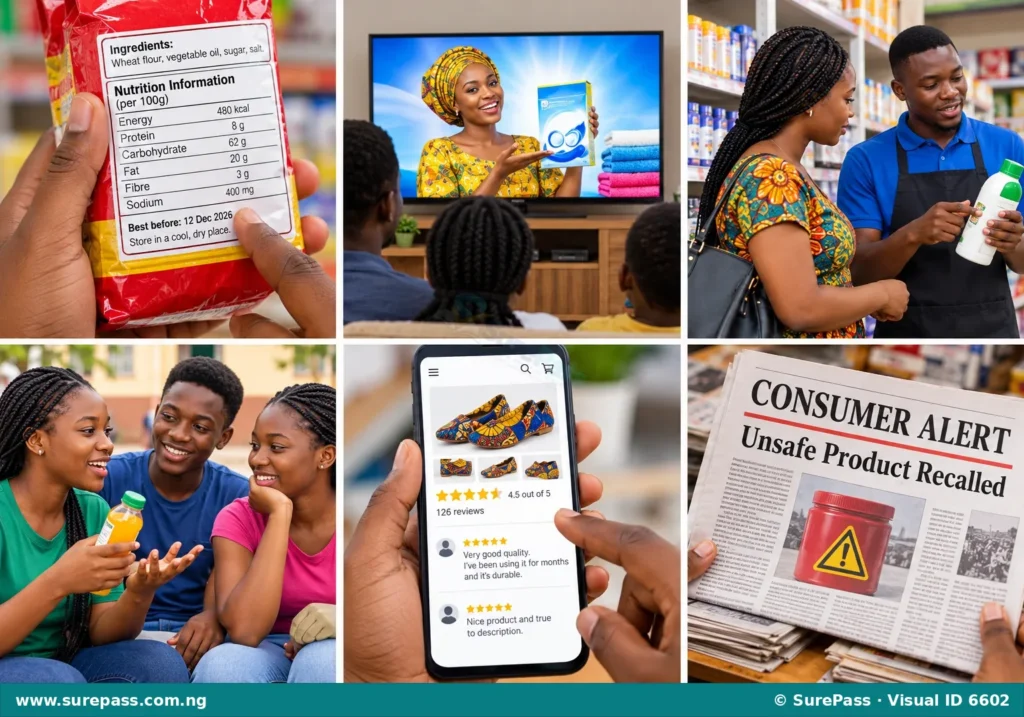
In Nigeria, several government agencies and organisations are responsible for protecting consumers and providing them with vital information about products and services. These agencies help ensure that goods and services meet required standards and that consumers are treated fairly.
Agencies providing consumer information in Nigeria include:
- Federal Competition and Consumer Protection Commission (FCCPC): This is the primary agency for consumer protection in Nigeria. It promotes fair competition, protects consumers from unfair practices, and provides information on consumer rights and responsibilities.
- National Agency for Food and Drug Administration and Control (NAFDAC): NAFDAC is responsible for regulating and controlling the manufacture, importation, exportation, advertisement, distribution, sale, and use of food, drugs, cosmetics, medical devices, chemicals, and packaged water. It provides information on safe and wholesome products.
- Standards Organisation of Nigeria (SON): SON is the national standards body of Nigeria. It develops standards for products and services, conducts quality assurance, and provides information on product quality and safety marks.
- Central Bank of Nigeria (CBN): The CBN regulates financial institutions and provides information to consumers on banking services, financial products, and consumer rights within the financial sector.
- Nigerian Communications Commission (NCC): The NCC regulates the telecommunications industry. It provides information on telecommunication services, consumer rights, and channels for resolving complaints related to mobile networks and internet services.
- Nigerian Electricity Regulatory Commission (NERC): NERC regulates the electricity sector. It provides information on electricity tariffs, consumer rights, and complaint resolution mechanisms for electricity consumers.
Effects of Lack of Consumer Information on Family Well-being
When families lack adequate consumer information, they become vulnerable to various problems that can negatively impact their well-being. These effects can range from financial losses to health risks and overall dissatisfaction.
The effects of lack of consumer information on family well-being include:
- Poor Purchasing Decisions: Without information, families may buy products that are unsuitable for their needs, of low quality, or overpriced, leading to wasted money and dissatisfaction.
- Financial Loss: Buying faulty products, falling for scams, or paying more than necessary for goods and services can lead to significant financial losses for the family.
- Health and Safety Risks: Lack of information about product ingredients, expiry dates, or proper usage can expose family members to health hazards, allergies, or injuries, especially with food, drugs, or household appliances.
- Exploitation and Fraud: Uninformed consumers are easier targets for dishonest sellers who engage in misleading advertising, selling counterfeit goods, or charging exorbitant prices.
- Dissatisfaction and Stress: When products do not meet expectations or cause problems, it can lead to frustration, stress, and arguments within the family.
- Environmental Impact: Purchasing products without considering their environmental impact, due to lack of information, can contribute to waste and pollution, affecting the broader community and future generations.
- Difficulty in Seeking Redress: Without knowledge of consumer rights, warranties, or complaint channels, families may struggle to get refunds, replacements, or compensation for faulty products or poor services.





0 comments
Open the discussion when you need it. Comments stay collapsed until requested so the initial article remains light.