



ARTICLE CONTENTSOn this page 8 sections
Communication in the Family
Performance Objectives
By the end of the lesson, students should be able to:
- define communication in the family;
- explain importance of communication in family relationships;
- mention the types of communication in family relationships;
- outline the hindrances to effective communication in the family;
- suggest ways of enhancing effective communication in the family.
Meaning of Family Communication
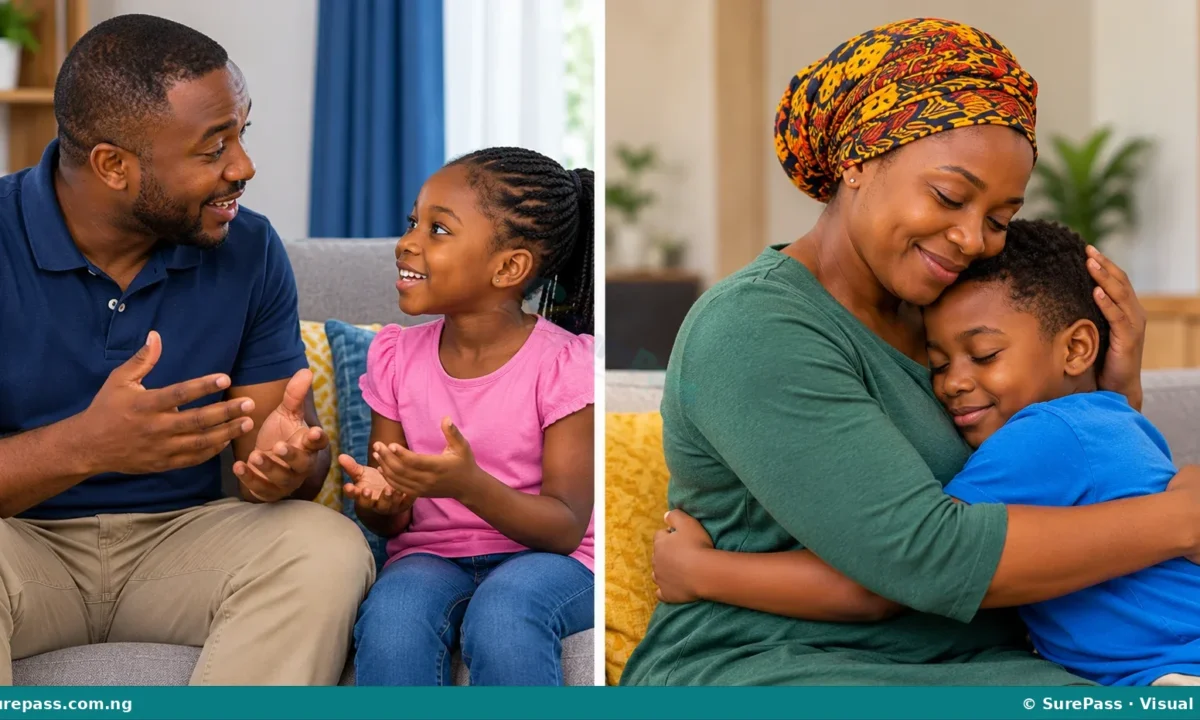
Family communication is the process of sharing information, ideas, thoughts, feelings, and attitudes among members of a family unit.
This process involves both sending and receiving messages. It is the foundation of all interactions within the home, helping family members understand one another and live together in harmony. Effective communication occurs when the receiver understands the message exactly as the sender intended it.
Importance of Communication in Family Relationships
Communication is the lifeblood of any family. Without it, family members would live as strangers under the same roof. Good communication patterns strengthen the family structure and promote individual well-being.
The importance of communication in family relationships includes:
- Promoting Love and Unity: Regular and open discussions help family members express affection, appreciation, and care, which binds the family together.
- Resolving Conflicts: Misunderstandings are inevitable in any home. Honest communication allows family members to discuss grievances calmly and find peaceful solutions.
- Facilitating Decision-Making: Families must make decisions regarding finance, education, nutrition, and daily chores. Communication ensures that everyone can contribute ideas before a final choice is made.
- Building Trust and Security: When children and parents talk openly, it builds mutual trust. Family members feel safe knowing they can share secrets, fears, and mistakes without immediate condemnation.
- Aiding the Socialization of Children: Parents use communication to teach children societal values, morals, cultural norms, and acceptable behaviors.
- Providing Emotional Support: During times of grief, illness, or financial difficulty, verbal encouragement and active listening help family members cope with stress.
Types of Communication in Family Relationships
Communication within the family takes different forms depending on how messages are transmitted and received. Understanding these types helps family members choose the best way to express themselves.
The primary types of communication in family relationships are:
- Verbal Communication: This involves the use of spoken or written words to pass information. Examples include face-to-face conversations, family meetings, telephone calls, text messages, and written notes left on the kitchen table.
- Non-Verbal Communication: This refers to sending and receiving messages without the use of words. It relies on body language, facial expressions, gestures, eye contact, posture, and physical touch. For example, a warm hug communicates love, a frown communicates disapproval, and maintaining eye contact shows attentiveness.

Hindrances to Effective Communication in the Family
Despite its importance, communication in many homes is often blocked or distorted. These barriers prevent family members from understanding one another, leading to tension and distance.
The main hindrances to effective communication in the family are:
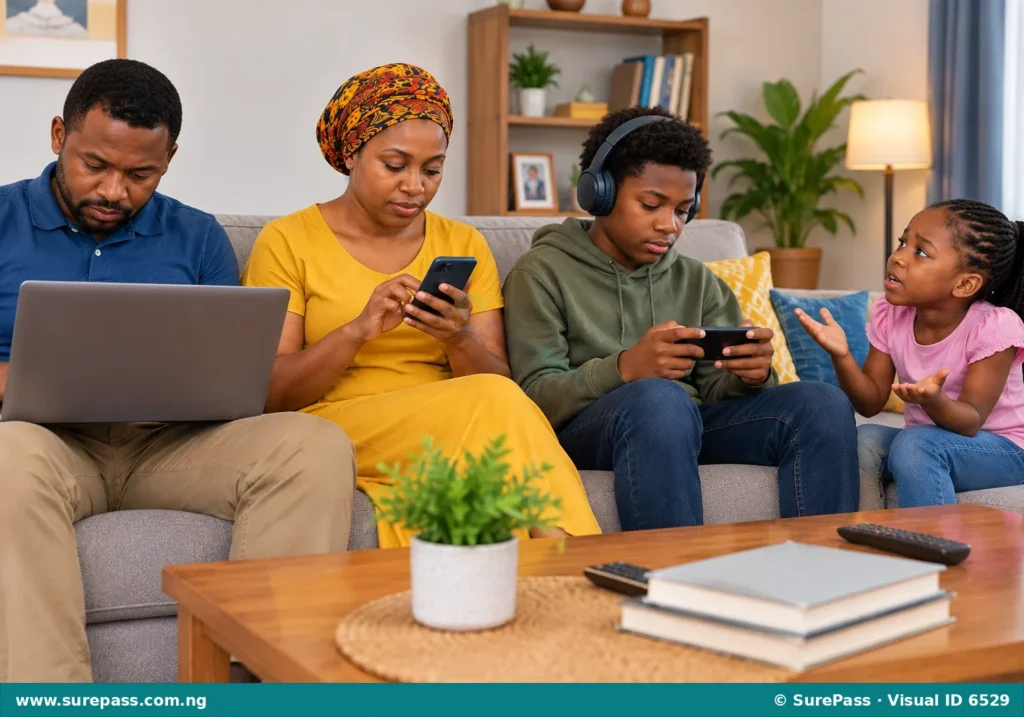
- Physical Distractions and Noise: The presence of loud television sets, radio programs, or constant engagement with mobile phones and social media during family conversations prevents deep connection.
- Emotional Barriers: Strong negative emotions such as anger, fear, jealousy, or resentment make it difficult to speak or listen objectively. A person who is angry is more likely to shout than to communicate constructively.
- Poor Listening Habits: Many family members listen only to formulate a counter-argument rather than to understand the speaker. Interrupting others, selective hearing, and showing lack of interest are common barriers.
- Generational and Status Gaps: Differences in age and authority can hinder dialogue. For instance, authoritarian parenting styles where children are expected to be “seen and not heard” prevent children from expressing their true feelings.
- Lack of Time: Busy work schedules for parents and heavy school workloads for children leave very little time for family members to sit down and talk.
- Use of Offensive Language: Sarcasm, insults, shouting, and labeling create a hostile environment where family members withdraw from conversations to protect themselves.
- Prejudice and Assumptions: Jumping to conclusions or assuming one already knows what another family member wants to say prevents open dialogue.
Ways of Enhancing Effective Communication in the Family
Building healthy communication patterns requires deliberate effort from every member of the family. Implementing positive habits can transform a tense household into a peaceful and supportive environment.
Effective communication in the family can be enhanced through the following ways:
- Practicing Active Listening: Family members should give their full attention when someone is speaking. This involves maintaining eye contact, nodding to show understanding, and waiting for the speaker to finish before responding.
- Creating Dedicated Family Time: Families should set aside specific times to interact without distractions. Examples include eating meals together, holding weekly family meetings, or participating in family recreational outings.
- Using “I” Statements: Instead of using accusatory language like “You always make me angry,” family members should express their feelings using “I” statements, such as “I feel hurt when my opinions are ignored.” This reduces defensiveness.
- Controlling Emotions: When discussions become heated, it is best to take a temporary break to calm down before continuing the conversation. This prevents saying hurtful words in anger.
- Encouraging Openness and Honesty: Parents should create an atmosphere where children can speak honestly about their mistakes, fears, and challenges without the immediate threat of harsh punishment.
- Paying Attention to Non-Verbal Cues: Family members should observe facial expressions and body language to detect when a member is sad, anxious, or tired, even if the person claims to be fine.
- Using Positive and Respectful Language: Speaking politely, saying “please” and “thank you,” and avoiding insults or sarcasm builds mutual respect and encourages dialogue.
Practical Application: Conducting a Family Meeting
A family meeting is a structured and practical way to apply effective communication skills. It provides a safe platform for family members to discuss household matters, resolve conflicts, and plan together.
The required items for this activity are:
- A quiet room or space in the home
- A notebook
- A pen
The procedure involves the following steps:
- Schedule the Meeting: Agree on a convenient time when all family members are free and present at home.
- Set Up the Environment: Gather in a comfortable circle where everyone can see each other. Turn off all televisions, radios, and mobile phones to eliminate distractions.
- Appoint Roles: Select one family member to act as the facilitator to guide the discussion, and another to act as the writer to record decisions in the notebook. These roles can rotate in future meetings.
- Establish Ground Rules: State the rules clearly before starting. The rules must include speaking one at a time, using polite language, and listening without interrupting.
- Introduce the Discussion Topic: The facilitator introduces the main topic, such as planning the weekly chore schedule or discussing family expenses.
- Share Perspectives: Allow each family member, from the oldest to the youngest, to express their thoughts on the topic. Ensure that everyone is given equal time to speak.
- Practice Active Listening: While one member speaks, others must listen attentively, nodding and maintaining eye contact to show respect.
- Reach a Consensus: Discuss the suggestions calmly and agree on a solution that works best for the entire family. The writer should record this agreement.
- Close the Meeting: End the meeting with words of appreciation, thanking everyone for their contributions and cooperative spirit.




0 comments
Open the discussion when you need it. Comments stay collapsed until requested so the initial article remains light.