


ARTICLE CONTENTSOn this page 9 sections
Entrepreneurial Skills in Home Management
Performance Objectives
By the end of the lesson, students should be able to:
- discuss the meaning and importance of entrepreneurial skills in Home Management;
- state differences between types of entrepreneurial opportunities in Home Management;
- outline qualities of a home-based entrepreneur;
- differences between enterprise and entrepreneurial skills in Home Management;
- explain steps in starting home- based business.
Meaning of Entrepreneurial Skills in Home Management
Entrepreneurial skills are abilities that help individuals identify opportunities, create new ventures, and manage risks to achieve success. In Home Management, these skills involve using knowledge and practical abilities related to the home to create goods or services that can be sold for profit.
These skills enable individuals to turn everyday household tasks, knowledge of nutrition, clothing, housing, and family care into viable business ideas. It is about being innovative and resourceful within the context of managing a home and family.
Importance of Entrepreneurial Skills in Home Management
Entrepreneurial skills are important in Home Management for several reasons:
- Financial Independence: These skills allow individuals to generate income from home-based activities, leading to financial stability and independence.
- Job Creation: Home-based entrepreneurs can create jobs for themselves and potentially for others, contributing to economic growth.
- Flexibility: Operating a business from home offers flexibility in managing work and family responsibilities, which is particularly beneficial for caregivers.
- Utilisation of Resources: Entrepreneurial skills help in identifying and utilising available resources within the home and community effectively to create value.
- Personal Growth: Starting and managing a business fosters personal development, problem-solving abilities, and self-confidence.
- Community Development: Home-based businesses can provide essential goods and services to the local community, meeting specific needs and enhancing local economies.
Types of Entrepreneurial Opportunities in Home Management
Entrepreneurial opportunities in Home Management involve various areas where home management skills can be applied to create a business. These opportunities often leverage practical knowledge and abilities related to household tasks, family care, nutrition, and clothing.
Common types of entrepreneurial opportunities in Home Management include:
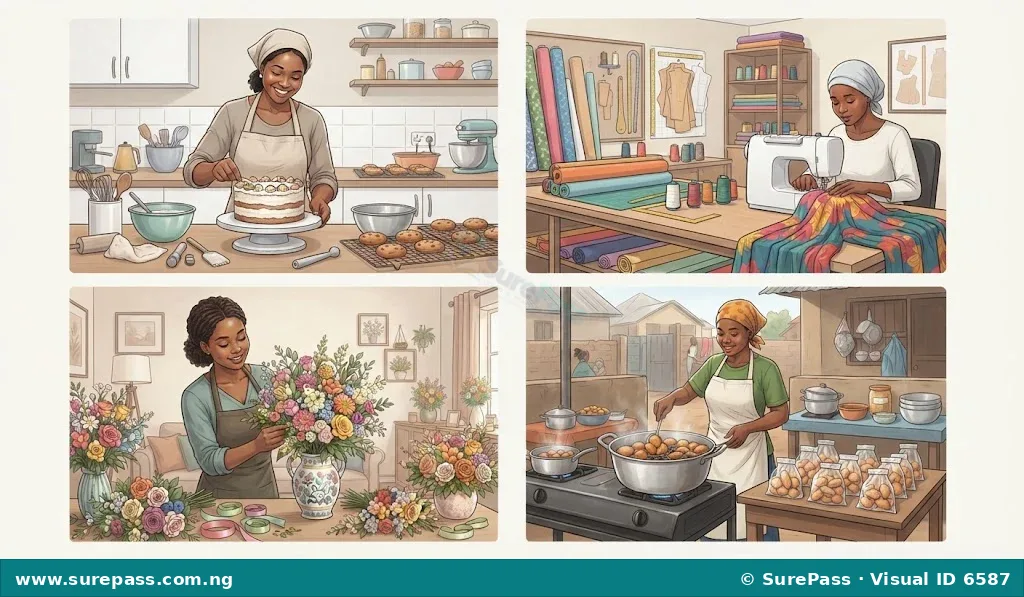
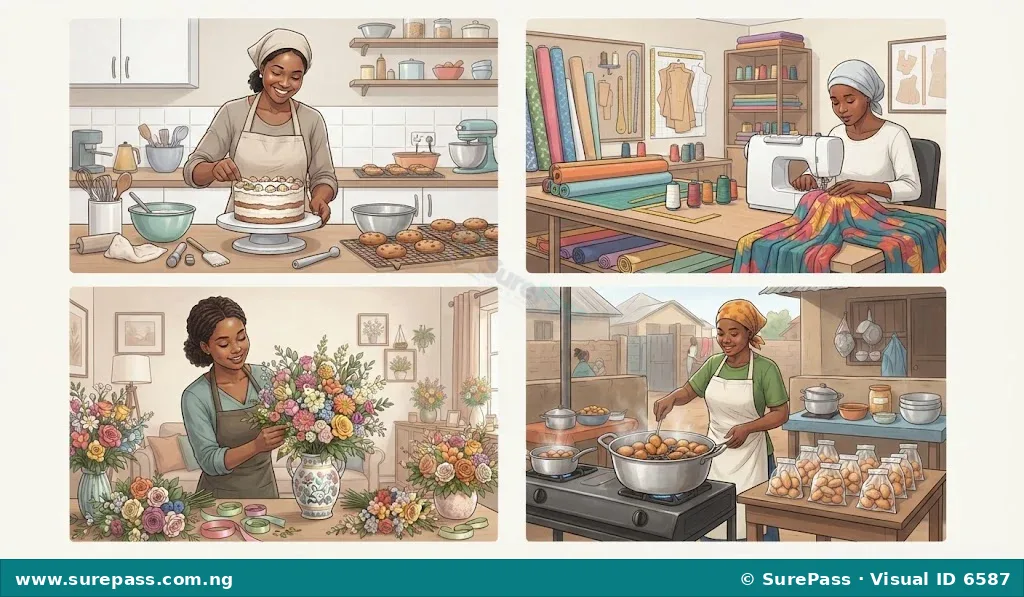
- Catering and Food Services: This involves preparing and selling food items from home. Examples include baking cakes, making snacks, preparing traditional meals for sale, or offering small-scale catering for events.
- Fashion and Textile Design: This area focuses on creating and selling clothing, accessories, or textile products. Examples include tailoring services, designing and making clothes, tie-dye production, bead making, or creating household linen like bedsheets and curtains.
- Home Cleaning and Organisation Services: This involves offering services to help others manage their homes. Examples include professional cleaning services, home decluttering and organisation, or laundry services.
- Childcare and Elderly Care Services: Providing care for children or the elderly within a home setting. Examples include running a home-based crèche, after-school care, or offering companionship and basic care for older adults.
- Interior Decoration and Home Furnishing: This involves designing and creating items to beautify homes. Examples include making throw pillows, curtains, wall hangings, or offering interior design consultation for small spaces.
- Crafts and Handmade Products: Producing and selling various handmade items for home use or decoration. Examples include making soaps, candles, handmade cards, or small decorative items.
- Nutritional Consulting and Meal Planning: Offering advice on healthy eating and creating meal plans for individuals or families. This leverages knowledge of food and nutrition.
Qualities of a Home-Based Entrepreneur
Successful home-based entrepreneurs possess certain qualities that help them navigate the challenges of running a business from home. These qualities are essential for managing both household responsibilities and business operations effectively.
Important qualities of a home-based entrepreneur include:
- Self-Discipline: The ability to stay focused and motivated without external supervision, especially when working from home where distractions can be common.
- Time Management: Skill in organising and prioritising tasks to balance business activities with personal and family commitments.
- Creativity and Innovation: The capacity to develop new ideas, products, or services, and to find unique ways to solve problems or meet customer needs.
- Resourcefulness: The ability to make the most of available resources, including materials, time, and skills, often with limited budgets.
- Problem-Solving Skills: The capacity to identify issues, analyse them, and develop effective solutions for business challenges.
- Adaptability: The willingness and ability to adjust to changing market conditions, customer preferences, or unexpected challenges.
- Good Communication Skills: The ability to clearly convey ideas, listen to customers, and build positive relationships with suppliers and clients.
- Financial Literacy: Basic understanding of managing money, pricing products, tracking expenses, and understanding profit and loss.
- Resilience: The ability to bounce back from setbacks, learn from failures, and persist in the face of difficulties.
- Passion: A strong enthusiasm for the business idea and the work involved, which drives motivation and commitment.
Differences Between Enterprise and Entrepreneurial Skills in Home Management
It is important to understand the distinction between an enterprise and entrepreneurial skills, especially in the context of Home Management.
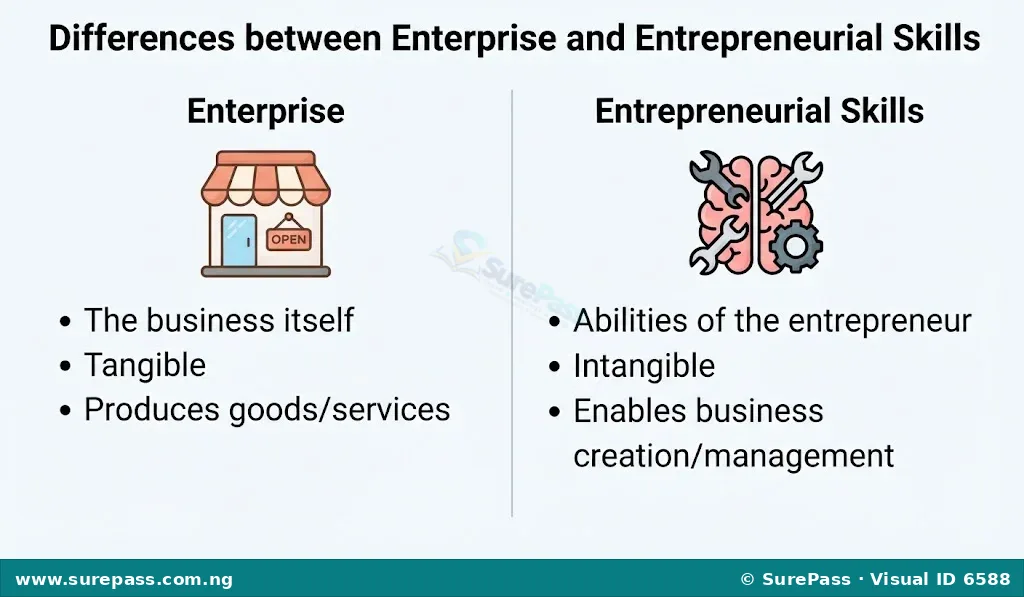
Enterprise refers to the actual business venture or project that is created. It is the organisation or activity that produces goods or services for sale. In Home Management, an enterprise could be a home-based catering service, a tailoring shop run from home, or a childcare centre operated from a residence.
Entrepreneurial skills are the personal attributes, knowledge, and abilities that an individual possesses to identify opportunities, initiate, develop, and manage an enterprise successfully. These skills are the tools that enable a person to create and run the enterprise.
The differences between enterprise and entrepreneurial skills can be summarised as follows:
- Nature: Enterprise is the business itself (the noun), while entrepreneurial skills are the abilities or qualities of the person running the business (the adjective/attribute).
- Tangibility: An enterprise is a tangible entity or activity that can be seen, registered, and operated. Entrepreneurial skills are intangible personal qualities and abilities.
- Function: The function of an enterprise is to produce goods or services and generate profit. The function of entrepreneurial skills is to enable the creation, management, and growth of an enterprise.
- Relationship: Entrepreneurial skills are necessary for creating and sustaining an enterprise. An enterprise is the outcome or result of applying entrepreneurial skills.
- Examples: An example of an enterprise is “Mama Ngozi’s Home Bakery.” Examples of entrepreneurial skills include Mama Ngozi’s ability to bake well, manage her time, and market her products.
Steps in Starting a Home-Based Business
Starting a home-based business requires careful planning and execution. Following a structured approach can increase the chances of success. These steps help in transforming a business idea into a functioning enterprise.
The steps in starting a home-based business include:
- Identify a Business Idea: Begin by identifying a product or service that can be offered from home, leveraging existing home management skills or interests. Consider what needs exist in the community that can be met.
- Conduct Market Research: Investigate if there is demand for the chosen product or service. Understand who the potential customers are, what they need, and what competitors offer.
- Develop a Business Plan: Create a simple plan outlining the business idea, target market, products/services, marketing strategy, operational details, and financial projections. This serves as a roadmap.
- Secure Funding (if needed): Determine the initial capital required. This might involve personal savings, small loans from family, or microfinance options. Many home-based businesses can start with minimal capital.
- Set Up a Dedicated Workspace: Designate a specific area within the home for business operations. This helps in maintaining focus and separating personal and business activities.
- Obtain Necessary Registrations and Permits: Research and comply with any local government requirements for registering a home-based business. This might include business name registration or health permits for food businesses.
- Acquire Equipment and Supplies: Purchase or gather the necessary tools, equipment, and raw materials needed to produce the goods or deliver the services.
- Develop Products or Services: Create the actual products or refine the services to be offered, ensuring they meet quality standards and customer expectations.
- Market the Business: Promote the business to attract customers. This can involve word-of-mouth, social media, local flyers, or community events.
- Start Operations and Seek Feedback: Begin selling products or offering services. Continuously gather feedback from customers to improve offerings and operations.
Setting Up a Home-Based Business
Setting up a home-based business involves practical application of the steps outlined above. This skill focuses on the actual process of preparing the home environment and resources to begin business operations.
The practical process of setting up a home-based business involves the following:
- Choose a suitable business idea: Select an idea that aligns with your skills and available resources, such as baking, tailoring, or making crafts.
- Plan your workspace: Identify a quiet, clean, and organised area in your home that can be dedicated to your business activities. Ensure it has adequate lighting and ventilation.
- Gather essential tools and materials: List all the equipment, ingredients, or supplies needed for your chosen business. For example, a sewing machine for tailoring, or baking pans and ingredients for a bakery.
- Organise your supplies: Arrange your tools and materials neatly within your designated workspace to ensure efficiency and easy access.
- Create a simple budget: Estimate your initial expenses for materials and any small equipment. Plan how you will manage your money.
- Develop a basic marketing plan: Think about how you will tell people about your business. This could be by telling friends and family, using social media, or making simple flyers.
- Practice your skill: Before selling, ensure your product or service is of good quality. For example, bake a few cakes to perfect your recipe or sew some items to improve your stitching.
- Set your prices: Determine fair prices for your products or services, considering the cost of materials and your time.
- Start small: Begin with a few customers or a small batch of products to test your business idea and gather feedback.
- Keep records: Maintain simple records of your sales and expenses to track your business performance.




0 comments
Open the discussion when you need it. Comments stay collapsed until requested so the initial article remains light.