



ARTICLE CONTENTSOn this page 9 sections
Concept of Entrepreneurship in Horticulture and Crop Production
Performance Objectives
By the end of the lesson, students should be able to:
- explain the meaning of entrepreneurship, intrapreneur and entrepreneur in horticulture and crop production;
- discuss the benefits of entrepreneurship in horticulture and crop production;
- differentiate between entrepreneur and intrapreneur in horticulture and crop production;
- identify the challenges of horticulture and crop production entrepreneurship practices in Nigeria.
Introduction to Entrepreneurship in Agriculture
Many people in Nigeria are involved in farming, growing crops, and raising animals. Some people do this just to feed their families, while others see it as a way to create a business and earn money. When someone starts a business, especially one that involves new ideas or taking risks, they are showing entrepreneurship. In horticulture and crop production, entrepreneurship means finding new ways to grow plants, process farm produce, or sell agricultural products to make a profit and help the community.
Meaning of Entrepreneurship
Entrepreneurship is the activity of setting up a business or businesses, taking on financial risks in the hope of profit.
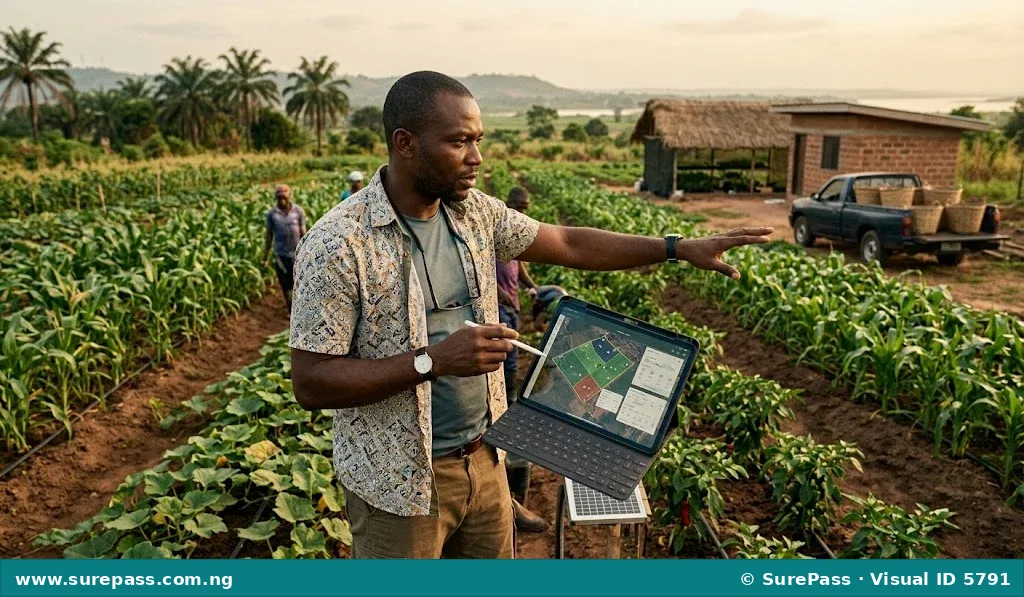
In horticulture and crop production, entrepreneurship involves identifying opportunities in growing plants, cultivating crops, or processing farm produce. It means taking the initiative to start a new farm, a plant nursery, a food processing company, or a business that sells agricultural tools. This often requires new ideas, hard work, and a willingness to face challenges.
The Entrepreneur in Horticulture and Crop Production
An entrepreneur is a person who sets up a business, taking on financial risks in the hope of profit.
In horticulture and crop production, an entrepreneur is someone who starts and manages a farm, a plant nursery, a business that processes fruits or vegetables, or a company that sells seeds and fertilisers. They are the owners of these businesses and are responsible for all decisions and risks.
Characteristics of an Entrepreneur
Entrepreneurs in horticulture and crop production often have certain qualities that help them succeed. These characteristics include:
- Risk-taker: They are willing to invest their money and time, even when there is a chance of failure, such as crop diseases or market price changes.
- Innovative: They look for new and better ways to do things, like using modern farming techniques or creating new products from farm produce.
- Leader: They guide and motivate their workers and make important decisions for their business.
- Self-motivated: They do not wait for others to tell them what to do; they are driven by their own goals and passion.
- Persistent: They do not give up easily when faced with challenges like bad weather or difficulty selling their produce.
- Visionary: They have a clear idea of what they want their business to achieve in the future.
Skills and Competencies of an Entrepreneur
To be successful, an entrepreneur needs various skills and competencies. These include:
- Business Planning: The ability to create a clear plan for how the business will operate, grow, and make money.
- Marketing Skills: Knowing how to sell farm products to customers and find new markets.
- Financial Management: The ability to manage money, including budgeting, tracking expenses, and understanding profits.
- Leadership Skills: Inspiring and guiding employees to work effectively towards common goals.
- Problem-solving Skills: Finding solutions to unexpected issues, such as pest outbreaks or equipment breakdowns.
- Technical Farming Skills: Having knowledge about soil, crops, planting, harvesting, and other agricultural practices.
Functions of an Entrepreneur in Horticulture and Crop Production
The main functions of an entrepreneur in this sector are:
- Identifying Opportunities: Finding gaps in the market, such as a demand for a particular crop or a need for processed farm products.
- Mobilising Resources: Gathering the necessary land, labour, capital (money), and equipment to start and run the business.
- Managing Operations: Overseeing daily activities, from planting and harvesting to processing and selling.
- Bearing Risks: Taking responsibility for potential losses or failures in the business.
- Making Profit: Working to ensure the business earns enough money to cover costs and generate a surplus.
The Intrapreneur in Horticulture and Crop Production
An intrapreneur is an employee within a large company who is given the freedom and resources to initiate new projects or develop new products, acting like an entrepreneur within the organisation.
In the context of horticulture and crop production, an intrapreneur might be a scientist working for a large agricultural company who develops a new disease-resistant seed variety. They could also be an employee in a food processing company who finds a more efficient way to package products or creates a new flavour of juice using local fruits. They do not own the company but use their entrepreneurial skills to benefit the company they work for.
Characteristics of an Intrapreneur
Intrapreneurs share some qualities with entrepreneurs but operate within a different structure. Their characteristics include:
- Innovative: They constantly look for new ideas and improvements within their company.
- Problem-solver: They identify challenges within the company and work to find creative solutions.
- Proactive: They take initiative and do not wait for instructions to start new projects or improve processes.
- Team Player: While they lead projects, they also collaborate effectively with colleagues and departments within the company.
- Resourceful: They make the best use of the resources available to them within the organisation to achieve their goals.
Skills and Competencies of an Intrapreneur
Intrapreneurs need a specific set of skills to succeed within an existing company:
- Creativity: The ability to come up with original ideas for products, services, or processes.
- Project Management: Organising and overseeing specific projects from start to finish within the company’s guidelines.
- Communication Skills: Effectively presenting ideas to management and collaborating with different teams.
- Technical Farming Skills: Similar to entrepreneurs, they need knowledge of agricultural practices relevant to their role.
- Adaptability: Being able to adjust to changes in company policies, market demands, or project requirements.
Functions of an Intrapreneur in Horticulture and Crop Production
The functions of an intrapreneur within an agricultural company include:
- Developing New Products/Processes: Creating new seed types, fertilisers, farming equipment, or improving existing processing methods.
- Improving Existing Methods: Finding ways to make farming more efficient, reduce waste, or increase crop yield for the company.
- Finding New Markets (within the company): Identifying new customer segments or distribution channels for the company’s products.
- Driving Innovation: Encouraging a culture of new ideas and continuous improvement within the organisation.
Differentiating Between Entrepreneur and Intrapreneur
While both entrepreneurs and intrapreneurs are innovative and driven, there are key differences in their roles and how they operate in horticulture and crop production:
- Ownership: An entrepreneur owns their business, while an intrapreneur is an employee working within an existing company.
- Risk Bearing: Entrepreneurs bear the full financial risk of their business. Intrapreneurs take risks on behalf of the company they work for, and the company bears the financial risk.
- Independence: Entrepreneurs have full independence in decision-making. Intrapreneurs operate within the rules and structure of the company they work for.
- Reward: Entrepreneurs earn profits from their business. Intrapreneurs receive a salary and often bonuses or recognition from their employer for their innovations.
- Resources: Entrepreneurs must find and mobilise all their own resources (land, money, labour). Intrapreneurs use the resources provided by the company they work for.
- Focus: An entrepreneur’s focus is on starting and growing a new venture. An intrapreneur’s focus is on innovating and improving within an existing organisation.
Factors Influencing Entrepreneurs and Intrapreneurs
Different factors can influence the success and activities of entrepreneurs and intrapreneurs:
- Factors Influencing Entrepreneurs:
- Access to Capital: Availability of loans, grants, or personal savings to start and run the farm or business.
- Market Demand: The need for specific crops or processed agricultural products by consumers.
- Government Policies: Support or restrictions from the government regarding farming, land use, and business registration.
- Personal Drive: The individual’s passion, determination, and willingness to work hard.
- Land Availability: Access to suitable land for cultivation or setting up processing facilities.
- Factors Influencing Intrapreneurs:
- Company Culture: Whether the company encourages and supports new ideas and innovation from its employees.
- Management Support: The willingness of company leaders to provide resources and approval for new projects.
- Resources within the Company: Availability of funds, equipment, research facilities, and skilled personnel within the organisation.
- Reward System: How the company recognises and rewards employees for their innovative contributions.
- Personal Drive: The individual’s motivation to innovate and make a difference within their workplace.
Benefits of Entrepreneurship in Horticulture and Crop Production
Entrepreneurship brings many advantages to the horticulture and crop production sector, as well as to the wider Nigerian society. These benefits include:
- Job Creation: Entrepreneurs start farms, processing plants, and distribution businesses, which create jobs for many people, reducing unemployment.
- Food Security: By increasing the production of crops and horticultural products, entrepreneurs help ensure that there is enough food for everyone in the country.
- Economic Growth: New agricultural businesses contribute to the national economy by producing goods, earning revenue, and paying taxes.
- Innovation in Farming Methods: Entrepreneurs often introduce new technologies, better farming practices, and improved crop varieties, leading to higher yields and better quality produce.
- Improved Standard of Living: Successful agricultural businesses can provide better incomes for farmers and workers, leading to improved living conditions for their families and communities.
- Value Addition: Entrepreneurs process raw farm produce into finished products (e.g., fruit juices, dried vegetables), which increases their value and extends their shelf life.
Challenges of Entrepreneurship in Horticulture and Crop Production in Nigeria
Despite the many benefits, entrepreneurs in horticulture and crop production in Nigeria face several challenges that can make it difficult to succeed. These challenges include:
- Funding:
- Difficulty in Accessing Loans: Many small-scale farmers and new entrepreneurs find it hard to get loans from banks due to strict requirements or lack of collateral.
- High Interest Rates: When loans are available, the interest rates can be very high, making it difficult for businesses to repay.
- Lack of Personal Savings: Many potential entrepreneurs do not have enough personal savings to start their businesses.
- Basic Infrastructure:
- Poor Road Networks: Bad roads make it difficult and expensive to transport farm produce from rural areas to markets in cities, leading to spoilage and losses.
- Unreliable Electricity Supply: Lack of consistent power makes it hard to operate processing machines, store perishable goods in cold rooms, or irrigate farms efficiently.
- Limited Storage Facilities: Insufficient storage facilities mean that harvested crops can spoil quickly, especially during peak seasons when prices are low.
- Lack of Irrigation Systems: Many farms rely on rainfall, making them vulnerable to drought. Modern irrigation systems are often expensive and unavailable.
- Lack of Skills and Values:
- Insufficient Knowledge of Modern Farming Techniques: Many farmers still use traditional methods, which may not be as productive or efficient as modern approaches.
- Poor Business Management Skills: Entrepreneurs may lack skills in planning, marketing, and financial management, which are crucial for business success.
- Lack of Dedication and Honesty: Sometimes, a lack of commitment or integrity can hinder the growth and sustainability of agricultural ventures.



0 comments
Open the discussion when you need it. Comments stay collapsed until requested so the initial article remains light.