


ARTICLE CONTENTSOn this page 8 sections
Marketing of Horticultural and Crop Products (Goods and Services)
Performance Objectives
By the end of the lesson, students should be able to:
- state the meaning of market and marketing in horticulture and crop products;
- explain the basic characteristics of markets in horticulture and crop products;
- discuss the importance of marketing in horticulture and crop products;
- identify factors that determine the choice of target markets for horticulture and crop products;
- explain marketing strategies for horticulture and crop products;
- identify different means of marketing in horticulture and crop products.
After farmers have worked hard to plant and harvest their crops, the next important step is to sell these products. This process of selling is known as marketing. Marketing ensures that the fresh produce and other farm goods reach the people who need them.
Meaning of Market and Marketing
What is a Market?
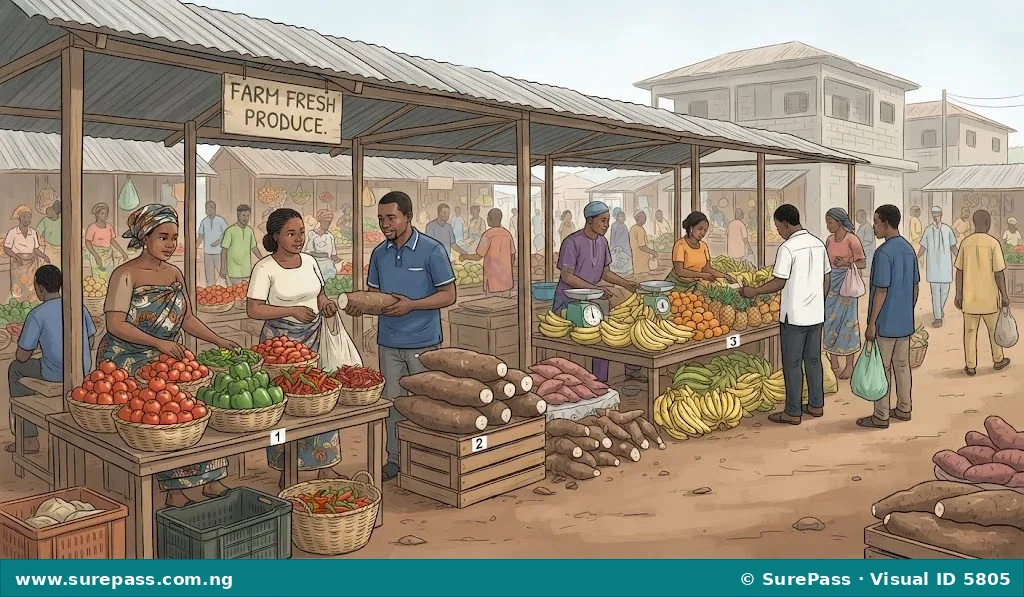
A market, in horticulture and crop production, is a place or system where buyers and sellers meet to exchange horticultural and crop products for money.
This place can be a physical location like a village square, a town market, or even a roadside stall. It can also be a virtual space, such as an online platform where farmers list their products for sale.
What is Marketing?
Marketing, in horticulture and crop production, refers to all the activities involved in moving horticultural and crop products from the farm to the final consumer.
These activities include preparing the products, packaging them, transporting them, storing them, and finding buyers. The goal of marketing is to make sure the products are sold at a good price and reach the customers who want them.
Basic Characteristics of a Market for Horticultural and Crop Products
Markets for horticultural and crop products have certain features that make them unique. Understanding these characteristics helps farmers to sell their produce effectively. The basic characteristics include:
- Presence of Buyers and Sellers: A market must have people who want to buy (buyers) and people who want to sell (sellers). Without both, no exchange can happen.
- Products for Exchange: There must be horticultural and crop products available for sale, such as fresh vegetables, fruits, grains, or processed farm goods.
- Location: Markets can be physical places where people gather, or they can be online platforms. The location makes it easy for buyers and sellers to connect.
- Price: A price must be agreed upon for the products. This is the amount of money the buyer pays to the seller.
- Information: Buyers and sellers need information about the products, their quality, and their prices to make good decisions.
Importance of Marketing in Horticulture and Crop Production
Marketing is very important for farmers and for the community. It helps to ensure that farm products are available to everyone and that farmers can earn a living. The importance of marketing includes:
- Income for Farmers: Marketing allows farmers to sell their produce and earn money. This income helps them to take care of their families and invest in future farming activities.
- Availability of Food: Through marketing, horticultural and crop products are moved from farms to cities and towns, making food available to many people.
- Job Creation: Marketing activities create jobs for many people, such as transporters, market vendors, packagers, and sales agents.
- Meeting Consumer Needs: Marketing helps farmers understand what consumers want, so they can grow the right crops and supply them fresh.
- Economic Growth: When farmers sell their products successfully, it contributes to the overall economic growth of the community and the country.
Factors for Selecting a Market for Horticultural and Crop Products
Farmers need to choose the best market for their products to get good prices and sell everything they harvest. Several factors influence this choice:
- Proximity to the Farm: Markets that are closer to the farm reduce transportation costs and the time it takes to get products there. This helps keep products fresh.
- Demand for the Product: Farmers will choose markets where there is a high demand for their specific products. For example, a market known for selling a lot of tomatoes would be good for a tomato farmer.
- Prices Offered: Farmers will look for markets where they can get the best prices for their produce. They might compare prices in different markets before deciding.
- Accessibility and Transportation: The market should be easy to reach, with good roads or transport options. Difficult access can increase costs and damage products.
- Competition: Farmers consider how many other sellers are offering similar products. Too much competition might drive prices down.
- Market Facilities: Some markets have better storage, display areas, or processing facilities, which can be beneficial for certain products.
Marketing Strategies for Horticultural and Crop Products
Marketing strategies are plans that farmers use to sell their products successfully. These plans help them reach the right customers and make good sales.
Target Markets
A target market is a specific group of customers that a farmer wants to sell their products to.
Instead of trying to sell to everyone, farmers focus on a particular group of people who are most likely to buy their products. For example, a farmer growing special organic vegetables might target health-conscious individuals or restaurants that use organic ingredients.
Marketing Mix (The 4 Ps)
The marketing mix is a set of tools that farmers use to achieve their marketing goals. These tools are often called the “4 Ps”: Product, Price, Place, and Promotion.
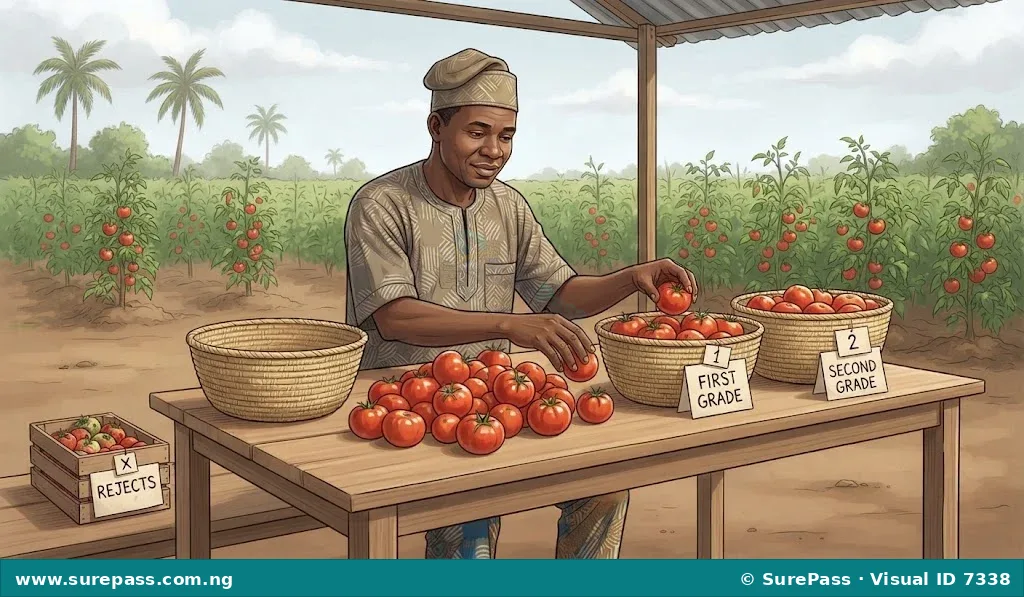
- Product: This refers to the actual horticultural or crop product being sold.
Farmers need to ensure their products are of good quality, fresh, and meet the needs of their target market. This could involve sorting, cleaning, and packaging the produce attractively.
- Price: This is the amount of money customers pay for the product.
Farmers need to set a price that covers their costs (like seeds, labour, transport) and also allows them to make a profit. The price should also be fair and attractive to customers, considering what competitors are charging.
- Place: This refers to where and how the products are made available to customers.
This could be a local market, a roadside stall, direct sales to restaurants, or even selling through a cooperative. The “place” should be convenient for the target customers.
- Promotion: This involves all the ways farmers communicate with their target customers about their products.
Promotion can include telling people about the products by word-of-mouth, putting up signs, or using social media to show off fresh produce. The goal is to make customers aware of the products and encourage them to buy.
Means of Marketing
Farmers use different methods to market their horticultural and crop products. These methods can be broadly categorised into traditional and digital marketing.
Traditional Marketing
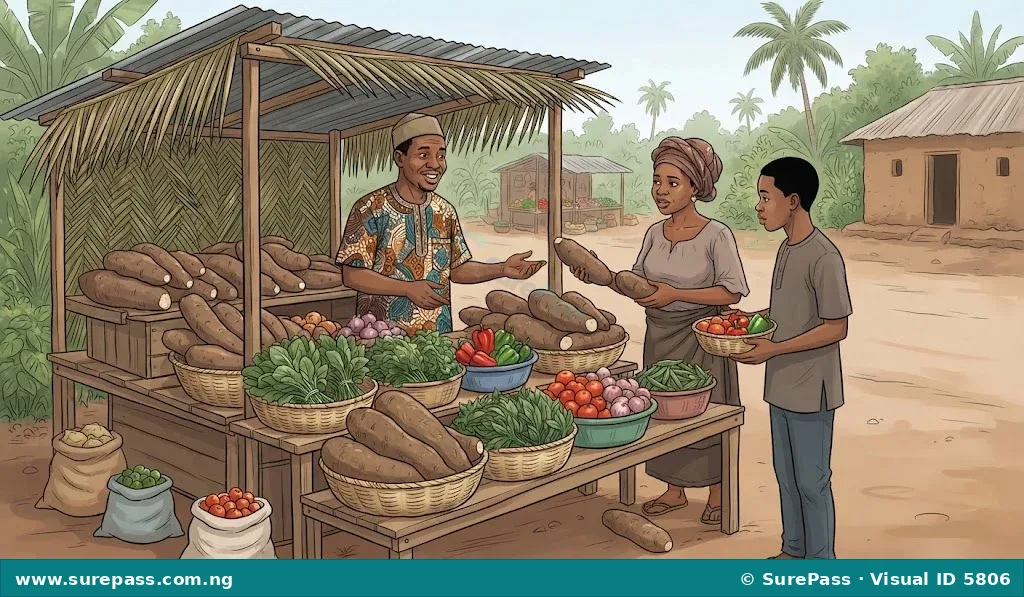
Traditional marketing involves older, more common ways of selling products that do not rely on the internet or modern technology. These methods are often used in local communities.
Examples of traditional marketing include:
- Local Markets: Selling produce directly at a village or town market where buyers come to shop.
- Roadside Stalls: Setting up a small stand by the road to sell fresh produce to passers-by.
- Direct Sales to Consumers: Selling directly from the farm to individual customers who visit.
- Selling to Middlemen/Wholesalers: Selling large quantities of produce to traders who then sell to smaller retailers or consumers.
- Word-of-Mouth: Customers telling others about the good quality of a farmer’s products.
Digital Marketing
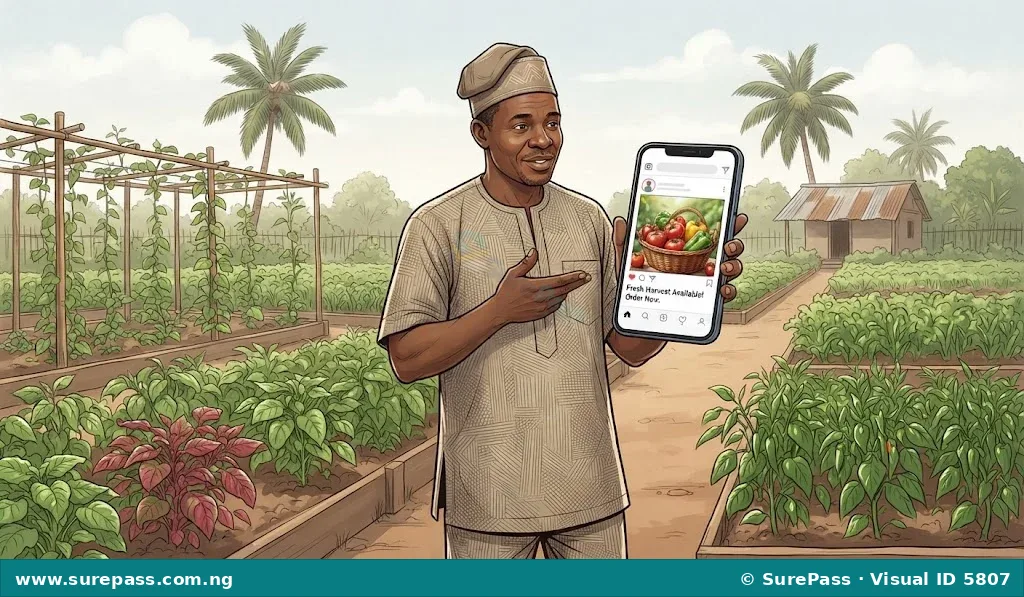
Digital marketing uses electronic devices and the internet to promote and sell products. This method is becoming more popular, especially for reaching a wider audience.
Examples of digital marketing include:
- Social Media Marketing: Using platforms like Facebook, Instagram, or WhatsApp to display products, share prices, and take orders from customers.
- Online Marketplaces: Listing products on websites or apps specifically designed for buying and selling farm produce.
- Creating a Simple Website: A farmer might have a basic website to showcase their farm and products, allowing customers to place orders online.
- Email Marketing: Sending emails to a list of customers to inform them about new harvests, special offers, or farm updates.



0 comments
Open the discussion when you need it. Comments stay collapsed until requested so the initial article remains light.