



ARTICLE CONTENTSOn this page 6 sections
Post-harvest Management of Vegetables
Performance Objectives
By the end of the lesson, students should be able to:
- define post- harvest management of vegetables;
- list the importance of post-harvest management of vegetables;
- list the activities involved in post- harvest management of vegetables;
- explain the activities involved in post- harvest management of vegetables.
Meaning of Post-Harvest Management of Vegetables
Post-harvest management of vegetables refers to all the activities carried out on vegetables immediately after they are harvested until they reach the consumer.
These activities are important to keep the vegetables fresh, reduce waste, and ensure they are safe and good quality for eating or selling. It covers everything from picking the vegetables from the farm to getting them ready for the market or home use.
Importance of Post-Harvest Management of Vegetables
Proper post-harvest management is very important for several reasons. It helps to ensure that vegetables remain in good condition and are available for people to eat.
The importance of post-harvest management of vegetables includes the following:
- Reduces Spoilage and Waste: Many vegetables can spoil quickly after harvest if not handled properly. Post-harvest management helps to slow down spoilage, reducing the amount of food that goes to waste.
- Maintains Quality and Freshness: Activities like proper storage and packaging help to keep vegetables fresh, firm, and appealing. This means they look good and taste good when they are eaten.
- Increases Market Value: Fresh, well-handled vegetables are more attractive to buyers and can be sold at a better price. Poorly managed vegetables may be damaged or spoiled, making them less valuable.
- Ensures Food Safety: Proper cleaning and handling reduce the risk of contamination by dirt, pests, or harmful germs, making the vegetables safe to eat.
- Extends Shelf Life: By managing temperature and moisture, vegetables can last longer, allowing them to be transported to distant markets or stored for later use.
- Provides Food Security: Reducing waste and extending shelf life means more food is available for people, contributing to food security in communities.
Activities in Post-Harvest Management of Vegetables
After vegetables are harvested from the farm, several important activities are carried out to prepare them for consumption or sale. These activities ensure the vegetables remain fresh and of good quality.
The main activities involved in post-harvest management of vegetables are:
- Sorting
- Grading
- Packaging
- Storage
- Transporting
Sorting Vegetables
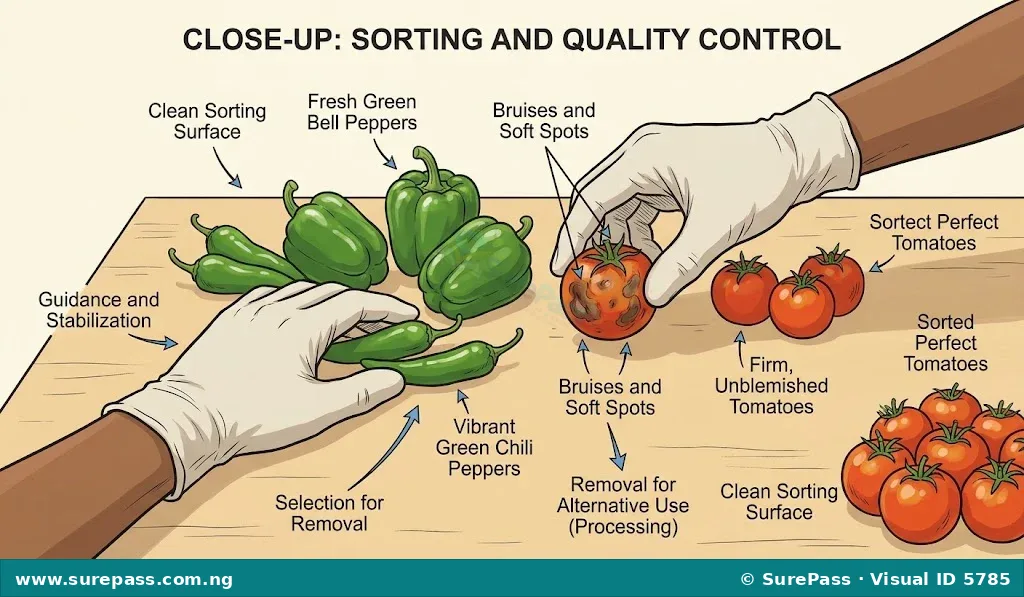
Sorting is the process of separating vegetables based on their condition. It involves removing damaged, diseased, or unripe vegetables from the healthy ones.
For example, if some tomatoes have bruises or soft spots, they are separated from the firm, healthy ones. This prevents the bad vegetables from affecting the good ones and ensures that only good quality produce is prepared for the next steps.
Grading Vegetables
Grading is the process of classifying vegetables into different groups based on their size, shape, colour, and overall quality, after sorting has been done.
For instance, large, perfectly shaped garden eggs might be put in one group, while smaller or slightly irregular ones go into another. This helps to offer different qualities of vegetables to consumers and often affects their selling price. Buyers can choose the grade that suits their needs.
Packaging Vegetables
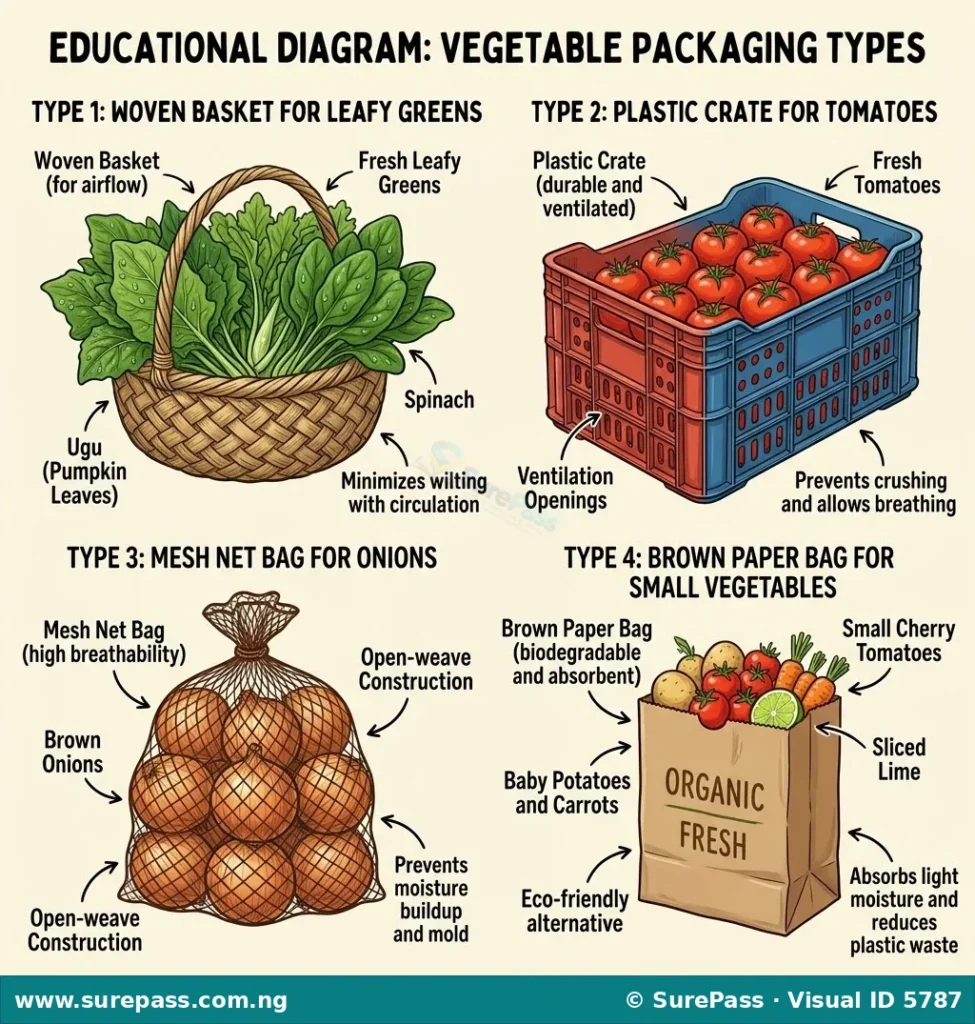
Packaging involves placing sorted and graded vegetables into suitable containers for protection, handling, and transport.
The right packaging protects vegetables from physical damage, dirt, and moisture loss. Common packaging materials include baskets, plastic crates, nets, and paper bags. For example, leafy vegetables like spinach might be loosely packed in baskets or nets to allow air circulation, while firmer vegetables like carrots might be placed in plastic crates.
Storage of Vegetables
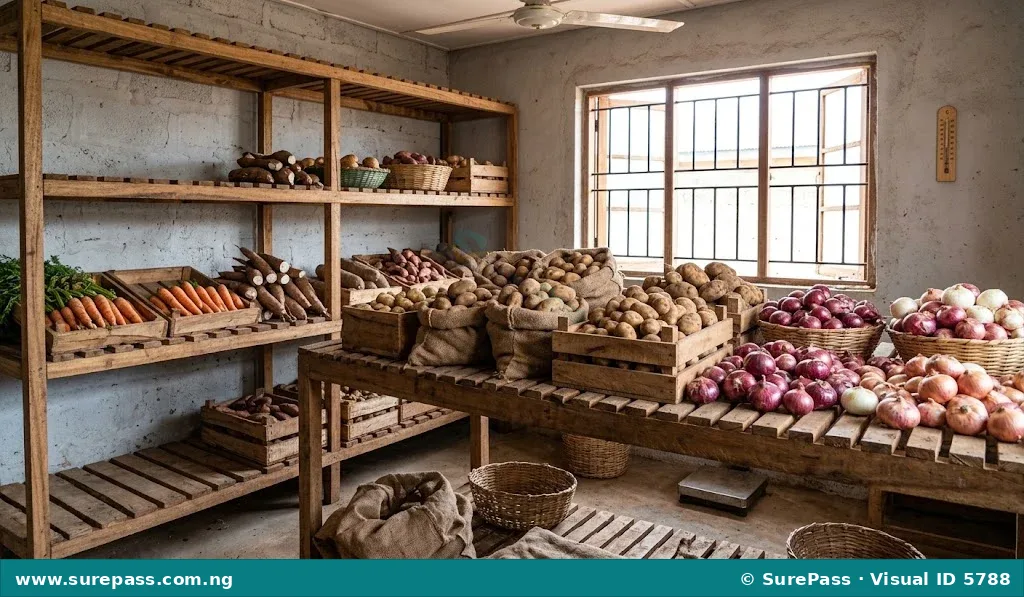
Storage is the act of keeping vegetables in a suitable place after harvest and packaging, to maintain their freshness and quality for a period of time.
Proper storage helps to slow down spoilage. Vegetables should be stored in a cool, dry, and well-ventilated area, away from direct sunlight. For example, many vegetables can be kept fresh for longer in a cool room or a shaded part of the house rather than left out in the sun.
Transporting Vegetables
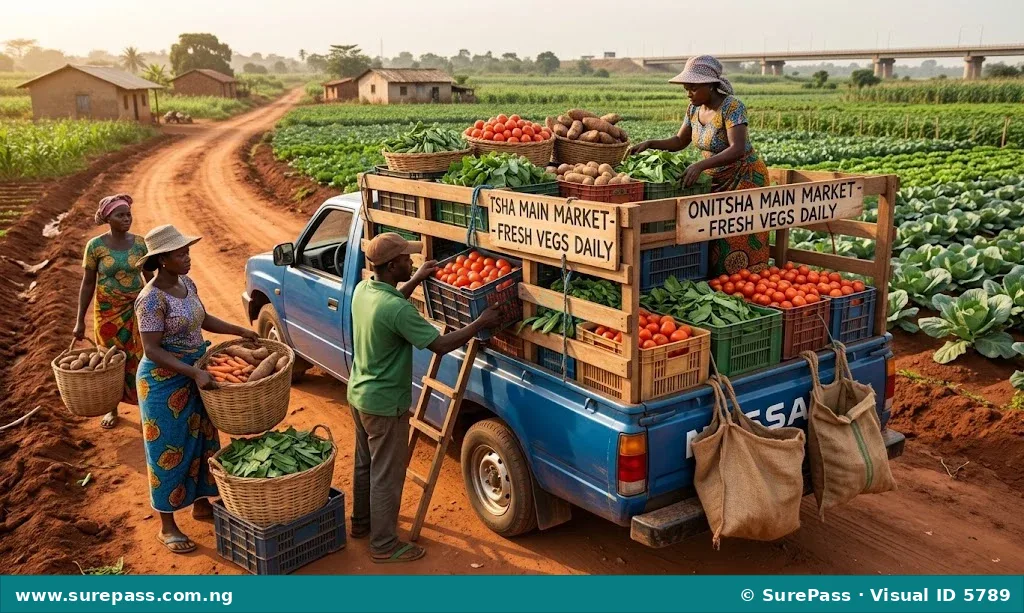
Transporting is the movement of vegetables from the farm or storage area to the market, processing centre, or directly to consumers.
During transport, vegetables must be handled carefully to prevent damage. They should be loaded and unloaded gently. Vehicles used for transport should be clean and, if possible, covered to protect the vegetables from sun, rain, and dust. Farmers often use wheelbarrows, bicycles, or small vans to move their produce to local markets.
Practising Proper Post-Harvest Management of Vegetables
Proper post-harvest management is a practical skill that helps to ensure vegetables remain fresh and valuable. This involves carrying out the activities discussed above correctly.
The procedure for proper post-harvest management of vegetables involves the following steps:
- Harvest Carefully: Harvest vegetables at the right time and handle them gently to avoid bruises and cuts.
- Clean Immediately: Gently remove any excess soil, leaves, or debris from the harvested vegetables. Avoid washing if they will be stored for a long time, as moisture can encourage spoilage.
- Sort the Vegetables: Separate healthy, undamaged vegetables from those that are bruised, diseased, or infested with pests. Discard or use the damaged ones quickly.
- Grade the Vegetables: Group the healthy vegetables according to their size, shape, and overall quality. For example, put all large, uniform tomatoes together.
- Package Appropriately: Place the sorted and graded vegetables into suitable containers like clean baskets, plastic crates, or nets. Ensure the packaging is not too tight to prevent crushing, but also not too loose to prevent movement and damage.
- Store in a Cool Place: Move the packaged vegetables to a cool, dry, and well-ventilated area as quickly as possible. Keep them away from direct sunlight and heat.
- Transport Carefully: When moving vegetables, load them gently into a clean vehicle. Cover them to protect them from sun, rain, and dust. Drive carefully to avoid bumps that could damage the produce.




0 comments
Open the discussion when you need it. Comments stay collapsed until requested so the initial article remains light.