

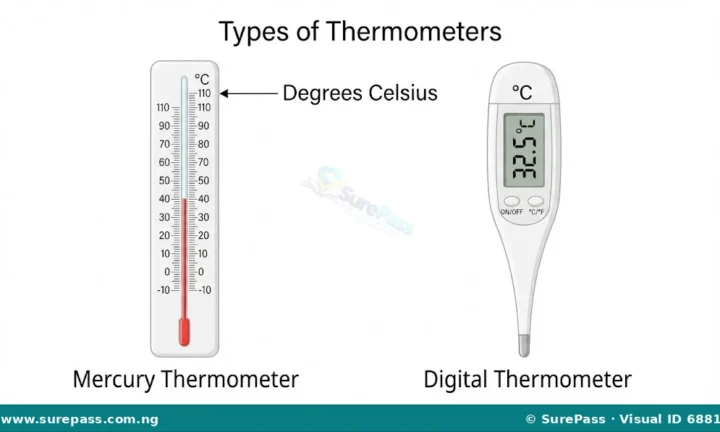
Weather, Climate, Elements and Influencing Factors for SS 1
Weather describes short-term atmospheric conditions, while climate is the long-term pattern. Temperature, rainfall, wind and pressure are key elements.
Read guide
Teacher/Educational Writer
Royal Alikor is an educator with six years of classroom teaching and three years of elementary school leadership experience and is still teaching. He develops and reviews practical, curriculum-aligned learning materials for Nigerian schools and teachers.
Lessons ◉ 0 views
Weather describes short-term atmospheric conditions, while climate is the long-term pattern. Temperature, rainfall, wind and pressure are key elements.
Read guide→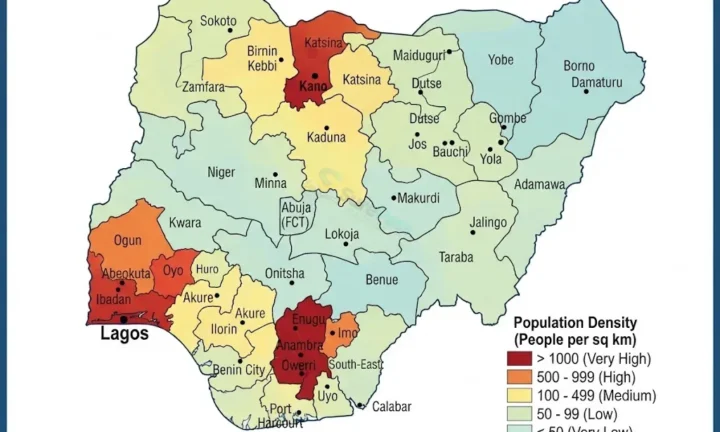 Lessons ◉ 0 views
Nigeria's population is unevenly distributed because of jobs, transport, land and services. Settlements range from scattered villages to dense cities.
Read guide→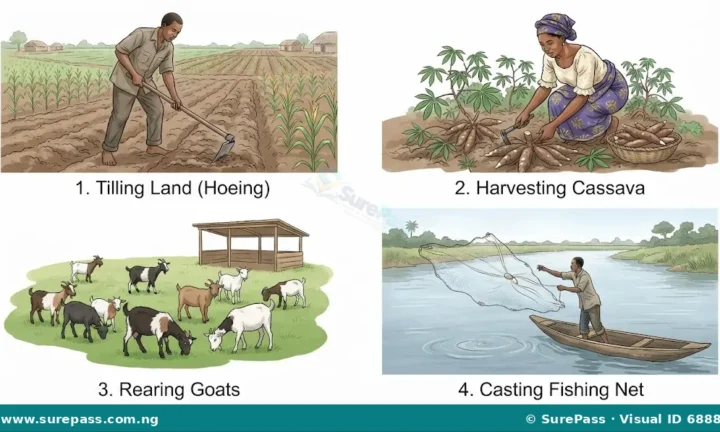 Lessons ◉ 0 views
Local economic activities include farming, trading, transport and services. Their growth depends on resources, demand, skills and access to markets.
Read guide→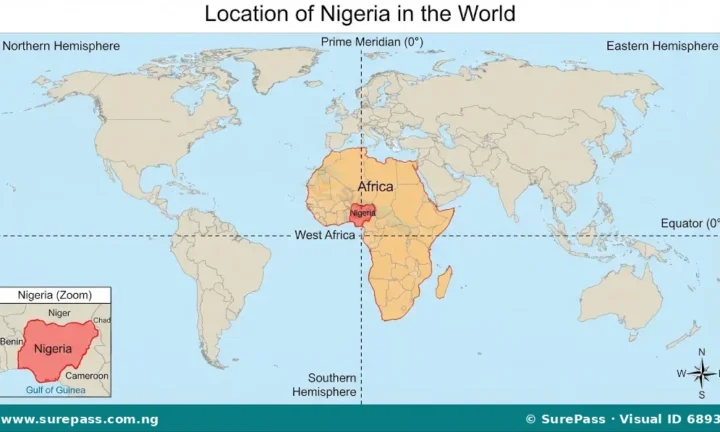 Lessons ◉ 0 views
Nigeria lies in West Africa and borders Benin, Niger, Chad and Cameroon. Its landscape includes coastal lowlands, river basins, hills and plateaux.
Read guide→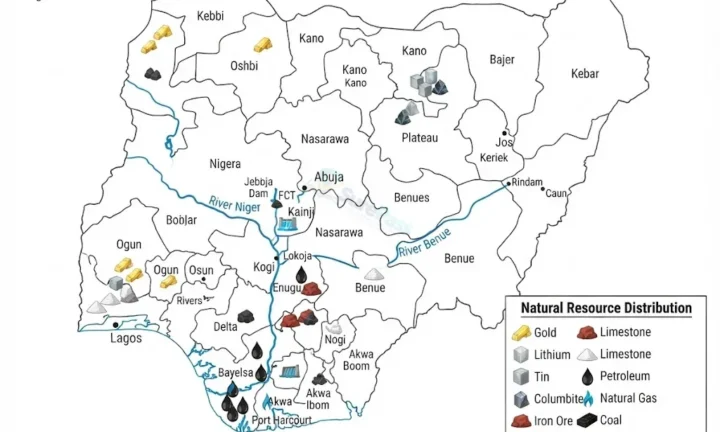 Lessons ◉ 0 views
Nigeria's natural resources include crude oil, gas, forests and mineral deposits. Their location shapes livelihoods, industry and environmental concerns.
Read guide→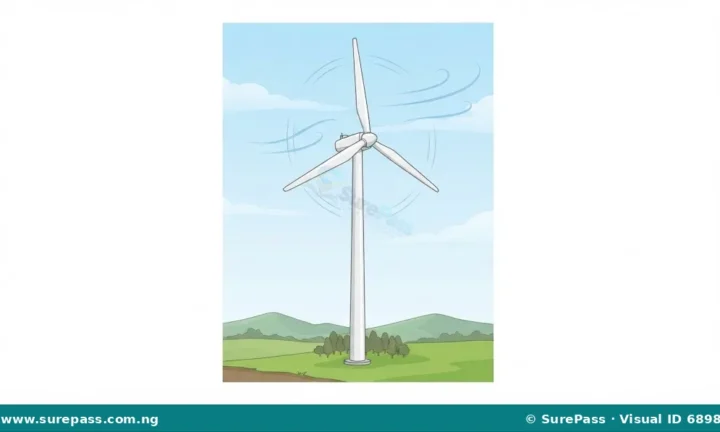 Lessons ◉ 0 views
Renewable resources can replenish naturally when managed well; non-renewable fuels and minerals form so slowly that extraction depletes available stocks.
Read guide→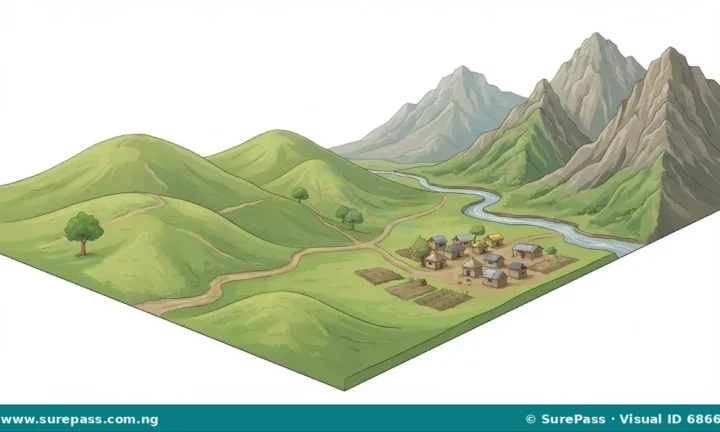 Lessons ◉ 2 views
Mountains, plains, valleys and rivers influence farming, transport and settlement. Relief and water availability help explain where communities develop.
Read guide→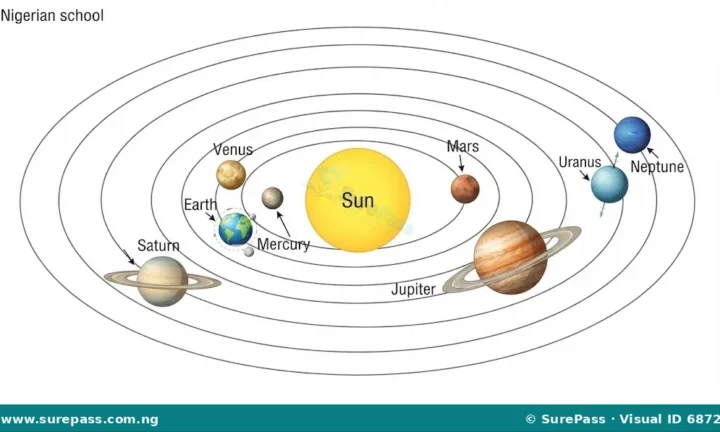 Lessons ◉ 0 views
Earth is one of eight planets orbiting the Sun; the Moon orbits Earth. The solar system also contains dwarf planets, asteroids and comets.
Read guide→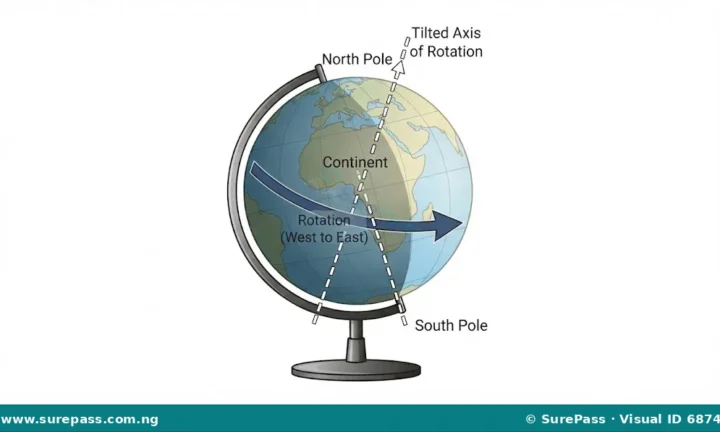 Lessons ◉ 1 views
Earth's rotation causes day and night, while its revolution around the Sun and axial tilt produce the yearly pattern of seasons and changing…
Read guide→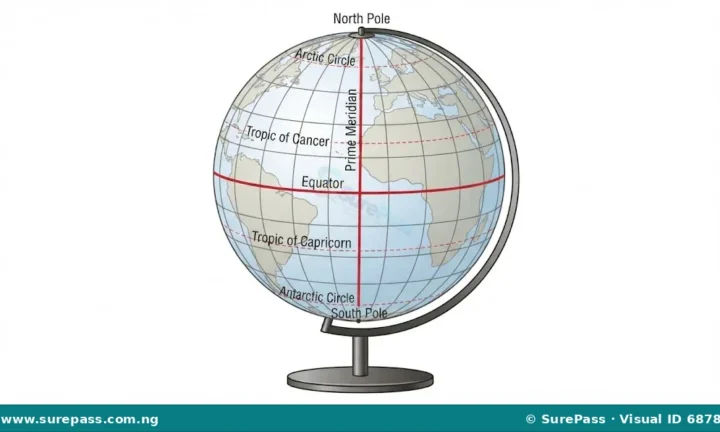 Lessons ◉ 0 views
Latitude measures distance north or south of the Equator; longitude measures position east or west of Greenwich. Both locate places using coordinates.
Read guide→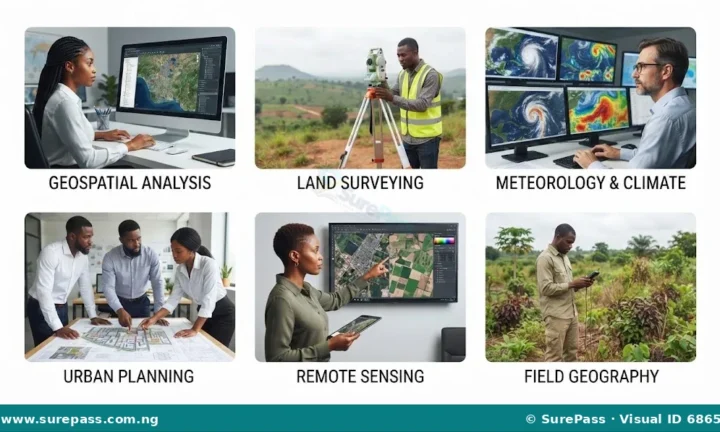 Lessons ◉ 1 views
Geographers use mapping, observation and data analysis to study locations and change. These skills support careers in planning, surveying and conservation.
Read guide→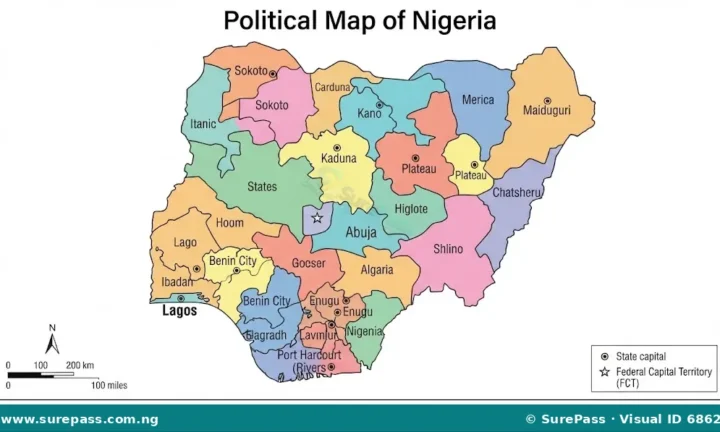 Lessons ◉ 0 views
Geography studies places, people and Earth's natural systems. Physical and human geography help explain environments, settlements and resource use.
Read guide→Pick your class and subject. SurePass opens the matching lesson shelf and keeps the clock with you as you move around the site.
You stayed with it for 25 focused minutes. That counts.