



ARTICLE CONTENTSOn this page 9 sections
Renewable and Non-Renewable Natural Resources
Performance Objectives
By the end of the lesson, students should be able to:
- describe renewable and non-renewable resources;
- discuss the effects of the use of renewable and non-renewable resources in Nigeria.
Introduction to Natural Resources
Natural resources are materials or substances that occur in nature and can be used for economic gain. These resources are essential for human survival and development, providing raw materials for industries, energy for homes and businesses, and food for consumption. They are found in various forms across the Earth’s surface, beneath it, and within its atmosphere.
Nigeria is rich in various natural resources, which play a significant role in its economy and the daily lives of its citizens. Understanding these resources, how they are classified, and their impacts is crucial for sustainable development.
Meaning of Renewable Resources
Renewable resources are natural resources that can be replenished naturally over a relatively short period, often within a human lifetime. Their supply is not exhausted by use, as natural processes continuously restore them.
These resources are considered sustainable because their use does not deplete their availability for future generations, provided they are managed properly. Examples include sunlight, wind, water, and forests.
Types of Renewable Resources
Nigeria possesses several types of renewable resources that are vital for its energy needs, environmental balance, and economic activities. These resources offer alternatives to fossil fuels and contribute to a greener economy.
Wind Energy
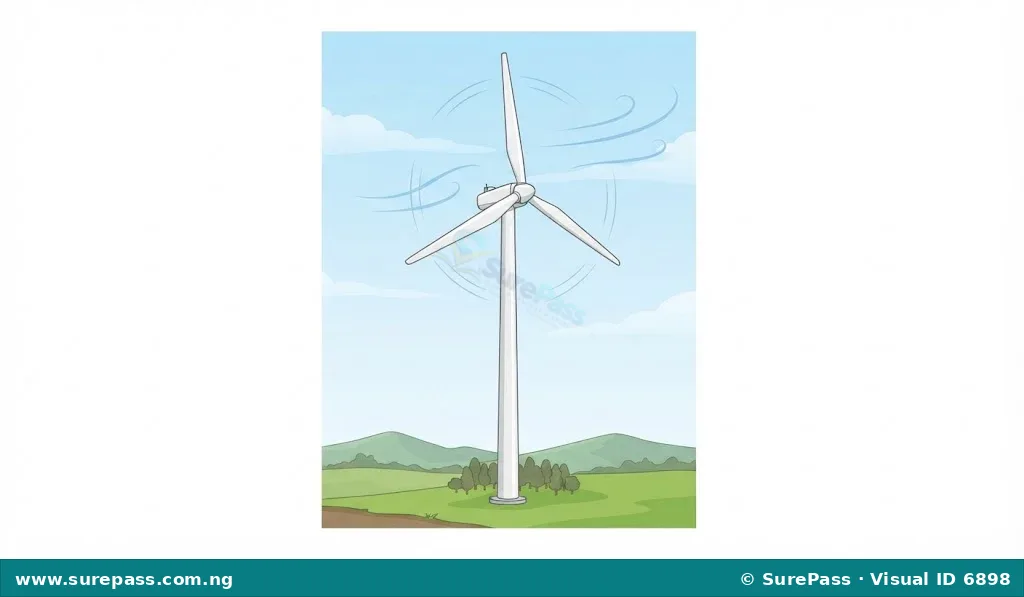
Wind is the movement of air caused by differences in atmospheric pressure. Wind energy is harnessed using wind turbines, which convert the kinetic energy of wind into electrical energy. This resource is abundant in certain parts of Nigeria, particularly coastal areas and high altitudes, offering a clean source of power.
Water/Hydropower
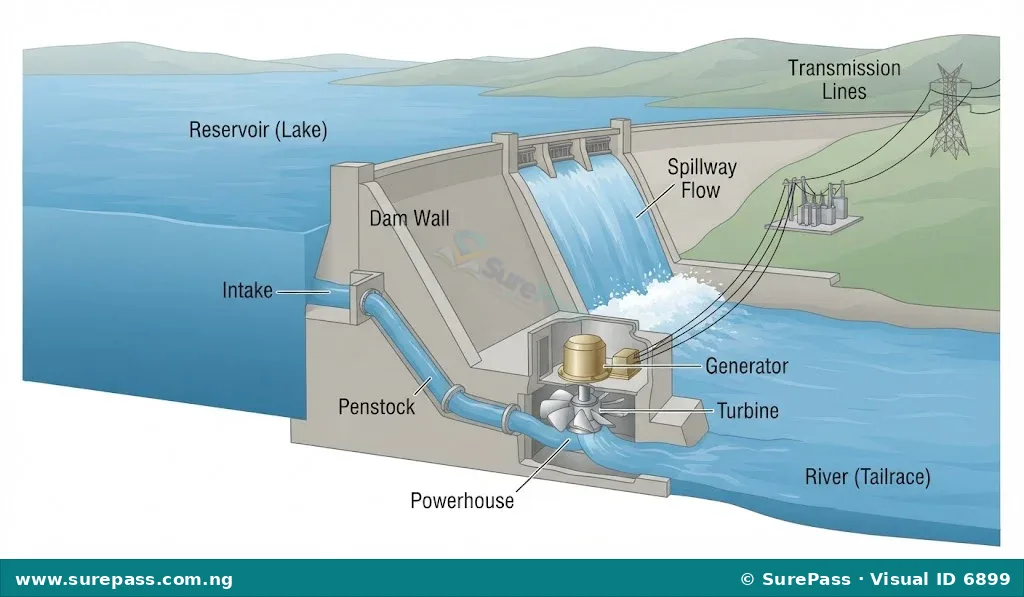
Water is a fundamental renewable resource, essential for life, agriculture, and industry. Hydropower is the energy generated from the movement of water, typically by damming rivers to create reservoirs and then releasing water through turbines. Nigeria has several major rivers, such as the River Niger and River Benue, which have been harnessed for hydropower generation, notably at the Kainji Dam.
Forests
Forests are large areas covered mainly by trees and other vegetation. They are renewable because trees can be replanted and allowed to grow, replacing those that have been harvested. Forests provide timber, fuel wood, medicinal plants, and habitats for wildlife. They also play a crucial role in regulating climate, preventing soil erosion, and maintaining biodiversity. Nigeria has significant forest reserves, though they face challenges from deforestation.

Solar Energy
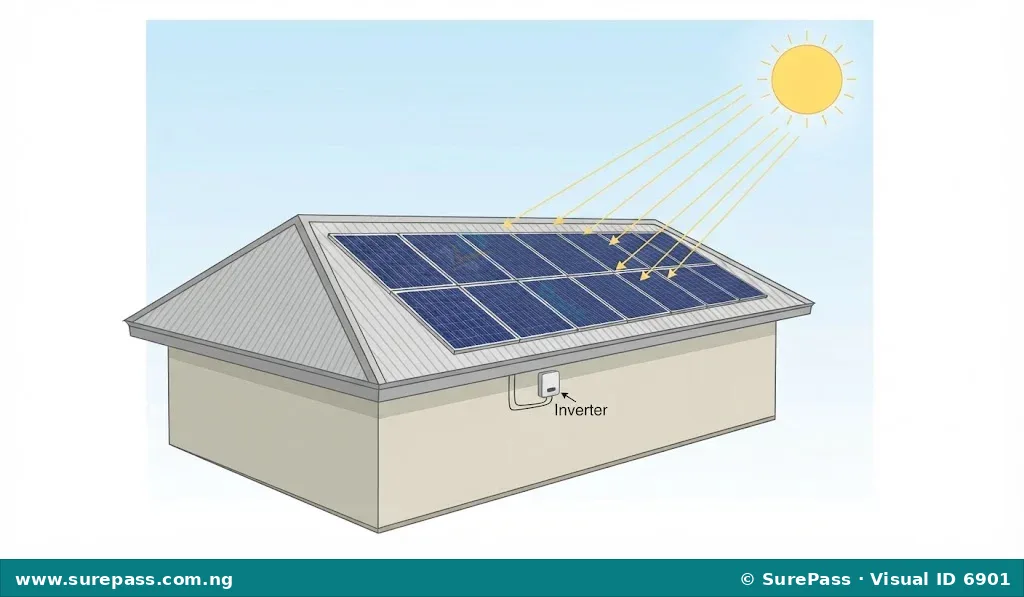
Solar energy is radiant light and heat from the sun. It is an inexhaustible resource that can be converted into electricity using photovoltaic (PV) panels or concentrated solar power systems. Nigeria, being a tropical country, receives abundant sunshine throughout the year, making solar energy a highly promising renewable resource for power generation, heating, and drying.
Meaning of Non-Renewable Resources
Non-renewable resources are natural resources that exist in fixed quantities and are formed over geological periods, often millions of years. Once these resources are consumed, they cannot be replenished within a human timescale, meaning their supply is finite.
The extraction and use of non-renewable resources lead to their depletion. Examples include fossil fuels like crude oil, natural gas, and coal, as well as various metallic and non-metallic minerals.
Types of Non-Renewable Resources
Nigeria is particularly rich in non-renewable resources, especially fossil fuels and various solid minerals. These resources have historically been the backbone of the Nigerian economy.
Crude Oil
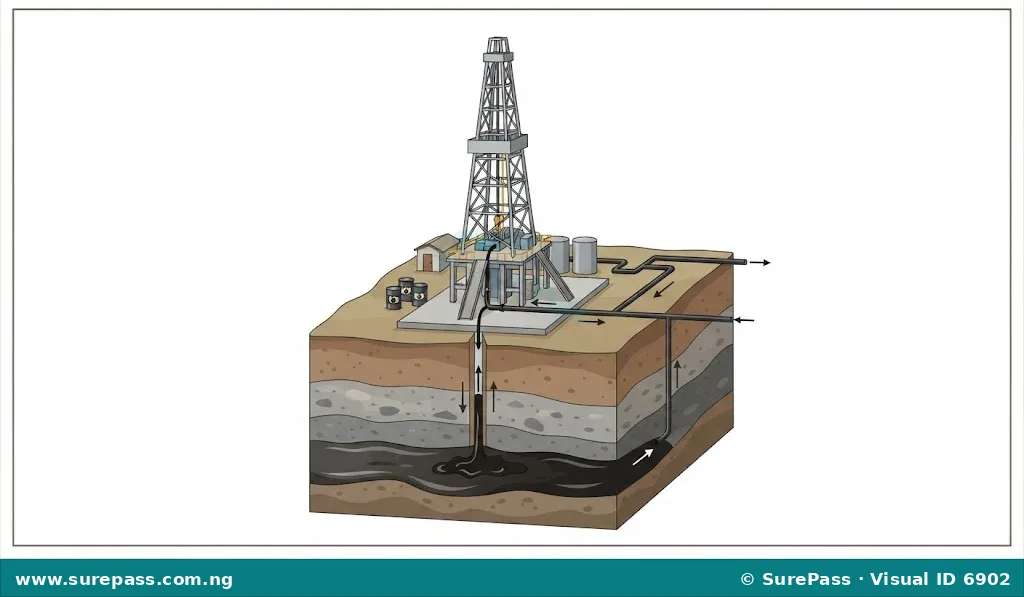
Crude oil, also known as petroleum, is a fossil fuel formed from the remains of ancient marine organisms over millions of years. It is a dark, viscous liquid found beneath the Earth’s surface. Crude oil is Nigeria’s primary export and a major source of government revenue, mainly found in the Niger Delta region. It is refined into products like petrol, diesel, kerosene, and lubricants.
Natural Gas
Natural gas is another fossil fuel, often found alongside crude oil deposits. It is a mixture of hydrocarbon gases, primarily methane. Natural gas is a cleaner-burning fossil fuel compared to oil and coal. Nigeria has vast reserves of natural gas, which are used for electricity generation, industrial processes, and as a domestic fuel.
Coal
Coal is a combustible black or brownish-black sedimentary rock, formed from the remains of ancient plants over millions of years. It is primarily used as a fuel for electricity generation and in industrial processes. Nigeria has significant coal deposits, particularly in Enugu, Kogi, and Benue states, though its exploitation has been limited compared to oil and gas.
Gold
Gold is a precious metallic mineral, highly valued for its rarity, beauty, and resistance to corrosion. It is used in jewellery, coinage, and electronics. Small-scale gold mining occurs in various parts of Nigeria, including Zamfara, Osun, and Kaduna states.
Limestone
Limestone is a common sedimentary rock composed mainly of calcium carbonate. It is a crucial raw material for the cement industry, which is essential for construction. Nigeria has abundant limestone deposits, found in states like Ogun, Benue, and Cross River.
Tin
Tin is a silvery-white metallic element, primarily used as a protective coating for other metals (like in tin cans) and in alloys such as bronze and solder. Nigeria was once a major global producer of tin, with significant deposits found on the Jos Plateau.
Iron Ore
Iron ore is a rock from which metallic iron can be extracted. It is the primary raw material for steel production, which is fundamental to modern infrastructure and manufacturing. Nigeria has large deposits of iron ore, notably in Kogi, Kaduna, and Enugu states, supporting the Ajaokuta Steel Company.
Lead
Lead is a heavy, soft, and malleable metallic element. Historically, it was used in pipes, paints, and batteries. While its use has declined due to health concerns, it is still used in some industrial applications. Lead deposits are found in states like Ebonyi and Benue.
Zinc
Zinc is a metallic element used as a protective coating for steel (galvanising) to prevent rust, and in alloys like brass. It is often found alongside lead deposits. Nigeria has zinc deposits in several states, including Ebonyi and Benue.
Effects of the Use of Renewable and Non-Renewable Resources in Nigeria
The utilisation of both renewable and non-renewable resources has profound effects on Nigeria’s economy, environment, and society. These effects can be both positive, contributing to development, and negative, posing challenges.
Positive Effects
- Economic Growth and Revenue: Non-renewable resources, especially crude oil, have been the primary driver of Nigeria’s economy, generating significant foreign exchange earnings and government revenue. This revenue funds infrastructure projects, public services, and other development initiatives.
- Employment Opportunities: The extraction, processing, and distribution of both renewable and non-renewable resources create numerous jobs across various sectors, from mining and oil exploration to renewable energy installation and forestry.
- Energy Security: Harnessing both types of resources helps meet Nigeria’s energy demands, reducing reliance on imported fuels and ensuring a stable power supply for homes and industries. Hydropower, solar, and natural gas contribute significantly to electricity generation.
- Industrial Development: Resources like limestone and iron ore provide raw materials for key industries such as cement production and steel manufacturing, which are crucial for construction and industrialisation.
- Technological Advancement: The need to explore, extract, and process these resources often drives technological innovation and skill development within the country.
Negative Effects
- Environmental Degradation:
- Pollution: The extraction and processing of crude oil and natural gas often lead to oil spills, gas flaring, and air pollution, severely damaging ecosystems, farmlands, and water bodies in the Niger Delta.
- Deforestation: Extensive logging for timber and fuel wood, often unregulated, leads to deforestation, loss of biodiversity, soil erosion, and desertification, particularly in northern Nigeria.
- Land Degradation: Mining activities for solid minerals like tin, gold, and coal can cause significant land degradation, creating open pits, contaminating soil and water, and destroying natural habitats.
- Resource Depletion: Non-renewable resources are finite. Continuous extraction without adequate replenishment means that reserves of crude oil, natural gas, and minerals will eventually run out, posing long-term economic challenges.
- Social Conflicts and Displacement: Competition over resource control, environmental pollution, and land acquisition for resource projects can lead to social unrest, conflicts between communities and resource companies, and the displacement of local populations.
- Economic Vulnerability: Over-reliance on a single non-renewable resource (like crude oil) makes the economy vulnerable to global price fluctuations, leading to instability and hindering diversification efforts.
- Health Impacts: Pollution from resource extraction and processing can have severe health consequences for local communities, including respiratory illnesses, skin diseases, and contaminated food and water sources.
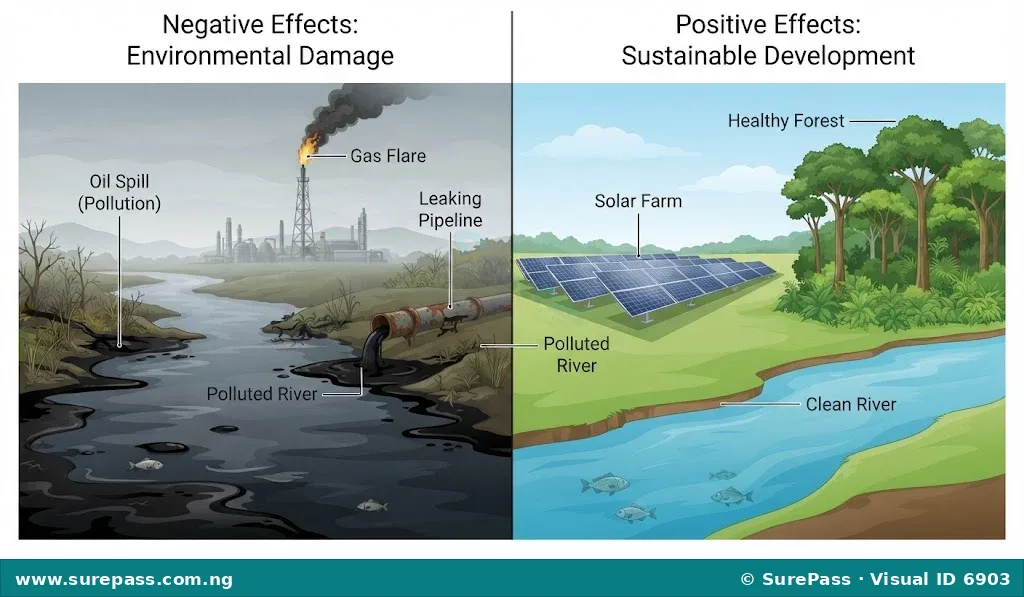
Recognising How Natural Resources Are Harnessed for Sustainable Use
Sustainable use of natural resources means using them in a way that meets the needs of the present generation without compromising the ability of future generations to meet their own needs. It involves careful management, conservation, and the adoption of practices that minimise negative impacts.
Harnessing Renewable Resources Sustainably
Renewable resources, by their nature, are more amenable to sustainable harnessing. Key practices include:
- Hydropower: Constructing dams in a way that minimises ecological disruption, ensuring proper water management for downstream communities and ecosystems, and maintaining dam infrastructure to prevent failures.
- Solar Energy: Installing solar panels on rooftops and in designated solar farms to generate clean electricity, reducing reliance on fossil fuels. This involves proper siting to avoid disrupting agricultural land or sensitive habitats.
- Wind Energy: Developing wind farms in areas with consistent wind speeds, while considering potential impacts on bird migration routes and local communities.
- Forests: Implementing reforestation programmes where harvested trees are replaced, practicing selective logging to maintain forest cover, and establishing protected forest reserves to conserve biodiversity. Community involvement in forest management is also crucial.
- Agricultural Land: Practicing sustainable farming methods such as crop rotation, organic farming, and agroforestry to maintain soil fertility and prevent erosion, ensuring long-term food security.
Harnessing Non-Renewable Resources Sustainably (Mitigation and Transition)
While non-renewable resources cannot be replenished, their use can be managed more sustainably by mitigating negative impacts and transitioning to alternatives:
- Efficient Extraction: Using advanced technologies to extract resources more efficiently, reducing waste and environmental damage during mining and drilling operations.
- Pollution Control: Implementing strict regulations and technologies to control pollution from extraction and processing, such as ending gas flaring, treating wastewater, and reclaiming mined land.
- Recycling and Reuse: Promoting the recycling of metallic minerals like tin, iron, lead, and zinc to reduce the demand for new raw materials and conserve existing reserves.
- Developing Alternatives: Investing in research and development of renewable energy sources and alternative materials to reduce dependence on finite non-renewable resources. For example, using solar power instead of diesel generators.
- Responsible Mining: Ensuring that mining operations adhere to environmental and social standards, including land reclamation after mining, fair compensation for affected communities, and safe working conditions.
- Conservation: Encouraging responsible consumption and conservation practices among individuals and industries to reduce the overall demand for non-renewable resources.
By adopting these practices, Nigeria can work towards a future where its natural resources are managed responsibly, ensuring both economic development and environmental protection for current and future generations.




0 comments
Open the discussion when you need it. Comments stay collapsed until requested so the initial article remains light.