

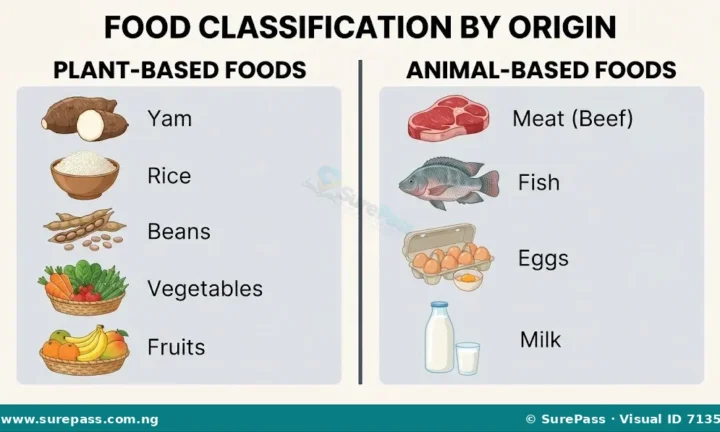
Meaning, Classification, Functions and Importance of Food for SS 1
Food provides energy, materials for growth and nutrients for health. Its functions include body building, protection and support of daily activities.
Read guide
Teacher/Educational Writer
Royal Alikor is an educator with six years of classroom teaching and three years of elementary school leadership experience and is still teaching. He develops and reviews practical, curriculum-aligned learning materials for Nigerian schools and teachers.
Lessons ◉ 0 views
Food provides energy, materials for growth and nutrients for health. Its functions include body building, protection and support of daily activities.
Read guide→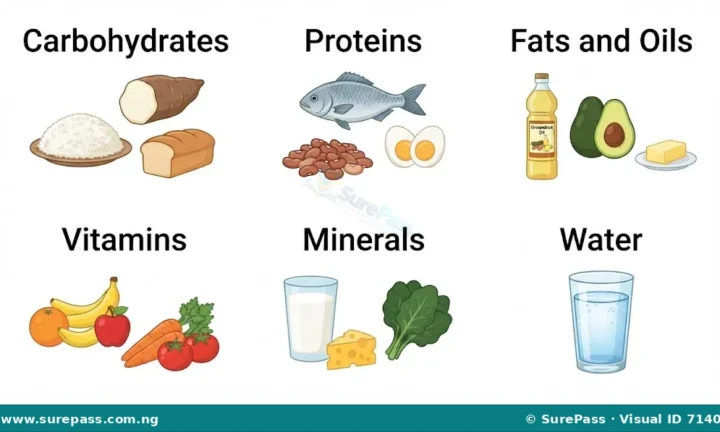 Lessons ◉ 0 views
Carbohydrates and fats supply energy, proteins support growth and repair, and vitamins and minerals regulate body functions. Deficiencies impair health.
Read guide→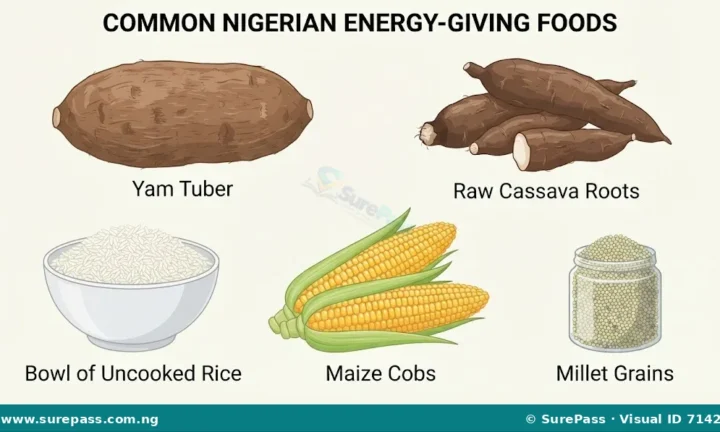 Lessons ◉ 0 views
Nigerian dishes such as beans, yam, vegetables and fish supply different nutrients. Combining food groups improves the balance of everyday meals.
Read guide→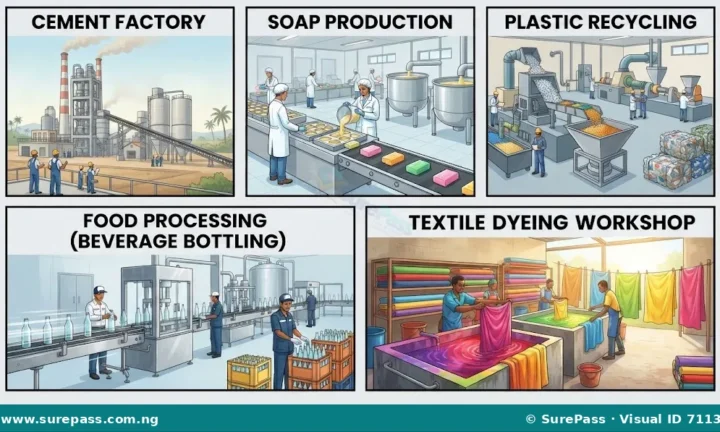 Lessons ◉ 0 views
Chemical industries turn raw materials into fuels, fertilisers, medicines and other products. Waste and emissions require careful environmental control.
Read guide→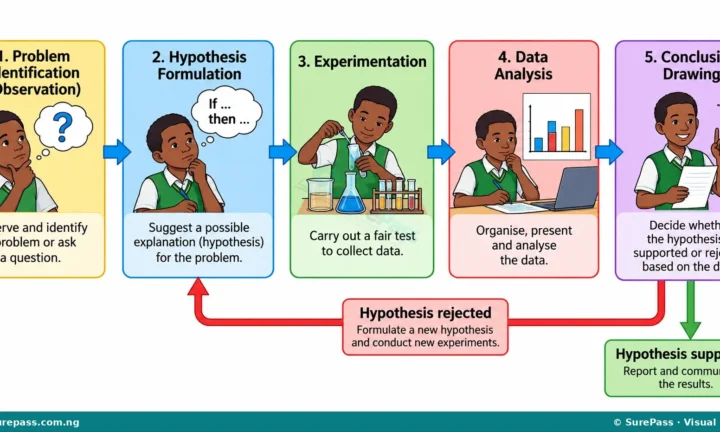 Lessons ◉ 1 views
Chemistry investigates matter, its properties and changes. Laboratory practice includes measuring substances, observing reactions and following safety rules.
Read guide→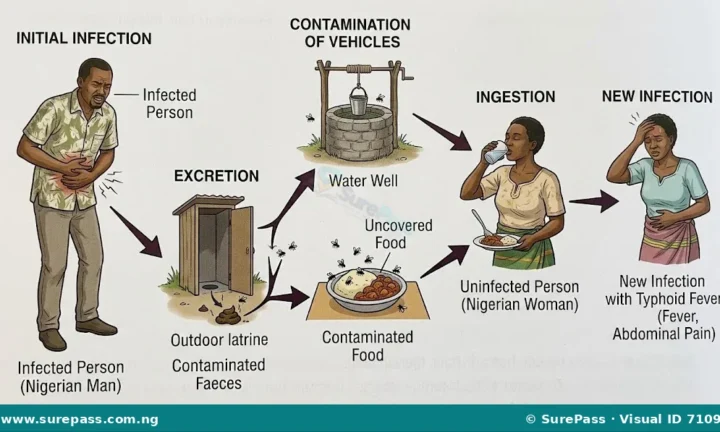 Lessons ◉ 0 views
Diseases may spread through contaminated food, water, air or infected animals. Recognising symptoms, hygiene and appropriate treatment help control infections.
Read guide→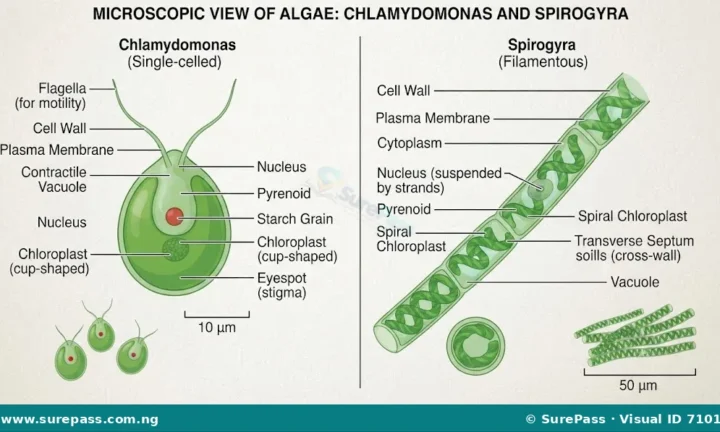 Lessons ◉ 0 views
Microorganisms include bacteria, fungi and protists too small to see unaided. Some help make foods or recycle waste, while others cause disease.
Read guide→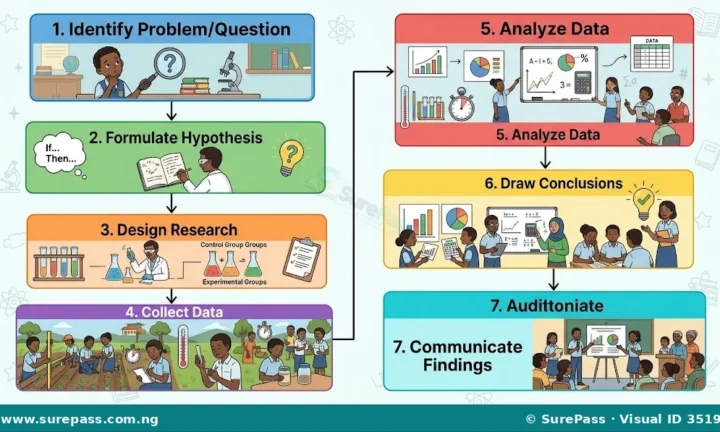 Lessons ◉ 1 views
Scientific research involves a clear question, investigation, accurate records and conclusions. Teamwork and well-structured reports help communicate findings.
Read guide→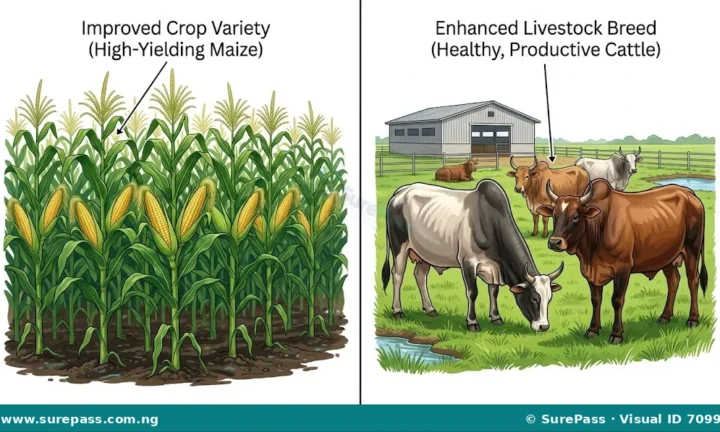 Lessons ◉ 0 views
Biology improves food production through crop and animal knowledge, supports healthcare through disease research and informs conservation of ecosystems.
Read guide→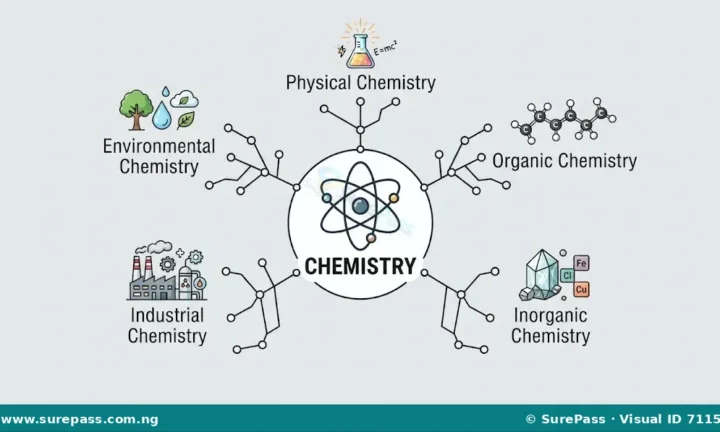 Lessons ◉ 0 views
Organic chemistry studies carbon compounds, analytical chemistry identifies substances, and physical chemistry examines energy and reaction behaviour.
Read guide→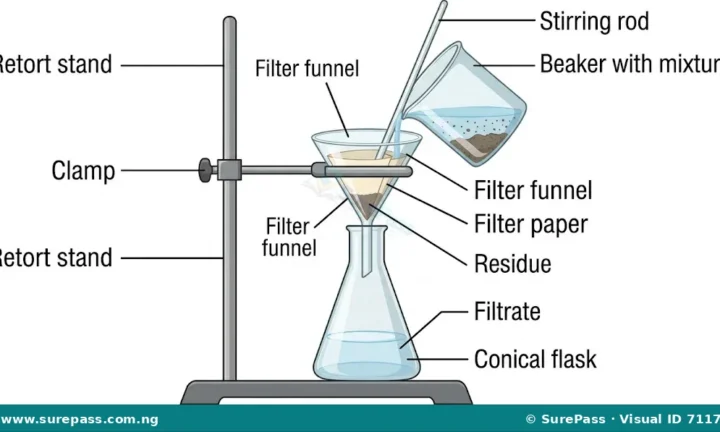 Lessons ◉ 0 views
Filtration separates insoluble solids from liquids, while evaporation, distillation and chromatography separate mixtures using different properties.
Read guide→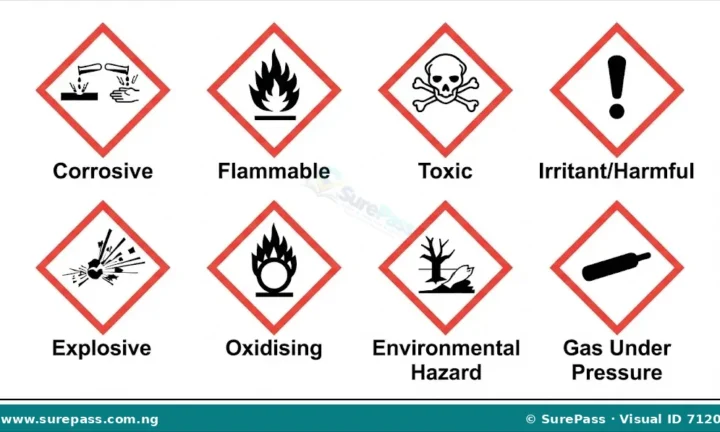 Lessons ◉ 0 views
Laboratory chemicals may be toxic, corrosive, flammable or irritating. Hazard symbols, protective equipment and careful handling help prevent exposure.
Read guide→Pick your class and subject. SurePass opens the matching lesson shelf and keeps the clock with you as you move around the site.
You stayed with it for 25 focused minutes. That counts.