


ARTICLE CONTENTSOn this page 5 sections
Common Diseases and Mode of Transmission
Performance Objectives
By the end of the lesson, students should be able to:
- identify the causes of common diseases;
- identify symptoms of common diseases;
- discuss mode of transmission of common diseases;
- discuss the control measures of some common diseases;
- identify zoonotic diseases.
What are Diseases?
A disease is any condition that impairs the normal functioning of the body.
Diseases can affect humans, animals, and plants. They can be caused by various factors, including pathogens like bacteria, viruses, and parasites, as well as genetic factors, environmental conditions, or lifestyle choices. Understanding common diseases helps in preventing their spread and managing their impact on health.
Common Diseases, Their Causes, Symptoms, Transmission, and Control
Diseases are often classified by the type of pathogen that causes them. Pathogens are microorganisms that can cause disease. The main types of pathogens discussed here are bacteria, viruses, and parasites.
Bacterial Diseases
Bacterial diseases are caused by bacteria, which are single-celled microorganisms. Some bacteria are harmless or even beneficial, but others can cause serious illnesses.
Typhoid Fever
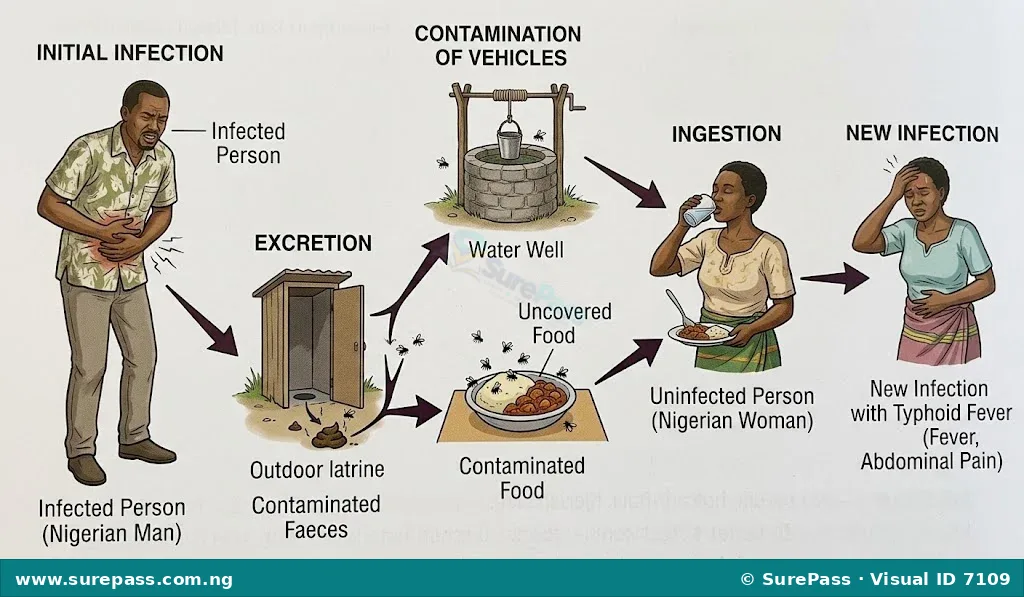
Typhoid fever is a serious bacterial infection that can spread throughout the body, affecting many organs. It is caused by a specific type of bacteria.
- Cause: Typhoid fever is caused by the bacterium Salmonella typhi.
- Symptoms: Common symptoms include a sustained high fever, headache, weakness, fatigue, loss of appetite, abdominal pain, and sometimes a rash of flat, rose-coloured spots. Some individuals may experience constipation, while others may have diarrhoea.
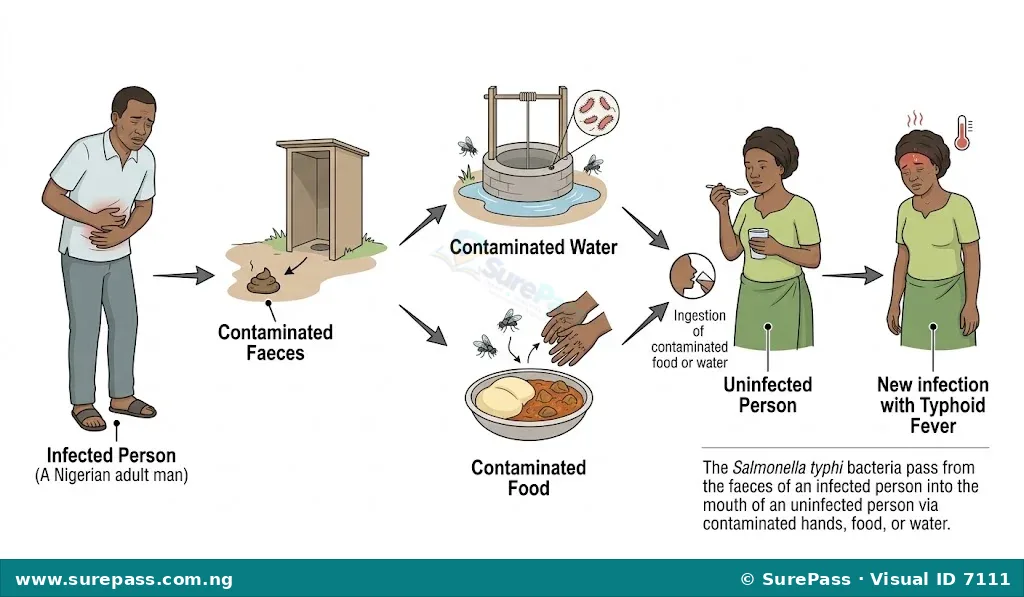
- Mode of Transmission: Typhoid fever is primarily transmitted through the consumption of food or water contaminated with the faeces of an infected person. This is known as the faecal-oral route. Poor sanitation, inadequate hygiene, and contaminated food handling practices contribute to its spread.
- Control Measures:
- Vaccination: Vaccines are available to prevent typhoid fever, especially for individuals travelling to high-risk areas or living in endemic regions.
- Safe Water and Sanitation: Ensuring access to clean drinking water and proper sewage disposal systems is crucial.
- Food Hygiene: Food should be thoroughly cooked and stored safely. Raw fruits and vegetables should be washed with clean water.
- Handwashing: Regular and thorough handwashing with soap and water, especially after using the toilet and before handling food, helps prevent transmission.
- Antibiotics: Infected individuals are treated with antibiotics prescribed by a doctor.
Viral Diseases
Viral diseases are caused by viruses, which are much smaller than bacteria and can only reproduce inside living cells. Viruses can cause a wide range of illnesses, from mild colds to severe life-threatening conditions.
Coronavirus (e.g., COVID-19)
Coronaviruses are a large family of viruses that can cause illnesses ranging from the common cold to more severe diseases. COVID-19 is a specific disease caused by a novel coronavirus.
- Cause: COVID-19 is caused by the Severe Acute Respiratory Syndrome Coronavirus 2 (SARS-CoV-2) virus.
- Symptoms: Common symptoms include fever, cough, shortness of breath, fatigue, muscle aches, headache, sore throat, and a new loss of taste or smell. Severe cases can lead to pneumonia and acute respiratory distress.
- Mode of Transmission: The virus primarily spreads through respiratory droplets released when an infected person coughs, sneezes, or talks. These droplets can be inhaled by others or land on surfaces, which are then touched, and the virus transferred to the mouth, nose, or eyes. Close contact with an infected person increases the risk of transmission.
- Control Measures:
- Vaccination: Vaccines are effective in preventing severe illness, hospitalisation, and death from COVID-19.
- Face Masks: Wearing face masks, especially in crowded or indoor settings, helps reduce the spread of respiratory droplets.
- Social Distancing: Maintaining physical distance from others helps minimise exposure to respiratory droplets.
- Hand Hygiene: Frequent handwashing with soap and water or using alcohol-based hand sanitiser reduces the risk of transmission.
- Isolation and Quarantine: Infected individuals should isolate themselves, and close contacts may need to quarantine to prevent further spread.
Lassa Fever
Lassa fever is an acute viral haemorrhagic fever caused by the Lassa virus. It is endemic in West Africa, including Nigeria.
- Cause: Lassa fever is caused by the Lassa virus, which belongs to the Arenaviridae family.
- Symptoms: Early symptoms are often mild and non-specific, including fever, headache, sore throat, muscle pain, and general weakness. As the disease progresses, more severe symptoms can develop, such as chest pain, abdominal pain, vomiting, diarrhoea, facial swelling, and bleeding from various body orifices. In some cases, it can lead to deafness.
- Mode of Transmission: Lassa fever is primarily transmitted to humans through contact with food or household items contaminated with the urine or faeces of infected multimammate rats (Mastomys natalensis). Person-to-person transmission can occur through direct contact with the blood, urine, faeces, or other body fluids of an infected person, especially in healthcare settings without proper infection control.
- Control Measures:
- Rodent Control: Keeping homes and surroundings clean to prevent rats from entering, storing food in rodent-proof containers, and proper waste disposal.
- Safe Food Storage: Protecting food from contamination by rodents.
- Avoiding Contact with Rodents: Avoiding contact with rats and their droppings or urine.
- Personal Hygiene: Practising good hand hygiene, especially after contact with potentially contaminated surfaces.
- Infection Control: Healthcare workers must use personal protective equipment (PPE) when caring for Lassa fever patients.
- Early Diagnosis and Treatment: Prompt medical attention and antiviral treatment (ribavirin) can improve outcomes.
HIV/AIDS
Human Immunodeficiency Virus (HIV) is a virus that attacks the body’s immune system. Acquired Immunodeficiency Syndrome (AIDS) is the late stage of HIV infection, where the immune system is severely damaged.
- Cause: HIV/AIDS is caused by the Human Immunodeficiency Virus (HIV).
- Symptoms:
- Early Stage (Acute HIV Infection): Many people experience flu-like symptoms within 2-4 weeks after infection, such as fever, rash, sore throat, swollen lymph nodes, and muscle aches.
- Clinical Latency Stage (Chronic HIV Infection): This stage can last for many years without symptoms. The virus continues to multiply at low levels.
- AIDS Stage: When the immune system is severely weakened, individuals become vulnerable to opportunistic infections (e.g., tuberculosis, pneumonia, certain cancers) and experience symptoms like rapid weight loss, chronic diarrhoea, persistent fever, and profound fatigue.
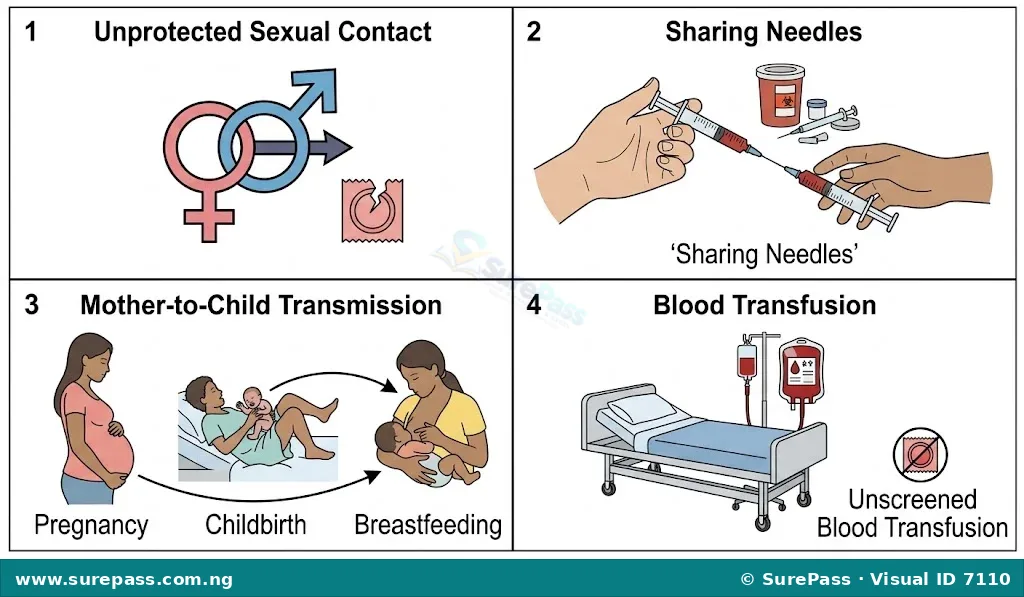
- Mode of Transmission: HIV is transmitted through specific body fluids from an infected person. These fluids include blood, semen, pre-seminal fluid, rectal fluids, vaginal fluids, and breast milk.
- Unprotected Sexual Contact: Anal or vaginal sex without a condom is the most common mode of transmission.
- Sharing Contaminated Needles: Sharing needles, syringes, or other drug injection equipment contaminated with HIV-infected blood.
- Mother-to-Child Transmission: During pregnancy, childbirth, or breastfeeding.
- Contaminated Blood Transfusions: Though rare due to blood screening, receiving blood products contaminated with HIV.
- Control Measures:
- Safe Sex Practices: Consistent and correct use of condoms during sexual activity.
- Avoiding Sharing Needles: Never sharing needles or drug injection equipment.
- Antiretroviral Therapy (ART): ART can suppress the virus, allowing people with HIV to live long, healthy lives and preventing transmission to others. It is also used as pre-exposure prophylaxis (PrEP) and post-exposure prophylaxis (PEP) to prevent infection.
- Mother-to-Child Transmission Prevention: Pregnant women with HIV can take ART to significantly reduce the risk of transmitting the virus to their babies.
- Blood Screening: All blood and blood products are screened for HIV before transfusion.
Parasitic Diseases
Parasitic diseases are caused by parasites, which are organisms that live on or in a host organism and get their food from or at the expense of their host. Parasites can range from microscopic organisms to larger worms.
Malaria
Malaria is a life-threatening disease caused by parasites that are transmitted to people through the bites of infected female Anopheles mosquitoes.
- Cause: Malaria is caused by Plasmodium parasites. The most dangerous and common species in Nigeria is Plasmodium falciparum.
- Symptoms: Typical symptoms include high fever, chills, sweating, headache, muscle aches, fatigue, nausea, and vomiting. These symptoms often occur in cycles. Severe malaria can lead to anaemia, jaundice, kidney failure, seizures, and coma.
- Mode of Transmission: Malaria is transmitted when an infected female Anopheles mosquito bites a human. The mosquito picks up the parasites from an infected person and then transmits them to another person when it bites again.
- Control Measures:
- Insecticide-Treated Nets (ITNs): Sleeping under ITNs protects individuals from mosquito bites, especially at night when Anopheles mosquitoes are most active.
- Indoor Residual Spraying (IRS): Spraying insecticide on the inside walls of homes kills mosquitoes that land on them.
- Antimalarial Drugs: These drugs are used for both prevention (prophylaxis) and treatment of malaria.
- Environmental Sanitation: Removing stagnant water bodies where mosquitoes breed, such as gutters, discarded tyres, and open containers.
- Protective Clothing: Wearing long-sleeved shirts and trousers, especially during dusk and dawn, to reduce exposure to mosquito bites.
- Larval Source Management: Applying larvicides to mosquito breeding sites or introducing natural predators.
Concept of Zoonotic Diseases
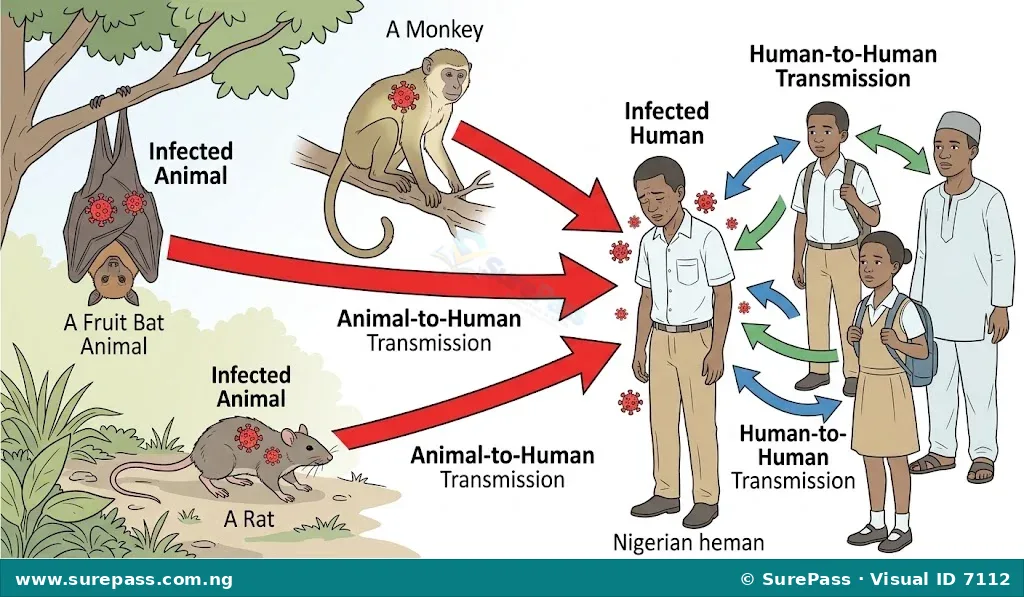
Zoonotic diseases are infections that can be naturally transmitted from animals to humans.
These diseases can be caused by viruses, bacteria, parasites, and fungi. Zoonotic diseases are a significant public health concern globally, as they can spread rapidly and cause severe illness in humans. Understanding how they spread is key to preventing them.
Examples of Zoonotic Diseases
- Lassa Fever: As discussed earlier, Lassa fever is a zoonotic disease. The primary animal host is the multimammate rat (Mastomys natalensis). Humans become infected through contact with the urine or faeces of infected rats, often by consuming contaminated food or water.
- Ebola Fever: Ebola virus disease (EVD) is a severe, often fatal illness in humans. It is believed to be transmitted to humans from wild animals such as fruit bats, monkeys, forest antelope, and porcupines, through contact with their blood, secretions, organs, or other body fluids. Once a human is infected, the virus can spread from person to person through direct contact with body fluids of infected individuals.
- Monkey Pox: Monkeypox is a viral zoonotic disease that occurs primarily in tropical rainforest areas of Central and West Africa. It is transmitted to humans through contact with infected animals, such as rodents (e.g., squirrels, rats) and primates (e.g., monkeys). The virus can enter the body through broken skin, the respiratory tract, or the mucous membranes (eyes, nose, mouth).
Prevention of Zoonotic Diseases
Preventing zoonotic diseases involves measures that reduce contact between humans and infected animals, as well as controlling the spread among humans.
- Avoid Contact with Wild Animals: Do not handle or consume bushmeat (meat from wild animals) unless it is thoroughly cooked. Avoid contact with sick or dead animals.
- Rodent Control: Keep homes and surroundings clean to deter rodents. Store food in rodent-proof containers and dispose of waste properly.
- Food Safety: Cook all meat and animal products thoroughly. Wash hands thoroughly after handling raw meat.
- Hand Hygiene: Wash hands frequently with soap and water, especially after contact with animals, their products, or potentially contaminated environments.
- Personal Protective Equipment (PPE): Healthcare workers and individuals handling animals should use appropriate PPE to prevent exposure to body fluids.
- Public Health Surveillance: Monitoring animal populations for disease outbreaks and educating communities on prevention.

0 comments
Open the discussion when you need it. Comments stay collapsed until requested so the initial article remains light.