


ARTICLE CONTENTSOn this page 5 sections
Introduction to Bioethics
Performance Objectives
By the end of the lesson, students should be able to:
- explain the term Bioethics;
- describe different ethical considerations in biological research.
Concept of Bioethics
Bioethics is the study of ethical issues that arise from advances in biology and medicine. It examines the moral questions and dilemmas that come with new scientific discoveries and technologies, especially those related to life, health, and the environment.
The field of bioethics helps people make responsible decisions about how biological knowledge and technology should be used. It considers what is right or wrong, good or bad, when dealing with living organisms, human health, and the natural world.
Bioethics involves discussions among scientists, doctors, philosophers, religious leaders, legal experts, and the general public. These discussions aim to establish guidelines and principles that ensure biological research and medical practices are conducted in a way that respects human dignity, protects the environment, and promotes justice.
Ethical Considerations in Biological Research
Biological research often explores new frontiers that can have a profound impact on individuals and society. Because of this, it is crucial to consider the ethical implications of such research. Ethical considerations are the moral principles and values that guide researchers in making responsible decisions and conducting their studies in a way that minimises harm and maximises benefit.
These considerations ensure that research is conducted with integrity, respect for participants, and a commitment to societal well-being. Failing to address ethical issues can lead to serious problems, including harm to individuals, loss of public trust, and misuse of scientific discoveries.
Some key areas in biological research that require careful ethical consideration include:
- Research in Genetics
- Cloning of Organisms
- Trial of Drugs
Ethical Considerations in Genetics Research
Genetics research involves studying genes, heredity, and variation in living organisms. Advances in this field, such as gene editing and genetic testing, offer great potential for treating diseases and improving human health. However, they also raise significant ethical questions.
Ethical considerations in genetics research include:
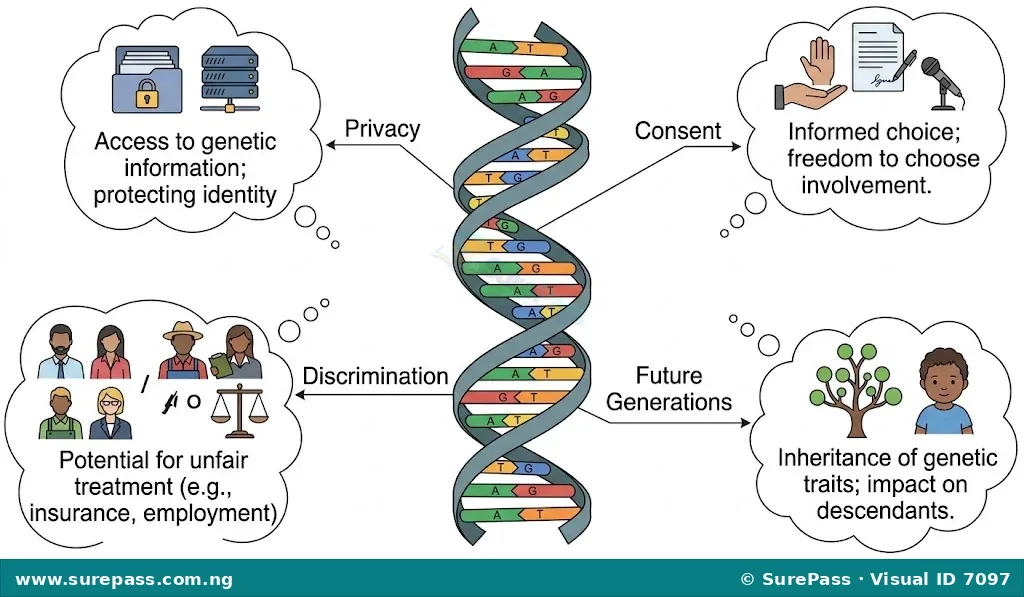
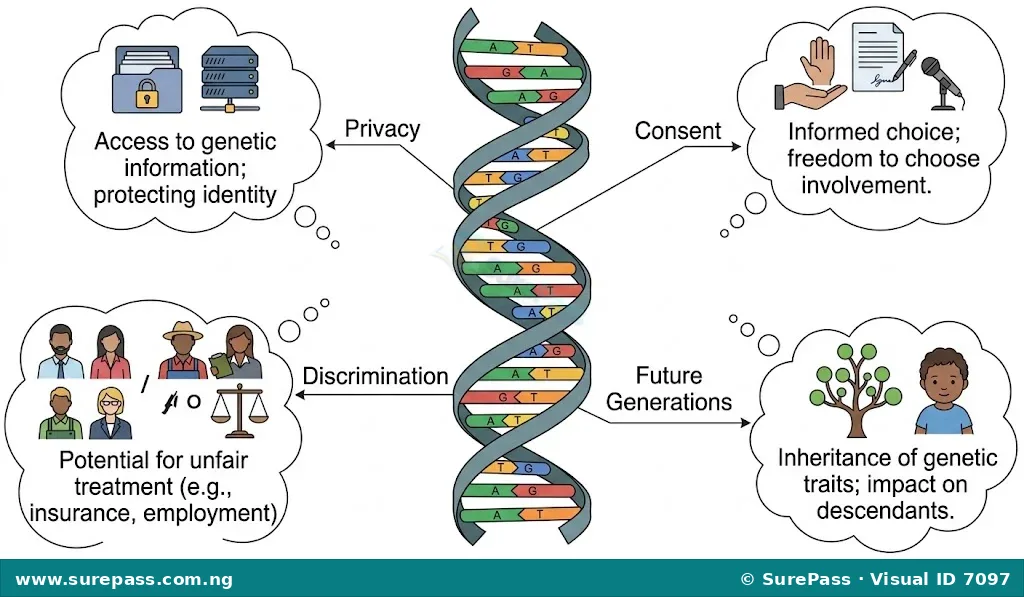
- Privacy and Confidentiality: Genetic information is highly personal. There is a concern about who has access to an individual’s genetic data and how it is used. Misuse of this information could lead to discrimination in employment, insurance, or social settings.
- Informed Consent: Participants in genetic studies must fully understand the purpose, risks, and potential benefits of the research before agreeing to take part. This is especially important when dealing with sensitive genetic information that could affect family members.
- Potential for Discrimination: Knowledge of genetic predispositions to certain diseases could lead to discrimination against individuals or groups. For example, an employer might refuse to hire someone based on their genetic risk for a future illness.
- Eugenics Concerns: The ability to select or modify genes raises historical concerns about eugenics, which is the idea of improving the human race through selective breeding. There are fears that genetic technologies could be used to create “designer babies” or to favour certain traits over others, leading to social inequality.
- Germline Editing: This involves making genetic changes that can be passed down to future generations. The ethical debate here centres on whether it is acceptable to make permanent changes to the human gene pool, as the long-term effects are unknown and could be irreversible.
Ethical Considerations in Cloning of Organisms
Cloning is the process of creating a genetically identical copy of an organism. While cloning animals has been achieved, the possibility of human cloning raises profound ethical questions. Reproductive cloning aims to create a complete organism, while therapeutic cloning aims to create tissues or organs for medical treatment.
Ethical considerations in the cloning of organisms include:
- Human Dignity: Many argue that human reproductive cloning would violate human dignity by treating a cloned individual as a product or a means to an end, rather than a unique person. It raises questions about identity and individuality.
- Safety and Success Rates: Animal cloning often has low success rates and can result in cloned animals with health problems or abnormalities. Applying such a risky procedure to humans would be highly unethical due to the potential for harm.
- Exploitation: There are concerns that cloning could lead to the exploitation of women who might be coerced into donating eggs for cloning purposes.
- Impact on Family and Society: Human cloning could disrupt traditional family structures and societal norms. Questions arise about the legal and social status of a cloned individual and their relationship to the original person.
- Therapeutic vs. Reproductive Cloning: While reproductive cloning is widely opposed, therapeutic cloning (creating stem cells for medical treatment) is less controversial but still raises ethical issues, particularly regarding the creation and destruction of human embryos.
Ethical Considerations in Drug Trials
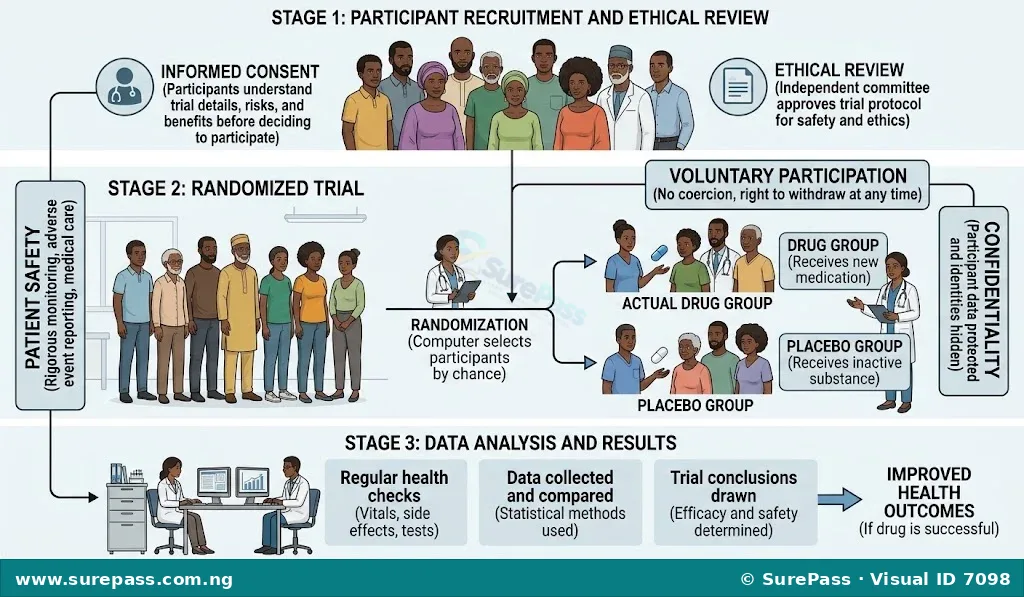
Drug trials, also known as clinical trials, are research studies conducted to evaluate the safety and effectiveness of new drugs or treatments in humans. These trials are essential for developing new medicines, but they must be conducted ethically to protect the participants.
Ethical considerations in drug trials include:
- Informed Consent: Participants must be fully informed about the drug trial, including its purpose, procedures, potential risks, and benefits. They must voluntarily agree to participate without any coercion. This consent must be obtained from adults who are capable of making their own decisions, or from legal guardians for minors or individuals who cannot give consent themselves.
- Minimising Harm and Maximising Benefit: Researchers have a responsibility to design trials that minimise risks to participants while maximising the potential benefits of the new drug. This involves careful selection of participants, monitoring for adverse effects, and stopping the trial if risks outweigh benefits.
- Confidentiality: The personal and medical information of participants must be kept confidential. This protects their privacy and prevents their data from being misused.
- Fair Selection of Participants: Participants should be selected fairly, ensuring that no group is unfairly burdened by the risks of research or excluded from its potential benefits. Vulnerable populations, such as children, pregnant women, or prisoners, require special protections.
- Independent Review: All drug trials must be reviewed and approved by an independent ethics committee or institutional review board. This committee ensures that the trial design is ethical, scientifically sound, and protects the rights and welfare of participants.
- Access to Treatment After Trial: There are ethical debates about whether participants who benefited from an experimental drug during a trial should continue to receive it after the trial ends, especially if it is not yet widely available or affordable.
Observing Ethical Considerations in Biological Research
Observing ethical considerations in biological research means actively applying moral principles and guidelines throughout the entire research process. This skill is crucial for ensuring that scientific advancements are made responsibly and do not cause harm to individuals, communities, or the environment.
Steps for Observing Ethical Considerations:
The procedure for observing ethical considerations involves the following steps:
- Understand Ethical Principles: Researchers must first understand core ethical principles such as respect for persons, beneficence (doing good and avoiding harm), and justice (fairness in distributing risks and benefits).
- Obtain Informed Consent: Before any research involving human participants begins, researchers must clearly explain the study’s purpose, procedures, risks, and benefits. Participants must freely agree to take part, understanding that they can withdraw at any time without penalty. For minors or individuals unable to give consent, consent must be obtained from a legal guardian.
- Protect Privacy and Confidentiality: All personal and sensitive data collected during research, especially in genetics or drug trials, must be kept private. Researchers should use codes instead of names and store data securely to prevent unauthorised access.
- Minimise Risks and Maximise Benefits: Researchers should design studies to reduce any potential harm to participants, animals, or the environment. They must also ensure that the potential benefits of the research outweigh the risks involved.
- Seek Independent Ethical Review: Before starting any research, submit the research proposal to an independent ethics committee or Institutional Review Board (IRB). This committee reviews the study to ensure it meets all ethical standards and protects the rights and welfare of participants.
- Handle Data Responsibly: Collect, analyse, and report data honestly and accurately. Avoid fabricating, falsifying, or misrepresenting research findings.
- Ensure Fair Treatment: Ensure that all participants are treated fairly, regardless of their background, social status, or any other characteristic. The benefits and burdens of research should be distributed equitably.
- Adhere to Regulations and Laws: Follow all national and international laws and regulations related to biological research, including those concerning animal welfare, human subject protection, and environmental safety.
- Be Accountable: Researchers should be prepared to explain and justify their ethical decisions throughout the research process.




0 comments
Open the discussion when you need it. Comments stay collapsed until requested so the initial article remains light.