



ARTICLE CONTENTSOn this page 7 sections
Safety Procedures in the Laboratory
Performance Objectives
By the end of the lesson, students should be able to:
- identify different Safety equipment;
- identify potential causes of emergencies in the laboratory;
- demonstrate responses to laboratory emergencies;
- demonstrate appropriate use of the contents of a first aid box.
Introduction to Laboratory Safety
A biology laboratory is a place where scientific experiments and investigations are carried out. It contains various equipment, chemicals, and biological specimens that can pose risks if not handled properly. Therefore, understanding and following safety procedures are essential to prevent accidents and ensure a safe learning environment for everyone.
Laboratory safety involves using specific equipment, knowing potential hazards, understanding how to administer first aid, and responding effectively to emergencies. These measures help to protect individuals from injuries and prevent damage to property.
Laboratory Safety Equipment
Safety equipment in the laboratory is designed to protect individuals from potential hazards and to manage emergencies effectively. Knowing where these items are located and how to use them is a fundamental part of laboratory safety.
Sand Buckets
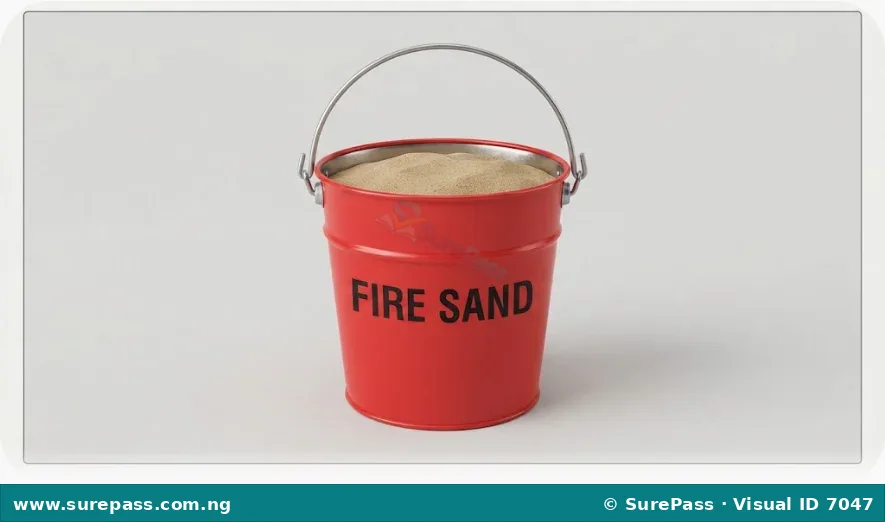
Sand buckets are containers filled with sand, typically placed in laboratories to deal with small fires, especially those involving flammable liquids or electrical equipment. Sand can smother flames by cutting off the oxygen supply, and it does not conduct electricity, making it safe for electrical fires.
Fire Extinguishers
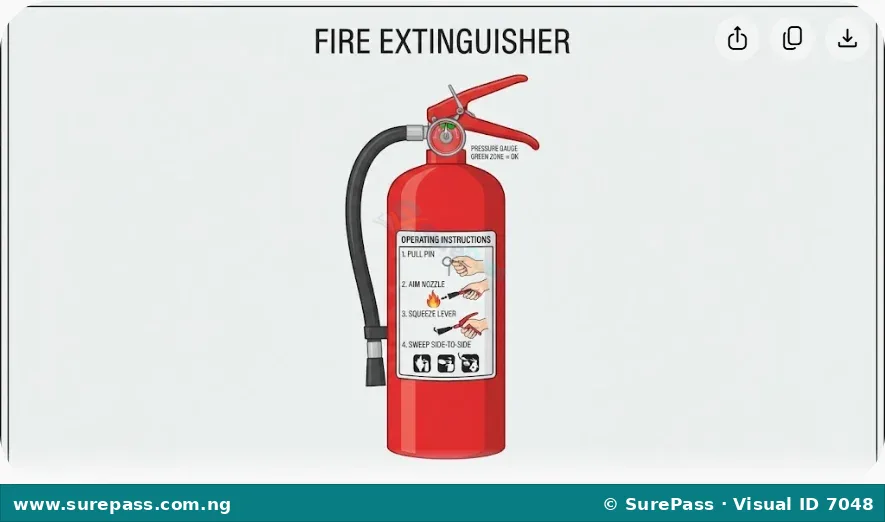
Fire extinguishers are portable devices used to put out small fires. Different types of fire extinguishers are designed for different classes of fires (e.g., electrical, flammable liquids, ordinary combustibles). It is important to know the type of extinguisher available in the laboratory and how to operate it safely.
Protective Glasses (Safety Goggles)
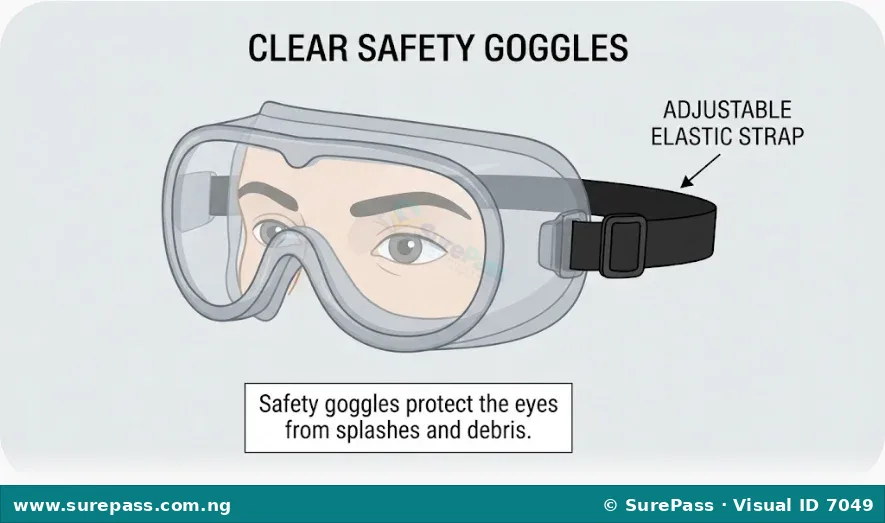
Protective glasses, also known as safety goggles, are worn to shield the eyes from splashes of chemicals, flying debris, or harmful fumes. The eyes are very sensitive, and proper eye protection is crucial when working with chemicals, heating substances, or performing dissections.
Fume Cupboard
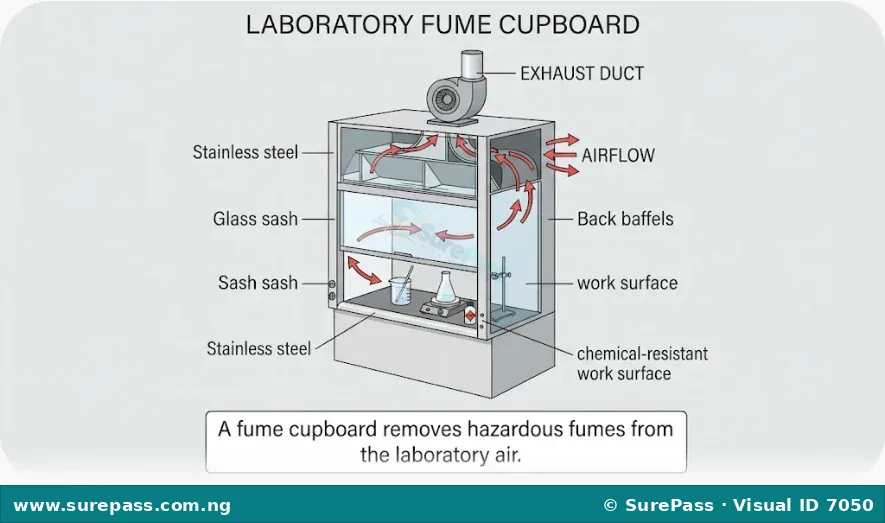
A fume cupboard is a ventilated enclosure in the laboratory that protects users from inhaling hazardous fumes, vapours, and dust. It works by drawing air from the laboratory, passing it over the work area, and then expelling it outside or through a filtration system. Experiments involving volatile or toxic chemicals should always be conducted inside a fume cupboard.
Potential Causes of Emergencies in the Laboratory
Emergencies in the laboratory can arise from various factors, often due to negligence, improper procedures, or faulty equipment. Identifying these potential causes helps in preventing accidents.
Exposed Electrical Wires
Exposed electrical wires are a significant hazard in the laboratory. They can cause electric shocks, burns, or even start fires. Frayed cords, damaged insulation, or improperly connected wires should be reported immediately and not used.
Gas Leakage
Laboratories often use gas from cylinders or piped supplies for Bunsen burners and other equipment. A gas leakage, especially of flammable gases like methane, can lead to explosions or fires. Leaks can also release toxic gases, posing a health risk. A distinct smell or a hissing sound can indicate a gas leak.
Improper Storage of Chemicals
Chemicals must be stored correctly to prevent accidents. Improper storage, such as placing incompatible chemicals together, storing volatile chemicals in open containers, or keeping corrosive substances in easily accessible areas, can lead to spills, reactions, fires, or exposure to harmful fumes.
Cracked Beakers and Glassware
Using cracked beakers, test tubes, or other glassware is dangerous. Cracked glass can break easily during heating, handling, or when subjected to pressure, leading to cuts, spills of chemicals, or exposure to hot substances. All damaged glassware should be discarded safely.
First Aid in the Biology Laboratory
First aid is the immediate care given to an injured or ill person before professional medical help arrives. A well-stocked first aid box and basic knowledge of how to handle minor accidents are crucial in any laboratory.
Contents of the First Aid Box and Their Uses
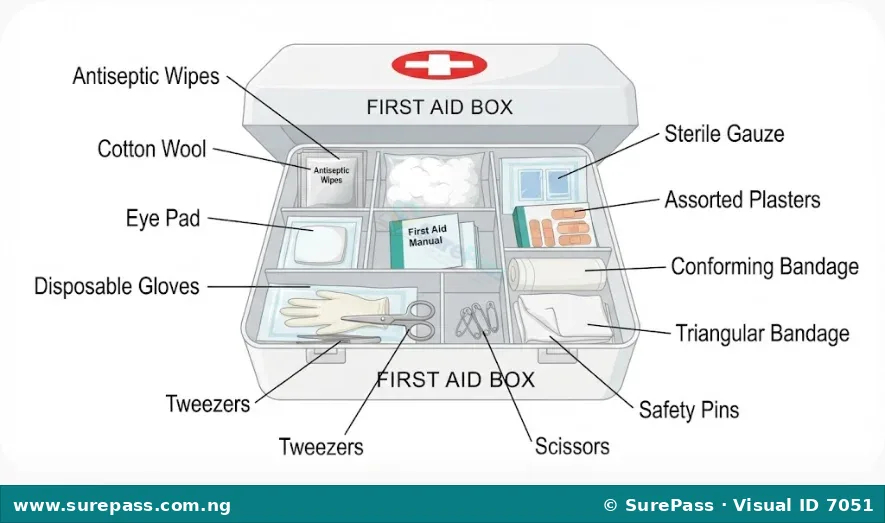
A first aid box contains essential items for treating minor injuries. The common contents and their uses include:
- Antiseptic Wipes/Solution: Used to clean wounds and prevent infection. Examples include Dettol or Savlon.
- Cotton Wool: Used for applying antiseptic solutions or cleaning wounds.
- Sterile Gauze Pads: Used to cover wounds, absorb blood, and protect against infection.
- Adhesive Plasters (Band-Aids): Used for covering small cuts and scrapes.
- Bandages (Roller Bandages/Triangular Bandages): Used to hold dressings in place, support sprains, or apply pressure to control bleeding.
- Medical Tape: Used to secure dressings and bandages.
- Scissors: Used for cutting bandages, tape, or clothing if necessary.
- Safety Pins: Used to secure triangular bandages.
- Pain Relievers (e.g., Paracetamol): For mild pain relief, administered only by an adult or qualified personnel.
- Gloves: Worn to protect the first aider from contact with blood or other body fluids.
Handling Minor Accidents in the Laboratory
Knowing how to respond to minor accidents can prevent them from becoming more serious. Always call for an adult or teacher immediately if an accident occurs.
Handling Minor Burns
Minor burns are usually caused by touching hot objects or splashes of hot liquids. The procedure involves the following steps:
- Immediately cool the burn under cold running water for at least 10-15 minutes.
- Do not apply ice, butter, or oil to the burn.
- Gently remove any clothing or jewellery from the burned area, unless it is stuck to the skin.
- Cover the burn with a clean, non-fluffy dressing or sterile gauze.
- Seek medical attention if the burn is large, deep, or causes severe pain.
Handling Minor Cuts
Minor cuts can occur from broken glassware or sharp instruments. The procedure involves the following steps:
- Wash hands thoroughly with soap and water before touching the wound.
- Clean the cut gently with antiseptic solution and cotton wool or an antiseptic wipe.
- Apply direct pressure to the cut with a clean cloth or sterile gauze to stop bleeding.
- Once bleeding stops, cover the cut with a sterile plaster or dressing.
- If the cut is deep, bleeding does not stop, or dirt is embedded, seek medical attention.
Handling Minor Bites
In a biology laboratory, minor bites might occur from preserved specimens or, rarely, from insects. The procedure involves the following steps:
- Wash the bite area thoroughly with soap and water.
- Apply an antiseptic solution to the wound.
- Cover the bite with a clean dressing or plaster.
- Observe the area for signs of infection, such as redness, swelling, or pus.
- If the bite is from an unknown animal, causes severe pain, or shows signs of infection, seek medical attention immediately.
Emergency Response in the Laboratory
Effective emergency response involves quickly identifying the problem and taking appropriate actions to ensure the safety of everyone in the laboratory.
Identifying the Emergency
The first step in any emergency is to quickly and accurately identify what type of emergency is occurring. This involves observing the situation for signs such as:
- Smoke or Flames: Indicates a fire.
- Strong Odours: Could be a gas leak, chemical spill, or burning material.
- Unusual Sounds: Such as hissing (gas leak), breaking glass, or alarms.
- Visible Spills: Especially of chemicals on the floor or benches.
- Injured Persons: Someone experiencing an electric shock, chemical burn, or other injury.
Once an emergency is identified, alert the teacher or an adult immediately.
Establishing Procedures for Spills and Fire
Responding to Chemical Spills
Chemical spills can be dangerous, depending on the type and quantity of the chemical. The procedure involves the following steps:
- Immediately alert the teacher or an adult.
- If the spill is small and non-hazardous, the teacher may instruct on how to clean it up using appropriate absorbent materials.
- If the chemical is corrosive or toxic, or the spill is large, evacuate the area immediately.
- Do not attempt to clean up large or hazardous spills without proper training and protective equipment.
- Ensure the area is well-ventilated after the spill is contained and cleaned.
Responding to Fire
Fire is a serious emergency that requires quick and decisive action. The procedure involves the following steps:
- Immediately alert the teacher or an adult by shouting “Fire!”
- If the fire is very small and contained (e.g., in a beaker), and you are trained, you might use a sand bucket or the correct type of fire extinguisher.
- Do not attempt to fight a fire that is spreading, involves large amounts of flammable materials, or blocks your escape route.
- Activate the fire alarm if available.
- Begin evacuation if the fire cannot be immediately controlled.
Evacuating People from the Site if Necessary
Evacuation is the process of safely moving everyone out of the laboratory and to a designated safe assembly point. This is necessary for major emergencies like large fires, significant gas leaks, or hazardous chemical spills.
The procedure for evacuation involves the following steps:
- Remain calm and follow the instructions of the teacher or designated emergency personnel.
- Walk quickly and orderly to the nearest emergency exit. Do not run or push.
- Do not stop to collect personal belongings.
- Assist anyone who needs help, if it is safe to do so.
- Proceed to the designated assembly point outside the building.
- Do not re-enter the building until an adult or emergency services declare it safe to do so.



0 comments
Open the discussion when you need it. Comments stay collapsed until requested so the initial article remains light.