



ARTICLE CONTENTSOn this page 5 sections
Applications of Biology in Society
Performance Objectives
By the end of the lesson, students should be able to:
- discuss the role of biology in food production;
- explore the significance of biology in healthcare delivery;
- analyze the impacts of biology on conservation of nature.
Biology is the study of living things. Its principles and discoveries have a profound impact on various aspects of human society. From ensuring there is enough food to eat, to keeping people healthy, and protecting the natural environment, biology plays a crucial role in improving human life and sustaining the planet.
Role of Biology in Food Production
Food production is essential for human survival, and biology provides fundamental knowledge and techniques to improve how food is grown and raised. Understanding living organisms and their interactions helps farmers produce more food efficiently and sustainably.
Understanding Plants and Animals
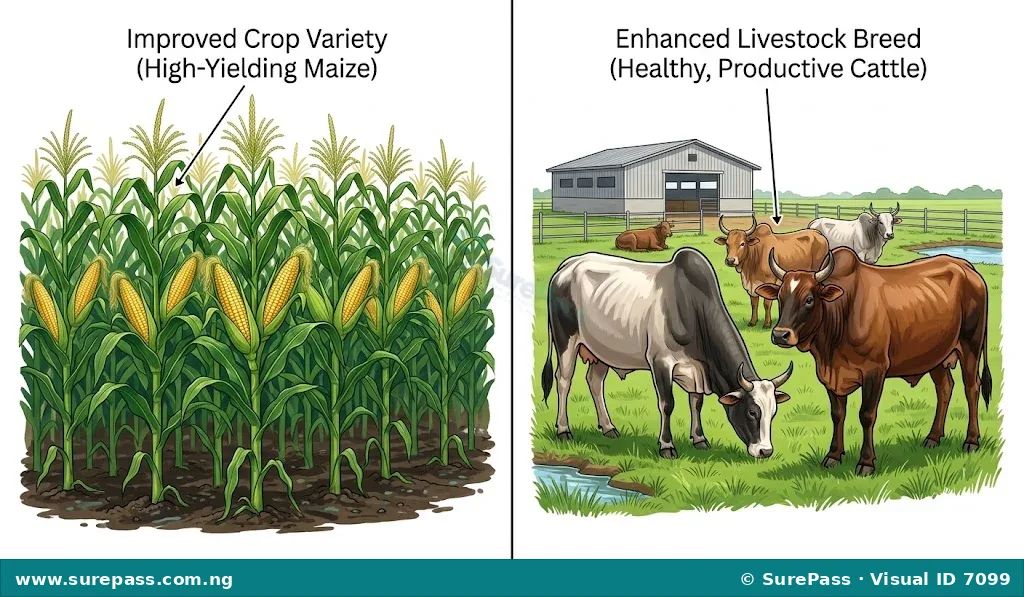
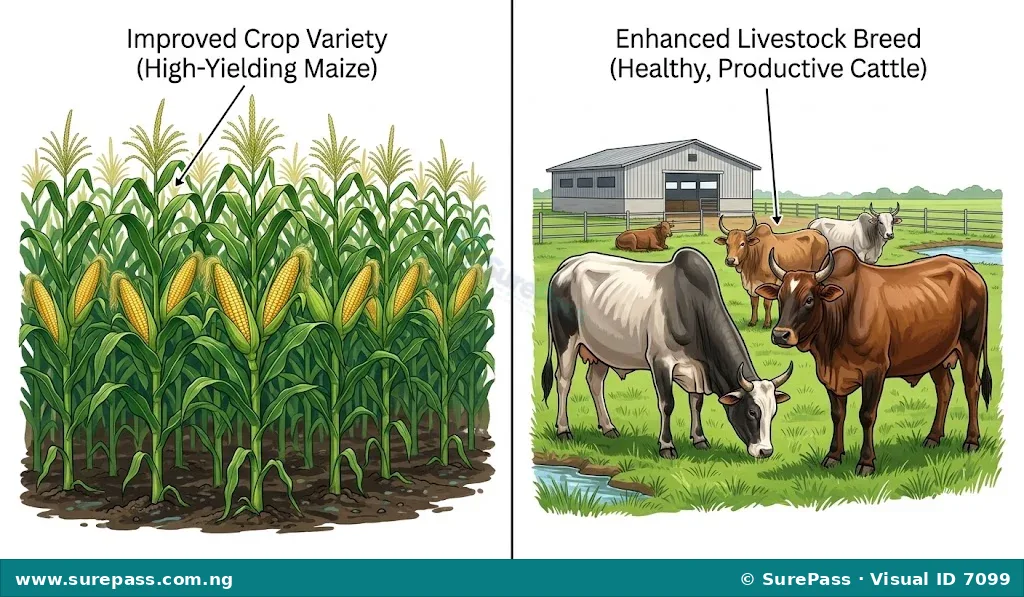
Biology helps in understanding the growth, reproduction, and genetics of plants and animals. This knowledge is vital for developing improved crop varieties and livestock breeds. For instance, biologists study plant genetics to create crops that yield more food, are resistant to diseases, or can grow in challenging environments. Examples include developing drought-resistant maize or high-yielding rice varieties.
Similarly, in animal husbandry, biological studies lead to improved animal breeds that grow faster, produce more milk or meat, or are more resistant to common animal diseases. Understanding animal nutrition and reproduction also helps farmers manage their livestock more effectively, leading to healthier animals and increased food production.
Pest and Disease Management
Pests and diseases can significantly reduce crop yields and harm livestock, leading to food shortages. Biology provides methods to manage these threats effectively.
A pest is an organism that harms crops, livestock, or human interests.
A disease is a condition that impairs the normal functioning of an organism.
Biologists study the life cycles, behaviours, and weaknesses of pests like insects, nematodes, and weeds. This understanding allows for the development of targeted control methods. For example, biological control involves using natural enemies (predators, parasites, or pathogens) to control pests, reducing the reliance on chemical pesticides. An example is using ladybirds to control aphids on plants.
For plant and animal diseases, biologists identify the pathogens (disease-causing organisms like bacteria, viruses, and fungi) and study how they spread. This knowledge helps in developing disease-resistant crop varieties and vaccines for livestock. It also informs practices like crop rotation and proper sanitation to prevent disease outbreaks.
Soil Health and Fertility
Healthy and fertile soil is fundamental for successful crop production. Biology contributes to understanding and maintaining soil health.
Soil health refers to the continued capacity of soil to function as a vital living ecosystem that sustains plants, animals, and humans.
Biologists study the microorganisms in the soil, such as bacteria, fungi, and earthworms, which play crucial roles in nutrient cycling, decomposition of organic matter, and improving soil structure. Understanding these biological processes helps farmers adopt practices that enhance soil fertility, such as composting, using organic fertilisers, and planting cover crops.
These practices help to maintain the balance of nutrients in the soil, prevent soil erosion, and support a diverse community of soil organisms, all of which contribute to sustainable food production.
Significance of Biology in Healthcare Delivery
Biology is at the core of modern medicine and healthcare. It provides the knowledge needed to understand the human body, diagnose diseases, develop treatments, and prevent illnesses.
Diagnosis of Disease
Accurate diagnosis is the first step in treating any disease effectively. Biology provides the tools and knowledge for identifying the causes and nature of illnesses.
Diagnosis of disease is the process of identifying the nature and cause of a disease.
Biologists study pathogens like bacteria, viruses, fungi, and parasites to understand how they cause disease. This knowledge enables the development of diagnostic tests, such as blood tests, urine tests, and microscopic examinations, to detect the presence of these pathogens or the body’s response to them. For example, a blood test can identify the presence of malaria parasites or antibodies against a viral infection.
Understanding the biological markers of diseases, such as changes in cell structure or specific chemical compounds in the body, also helps in diagnosing non-infectious conditions like diabetes or certain cancers.
Understanding the Human Body
A deep understanding of the human body’s structure (anatomy) and how it functions (physiology) is fundamental to healthcare. Biology provides this essential knowledge.
Biologists study the intricate systems of the human body, including the circulatory, respiratory, digestive, nervous, and immune systems. This understanding helps medical professionals know how a healthy body works, allowing them to identify when something is wrong. For example, knowing how the heart pumps blood helps in diagnosing heart conditions, and understanding the immune system helps in treating infections and autoimmune diseases.
This biological knowledge also guides the development of surgical procedures, medical devices, and drug therapies that are tailored to the specific functions and needs of the human body.
Production of Vaccines
Vaccines are one of the most significant achievements in public health, and their development is entirely based on biological principles.
A vaccine is a biological preparation that provides active acquired immunity to a particular infectious disease.
Biologists study the immune system and how it responds to pathogens. They identify specific parts of viruses or bacteria that can trigger an immune response without causing the disease itself. These parts are then used to create vaccines. When a person receives a vaccine, their immune system learns to recognise and fight the pathogen, providing protection against future infections.
The production of vaccines has led to the eradication or significant reduction of many deadly diseases, such as smallpox, polio, measles, and tetanus, saving millions of lives worldwide.
Impacts of Biology on Conservation of Nature
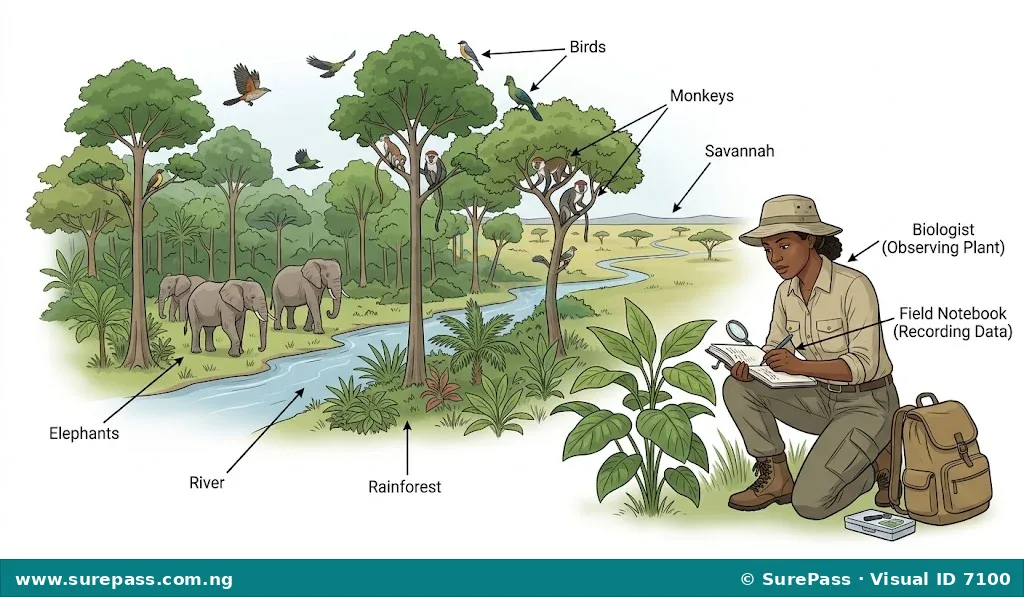
Conservation of nature involves protecting and managing Earth’s natural resources, including plants, animals, and ecosystems. Biology provides the scientific basis for these efforts.
Conservation of nature is the protection, preservation, management, or restoration of natural environments and the wildlife that inhabit them.
Developing Conservation Strategies
Biologists study biodiversity, which is the variety of life on Earth, and the factors that threaten it, such as habitat loss, pollution, and climate change. This understanding is crucial for developing effective conservation strategies.
Conservation strategies are plans and actions designed to protect and manage natural resources and biodiversity.
Examples of biological contributions to conservation strategies include:
- Identifying Endangered Species: Biologists assess populations of plants and animals to determine which species are at risk of extinction, allowing conservationists to prioritise protection efforts.
- Establishing Protected Areas: Based on ecological studies, biologists help identify critical habitats and ecosystems that need protection, leading to the creation of national parks, wildlife reserves, and marine protected areas.
- Species Reintroduction Programmes: Biologists develop programmes to breed endangered species in captivity and reintroduce them into their natural habitats, helping to restore wild populations.
- Sustainable Resource Management: Biological research informs practices for sustainable forestry, fisheries, and agriculture, ensuring that natural resources are used without depleting them for future generations.
Monitoring and Evaluating Conservation Efforts
Once conservation strategies are in place, biology is essential for monitoring their effectiveness and making necessary adjustments.
Monitoring and evaluating conservation efforts involves systematically tracking changes in biodiversity and assessing the success of conservation actions.
Biologists use various techniques to monitor populations of plants and animals, track habitat changes, and assess ecosystem health. This includes:
- Population Surveys: Counting individuals of a species over time to see if their numbers are increasing, decreasing, or stable. This helps determine if protection measures are working.
- Habitat Assessment: Studying the quality and extent of habitats to ensure they can support wildlife. This involves analysing vegetation, water quality, and other environmental factors.
- Genetic Monitoring: Using genetic analysis to track the health and diversity of populations, which is important for preventing inbreeding in small populations.
- Impact Assessment: Evaluating the effects of human activities, such as development projects, on biodiversity to inform policy and mitigation measures.
Through continuous monitoring and evaluation, biologists ensure that conservation efforts are adaptive and achieve their goals of preserving nature for future generations.




0 comments
Open the discussion when you need it. Comments stay collapsed until requested so the initial article remains light.