


ARTICLE CONTENTSOn this page 10 sections
Chemical Industry
Performance Objectives
By the end of the lesson, students should be able to:
- explain the meaning of chemical industry;
- identify chemical industries in their environment;
- distinguish between different categories of chemical industries;
- state the importance of chemical industries in their environment;
- identify environmental problems caused by chemical industries and possible solutions.
Meaning of Chemical Industry
A chemical industry is a sector of manufacturing that transforms raw materials into a wide range of products through chemical processes.
These industries use chemical reactions, processes, and technologies to convert natural resources or intermediate chemical substances into new, useful materials and products. The products from chemical industries are essential for almost every other industry and for daily life.
Chemical Industries in the Locality
Chemical industries are found in various forms within communities, ranging from large-scale factories to smaller production units. These industries play a crucial role in providing essential goods and services.
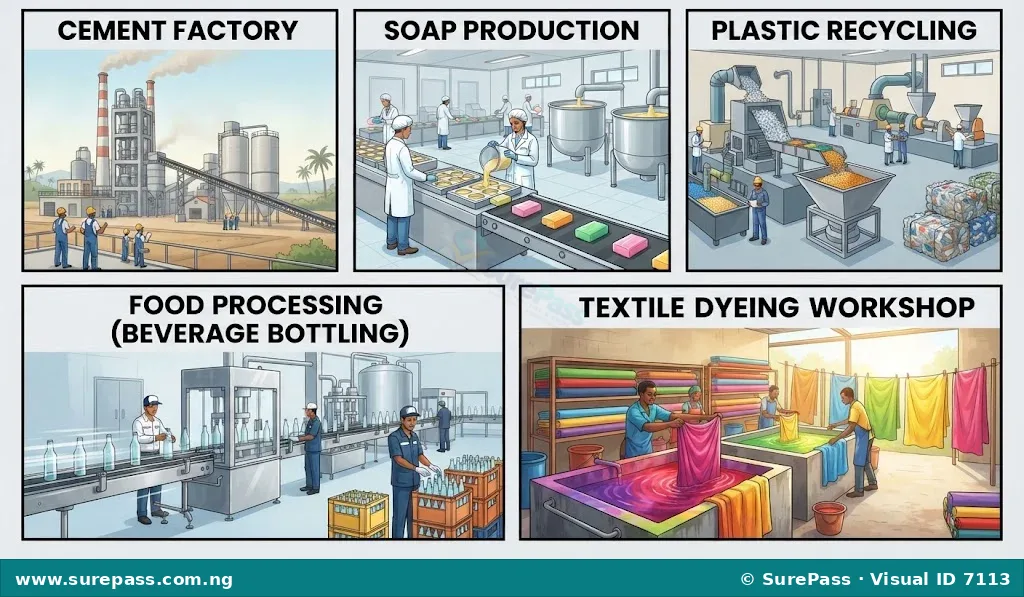
Examples of chemical industries that may be found in a locality include:
- Cement Factories: These factories produce cement, a key material for construction, by processing limestone, clay, and other minerals through high-temperature chemical reactions.
- Soap and Detergent Manufacturing: These industries produce cleaning agents for personal hygiene, laundry, and household cleaning using fats, oils, and alkalis.
- Plastic Manufacturing and Recycling Plants: These facilities produce various plastic products from petroleum-based raw materials or recycle used plastics into new forms.
- Food and Beverage Processing: Many food and beverage companies use chemical processes for preservation, flavouring, colouring, and nutrient enrichment of products like soft drinks, processed foods, and dairy items.
- Textile and Dyeing Industries: These industries use chemical dyes and treatments to colour and finish fabrics for clothing and other textile products.
- Pharmaceutical Industries: These companies manufacture medicines and drugs through complex chemical synthesis and formulation processes.
- Paint and Coating Industries: These industries produce paints, varnishes, and other coatings using pigments, binders, solvents, and additives.
Classification of Chemical Industries
Chemical industries can be classified in several ways, depending on the criteria used. Understanding these classifications helps to categorise the vast range of chemical production activities.
Classification Based on Products Manufactured
Chemical industries can be grouped by the type of products they create:
- Heavy Chemicals: These are chemicals produced in very large quantities, often used as raw materials by other industries. Examples include sulphuric acid, caustic soda (sodium hydroxide), chlorine, and ammonia.
- Fine Chemicals: These are high-purity, low-volume chemicals produced for specific applications. They are often used in pharmaceuticals, agrochemicals, and specialised dyes. Examples include active pharmaceutical ingredients (APIs), laboratory reagents, and advanced polymers.
- Consumer Chemicals: These are products directly used by consumers. Examples include soaps, detergents, cosmetics, paints, and household cleaning products.
Classification Based on Raw Materials
The type of raw materials used is another way to classify chemical industries:
- Petrochemical-Based Industries: These industries use crude oil and natural gas as their primary raw materials. They produce plastics, synthetic fibres, fertilisers, and various organic chemicals.
- Agro-Based Industries: These industries use agricultural products or by-products as raw materials. Examples include industries producing sugar, starch, ethanol from crops, or processing natural fibres.
- Mineral-Based Industries: These industries rely on minerals extracted from the earth. Examples include cement factories (using limestone and clay), glass industries (using sand), and industries producing metals or industrial gases from mineral ores.
Classification Based on Scale of Operation
The size and production capacity of a chemical industry can also be a basis for classification:
- Large-Scale Industries: These are massive production facilities with high output volumes, often requiring significant capital investment and advanced technology. Examples include petroleum refineries, large fertiliser plants, and major cement factories.
- Medium-Scale Industries: These industries have moderate production capacities, larger than small-scale but smaller than large-scale. Examples might include some food processing plants or regional pharmaceutical manufacturers.
- Small-Scale Industries: These are smaller production units, often serving local markets, with lower capital investment and simpler technology. Examples include local soap makers, small paint manufacturers, or tie-dye workshops.
Classification Based on End Use
Chemical industries can also be classified by the ultimate purpose or application of their products:
- Industrial Chemicals: Products used by other industries as raw materials, catalysts, or solvents. Examples include acids, bases, and industrial gases.
- Agricultural Chemicals: Products used in agriculture to improve crop yield or protect crops. Examples include fertilisers, pesticides, and herbicides.
- Consumer Products: Chemicals directly used by individuals in their daily lives. Examples include cosmetics, cleaning agents, and personal care products.
- Pharmaceuticals: Chemicals used for medicinal purposes, including drugs, vaccines, and diagnostic agents.
Importance of Chemical Industries
Chemical industries are vital for the development and well-being of individuals and society. Their contributions span various aspects of modern life.
The importance of chemical industries includes:
- Provision of Essential Products: They produce a vast array of goods necessary for daily life, such as soaps, detergents, medicines, plastics, paints, and building materials.
- Support for Other Industries: Chemical industries supply raw materials and intermediate products to almost every other sector, including agriculture (fertilisers, pesticides), construction (cement, adhesives), textiles (dyes, synthetic fibres), and electronics.
- Job Creation: These industries provide employment opportunities for a large number of people, from scientists and engineers to factory workers and administrative staff.
- Economic Growth: Chemical industries contribute significantly to a nation’s Gross Domestic Product (GDP) through production, trade, and export, fostering economic development.
- Advancement in Healthcare: The pharmaceutical sector develops and manufactures life-saving drugs, vaccines, and medical devices, improving public health.
- Technological Innovation: Chemical research and development lead to new materials, processes, and technologies that drive innovation across various fields.
- Food Security: Fertilisers and pesticides produced by chemical industries help increase agricultural output, contributing to food security.
Environmental Problems Associated with Chemical Industries
While chemical industries are crucial for development, their operations can sometimes lead to significant environmental problems if not properly managed.
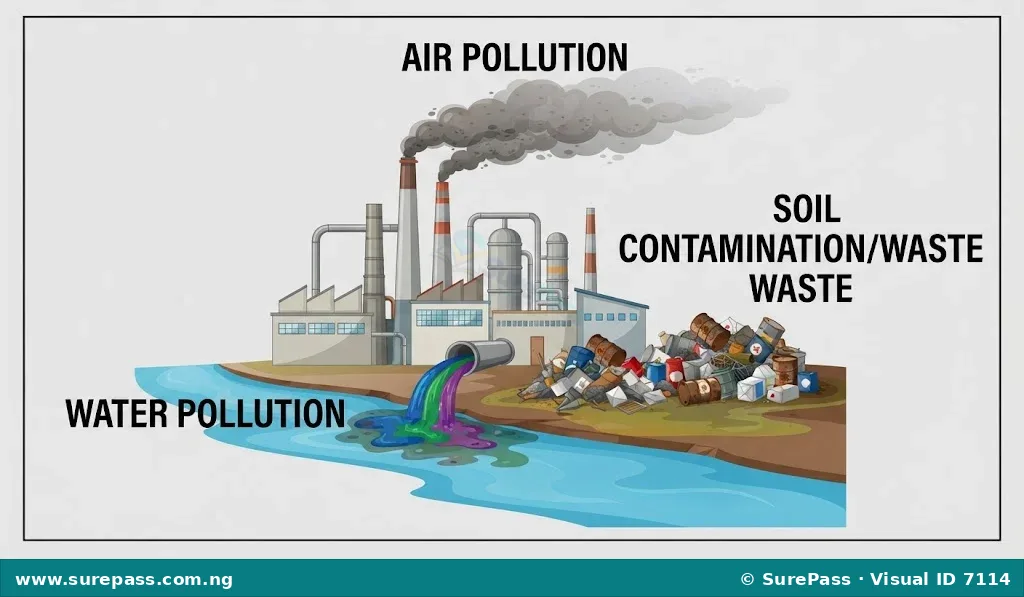
Common environmental problems caused by chemical industries include:
- Air Pollution: Industrial processes can release harmful gases (like sulphur dioxide, nitrogen oxides, carbon monoxide), particulate matter (smoke, dust), and volatile organic compounds into the atmosphere. These pollutants can cause respiratory diseases, acid rain, and contribute to climate change.
- Water Pollution: Effluents (liquid waste) from chemical plants often contain toxic chemicals, heavy metals, and organic pollutants. When discharged into rivers, lakes, or oceans, these can contaminate water sources, harm aquatic life, and make water unsafe for human consumption or agricultural use.
- Soil Contamination: Accidental spills, improper disposal of solid waste, or leakage from storage tanks can contaminate soil with hazardous chemicals. This can reduce soil fertility, harm plant life, and leach into groundwater.
- Waste Generation: Chemical industries produce large volumes of solid and hazardous waste, including chemical residues, sludge, and packaging materials. Improper disposal of this waste can lead to land degradation and pollution.
- Noise Pollution: The operation of heavy machinery, pumps, and ventilation systems in chemical factories can generate high levels of noise, affecting workers and nearby communities.
- Thermal Pollution: Some industries discharge hot water into natural water bodies, which can increase water temperature and negatively impact aquatic ecosystems.
Solutions to Environmental Problems
Addressing the environmental problems caused by chemical industries requires a combination of technological solutions, regulatory measures, and responsible practices.
Possible solutions to these environmental problems include:
- Waste Treatment and Recycling: Implementing advanced technologies to treat industrial effluents before discharge, removing harmful substances. Recycling and reusing waste materials whenever possible reduces the overall waste generated.
- Cleaner Production Technologies: Adopting processes that minimise the use of hazardous raw materials, reduce energy consumption, and generate less waste from the outset.
- Air Pollution Control: Installing scrubbers, filters, and electrostatic precipitators to remove pollutants from factory emissions before they are released into the atmosphere.
- Proper Waste Disposal: Ensuring hazardous waste is disposed of in designated, secure landfills or incinerated using environmentally safe methods, preventing soil and groundwater contamination.
- Environmental Impact Assessments (EIAs): Conducting thorough assessments before establishing new industries or expanding existing ones to identify potential environmental risks and plan mitigation strategies.
- Strict Environmental Regulations and Enforcement: Governments setting and enforcing laws and standards for emissions, waste disposal, and chemical handling, with penalties for non-compliance.
- Tree Planting and Green Belts: Establishing green belts around industrial areas to absorb pollutants, improve air quality, and provide ecological benefits.
- Community Engagement and Awareness: Educating local communities about industrial activities and involving them in monitoring environmental performance.
Laboratory Safety and Handling of Apparatus and Reagents
Working with chemicals and laboratory equipment requires strict adherence to safety rules to prevent accidents and ensure a safe learning environment. This is a fundamental skill for any chemistry student.
General Laboratory Safety Rules
Important safety tips include:
- Always wear appropriate personal protective equipment (PPE), such as safety goggles, lab coats, and gloves, when handling chemicals.
- Never eat, drink, or chew gum in the laboratory.
- Do not taste or smell chemicals directly. If smelling is required, waft the fumes gently towards the nose.
- Always read labels carefully before using any chemical reagent.
- Know the location of safety equipment such as fire extinguishers, fire blankets, and emergency showers.
- Report all accidents, spills, or broken equipment to the teacher immediately.
- Wash hands thoroughly with soap and water after handling chemicals and before leaving the laboratory.
- Never work alone in the laboratory.
- Dispose of chemical waste properly as instructed by the teacher, never pour chemicals down the sink unless specifically told to do so.
Handling Apparatus and Reagents
Proper handling techniques are essential for safety and accurate experimental results.
- Glassware: Handle glassware carefully to avoid breakage. Check for cracks or chips before use. Use appropriate clamps and supports when setting up apparatus.
- Heating: When heating liquids in test tubes, point the mouth of the test tube away from yourself and others. Use a test tube holder. Never heat a closed container.
- Measuring Liquids: Use measuring cylinders or burettes for accurate volume measurements. Read the meniscus at eye level.
- Transferring Reagents: Use clean spatulas for solids and droppers or pouring techniques for liquids. Avoid cross-contamination by using separate apparatus for different chemicals.
- Acids and Bases: Always add acid slowly to water, never water to concentrated acid, especially sulphuric acid, to avoid a violent reaction and splashing.
- Flammable Liquids: Keep flammable liquids away from open flames or heat sources. Work in a well-ventilated area.
Practical Application: Making Tie-Dye Fabric
Tie-dyeing is a simple chemical process that demonstrates how dyes interact with fabric to create patterns. This activity involves handling chemicals (dyes) and apparatus in a controlled manner.
Aim
To produce a tie-dye fabric using local materials and observe the chemical interaction between dye and fabric.
Materials Required
The required materials are:
- White cotton fabric (e.g., a white T-shirt, handkerchief, or piece of white cloth)
- Fabric dyes (various colours, available in local markets)
- Rubber bands or strings
- Buckets or plastic containers (one for each dye colour)
- Gloves (rubber or plastic)
- Salt (to help the dye fix to the fabric)
- Water
- Source of heat (e.g., stove or hot plate, if hot water is needed for dye preparation)
- Stirring rods or sticks
Procedure
The procedure involves the following steps:
- Prepare the Fabric: Wash the white cotton fabric thoroughly to remove any sizing or dirt. Wring it out so it is damp but not dripping wet.
- Tie the Fabric: Fold, twist, or crumple the fabric into your desired pattern. Use rubber bands or strings to tie off sections tightly. The tied areas will resist the dye, creating the pattern.
- Prepare the Dye Solutions: In separate buckets or containers, prepare each dye solution according to the manufacturer’s instructions. This usually involves dissolving the dye powder in hot water and adding salt. Ensure the solutions are well-mixed.
- Wear Gloves: Put on gloves to protect your hands from the dyes.
- Dye the Fabric: Carefully dip different sections of the tied fabric into the various dye solutions. You can dip the entire fabric into one colour, or dip different sections into different colours to create a multi-coloured design. Ensure the fabric absorbs the dye well.
- Allow to Set: Once dyed, place the fabric in a plastic bag or cover it and allow the dye to set for several hours (e.g., 6-24 hours), as recommended by the dye manufacturer. This allows the chemical reaction between the dye and the fabric fibres to complete.
- Rinse the Fabric: After the setting time, remove the rubber bands or strings. Rinse the fabric under cold running water until the water runs clear. This removes excess dye.
- Wash and Dry: Wash the tie-dyed fabric separately in cold water with a mild detergent. Hang it to dry away from direct sunlight.
Safety Precautions
- Always wear gloves to prevent skin contact with dyes, which can stain skin and may cause irritation.
- Work in a well-ventilated area to avoid inhaling dye powders or fumes.
- Avoid splashing dye solutions, especially near eyes. If dye gets into eyes, rinse immediately with plenty of water and seek medical attention.
- Keep all dye materials and solutions away from food and drinks.
- Dispose of leftover dye solutions responsibly, as instructed by your teacher or local guidelines, and not directly into drains.




0 comments
Open the discussion when you need it. Comments stay collapsed until requested so the initial article remains light.