


ARTICLE CONTENTSOn this page 7 sections
Ọdịdị Akwụkwọ Ọgụgụ
Performance Objectives
By the end of the lesson, students should be able to:
- ịkọwa ọdịdị akwụkwọ ọgụgụ
- ịkọwapụta ihe ndị a na-ahụ n’akwụkwọ ọgụgụ;
- ikwu mkpa ọ dị ilekọta na ijizi akwụkwọ ha;
- ịrụgosi akụkụ ebe e si agụpụta ihe n’akwụkwọ.
Gịnị Bụ Akwụkwọ Ọgụgụ?
Akwụkwọ ọgụgụ bụ ihe anyị na-eji amụ ihe ma na-agụ akụkọ dị iche iche.
A reading book is an item used for learning and reading various stories. It helps children to gain knowledge and enjoy different tales.
Akụkụ Akwụkwọ Ọgụgụ
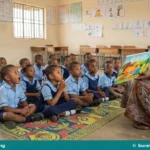
Akwụkwọ ọgụgụ nwere akụkụ dị iche iche. Ụmụaka na-ahụ akụkụ ndị a mgbe ha na-agụ akwụkwọ.
A reading book has different parts. Children see these parts when they read a book.
Akụkụ ndị a na-ahụ n’akwụkwọ ọgụgụ gụnyere:
- Ihu akwụkwọ (Book Cover): Nke a bụ akụkụ ihu na azụ akwụkwọ. Ọ na-echebe akwụkwọ ahụ ma na-egosi aha ya na eserese ya. (This is the front and back part of the book. It protects the book and shows its title and pictures.)
- Akwụkwọ ime (Pages): Ndị a bụ mpempe akwụkwọ dị n’ime akwụkwọ ahụ. Ha nwere mkpụrụedemede, okwu, ahịrịokwu na eserese. (These are the sheets of paper inside the book. They contain letters, words, sentences, and pictures.)
- Aha akwụkwọ (Book Title): Nke a bụ aha e nyere akwụkwọ ahụ. Ọ na-agwa anyị ihe akwụkwọ ahụ bụ maka ya. (This is the name given to the book. It tells us what the book is about.)
- Onye dere ya (Author): Nke a bụ onye dere akwụkwọ ahụ. (This is the person who wrote the book.)
- Eserese (Pictures/Illustrations): Ndị a bụ ihe osise dị n’akwụkwọ ahụ. Ha na-enyere ụmụaka aka ịghọta ihe a na-agụ. (These are the drawings in the book. They help children understand what is being read.)
- Mkpụrụedemede (Letters): Ndị a bụ akara ndị e ji ede okwu. Dịka ọmụmaatụ: a, b, c, d. (These are the symbols used to write words. For example: a, b, c, d.)
- Okwu (Words): Ndị a bụ mkpụrụedemede jikọtara ọnụ iji nye ihe ọ pụtara. Dịka ọmụmaatụ: “ụlọ”, “mmiri”, “akwụkwọ”. (These are letters joined together to give meaning. For example: “house”, “water”, “book”.)
- Ahịrịokwu (Sentences): Ndị a bụ okwu jikọtara ọnụ iji kwuo ihe zuru ezu. Dịka ọmụmaatụ: “Nwaanyị ahụ na-agụ akwụkwọ.” (These are words joined together to say something complete. For example: “The woman is reading a book.”)
Otu E Si Agụ Akwụkwọ
Mgbe a na-agụ akwụkwọ, e nwere ụzọ a na-esi agụ ya. Ịgụ akwụkwọ na-amalite site n’otu akụkụ gaa n’ọzọ.
When reading a book, there is a way to read it. Reading starts from one part and moves to another.
Usoro ịgụ akwụkwọ gụnyere:
- Ịmalite n’aka ekpe gaa n’aka nri: A na-amalite ịgụ okwu site n’aka ekpe gaa n’aka nri n’ahịrị ọ bụla. (Starting from left to right: Words are read from left to right on each line.)
- Ịmalite n’elu gaa n’ala: Mgbe ị gụchara otu ahịrị, ị na-agbada n’ahịrị ọzọ dị n’okpuru ya. (Starting from top to bottom: After reading one line, you move down to the next line below it.)
- Ịtụgharị akwụkwọ: Mgbe ị gụchara ibe akwụkwọ, ị na-atụgharị ya site n’aka nri gaa n’aka ekpe iji gaa n’ibe ọzọ. (Turning pages: After reading a page, you turn it from right to left to go to the next page.)
Njizi na Nlekọta Akwụkwọ Ọgụgụ
Ọ dị ezigbo mkpa ilekọta akwụkwọ ọgụgụ ka ha wee dịrị ogologo oge ma baara anyị uru. Akwụkwọ dị ọcha ma dị mma na-enyere anyị aka ịmụta ihe nke ọma.
It is very important to care for reading books so they last a long time and are useful. Clean and good books help us to learn well.
Mkpa Ọ Dị Ilekọta Akwụkwọ
Ilekọta akwụkwọ dị mkpa n’ihi ihe ndị a:
- Ọ na-eme ka akwụkwọ ahụ dị ọcha ma dị mma. (It makes the book clean and good.)
- Ọ na-eme ka akwụkwọ ahụ dịrị ogologo oge. (It makes the book last a long time.)
- Ọ na-eme ka ndị ọzọ nwee ike iji ya mgbe ị gụchara. (It allows others to use it after you have finished reading.)
- Ọ na-enyere gị aka ịmụta ihe nke ọma n’ihi na akwụkwọ ahụ adịghị emebi emebi. (It helps you learn well because the book is not damaged.)
Ụzọ E Si Elekọta Akwụkwọ
Ụzọ dị mma e si elekọta akwụkwọ ọgụgụ gụnyere:
- Ejila mmiri ma ọ bụ unyi bịaruo akwụkwọ gị nso. (Do not bring water or dirt near your book.)
- Adọkasịla ibe akwụkwọ gị. (Do not tear your book pages.)
- Edekwala ihe na-adịghị mkpa n’ime akwụkwọ gị. (Do not write unnecessary things inside your book.)
- Jiri akpa akwụkwọ ebu akwụkwọ gị mgbe ị na-aga akwụkwọ ma ọ bụ na-alọta. (Use a school bag to carry your book when going to or returning from school.)
- Debe akwụkwọ gị n’ebe dị ọcha ma kpọọ nkụ. (Keep your book in a clean and dry place.)
- Ejila aka ruru unyi jide akwụkwọ gị. (Do not hold your book with dirty hands.)
Ịrụgosi Ebe E Si Ebido Ịgụ Akwụkwọ
Ịmụta ebe a na-amalite ịgụ akwụkwọ dị mkpa ka ị wee nwee ike ịgụ ihe nke ọma. Nke a bụ otu esi arụgosi ebe ahụ.
Learning where to start reading a book is important so you can read properly. This is how to demonstrate that spot.
Ihe ndị a ga-enyere gị aka:
- Akwụkwọ ọgụgụ
Usoro ịrụgosi ebe e si ebido ịgụ akwụkwọ:
- Jide akwụkwọ ọgụgụ gị n’ihu gị. (Hold your reading book in front of you.)
- Mepee akwụkwọ ahụ n’ibe mbụ. (Open the book to the first page.)
- Lelee ibe akwụkwọ ahụ. (Look at the page.)
- Tụ aka n’akụkụ aka ekpe elu nke ibe akwụkwọ ahụ. Nke ahụ bụ ebe a na-amalite ịgụ ahịrịokwu mbụ. (Point to the top left corner of the page. That is where the first sentence begins.)
- Gosi ndị enyi gị ebe ahụ ma kọwaara ha na a na-amalite ịgụ site n’ebe ahụ gaa n’aka nri. (Show your friends that spot and explain to them that reading starts from there and moves to the right.)


0 comments
Open the discussion when you need it. Comments stay collapsed until requested so the initial article remains light.