



ARTICLE CONTENTSOn this page 8 sections
Concept of Print
Performance Objectives
By the end of the lesson, students should be able to:
- recognize and identify the basic features of print (e.g., text, images, headings);
- identify the front and back covers of a book;
- list the differences between text and images.
- describe the concept of left to right and top to bottom reading;
- explain the purpose of a title, author, and illustrator;
- write upper- and lower-case letters.
When people read, they look at words and pictures in books, newspapers, or on screens. Understanding how these words and pictures are arranged and what different parts of a book are called helps people to read better. This is called the concept of print.
Recognizing Text and Images
Books and other reading materials use both text and images to tell stories and share information. It is important to know the difference between them.
What is Text?
Text is made up of letters, words, and sentences. It is what people read to get information or follow a story. Text can be small or big, and it can be arranged in different ways on a page.
What are Images?
Images are pictures, drawings, or photographs. They show what the text is talking about or add more details to a story. Images help people understand the story even before they read the words.
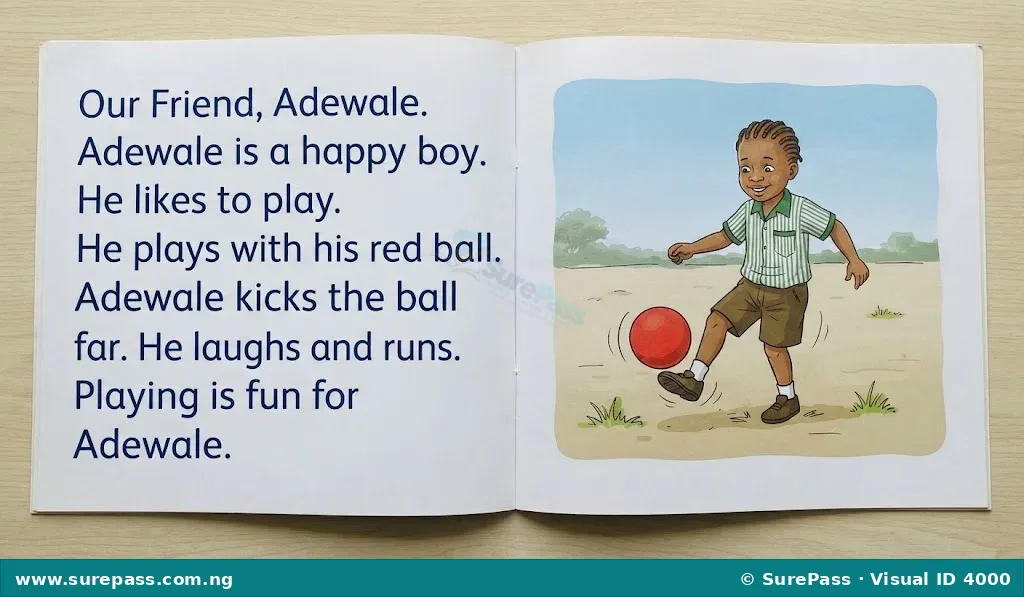
Differences Between Text and Images
Text and images are different but work together. The main differences are:
- Text uses words: Text is made of letters that form words and sentences.
- Images use pictures: Images are drawings or photos that show things.
- Text is read: People read text to understand.
- Images are seen: People look at images to understand.
Headings
Headings are special words or short sentences that tell what a section of text is about. They are usually bigger or bolder than the rest of the text. Headings help people find information quickly in a book or newspaper.
Parts of a Book
Every book has different parts that help to protect it and tell people about its content. Knowing these parts helps people to handle books properly and find information.
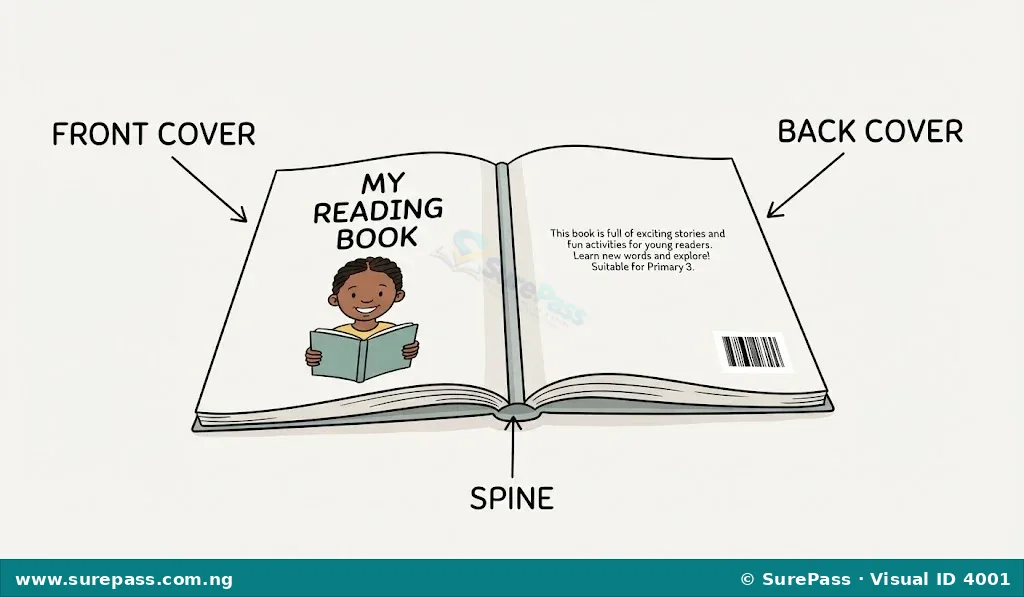
Front Cover
The front cover is the very first page of a book. It usually has the book’s title, the author’s name, and a main picture. The front cover makes people want to open and read the book.
Back Cover
The back cover is the last page of a book. It often has a short summary of the story or information about the book. Sometimes, it also has pictures or a price.
Spine
The spine is the side of the book where all the pages are joined together. When a book is on a shelf, the spine is usually what people see. The title and author’s name are often written on the spine.
Title of a Book
The title is the name of the book. It tells people what the book is about. The title is usually found on the front cover and on the spine.
Author of a Book
The author is the person who wrote the words in the book. The author’s name is usually found on the front cover, inside the book, and sometimes on the spine.
Illustrator of a Book
The illustrator is the person who drew the pictures in the book. Not all books have an illustrator, but many children’s books do. The illustrator’s name is often found on the front cover or inside the book.
How to Handle a Book
Books are important and should be treated with care so they can last a long time. Proper book handling helps to keep books clean and in good condition.
The procedure for handling a book involves the following steps:
- Hold with clean hands: Always make sure hands are clean and dry before touching a book.
- Open gently: Open the book gently from the front cover. Do not force it open too wide.
- Turn pages carefully: Use fingers to turn pages one at a time from the top or bottom corner. Do not fold or tear the pages.
- Keep away from water and food: Do not eat or drink near books to prevent spills and stains.
- Store properly: When finished reading, close the book and place it neatly on a shelf or table. Do not leave it on the floor or in a place where it can get damaged.
Directionality of Books (How We Read)
When people read text in a book, they follow a special path. This path helps them to read all the words in the correct order.
Reading from Left to Right
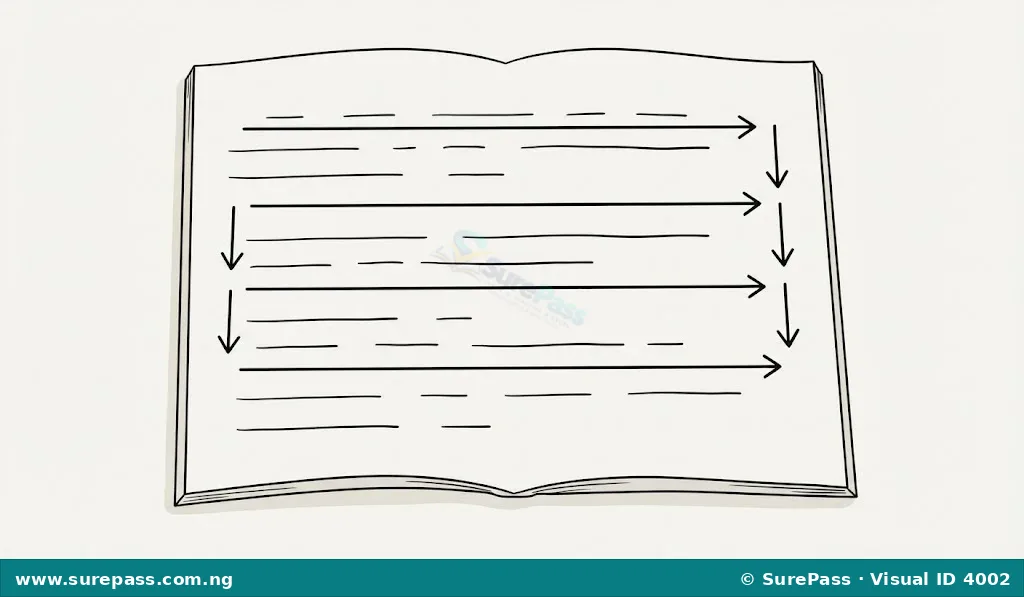
In English, people read words from the left side of the page to the right side of the page. After reading all the words on one line, the eyes move down to the next line.
Reading from Top to Bottom
After finishing a line of text from left to right, people move their eyes down to the next line. This means they read from the top of the page to the bottom of the page. When they finish one page, they turn to the next page and start again from the top left.
Upper Case and Lower Case Letters
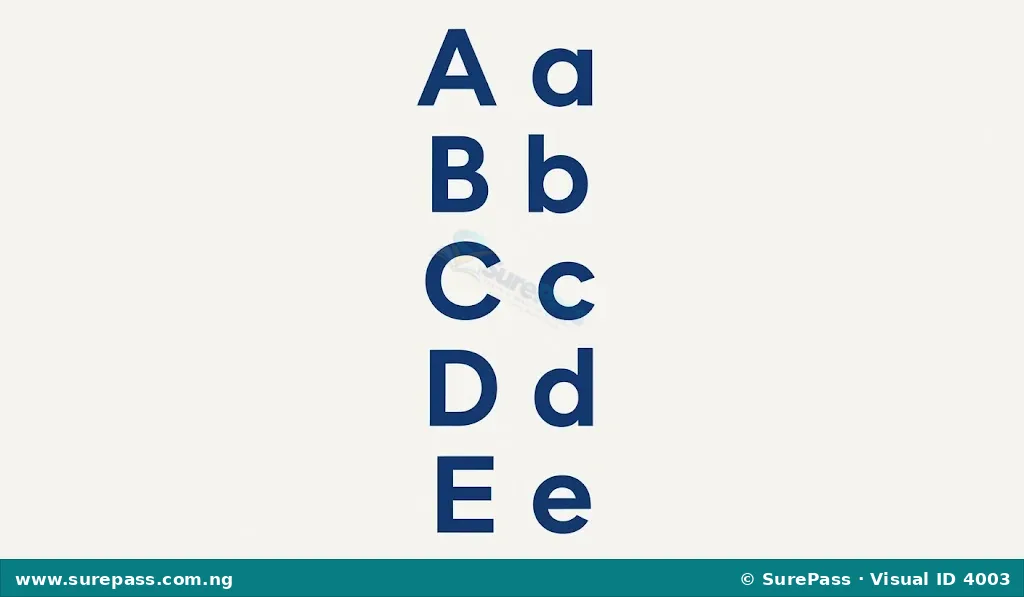
Every letter in the English alphabet has two forms: an upper case form and a lower case form. It is important to know both forms of each letter.
Upper Case Letters
Upper case letters are also called capital letters. They are used at the beginning of sentences, for proper names (like names of people, places, or days of the week), and sometimes for important words in a title.
Examples of upper case letters are:
- A
- B
- C
- D
- E
Lower Case Letters
Lower case letters are the small letters. Most words in a sentence are written using lower case letters.
Examples of lower case letters are:
- a
- b
- c
- d
- e
Writing Upper and Lower Case Letters
Learning to write both upper and lower case letters correctly is an important skill. Practice helps to make writing neat and clear.
The procedure for writing letters involves the following steps:
- Hold the pencil correctly: Hold the pencil gently but firmly between the thumb and first two fingers.
- Start at the correct point: For most letters, start from the top and move downwards.
- Follow the lines: Use lines in a notebook to guide the size and shape of the letters.
- Practice regularly: Write each letter many times to remember its shape and how to form it.
Print Books and E-books
Books can come in different forms. The two main forms are print books and e-books.
What is a Print Book?
A print book is a physical book that people can hold in their hands. It has paper pages with words and pictures printed on them. Print books can be found in homes, schools, and libraries.
What is an E-book?
An e-book is a digital book that is read on an electronic screen. It does not have paper pages. E-books can be read on devices like tablets, phones, or computers. They look like a book on the screen, but they are not physical objects.
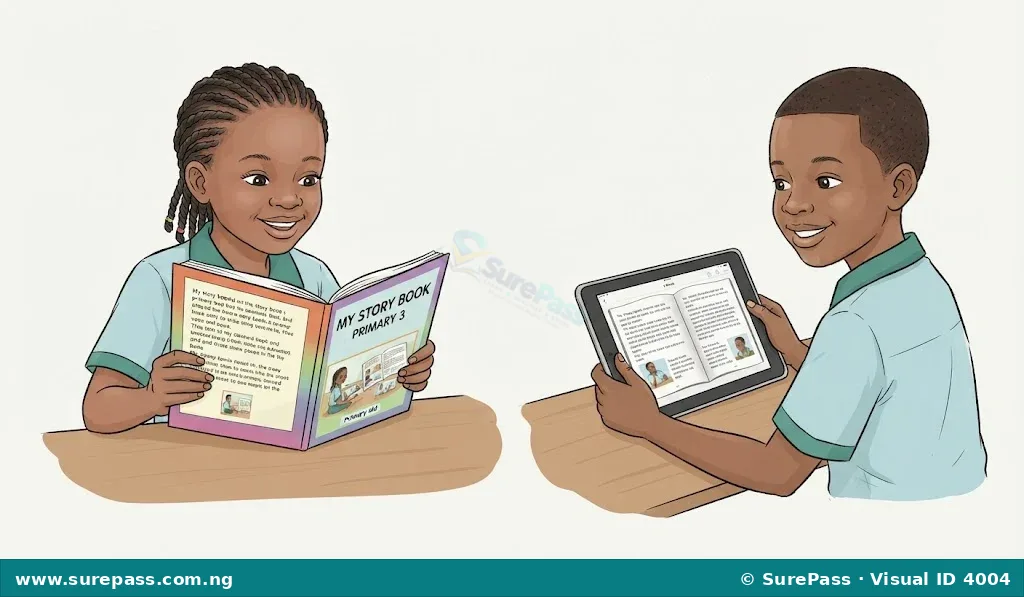
Differences Between Print Books and E-books
The main differences between print books and e-books are:
- Physical vs. Digital: Print books are physical objects made of paper. E-books are digital files read on screens.
- Holding: People can hold and turn the pages of a print book. E-books are read by tapping or swiping on a screen.
- Storage: Print books take up physical space on shelves. Many e-books can be stored on one small device.




0 comments
Open the discussion when you need it. Comments stay collapsed until requested so the initial article remains light.