



ARTICLE CONTENTSOn this page 7 sections
Phonological Awareness (Sounds of animals)
Performance Objectives
By the end of the lesson, students should be able to:
- identify and name sounds made by various animals and things;
- reproduce sounds made by animals and things.
Understanding Sounds Around Us
The world is full of many different sounds. Every day, people hear sounds from animals, from things and from nature. Learning to listen carefully and recognise these sounds helps people understand the world better.
Recognising sounds means knowing what makes a particular sound. For example, when a sound is heard, a person can tell if it is a dog barking or a bell ringing.
Sounds Made by Animals
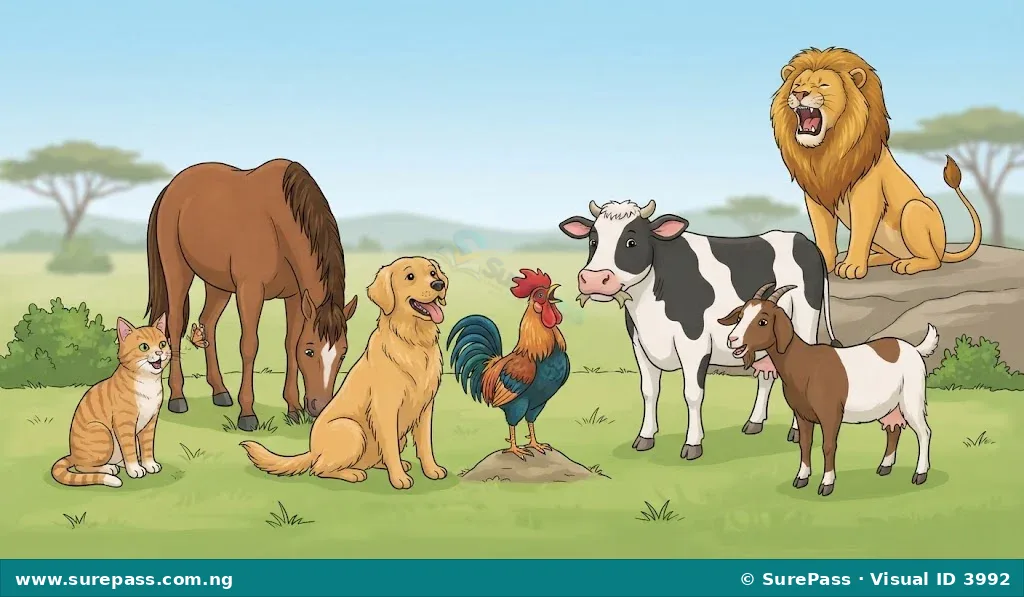
Animals make different sounds to communicate or express themselves. These sounds are unique to each animal.
The Cat’s Sound
A cat makes a sound called a “meow”. Sometimes, a cat also purrs when it is happy or rubs against a person’s leg.
The Horse’s Sound
A horse makes a sound called a “neigh”. Horses often neigh when they are excited or calling to other horses.
The Dog’s Sound
A dog makes a sound called a “bark”. Dogs bark for many reasons, such as when someone comes to the door or when they want to play.
The Cock’s Sound
A cock, which is a male chicken, makes a sound called a “crow”. Cocks often crow early in the morning to signal the start of a new day.
The Cow’s Sound
A cow makes a sound called a “moo”. Cows moo when they are calling their calves or when they want to be fed.
The Goat’s Sound
A goat makes a sound called a “bleat”. Goats bleat to communicate with each other or to show they are hungry.
The Lion’s Sound
A lion makes a sound called a “roar”. A lion’s roar is a very loud sound that can be heard from far away.
Sounds Made by Things
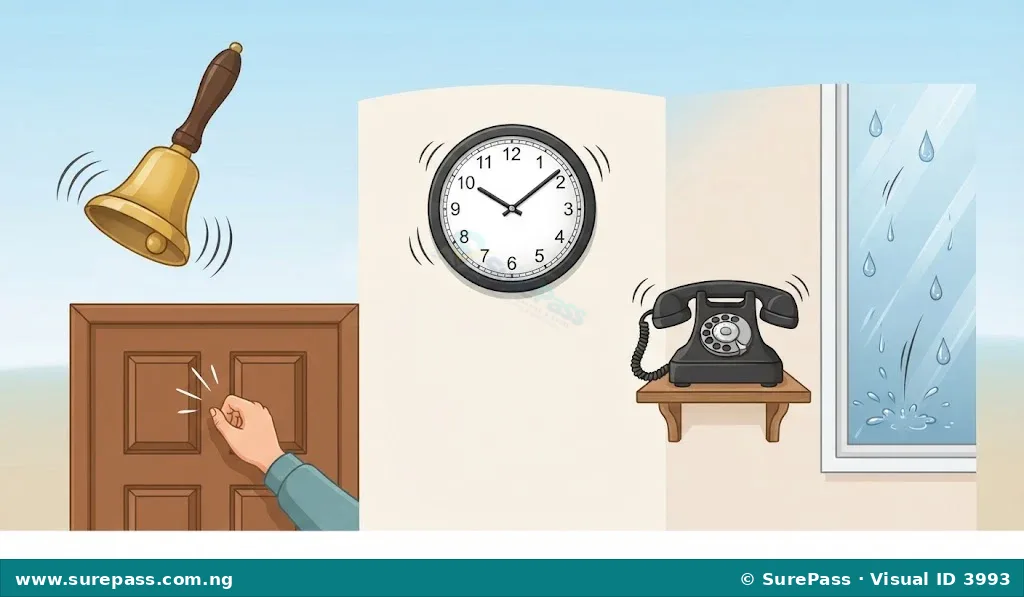
Many objects and natural events also make distinct sounds. These sounds help people understand what is happening around them.
The Bell’s Sound
A bell makes a sound called a “ring”. Bells are used in schools to signal break time or the end of lessons. They also ring on bicycles or at church.
The Clock’s Sound
A clock makes a sound called a “tick-tock”. This sound comes from the clock’s parts moving to show the time.
The Door’s Sound
A door can make different sounds. When someone knocks on a door, it makes a “knock-knock” sound. An old door might make a “creak” sound when it opens or closes.
The Telephone’s Sound
A telephone makes a sound called a “ring”. This sound tells a person that someone is calling them.
The Rain Drops’ Sound
Rain drops make a sound called “pitter-patter” when they fall on a roof or window. This sound is heard during rainfall.
Identifying Sounds
Identifying sounds means knowing which animal or thing makes a particular sound. This skill helps people understand their environment.
To identify sounds, listen carefully to the sound and think about what could be making it. For example, if a “meow” sound is heard, a person can identify it as a cat.
Consider the following sounds and identify their source:
- “Woof woof!”
- “Moooo!”
- “Ding-dong!”
- “Pitter-patter!”
- “Neigh!”
Reproducing Sounds
Reproducing sounds means making the same sound that an animal or thing makes. This is also called mimicking or imitating sounds.
Practising these sounds helps people to remember them and to understand how they are made.
Try to make the following sounds:
- The sound of a cat.
- The sound of a cock.
- The sound of a telephone.
- The sound of a lion.
- The sound of a clock.





0 comments
Open the discussion when you need it. Comments stay collapsed until requested so the initial article remains light.