



ARTICLE CONTENTSOn this page 7 sections
Making Polite Requests
Performance Objectives
By the end of the lesson, students should be able to:
- make requests clearly and respectfully using appropriate words and tones;
- ask for permission or clarifications when necessary;
- Use polite language in everyday situations;
- develop respect and consideration for others
What Are Polite Requests?
A polite request is a kind way of asking for something or asking someone to do something. When people make polite requests, they use special words that show respect and make others happy to help.
Using polite words helps people to get what they need and also shows that they care about other people’s feelings. It makes interactions smoother and more pleasant for everyone.
Magic Words for Polite Requests
There are some special words that are like magic. When people use them, they help to make requests polite and friendly. These words are “please,” “thank you,” “excuse me,” and “sorry.”
Using “Please”
“Please” is a magic word used when asking for something. It shows that the person is asking kindly and not demanding.
Examples of using “please” include:
- “Please, may I have some water?”
- “Please, can you help me carry this book?”
- “Please, pass me the crayon.”
- “Please, can I go to the toilet?”
- “Please, may I borrow your pencil?”
When a person uses “please,” it makes the request sound gentle and respectful. People are more likely to help when asked politely.
Using “Thank You”
“Thank you” is another magic word used after someone has helped or given something. It shows appreciation and gratitude.
Examples of using “thank you” include:
- “Thank you for the water.”
- “Thank you for helping me.”
- “Thank you for sharing your toy.”
- “Thank you for teaching me.”
- “Thank you for listening.”
Saying “thank you” makes the person who helped feel good and appreciated. It encourages them to help again in the future.
Using “Excuse Me”
“Excuse me” is a polite way to get someone’s attention, to pass by someone, or to interrupt politely. It shows that the person respects others’ space and time.
Examples of using “excuse me” include:
- “Excuse me, may I ask a question?” (to get attention)
- “Excuse me, please let me pass.” (to move past someone)
- “Excuse me, I need to get to my seat.” (to move through a crowd)
- “Excuse me, I think you dropped something.” (to interrupt politely)
Using “excuse me” helps to avoid being rude when someone needs to speak or move past others.
Using “Sorry”
“Sorry” is a word used to apologise when a mistake has been made or when someone has accidentally hurt another person’s feelings. It shows that the person understands their mistake and feels bad about it.
Examples of using “sorry” include:
- “Sorry, I accidentally bumped into you.”
- “Sorry, I broke your pencil.”
- “Sorry, I made a mistake.”
- “Sorry, I forgot to bring your book.”
Saying “sorry” helps to mend friendships and show that a person cares about others. It is important to say “sorry” when it is truly meant.
Making Polite Requests in Different Places
Polite requests are important everywhere, whether at home, at school, or in the community.
At Home
At home, children can use polite words when talking to their parents, siblings, and other family members. This helps to create a happy and respectful home environment.
Examples of polite requests at home include:
- “Mummy, please can I have some food?”
- “Daddy, please help me with my homework.”
- “Sister, please pass me the remote control.”
- “Brother, excuse me, can I play with your toy?”
- “Sorry, I spilled the water.”

At School
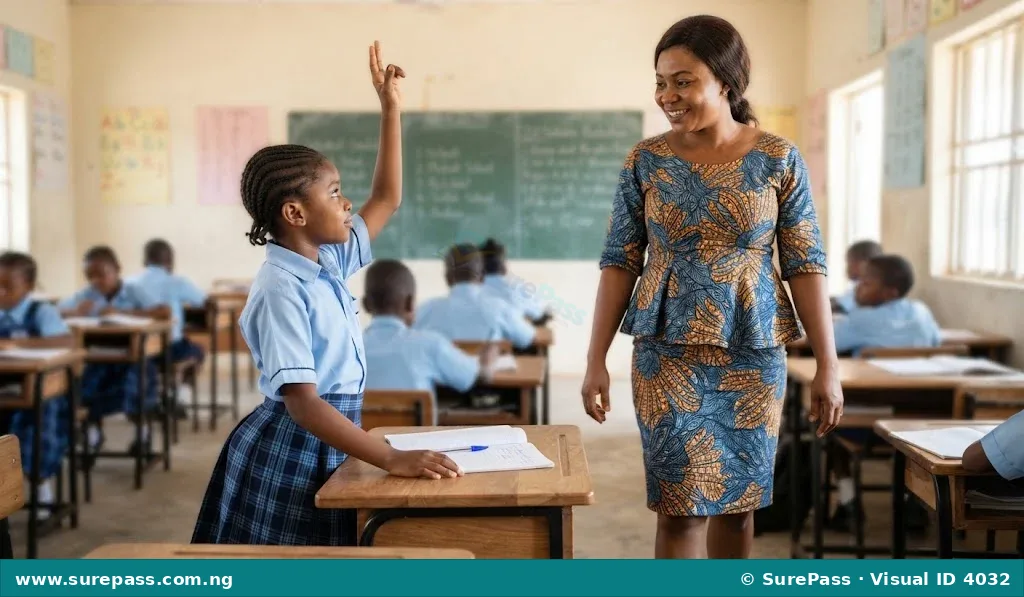
At school, children interact with their teachers and classmates. Using polite words helps them to learn better and make friends.
Examples of polite requests at school include:
- “Teacher, please may I go to the toilet?”
- “Teacher, excuse me, I have a question.”
- “Classmate, please can I borrow your eraser?”
- “Thank you for helping me with the sum.”
- “Sorry, I accidentally stepped on your foot.”
In the Community
In the community, children meet different people like shopkeepers, neighbours, and older people. Being polite shows good manners and respect for everyone.
Examples of polite requests in the community include:
- “Excuse me, sir, please can you tell me the way to the market?”
- “Please, may I have a sachet of water?” (at a shop)
- “Thank you for helping me cross the road.”
- “Sorry, I accidentally dropped your item.”
How to Make a Polite Request
Making a polite request involves using the right words and also showing respect with actions. This helps to communicate clearly and respectfully.
The procedure involves the following steps:
- Look at the person: Turn towards the person and look at their face. This shows that the person is paying attention to them.
- Use a gentle voice: Speak in a calm and soft voice, not too loud or too quiet. A gentle tone makes the request sound friendly.
- Use “please”: Always start the request with “please” or include it in the sentence. For example, “Please, may I…” or “Can I have…, please?”
- State the request clearly: Say exactly what is needed or what permission is being asked for. For example, “May I have a biscuit?” or “Can I play outside?”
- Wait for a response: After making the request, wait patiently for the person to answer.
- Say “thank you”: If the request is granted, remember to say “thank you” immediately. If the request cannot be granted, still say “thank you” for listening.
Using these steps helps to show respect and consideration for others, which are important parts of being polite.
Why Politeness Matters
Being polite is important because it helps people to live together happily. When people are polite, they show that they care about others’ feelings and that they respect them.
Politeness helps to:
- Make friends easily.
- Get help from others.
- Avoid arguments and misunderstandings.
- Show good manners.
- Make people feel happy and respected.
By using magic words like “please,” “thank you,” “excuse me,” and “sorry,” children can show respect and consideration in all their interactions.




0 comments
Open the discussion when you need it. Comments stay collapsed until requested so the initial article remains light.