


ARTICLE CONTENTSOn this page 8 sections
Drawing and Decorating Letters and Numbers
Performance Objectives
By the end of the lesson, students should be able to:
- trace capita land small letters;
- draw capital and smal l letters;
- trace and draw numbers from 1 to 20;
- decorate alphabets and numbers with colours;
- colouring large printed letters and numbers.
Introduction to Letters and Numbers
Letters and numbers are important symbols that help people to read, write and count. Letters form words, and numbers help to count things. Learning to draw and decorate them is a fun way to understand them better and make them look beautiful.
In Cultural and Creative Arts, letters and numbers can be turned into colourful artworks. This helps children to recognise them easily and enjoy learning.
Tracing Letters and Numbers
Tracing is drawing over the lines of a letter or number that is already printed. It helps to learn the correct shape and how to form each letter and number.
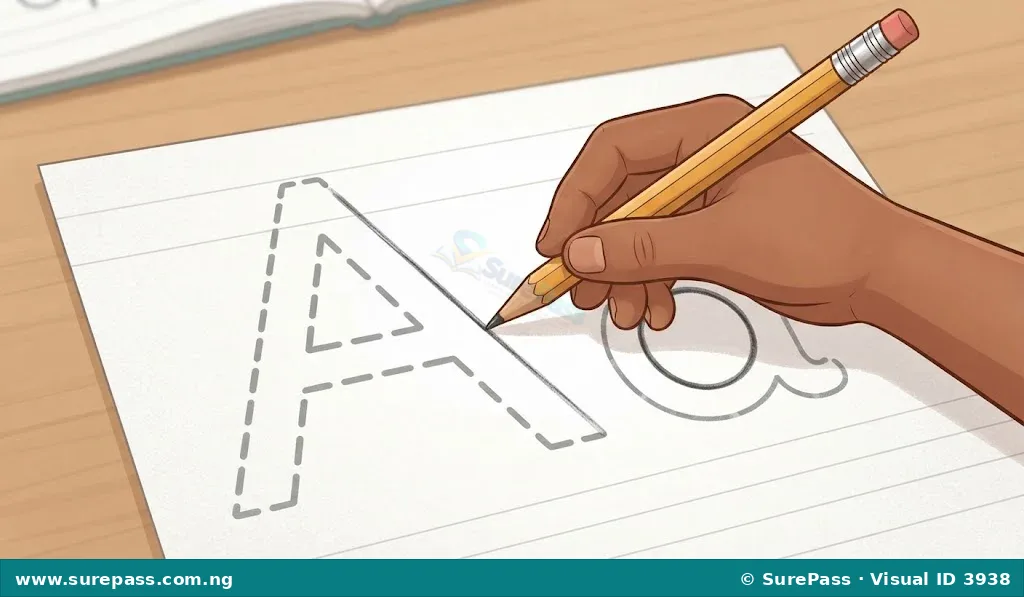
How to Trace Letters (A-Z)
Tracing letters helps to practise making the correct shapes. Both capital letters (like A, B, C) and small letters (like a, b, c) can be traced.
The procedure involves the following steps:
- Place a thin paper over a printed letter or number.
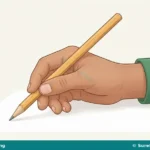
- Hold the pencil firmly but gently.
- Start at the correct point on the letter or number.
- Follow the lines carefully with the pencil.
- Move the pencil slowly to stay on the printed lines.
- Trace the entire letter or number until it is complete.
Practise tracing all the capital letters from A to Z. Also, practise tracing all the small letters from a to z.
How to Trace Numbers (1-20)
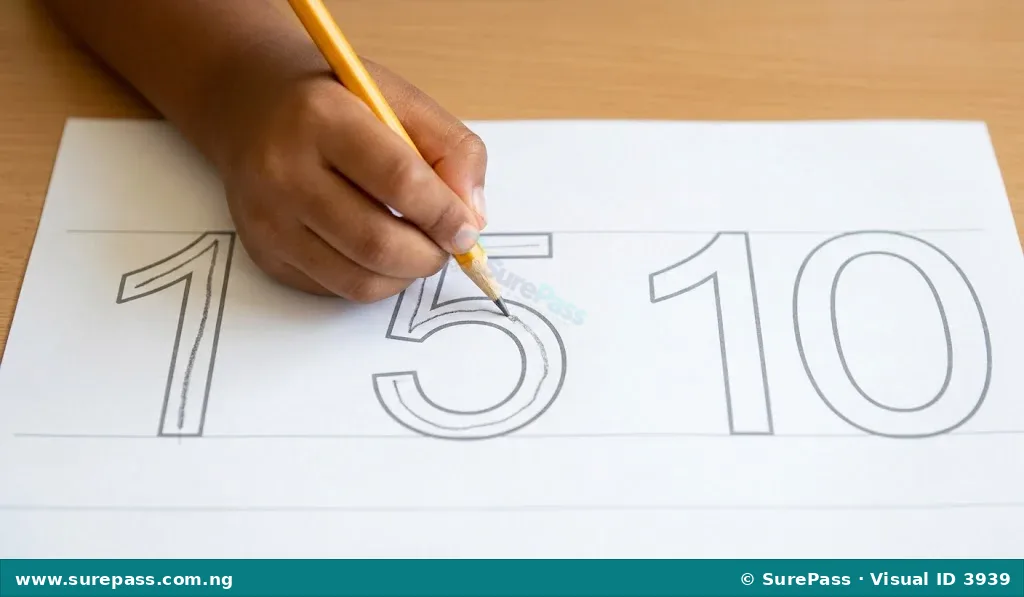
Tracing numbers helps to learn how to write each number correctly. This includes numbers from 1 to 20.
The procedure involves the following steps:
- Place a thin paper over a printed number.
- Hold the pencil correctly.
- Start tracing from the top or the correct starting point of the number.
- Follow the printed lines carefully.
- Trace each number from 1 all the way to 20.
Practise tracing numbers like 1, 2, 3, and then numbers like 10, 15, and 20. This helps to remember their shapes.
Drawing Letters and Numbers
Drawing letters and numbers means making them yourself without tracing over existing lines. This shows that the shapes have been learned.
How to Draw Letters (A-Z)
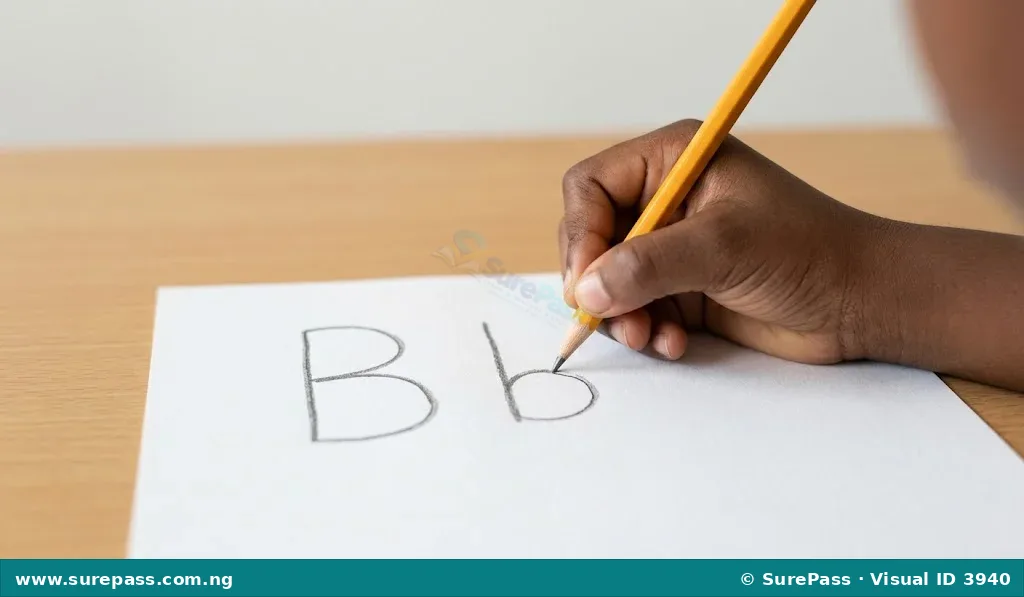
After tracing, drawing letters on your own becomes easier. This includes drawing all capital letters from A to Z and all small letters from a to z.
The procedure involves the following steps:
- Look at a letter carefully to remember its shape.
- Use a pencil to make the first line or curve of the letter.
- Continue adding lines and curves until the letter is complete.
- Try to make the letter neat and clear.
Practise drawing capital letters like M, N, O, and small letters like m, n, o. Try to make them look like the ones you traced.
How to Draw Numbers (1-20)
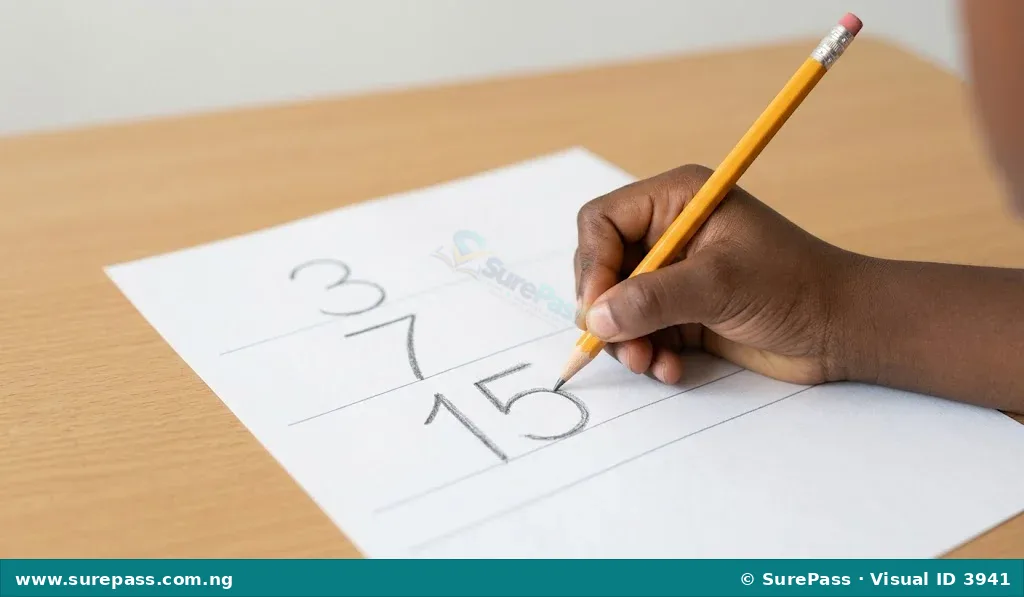
Drawing numbers from 1 to 20 on your own is an important skill. It shows that you can remember and create the shapes of each number.
The procedure involves the following steps:
- Remember the shape of the number you want to draw.
- Use a pencil to draw the number on a blank space.
- Make sure the number is clear and easy to read.
Practise drawing numbers like 4, 7, 9, and then numbers like 12, 18, and 20. Try to make them neat and well-formed.
Colouring Letters and Numbers
Colouring makes letters and numbers look attractive and lively. It is a way to decorate them and make them stand out.
How to Colour Large Printed Letters and Numbers
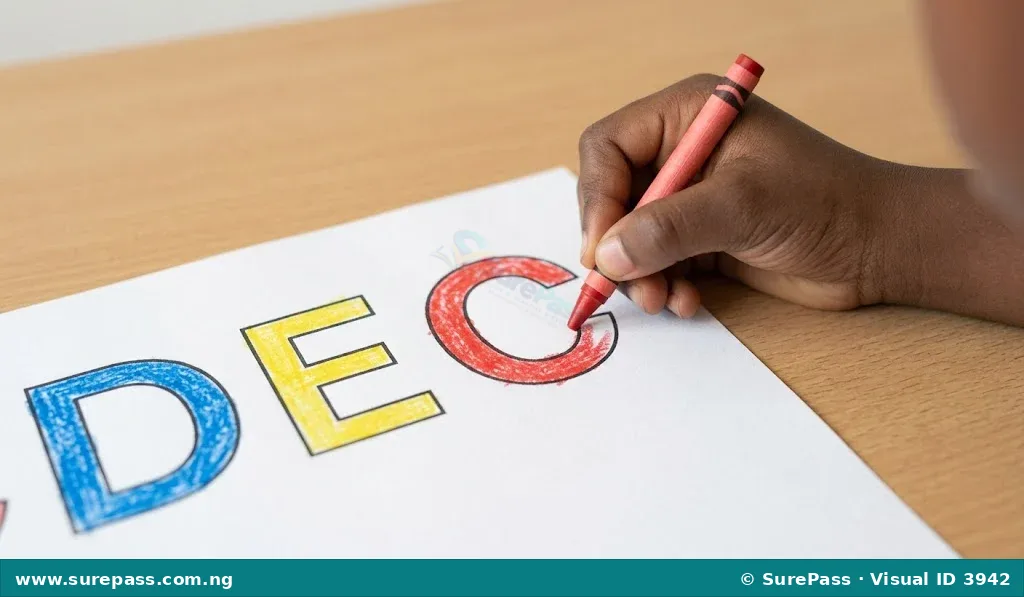
When colouring large printed letters and numbers, it is important to stay within the lines and use colours neatly.
The procedure involves the following steps:
- Choose your favourite colours, such as red, blue, green, or yellow.
- Hold the crayon or colour pencil gently.
- Start colouring from the edges of the letter or number.
- Move the crayon or pencil in one direction (e.g., up and down, or side to side) to fill the space.
- Colour slowly and carefully to stay inside the lines.
- Use different colours for different letters or numbers to make them colourful.
You can colour a capital letter ‘A’ red, a small letter ‘b’ blue, and the number ‘5’ green. This makes them look decorative and fun.
Materials for Art
To trace, draw, and colour letters and numbers, some materials are needed. These materials help to create beautiful artworks.
The required materials are:
- Pencils
- Traceable letters and numbers (printed on paper)
- Writing book or drawing book
- Crayons or colour pencils
- Flash cards or charts showing letters and numbers
Safety When Using Art Materials
It is important to use art materials carefully to avoid accidents.
Important safety tips include:
- Pencils should be used for drawing and writing, not for playing.
- Crayons and colour pencils should be kept away from the mouth.
- Always put materials back in their correct place after use.
- Keep the work area clean and tidy.

0 comments
Open the discussion when you need it. Comments stay collapsed until requested so the initial article remains light.