


ARTICLE CONTENTSOn this page 9 sections
Shapes and Texture
Performance Objectives
By the end of the lesson, students should be able to:
- describe shapes;
- identify types of shapes;
- create shapes;
- make different textures;
- create different shapes with unique textures;
- use shapes to form compositions;
- use textures to form patterns.
What Are Shapes?
A shape is the outline of an object. It is how an object looks from the outside.
Shapes are all around us. When you look at different things, you can see their shapes.
Types of Shapes
There are many types of shapes. Some common shapes include:
- Circle: A round shape, like a ball or a plate.
- Square: A shape with four equal sides, like a window or a dice.
- Rectangle: A shape with four sides, where two opposite sides are long and the other two opposite sides are short, like a door or a book.
- Triangle: A shape with three sides, like a slice of pizza or a roof.
- Oval: A shape like a stretched circle, similar to an egg.
- Star: A shape with many points, like the stars in the sky.
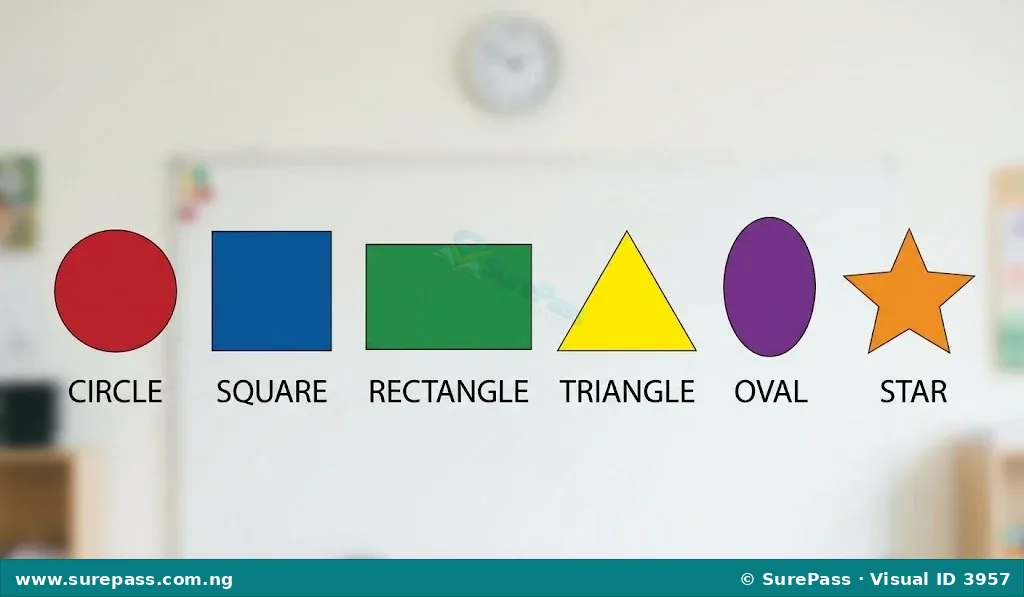
Many objects in the home, school and community have these shapes. For example, a clock is often a circle, a table top can be a rectangle, and a traffic sign might be a triangle.
What Is Texture?
Texture is how something feels when it is touched. It describes the surface of an object.
Different objects have different textures. Some objects feel smooth, while others feel rough.
Types of Textures
Two main types of textures are:
- Smooth Texture: A surface that feels even and soft when touched. It has no bumps or rough parts.
- Rough Texture: A surface that feels uneven, bumpy, or coarse when touched. It is not soft or flat.
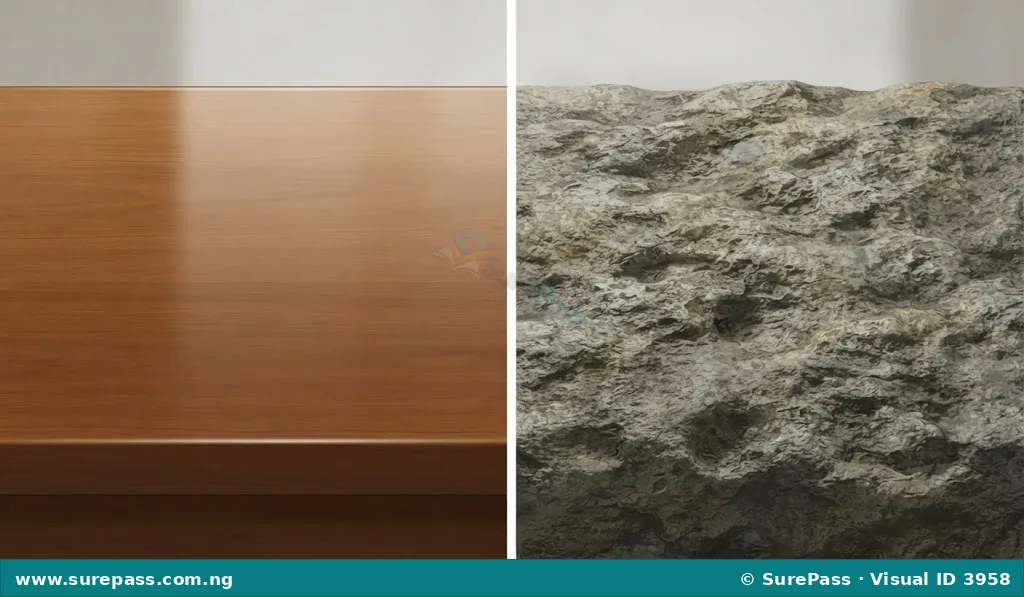
Examples of smooth textures include a polished table, a glass window, or a baby’s skin. Examples of rough textures include a stone, sandpaper, or the bark of a tree.
Creating Shapes
Creating shapes means drawing or forming them. This can be done using a pencil on paper or by cutting shapes from paper.
How to Draw Simple Shapes
The procedure for drawing simple shapes involves the following steps:
- Take a piece of paper and a pencil.
- To draw a circle, start at one point and draw a curved line that connects back to the starting point.
- To draw a square, draw four straight lines of the same length, connecting them to form a closed shape.
- To draw a rectangle, draw two long lines and two shorter lines, connecting them to form a closed shape.
- To draw a triangle, draw three straight lines, connecting them to form a closed shape with three corners.
- Practise drawing different shapes until they look clear.
Making Different Textures
Artists can create different textures on paper using drawing tools. This helps to make drawings look more interesting and real.
How to Make Textures on Paper
The procedure for making textures on paper involves the following steps:
- Take a piece of paper and a pencil.
- To make a smooth texture, draw very light, even lines close together, or shade an area gently and evenly.
- To make a rough texture, draw short, uneven lines, dots, or small scribbles close together. You can also press harder with the pencil in some areas.
- Try rubbing a pencil over a piece of paper placed on a rough surface, like a leaf or a coin, to transfer its texture onto the paper.
Creating Shapes with Unique Textures
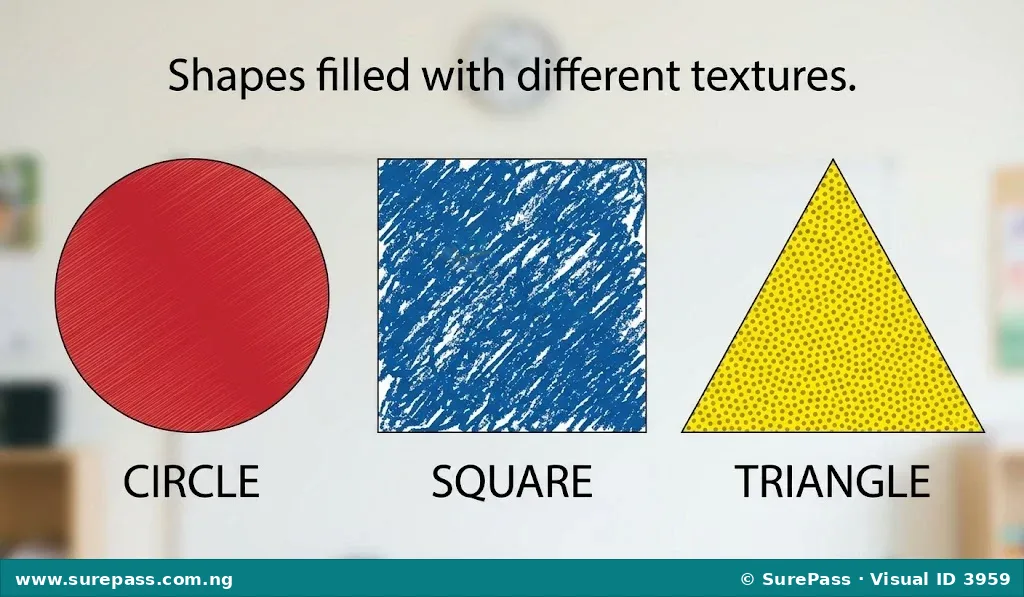
Combining shapes and textures makes art more creative. This involves drawing a shape and then filling it with a chosen texture.
How to Create Shapes with Textures
The procedure for creating shapes with textures involves the following steps:
- First, draw a simple shape, such as a square, circle, or triangle, on a piece of paper.
- Next, choose a texture to fill the shape. For example, decide if the shape should look smooth or rough.
- If making a smooth texture, gently shade the inside of the shape evenly with a pencil.
- If making a rough texture, use short, broken lines, dots, or small scribbles to fill the inside of the shape.
- Ensure the texture stays within the lines of the shape.
Using Shapes to Form Compositions
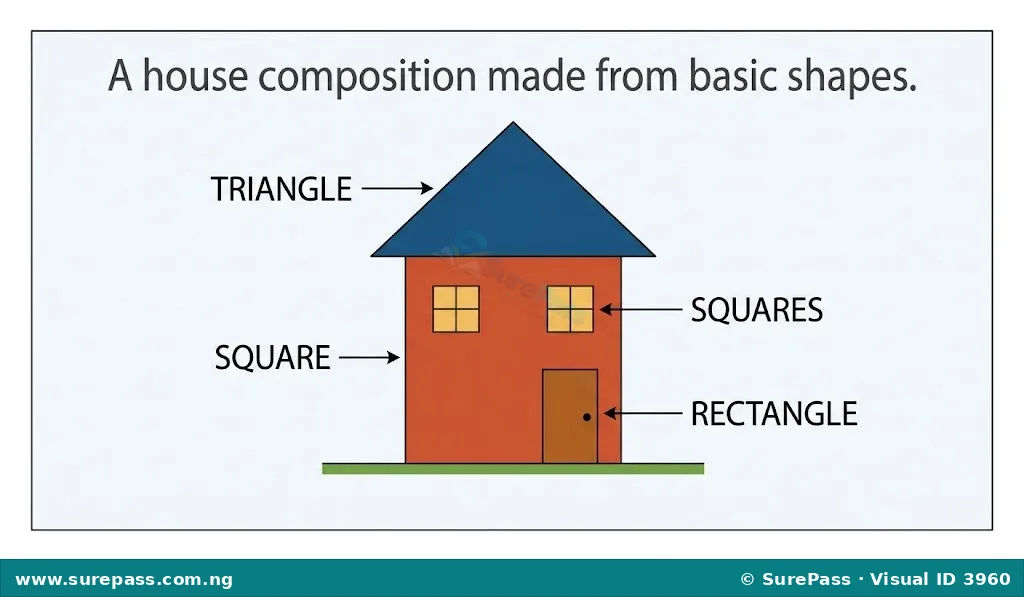
A composition is a picture or design made by arranging different shapes together. Artists use shapes to build images of objects, people, or scenes.
How to Form Compositions with Shapes
The procedure for forming compositions with shapes involves the following steps:
- Think of a simple object or scene to draw, such as a house, a car, or a tree.
- Identify the basic shapes that make up the object. For example, a house can be made from a square for the main body and a triangle for the roof.
- Draw these shapes on paper, placing them next to each other or on top of each other to form the desired image.
- Add smaller shapes for details, such as small squares for windows or a rectangle for a door.
Using Textures to Form Patterns
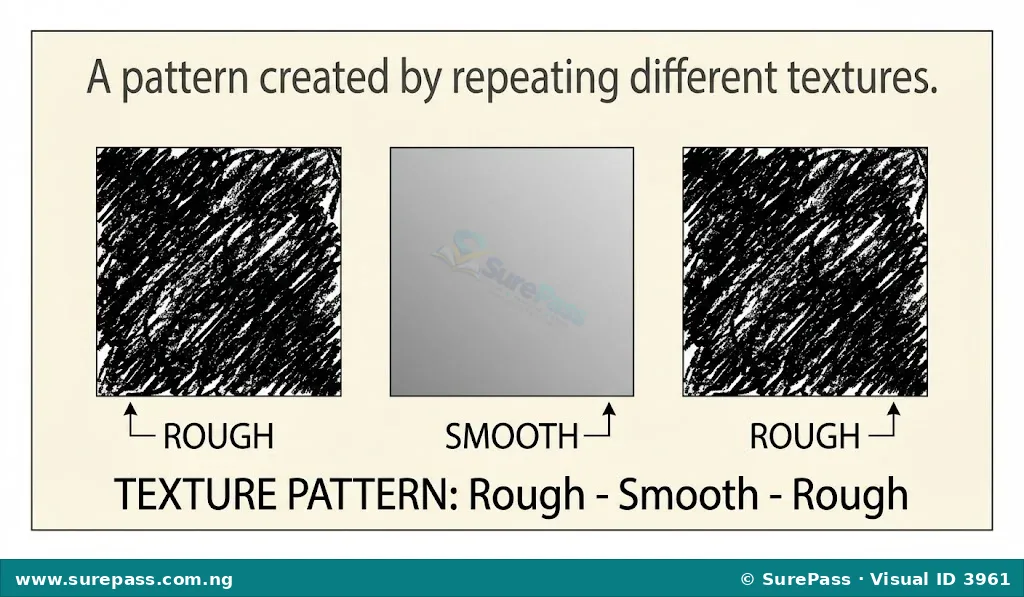
A pattern is a design that repeats. When textures are repeated, they form interesting patterns. This can make drawings look more decorative.
How to Form Patterns with Textures
The procedure for forming patterns with textures involves the following steps:
- Draw a series of shapes or lines on a piece of paper, such as a row of squares or parallel lines.
- Choose a texture, such as a rough texture (using dots or scribbles) or a smooth texture (using light shading).
- Apply the chosen texture to the first shape or section.
- Repeat the exact same texture in the next shape or section.
- Continue repeating the texture to create a pattern across the paper.
- Try using two different textures in an alternating pattern, for example, rough, smooth, rough, smooth.


0 comments
Open the discussion when you need it. Comments stay collapsed until requested so the initial article remains light.