



ARTICLE CONTENTSOn this page 9 sections
Body Beautification
Performance Objectives
By the end of the lesson, students should be able to:
- state the meaning of body beautification;
- differentiate between traditional and modern methods of beautification;
- make simple face designs
What is Body Beautification?
Body beautification means making the body look nice and attractive. People like to look good and feel happy about their appearance. This can involve decorating the hair, skin, or other parts of the body.
People beautify their bodies for different reasons, such as for celebrations, special events, or just to feel good every day.
Traditional Methods of Beautification
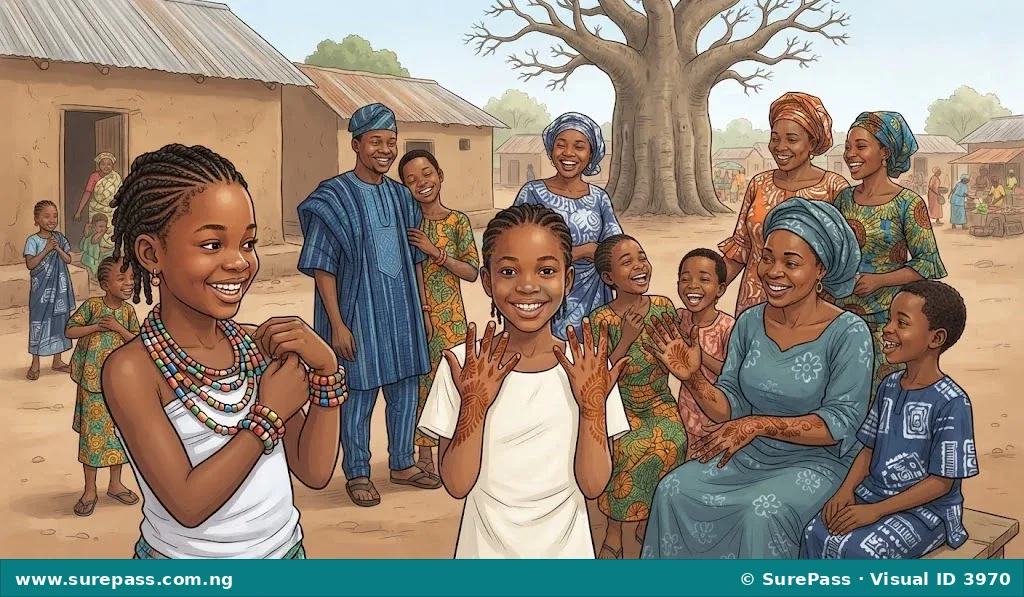
Traditional methods of beautification are ways people used to make their bodies look nice a long time ago, and some are still used today. These methods often use natural materials found in the environment.
Traditional methods often involve:
- Hair Styles: People braid, plait, or twist their hair into beautiful patterns.
- Body Decorations: Wearing beads, strings, or other ornaments on the neck, wrists, or ankles.
- Face and Body Painting: Using natural colours to draw patterns on the face or body.
- Henna: Applying a paste made from a plant to create temporary designs on the hands and feet.
These methods are often passed down from parents and grandparents.
Modern Methods of Beautification
Modern methods of beautification are the new ways people make their bodies look nice today. These methods often use products made in factories or new styles.
Modern methods often involve:
- Modern Hair Styles: Using hair relaxers, hair extensions, or modern hair dyes to change hair appearance.
- Make-up: Applying powders, lipsticks, and eye colours to the face.
- Modern Jewellery: Wearing earrings, necklaces, and bracelets made from metals like gold or silver, or from plastic.
- Nail Polish: Painting fingernails and toenails with different colours.
These methods are common in cities and are often seen in magazines and on television.
Differences Between Traditional and Modern Beautification
Traditional and modern methods of beautification are different in many ways. Understanding these differences helps to appreciate both old and new styles.
The main differences are:
- Materials Used: Traditional methods often use natural materials like plants, beads, and natural dyes. Modern methods often use factory-made products like make-up, hair relaxers, and plastic jewellery.
- Styles: Traditional styles are often linked to the culture and history of a community. Modern styles can change quickly and are often influenced by global trends.
- Application: Traditional methods might involve long processes like braiding hair or applying henna. Modern methods like applying make-up can be quicker.
Face and Body Painting
Face and body painting is a traditional way to decorate the skin. People use safe colours to draw patterns, symbols, or pictures on their faces, arms, or legs. This is often done for festivals, ceremonies, or special dances.
The colours used for face and body painting can come from natural sources like plants, clay, or charcoal. The designs can be simple lines, dots, or more complex patterns that have special meanings.
Making Simple Face Designs
Making simple face designs is a fun way to beautify the face for special occasions or play. It allows for creativity and expression.
The required materials are:
- Safe, non-toxic face paints (water-based are best)
- Small, soft brushes or sponges
- A small bowl of clean water
- A clean cloth or tissue
- A mirror
- Adult supervision
The procedure involves the following steps:
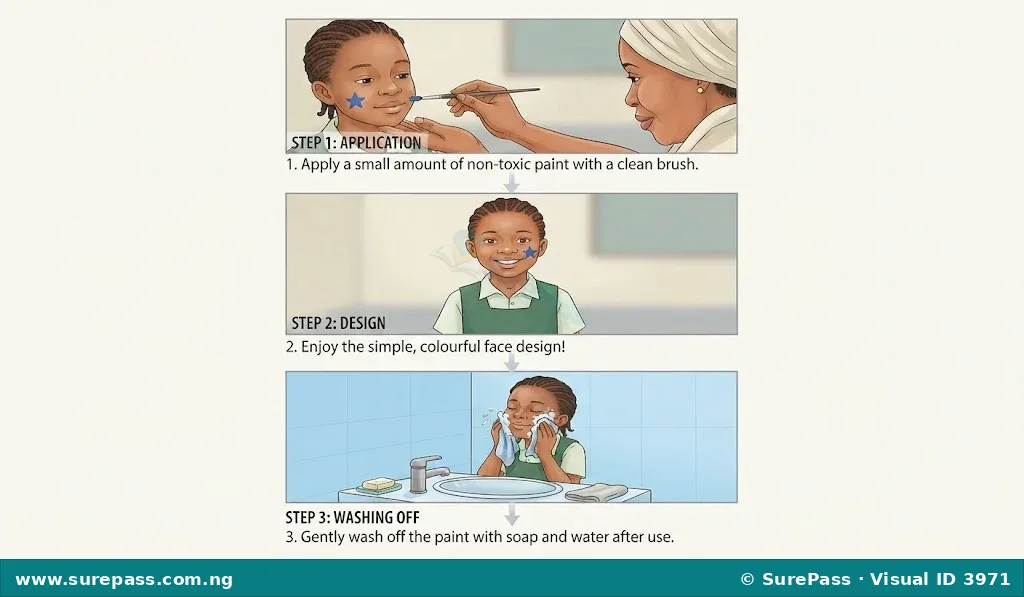
- Ask an adult to help you. Always make sure the face paints are safe for skin.
- Wash the face gently with soap and water, then dry it with a clean towel.
- Choose a simple design, like a small star, a flower, or a few dots and lines.
- Dip a clean brush or sponge into a little water, then gently touch it to the face paint to pick up some colour.
- With the adult’s help, carefully draw the chosen design on a small part of the face, like the cheek or forehead.
- Use different colours for different parts of the design if desired.
- Clean the brushes with water and a cloth after use.
- When finished, the face paint can be washed off easily with soap and water.
Always ensure that face paints do not get into the eyes or mouth. If any irritation occurs, wash off the paint immediately.
Creating a Hand Bead
Creating a hand bead is a simple way to make a piece of traditional decoration. Beads are colourful and can be worn on the wrist or ankle.
The required materials are:
- Colourful beads (plastic or glass, not too small)
- A strong string or elastic thread
- Scissors (to be used by an adult)
- Adult supervision
The procedure involves the following steps:
- Ask an adult to help you.
- Cut a piece of string that is long enough to go around the wrist or ankle, plus extra for tying. An adult should do the cutting.
- Hold one end of the string and start threading the beads one by one onto the string.
- Choose different colours and shapes of beads to make a beautiful pattern.
- Continue adding beads until the string is almost full, leaving enough space to tie the ends.
- Once all the beads are on, ask the adult to tie the two ends of the string together securely to form a circle.
- The hand bead is now ready to be worn.
Be careful not to put beads in the mouth, as they can be a choking hazard. Always work with an adult.





0 comments
Open the discussion when you need it. Comments stay collapsed until requested so the initial article remains light.