



ARTICLE CONTENTSOn this page 8 sections
Colours
Performance Objectives
By the end of the lesson, students should be able to:
- state the meaning of colour;
- identify different colours;
- trace/draw and colour simple objects and shapes;
- make coloured patterns with hands and fingers (hand printing).
What is Colour?
Colour is what makes things look different and beautiful. It helps us to see and tell things apart.
Imagine a world without colours. Everything would look the same! Colours make our world bright and interesting.
Identifying Different Colours
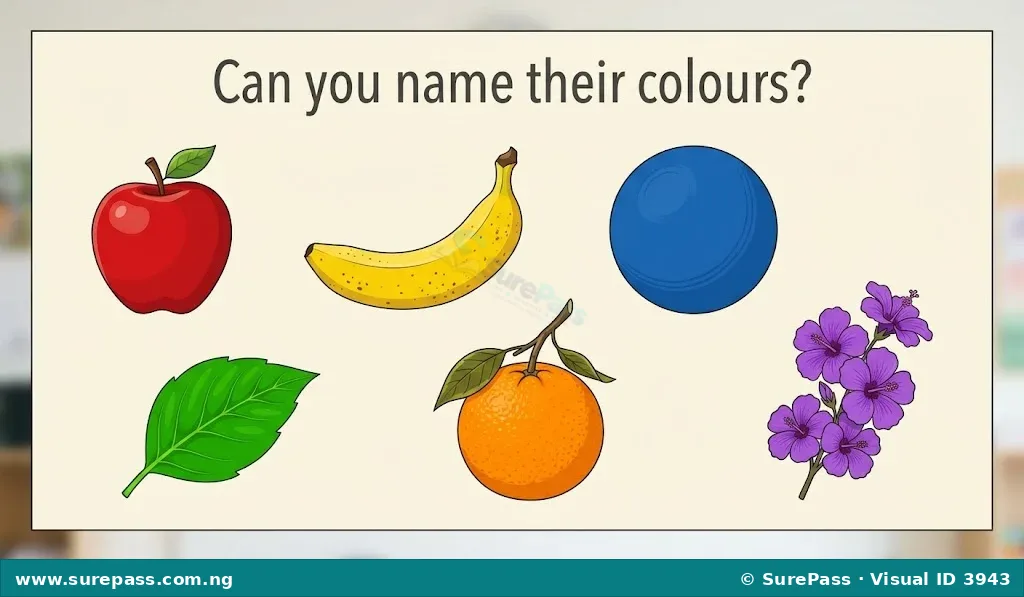
There are many colours all around us. We see colours in our clothes, in fruits, in flowers, and even in the sky.
Learning to identify colours helps us describe things better. For example, a red car, a green leaf, or a blue ball.
Types of Colours
Colours can be grouped into different types. For Primary 1, we will learn about primary colours and secondary colours.
Primary Colours
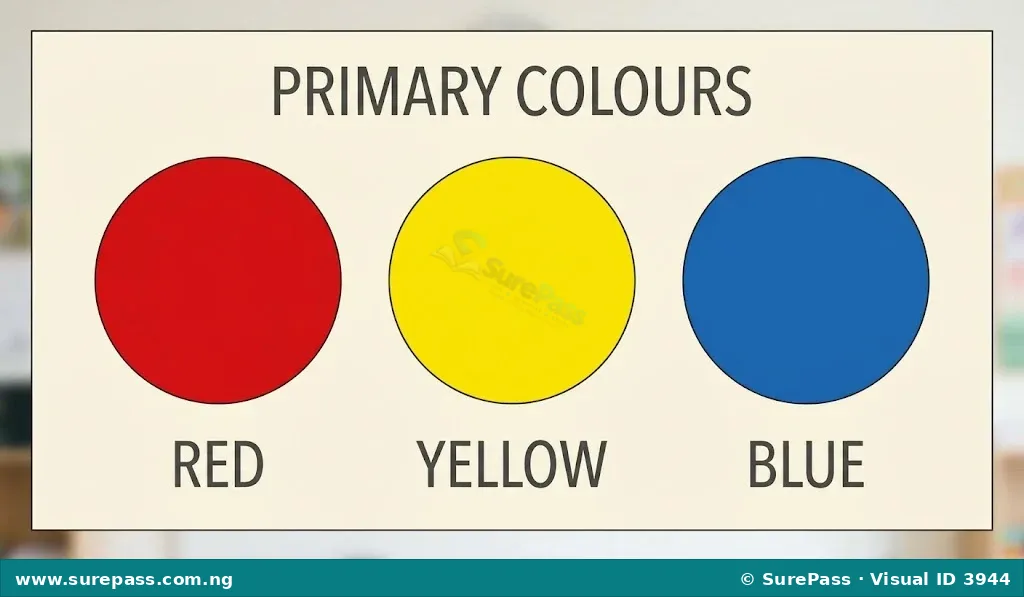
Primary colours are special colours because they cannot be made by mixing other colours. They are the basic colours from which many other colours can be made.
The primary colours are:
- Red
- Yellow
- Blue
You can see primary colours in many things around you. For example, a red tomato, a yellow sun, and a blue sky.
Secondary Colours
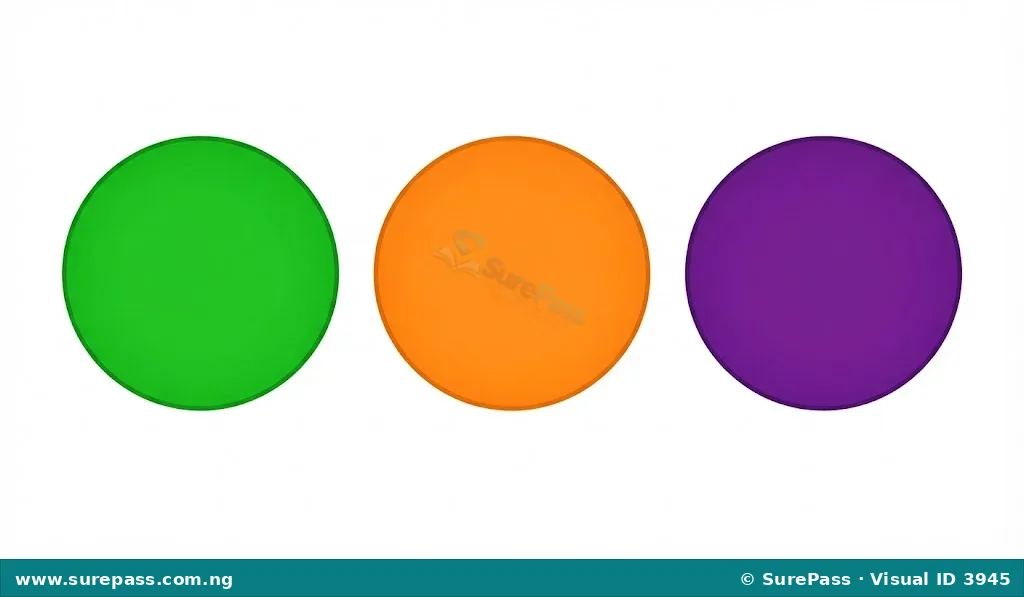
Secondary colours are colours that can be made by mixing two primary colours. We will learn to identify them.
The secondary colours are:
- Green
- Orange
- Purple
You can find secondary colours in nature and in objects. For example, a green leaf, an orange fruit, and a purple flower.
Tracing and Drawing Simple Objects and Shapes
Tracing and drawing are fun ways to create pictures. Tracing means drawing over lines that are already there. Drawing means making your own lines to create shapes and objects.
When you trace or draw, you can make many different shapes like circles, squares, and triangles. You can also draw simple objects like a house, a tree, or a ball.
How to Trace and Draw
To trace or draw, you will need:
- A pencil
- A drawing book or white paper
- An eraser (for drawing)
The procedure involves the following steps:
- Place your paper on a flat surface.
- If tracing, place the paper over the picture you want to trace and hold it steady.
- Use your pencil to carefully draw over the lines.
- If drawing, use your pencil to make light lines to create your shape or object.
- You can make the lines darker once you are happy with your drawing.
Colouring Shapes and Objects
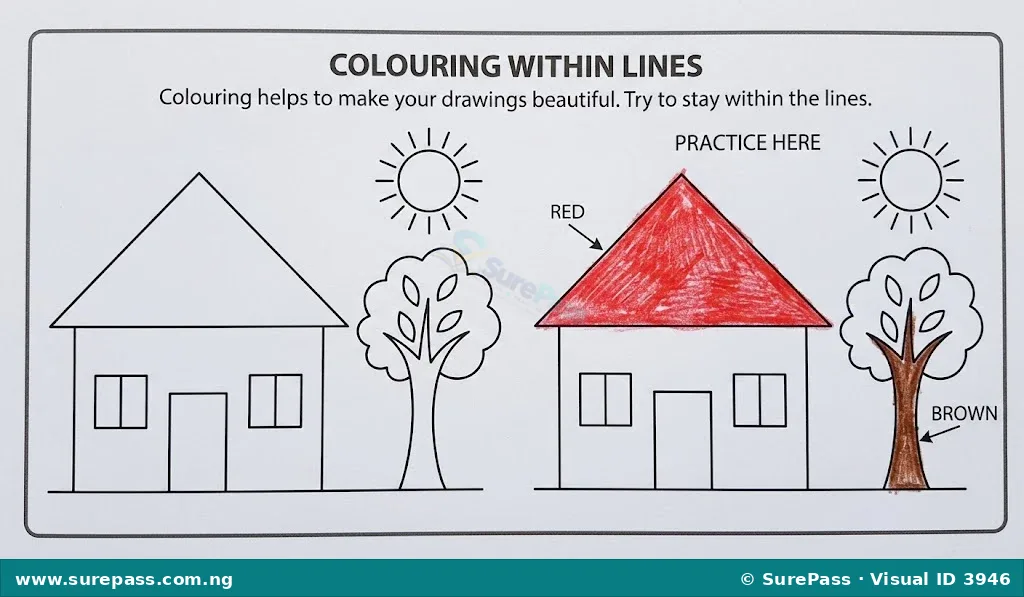
After tracing or drawing, colouring makes your pictures come alive. Colouring helps to make your shapes and objects look real and beautiful.
When colouring, try to stay inside the lines. This makes your picture look neat. You can use different colours to make your picture interesting.
How to Colour
To colour, you will need:
- A traced or drawn picture
- Coloured pencils or crayons
The procedure involves the following steps:
- Choose the colours you want to use for your picture.
- Hold your coloured pencil or crayon firmly.
- Start colouring from one side of the shape or object.
- Move your hand gently to fill the space with colour.
- Try to colour in one direction to make it look smooth.
- Make sure to fill all the white spaces inside the lines.
Hand Printing
Hand printing is a fun way to make patterns using your hands and fingers with paint. It creates unique shapes and textures on paper.
You can use different colours of paint to make colourful hand prints. It is a creative way to make art without using a brush.
How to Make Coloured Hand Prints
To make hand prints, you will need:
- Trays of different colours (paint)
- White paper
- Your hands and fingers
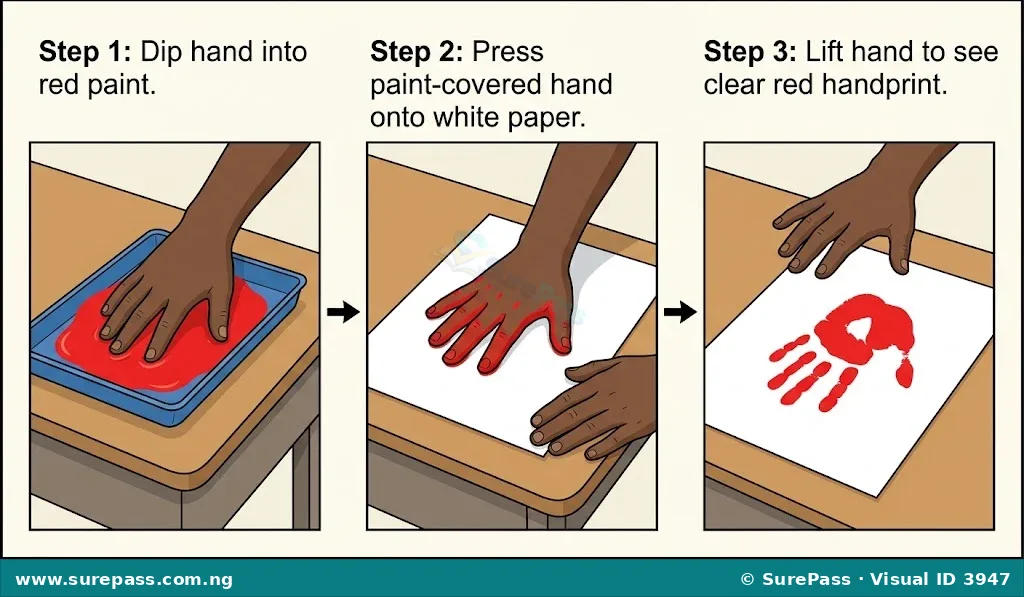
The procedure involves the following steps:
- Pour a small amount of paint into separate trays.
- Choose a colour and gently dip your hand or fingers into the paint. Make sure your hand is covered with paint.
- Carefully lift your hand and press it firmly onto the white paper.
- Hold it down for a few seconds, then gently lift your hand straight up.
- You will see the print of your hand or fingers on the paper.
- You can use different colours and make many prints to create a pattern.
- Wash your hands with soap and water after you finish.



0 comments
Open the discussion when you need it. Comments stay collapsed until requested so the initial article remains light.