



ARTICLE CONTENTSOn this page 9 sections
Colour Identification
Performance Objectives
By the end of the lesson, students should be able to:
- identify different colours by name;
- collect materials of different colours;
- identify the colours of traffic lights;
- state the meaning of the colours of a road traffic light;
- identify road markings and name their colours;
- draw and colour a road traffic light.
What Are Colours?
Colours help us see and tell things apart. The world around us is full of many beautiful colours.
Imagine looking at a bright red flower or a green leaf. These are colours that help us describe what we see.
Names of Colours
There are many different colours. Some common colours are:
- Red
- Blue
- Yellow
- Green
- Black
- White
- Brown
- Orange
- Purple
Colours of Things in the Environment
Many things around us have different colours. These colours help us to recognise objects.
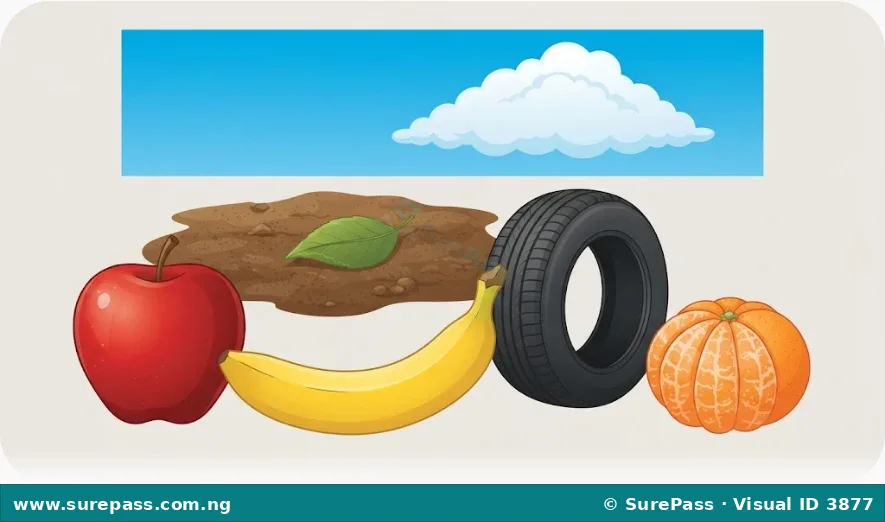
Examples of things and their colours include:
- Red: Some flowers, apples, tomatoes.
- Blue: The sky on a clear day, some school bags, some pens.
- Yellow: Bananas, lemons, some flowers.
- Green: Leaves, grass, some vegetables.
- Black: Car tyres, some shoes, hair.
- White: Clouds, milk, paper.
- Brown: Tree trunks, soil, some tables.
- Orange: Oranges (the fruit), carrots, some clothes.
- Purple: Some flowers, eggplants.
Collecting and Sorting Things by Colour
We can collect different items and group them by their colours. This helps us to practise identifying colours.
To sort things by colour, you can:
- Look for different objects around you, like leaves, small stones, bottle caps, or crayons.
- Pick up objects that have the same colour.
- Put all the red objects in one pile, all the blue objects in another pile, and so on.
Road Traffic-Light Colours
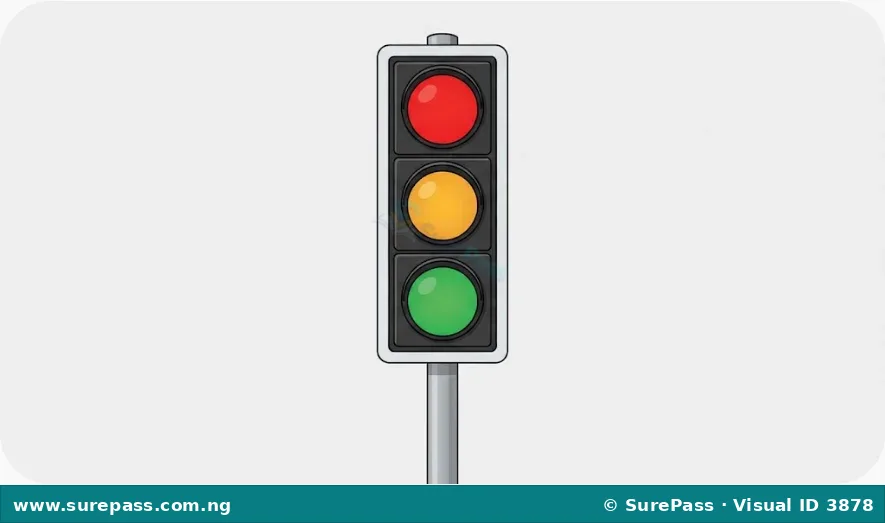
Traffic lights are very important for keeping people safe on the road. They use three special colours to tell drivers and pedestrians what to do.
The colours of a road traffic light are:
- Red
- Yellow (or Amber)
- Green
Meaning of Traffic-Light Colours
Each colour on a traffic light has a special meaning:
- Red light: This means STOP. Drivers must stop their vehicles before the crossing line. Pedestrians should not cross the road.
- Yellow light: This means GET READY. It shows that the light is about to change from green to red, or from red to green. Drivers should prepare to stop or to go.
- Green light: This means GO. Drivers can move their vehicles. Pedestrians can cross the road if the pedestrian signal is also green.
How to Draw and Colour a Road Traffic Light
Drawing a traffic light helps us remember its colours and their order.
The materials needed are:
- Drawing book or paper
- Pencil
- Crayons (red, yellow, green, and black or grey for the casing)
The procedure involves the following steps:
- Hold your pencil and draw a tall, narrow rectangle in your drawing book. This will be the body of the traffic light.
- Inside the rectangle, draw three circles, one above the other. Make sure they are evenly spaced.
- Take your red crayon and carefully colour the top circle red.
- Next, take your yellow crayon and colour the middle circle yellow.
- Finally, use your green crayon to colour the bottom circle green.
- You can use a black or grey crayon to colour the rectangular body of the traffic light.
Colours of Road Markings
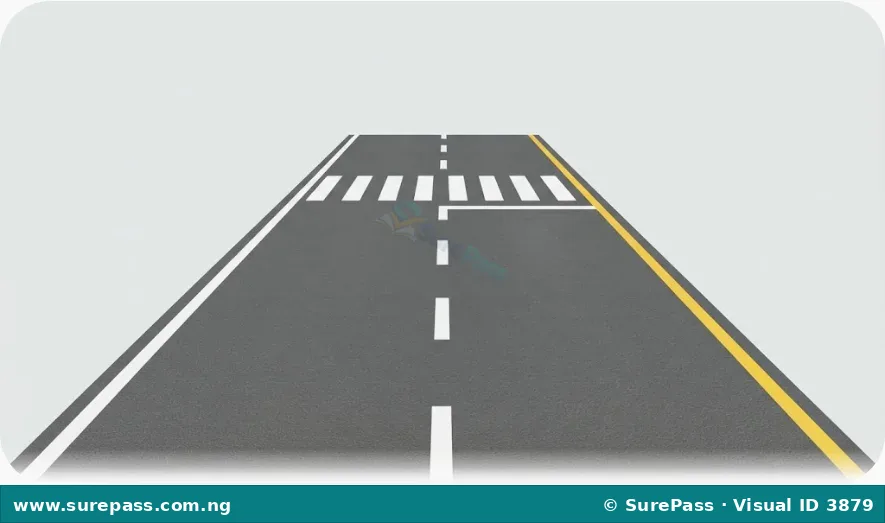
Road markings are lines and symbols painted on the road. They use different colours to guide drivers and pedestrians, helping everyone to stay safe.
Common colours for road markings are:
- White: White lines are used to separate lanes of traffic moving in the same direction. They also mark the edges of the road and pedestrian crossings (zebra crossings).
- Yellow: Yellow lines are often used to show areas where parking is not allowed or where drivers should not cross the line. They can also separate traffic moving in opposite directions.
These colours are important because they give clear instructions without needing words, which helps people understand quickly while driving or walking.




0 comments
Open the discussion when you need it. Comments stay collapsed until requested so the initial article remains light.