



ARTICLE CONTENTSOn this page 6 sections
Measuring Things
Performance Objectives
By the end of the lesson, students should be able to:
- explain the concepts of am and pm;
- compare length and weight of things in the classroom;
- group objects and things according to their length and weight;
- identify common time devices (watches, clocks, etc.);
- explain the units to measuring time;
- use simple time devices to measure time.
Introduction to Measuring
People measure things to understand them better. Measuring helps to know how long, how heavy or how much time something takes. It helps to describe objects and events accurately.
Measuring Length
Length tells how long an object is from one end to the other. It helps to know if something is short or long.
Identifying Length
To identify the length of an object, look at its size from end to end. Some objects are short, while others are long.
Comparing Length of Objects
Comparing length means looking at two or more objects and deciding which one is longer or shorter. This helps to describe objects more clearly.
For example, a pencil can be longer than an eraser, or a book can be shorter than a table.
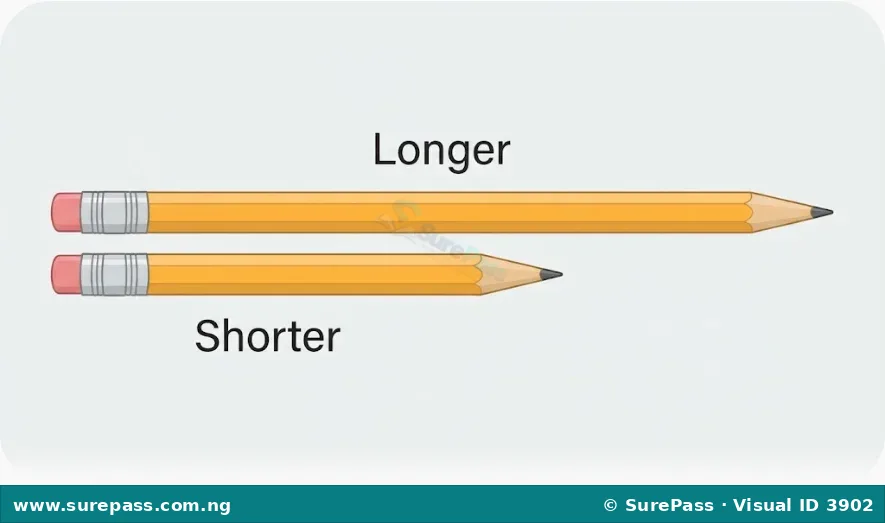
Activity: Comparing Length in the Classroom
This activity helps to compare the lengths of different objects found in the classroom.
The required materials are:
- Two different pencils
- Two different books
- Two different erasers
The procedure involves the following steps:
- Place the two pencils side by side on a flat surface.
- Observe which pencil stretches further. The one that stretches further is longer. The other one is shorter.
- Repeat the comparison with the two books.
- Repeat the comparison with the two erasers.
- Compare a pencil and a book. Decide which is longer and which is shorter.
Grouping Objects by Length
Objects can be grouped together based on their length. For example, all short objects can be put in one group, and all long objects in another group.
Examples of objects that can be grouped by length include:
- Pencils
- Rulers
- Books
- Tables
- Chairs
Measuring Weight
Weight tells how heavy an object is. It helps to know if something is light or heavy.
Identifying Weight
To identify the weight of an object, a person can carefully lift it. Some objects feel light, while others feel heavy.
Comparing Weight of Objects
Comparing weight means looking at two or more objects and deciding which one is heavier or lighter. This helps to describe objects more clearly.
For example, a stone is heavier than a piece of cotton wool. A book is lighter than a big stone.
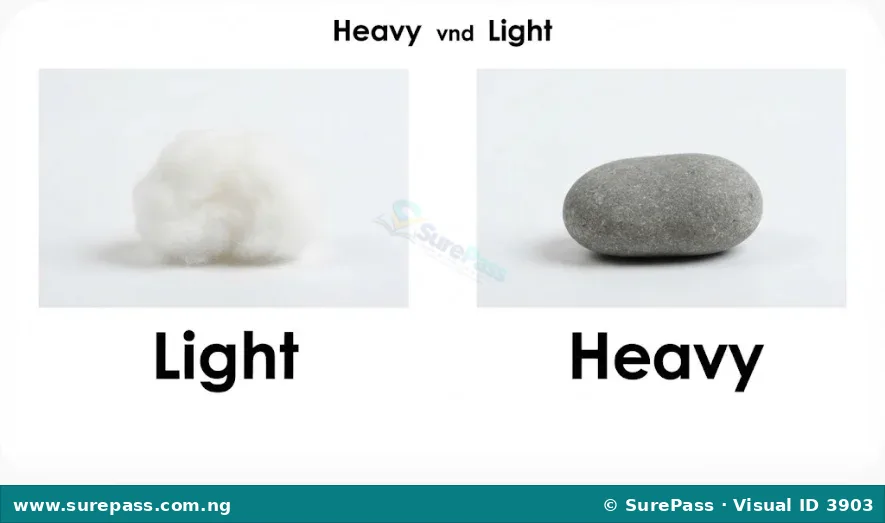
Activity: Comparing Weight in the Classroom
This activity helps to compare the weights of different objects found in the classroom.
The required materials are:
- A small stone
- A piece of cotton wool
- A small book
- An eraser
The procedure involves the following steps:
- Carefully lift the stone with one hand and the cotton wool with the other hand.
- Observe which object feels harder to lift. The object that is harder to lift is heavier. The other one is lighter.
- Repeat the comparison with the small book and the eraser.
- Compare the stone and the small book. Decide which is heavier and which is lighter.
Grouping Objects by Weight
Objects can be grouped together based on their weight. For example, all light objects can be put in one group, and all heavy objects in another group.
Examples of objects that can be grouped by weight include:
- Cotton wool
- Feathers
- Small stones
- Books
- Chairs
Measuring Time
Time tells when events happen and how long they last. It helps people to plan their day and know when to do different activities.
Why People Measure Time
People measure time to know when to wake up, when to go to school, when to eat, and when to sleep. It helps to keep daily routines organised.
Common Time Devices
Time devices are tools that help people to tell time. They show the hours, minutes, and sometimes seconds.
Common time devices include:
- Clocks: These are often found on walls in homes and classrooms. Some clocks also have alarms to wake people up.
- Watches: These are worn on the wrist. They are small and can be carried everywhere.
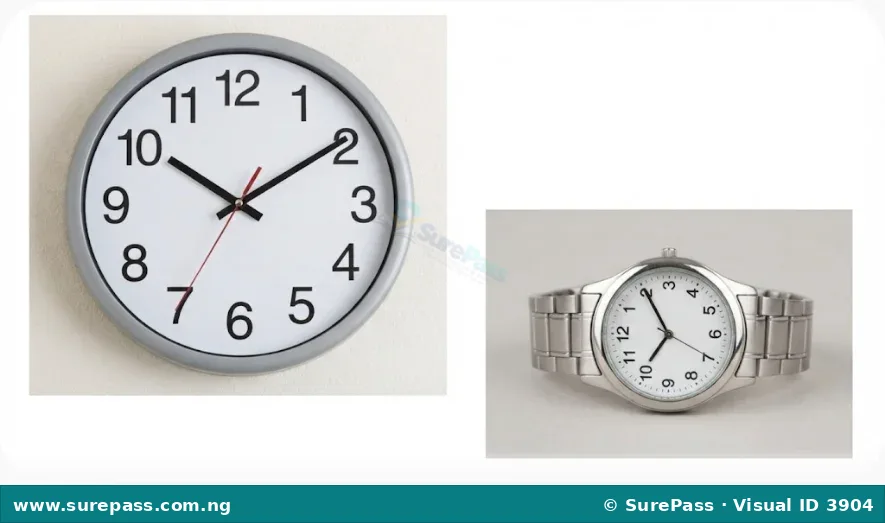
Units of Time
Time is measured in different units. These units help to describe how long something takes.
The units of time are:
- Second (sec): A second is a very short unit of time. It is used to measure very quick actions, like blinking an eye.
- Minute (min): A minute is longer than a second. There are 60 seconds in one minute. Many activities, like brushing teeth, take a few minutes.
- Hour (hr): An hour is longer than a minute. There are 60 minutes in one hour. School lessons often last for an hour.
Understanding AM and PM
The day is divided into two main parts: AM and PM. This helps to know if it is morning, afternoon, or night.
- AM: This stands for “Ante Meridiem,” which means “before noon.” AM refers to the time from midnight (12:00 at night) until just before noon (12:00 in the day). Activities like waking up, eating breakfast, and going to school happen in the AM.
- PM: This stands for “Post Meridiem,” which means “after noon.” PM refers to the time from noon (12:00 in the day) until just before midnight (12:00 at night). Activities like eating lunch, playing after school, and sleeping happen in the PM.
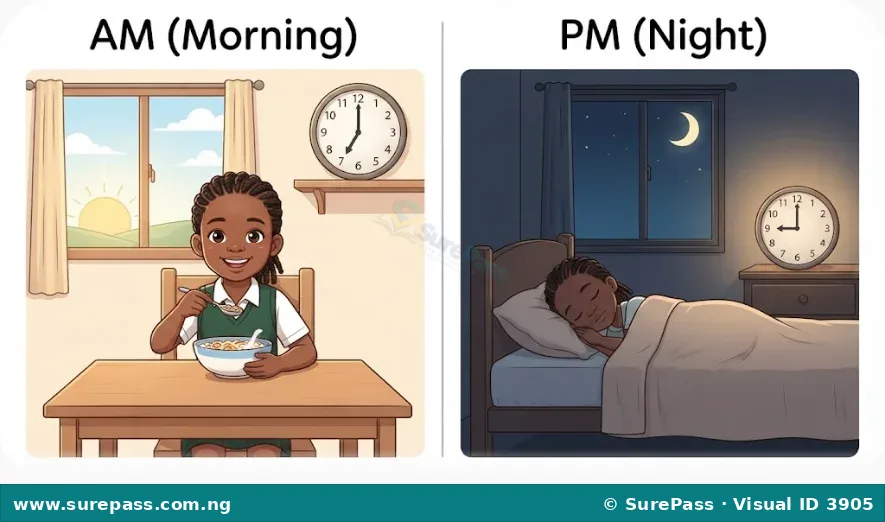
Using Simple Time Devices to Measure Time
Clocks and watches have hands that move to show the time. The short hand is the hour hand, and the long hand is the minute hand.
How to Read Time to the Hour
This helps to read the time when the minute hand points to 12.
The required materials are:
- A clock with movable hands (a model or a real clock)
The procedure involves the following steps:
- Look at the clock face. It has numbers from 1 to 12.
- Identify the short hand (hour hand) and the long hand (minute hand).
- Move the minute hand to point directly at the number 12.
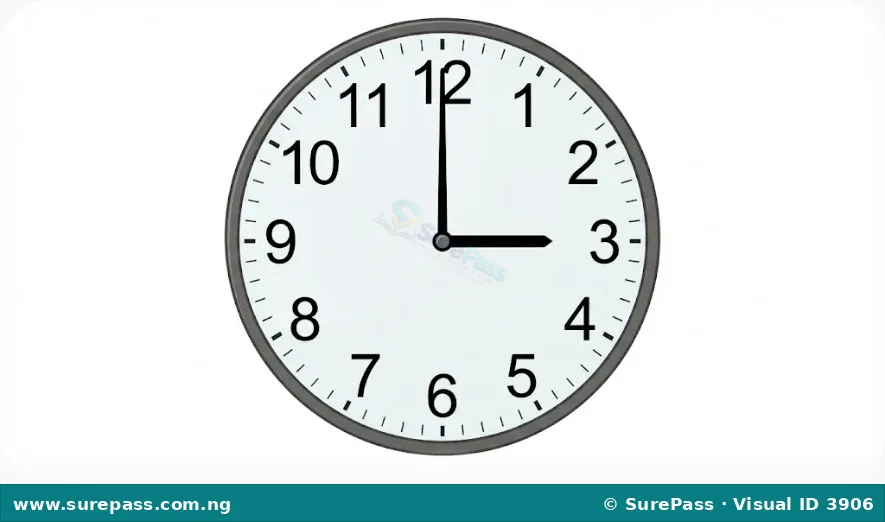
- Move the hour hand to point directly at any number, for example, 3.
- When the minute hand is on 12, the time is “o’clock.” The hour hand tells which hour it is. So, if the hour hand is on 3, the time is 3 o’clock.
- Practise setting the clock to different hours, such as 6 o’clock, 9 o’clock, and 12 o’clock.



0 comments
Open the discussion when you need it. Comments stay collapsed until requested so the initial article remains light.