


ARTICLE CONTENTSOn this page 5 sections
Energy
Performance Objectives
By the end of the lesson, students should be able to:
- explain the meaning of Energy;
- give examples of things that use energy;
- perform activities involving the use of energy.
Meaning of Energy
Energy is the ability to do work.
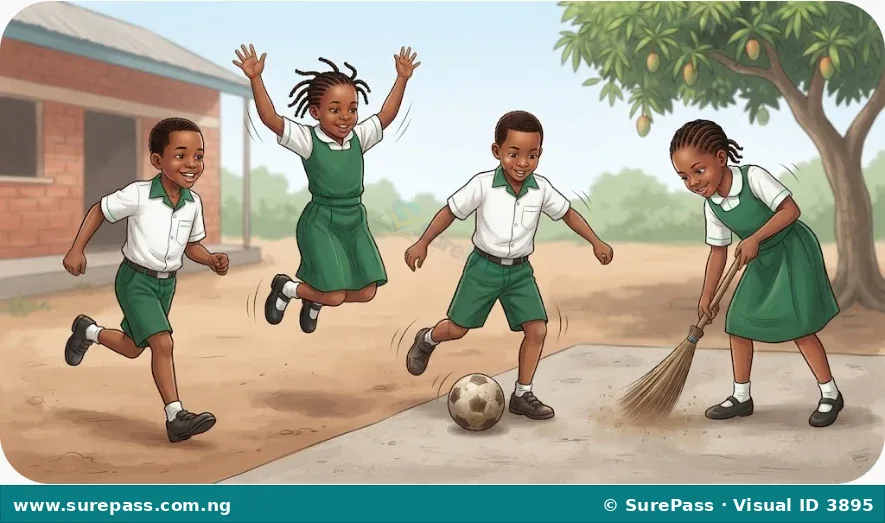
Everything that moves or does something needs energy. When people do activities like running, jumping, playing, or lifting objects, their bodies use energy. Without energy, people cannot do these things.
Things That Use Energy
Many things around us need energy to work or move. Just like people, animals and machines also need energy.
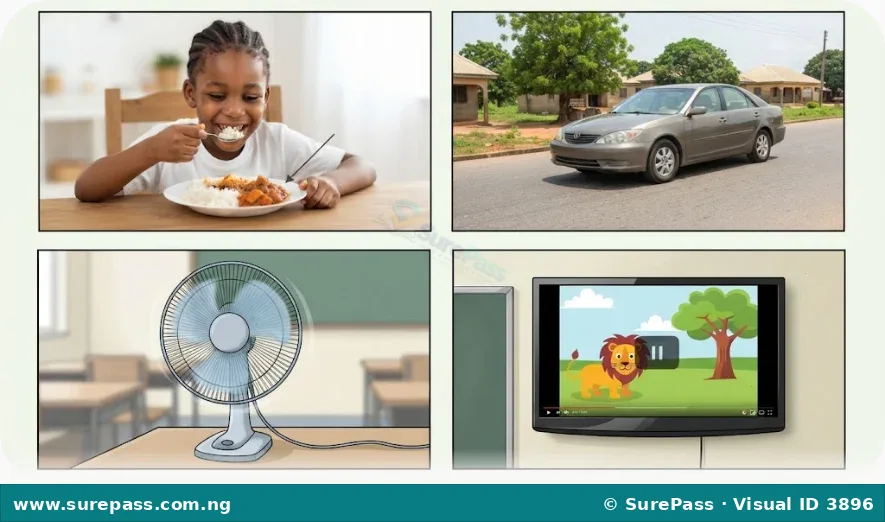
Examples of things that use energy include:
- People (for walking, playing, thinking)
- Animals (for moving, hunting, eating)
- Cars (for driving)
- Fans (for blowing air)
- Lights (for shining brightly)
- Television (for showing pictures and sounds)
When a car moves, it uses fuel as energy. When a fan spins, it uses electricity as energy. When a person walks, their body uses energy from the food they eat.
Activities Involving the Use of Energy
Our bodies use energy for all the things we do. We use energy to move our hands, legs, and even to think. Here are some activities that show how we use energy.
Walking and Jumping
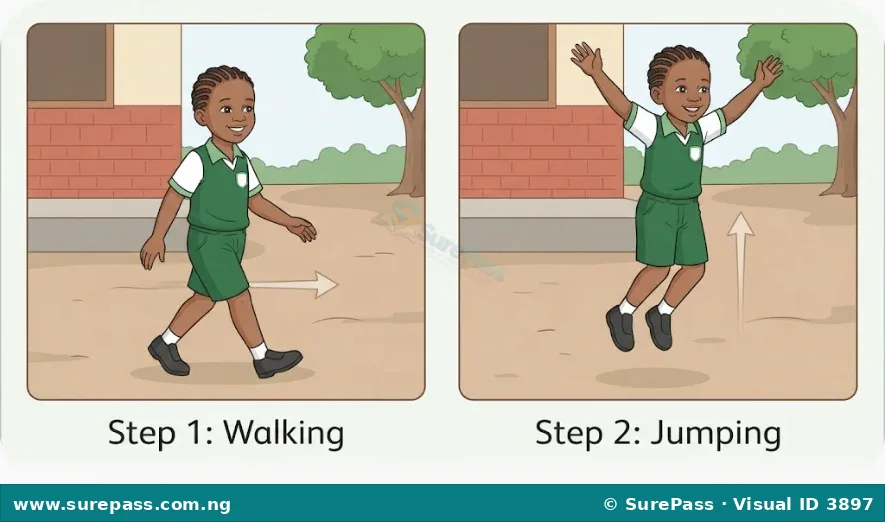
Walking is moving from one place to another using our legs. Jumping is pushing off the ground with our feet to go up in the air. Both walking and jumping require energy from our bodies.
To perform walking and jumping:
- Stand in an open space.
- Walk a short distance, swinging your arms gently.
- Stop and bend your knees slightly.
- Push off the ground with both feet to jump up.
- Land softly on your feet.
Cleaning the School Surrounding
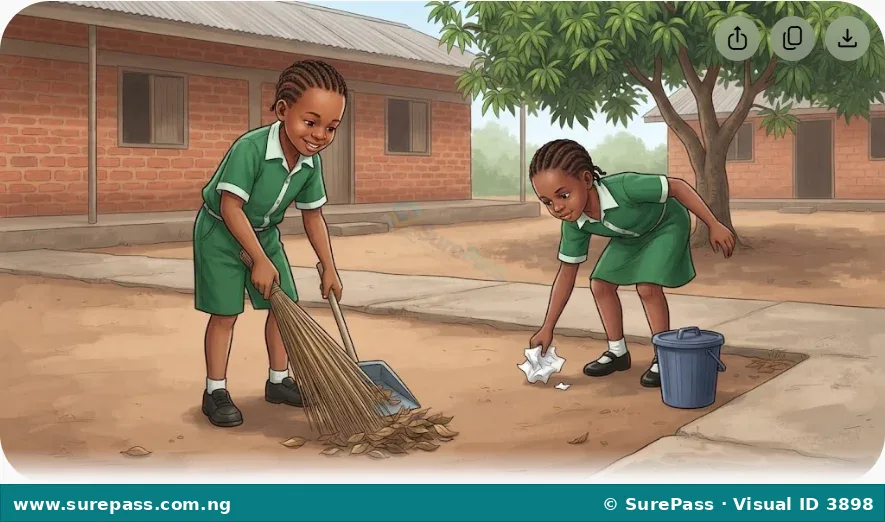
Cleaning the school surrounding helps to keep our environment neat and healthy. This activity involves using our hands and bodies to sweep, pick up dirt, or arrange things. These actions use manipulative skills and require energy.
To help clean the school surrounding safely:
- Find a small, safe area to clean, like a corner of the classroom or a clear path outside.
- If using a broom, hold it firmly with both hands.
- Sweep light dirt or dry leaves into a small pile.
- Use your hands to pick up small pieces of paper or leaves and put them in a dustbin.
- Always ask an adult for help if you need to move heavy objects or use sharp tools.



0 comments
Open the discussion when you need it. Comments stay collapsed until requested so the initial article remains light.