



ARTICLE CONTENTSOn this page 7 sections
Living Things
Performance Objectives
By the end of the lesson, students should be able to:
- identify living things in the school environment, home and immediate community;
- sort things in and around the environment as living things.
What Are Living Things?
Living things are things that have life.
They can grow, move, eat, breathe and have young ones. All living things need food, water and air to stay alive.
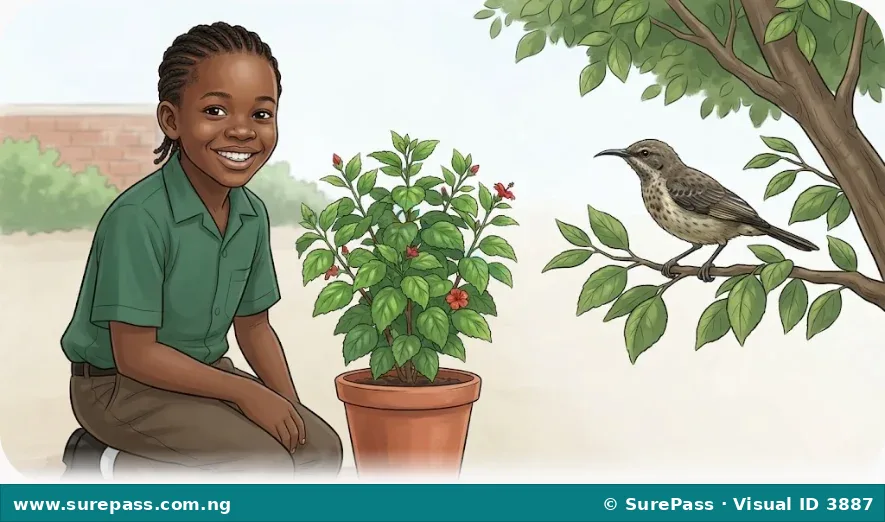
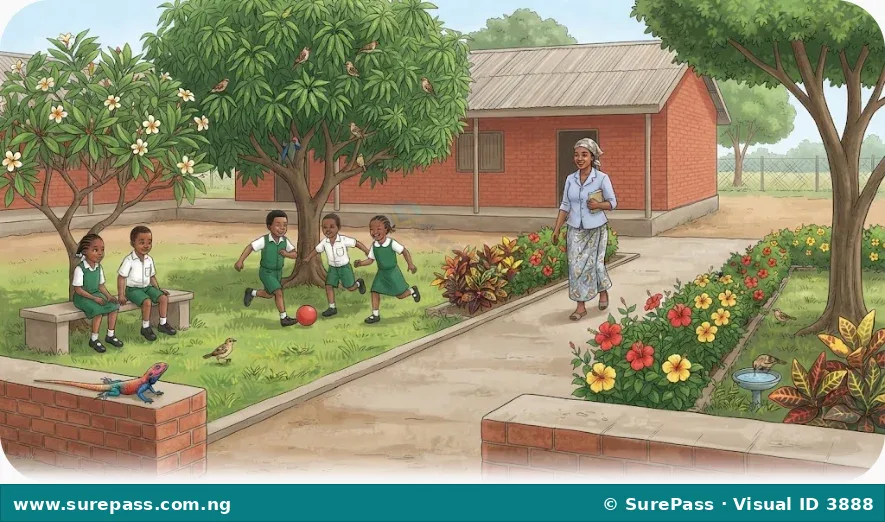
Identifying Living Things in the School Environment
The school environment has many living things. These include plants and animals that live around the school buildings and playground.
Examples of living things in the school environment include:
- Pupils
- Teachers
- School staff
- Trees
- Flowers
- Grass
- Ants
- Lizards
- Birds
- Snails
- Rats
These living things can be seen moving, growing, or making sounds in the school compound.
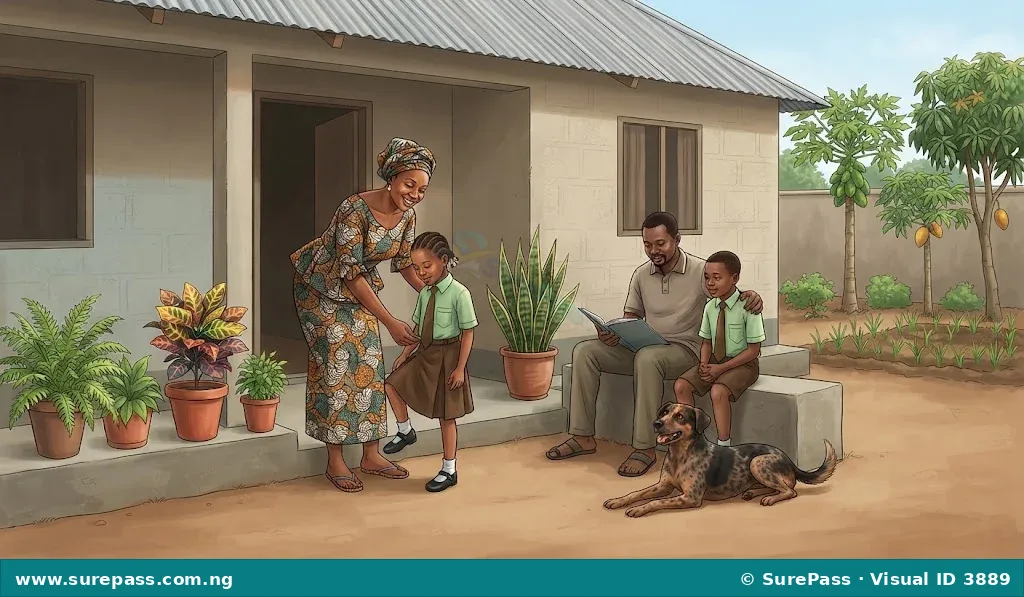
Identifying Living Things in the Home
The home is also full of living things. These are often family members, pets, and small creatures that live in or around the house.
Examples of living things in the home include:
- Parents
- Children
- Siblings
- Cats
- Dogs
- Fowls
- Rats
- Lizards
- Flies
- Mosquitoes
- Houseplants
These living things eat, move, and grow inside or very close to the house.
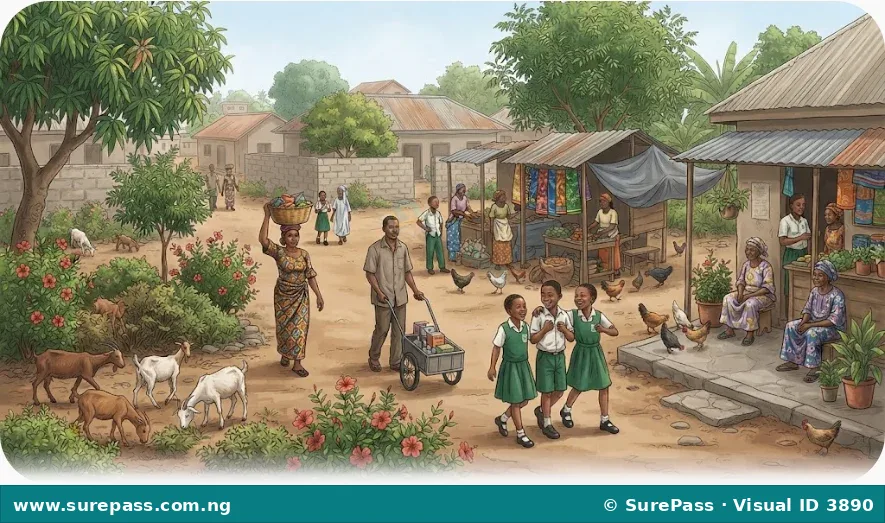
Identifying Living Things in the Immediate Community
The immediate community includes the areas just outside the home and school, such as streets, markets, and nearby farms. Many living things can be found there.
Examples of living things in the immediate community include:
- People (neighbours, traders, farmers)
- Goats
- Sheep
- Cows
- Chickens
- Dogs
- Cats
- Trees
- Shrubs
- Grass
- Insects (butterflies, bees)
- Birds
- Snakes
These living things interact with each other and the environment in the community.
Sorting Things as Living Things
Sorting things means putting them into groups based on what they are. To sort things as living things, one needs to decide if they have life or not.
Living things can grow, move, eat, breathe, and have young ones. Things that do not do these are non-living things.
How to Sort Living Things from Non-Living Things
The procedure involves the following steps:
- Look at an object or creature in the environment.
- Ask: “Does it grow?” “Does it move on its own?” “Does it eat?” “Does it breathe?” “Can it have young ones?”
- If the answer to most of these questions is “Yes”, then it is a living thing.
- If the answer to most of these questions is “No”, then it is a non-living thing.
- Place the living things in one group and the non-living things in another group.
For example, a stone does not grow, move on its own, eat, breathe, or have young ones. So, a stone is a non-living thing. A plant grows, needs water and sunlight (like food), and can produce seeds (young ones). So, a plant is a living thing.



0 comments
Open the discussion when you need it. Comments stay collapsed until requested so the initial article remains light.