



ARTICLE CONTENTSOn this page 7 sections
L’alphabet français et sa prononciation
Performance Objectives
By the end of the lesson, students should be able to:
- Prononcer l’alphabet français.
- Prononcer les sons des consonnes et des voyelles français
Introduction à l’alphabet français
The alphabet is a set of letters used to write a language. Just like English, French has its own alphabet. Learning the French alphabet is the first step to speaking and reading French words correctly. Even though many letters look the same as in English, their pronunciation is often different.
The French alphabet has 26 letters, just like the English alphabet. These letters are divided into two main groups: vowels (les voyelles) and consonants (les consonnes).
L’alphabet français (The French Alphabet)
The French alphabet consists of 26 letters. It is important to learn how to say each letter correctly. Below is the full French alphabet with its pronunciation.
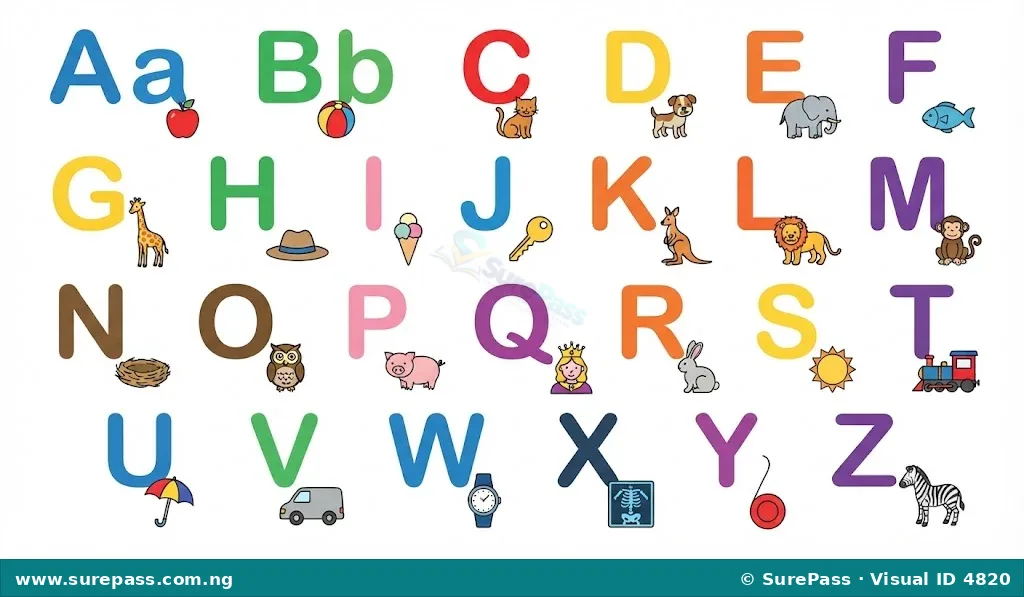
The letters of the French alphabet and their pronunciations are:
- A (ah)
- B (bay)
- C (say)
- D (day)
- E (uh)
- F (eff)
- G (zhay)
- H (ash)
- I (ee)
- J (zhee)
- K (kah)
- L (ell)
- M (emm)
- N (enn)
- O (oh)
- P (pay)
- Q (koo)
- R (air)
- S (ess)
- T (tay)
- U (ew)
- V (vay)
- W (doo-bluh-vay)
- X (eeks)
- Y (ee-grek)
- Z (zed)
Les Voyelles Françaises (French Vowels)
Vowels are special letters that make sounds with an open mouth, allowing air to flow freely. In French, there are 6 vowels. They are important because they form the core sound of many words.
The French vowels are:
- A
- E
- I
- O
- U
- Y
Observe the image below showing the French vowels.
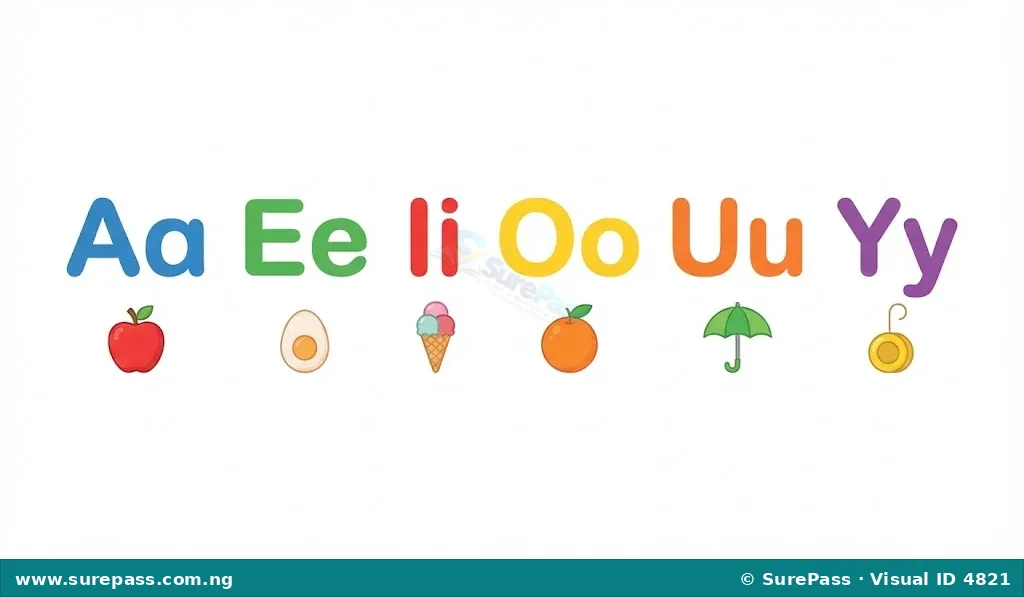
Here are the common sounds of French vowels with examples:
| Voyelle (Vowel) | Prononciation (Pronunciation) | Exemple (Example) |
|---|---|---|
| A | (ah) like in “father” | Ami (friend) |
| E | (uh) like in “the” (unstressed) | Petit (small) |
| I | (ee) like in “see” | Lit (bed) |
| O | (oh) like in “go” | Mot (word) |
| U | (ew) like in “flute” (but with rounded lips) | Rue (street) |
| Y | (ee-grek) sounds like “I” (ee) | Stylo (pen) |
Les Consonnes Françaises (French Consonants)
Consonants are letters that make sounds by blocking or partly blocking the airflow with the tongue, teeth, or lips. There are 20 consonants in the French alphabet.
The French consonants are:
- B
- C
- D
- F
- G
- H
- J
- K
- L
- M
- N
- P
- Q
- R
- S
- T
- V
- W
- X
- Z
Look at the diagram below showing the French consonants.
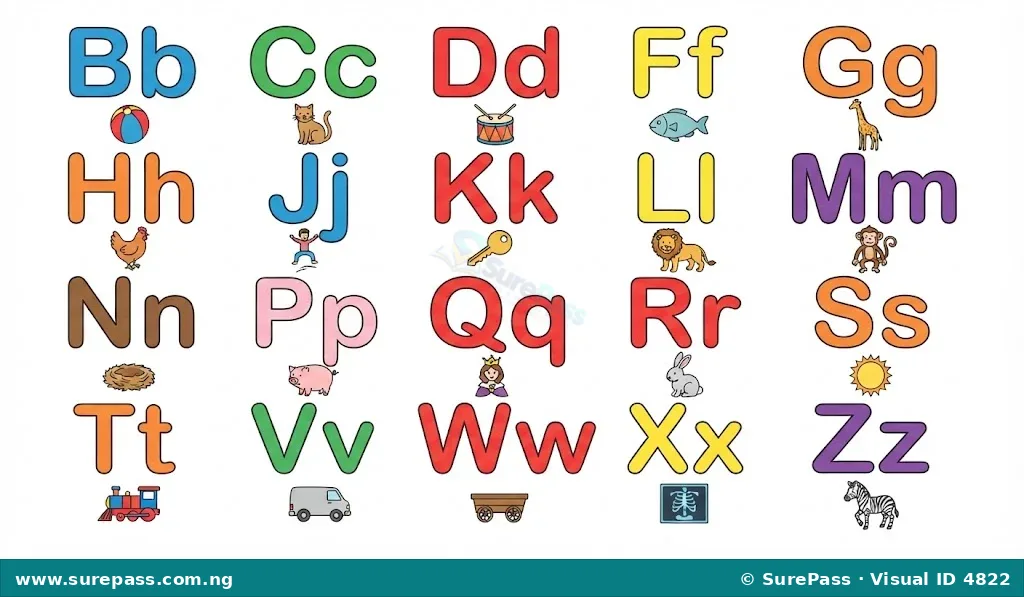
Here are the common sounds of some French consonants with examples:
| Consonne (Consonant) | Prononciation (Pronunciation) | Exemple (Example) |
|---|---|---|
| B | (buh) like in “ball” | Bonjour (hello) |
| C | (kuh) or (suh) depending on the vowel that follows | Cahier (notebook), Façade (facade) |
| D | (duh) like in “dog” | Deux (two) |
| F | (fuh) like in “fan” | Fleur (flower) |
| G | (guh) or (zhuh) depending on the vowel that follows | Gâteau (cake), Girafe (giraffe) |
| H | (ash) – usually silent in French words | Homme (man) – ‘h’ is silent |
| J | (zhuh) like the ‘s’ in “measure” | Jour (day) |
| L | (luh) like in “lion” | Lait (milk) |
| M | (muh) like in “mat” | Maison (house) |
| N | (nuh) like in “nose” | Nuit (night) |
| P | (puh) like in “pen” | Pomme (apple) |
| Q | (kuh) like in “queen” (often followed by ‘u’) | Quatre (four) |
| R | (air) – a soft, slightly rolled sound from the back of the throat | Rose (pink) |
| S | (suh) or (zuh) depending on position | Soleil (sun), Maison (house) |
| T | (tuh) like in “table” | Table (table) |
| V | (vuh) like in “van” | Voiture (car) |
| X | (ks) or (gz) depending on position | Six (six), Examen (exam) |
| Z | (zuh) like in “zebra” | Zéro (zero) |
Pratiquer la Prononciation (Practising Pronunciation)
Regular practice helps in mastering the French alphabet and its sounds. The following activities help learners to improve their listening, speaking, and writing skills in French.
Comment prononcer l’alphabet français (How to Pronounce the French Alphabet)
The procedure involves the following steps:
- Listen carefully to a native French speaker or a recording of the French alphabet.
- Repeat each letter aloud immediately after hearing it.
- Pay attention to the shape of the mouth and the position of the tongue when making the sounds.
- Practise saying the entire alphabet from A to Z several times.
- Try to say the alphabet faster as confidence grows.
Comment prononcer les sons des voyelles (How to Pronounce Vowel Sounds)
The procedure involves the following steps:
- Focus on each French vowel: A, E, I, O, U, Y.
- Listen to the pronunciation of each vowel sound.
- Repeat the vowel sound clearly, ensuring the mouth is open and relaxed for ‘A’, ‘O’, ‘I’.
- For ‘U’, round the lips as if to whistle, then try to say ‘ee’.
- Practise saying simple words that contain these vowel sounds, such as “ami”, “petit”, “lit”, “mot”, “rue”, “stylo”.
Comment prononcer les sons des consonnes (How to Pronounce Consonant Sounds)
The procedure involves the following steps:
- Focus on each French consonant sound.
- Listen to the pronunciation of each consonant sound.
- Repeat the consonant sound, paying attention to how the tongue, teeth, and lips are used.
- Practise saying simple words that contain these consonant sounds, such as “bonjour”, “cahier”, “deux”, “fleur”, “jour”, “lait”, “maison”, “nuit”, “pomme”, “quatre”, “rose”, “soleil”, “table”, “voiture”, “zéro”.
Comment épeler des noms (How to Spell Names)
Spelling names in French helps to reinforce knowledge of the alphabet. The procedure involves the following steps:
- Choose a name, for example, “Adamu”.
- Say the name clearly.
- Then, say each letter of the name in French: “A” (ah), “D” (day), “A” (ah), “M” (emm), “U” (ew).
- Practise spelling other names, such as “Chiamaka”, “Tunde”, “Fatima”, “Emeka”, using the French pronunciation for each letter.
Pratiquer la dictée (Practising Dictation)
Dictation helps to connect the sounds of French letters and words to their written forms. The procedure involves the following steps:
- Ask a friend or an adult to say a simple French letter or a very short, familiar French word slowly.
- Listen carefully to the sound.
- Write down the letter or word heard.
- Check the spelling against the correct answer.
- Start with single letters, then move to simple words like “oui” (yes), “non” (no), “salut” (hi), “merci” (thank you).



0 comments
Open the discussion when you need it. Comments stay collapsed until requested so the initial article remains light.