



ARTICLE CONTENTSOn this page 7 sections
Safety Rules in Mobile Phone Repairs
Performance Objectives
By the end of the lesson, students should be able to:
- state the meaning of mobile phone;
- explain safety rules in handling tools;
- list types of safety precautions in mobile phone repairs;
- describe appropriate personal protective equipment (PPE) for mobile phone repairs.
Meaning of Mobile Phone
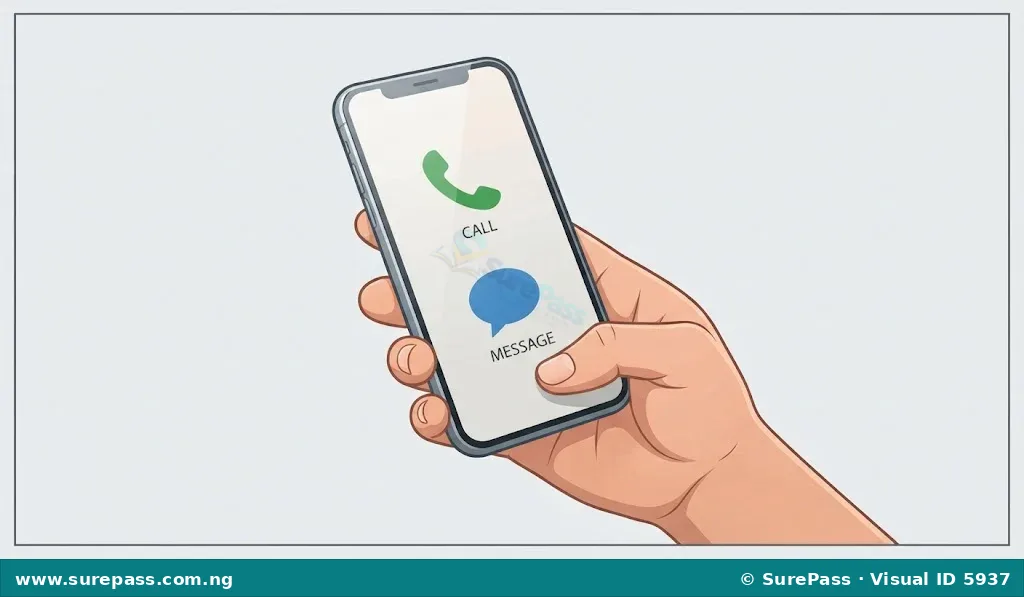
A mobile phone is a portable electronic device used for communication. It allows people to make calls, send messages, and access the internet from almost anywhere.
Mobile phones are also known as cell phones or handsets. They have become an important part of daily life for many people.
Safety Rules in Handling Tools for Mobile Phone Repairs
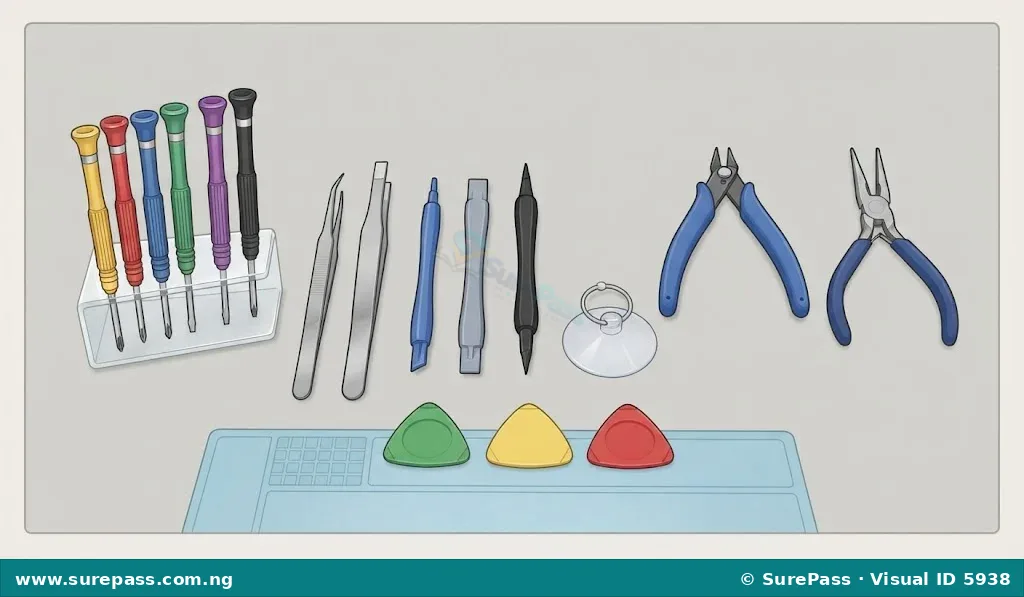
Mobile phone repair involves using various small tools and sometimes electrical equipment. To prevent accidents and injuries, it is important to follow safety rules when handling these tools.
General Tool Handling Rules
Important safety rules for handling tools include:
- Use the Right Tool for the Job: Always select the correct tool for the specific task. Using the wrong tool can damage the phone or cause injury. For example, do not use a knife as a screwdriver.
- Keep Tools Clean and Organised: Ensure all tools are clean and stored properly after use. A cluttered workspace can lead to tools falling or being misplaced, which can cause accidents.
- Inspect Tools Before Use: Check tools for any damage, such as bent tips on screwdrivers or frayed wires on soldering irons. Damaged tools should not be used.
- Handle Sharp Tools Carefully: Tools like tweezers, spudgers, and knives used for opening phones can be sharp. Always point sharp ends away from the body and keep fingers clear of cutting edges.
- Avoid Force: Mobile phone components are delicate. Do not use excessive force when disassembling or assembling a phone. This can break parts or cause the tool to slip and injure the user.
- Disconnect Power: Before starting any repair, ensure the mobile phone is switched off and the battery is disconnected if possible. This prevents electrical shocks or short circuits.
- Work in a Well-Lit Area: Good lighting helps to see small components clearly, reducing the risk of errors and accidents.
- Keep Food and Drinks Away: Liquids can damage electronic components and cause electrical hazards. Food crumbs can also get into the phone.
Types of Safety Precautions in Mobile Phone Repair
Safety precautions in mobile phone repair cover different areas to protect the repairer and the device. These precautions help prevent injuries, damage to the phone, and other hazards.
The main types of safety precautions include:
- Electrical Safety Precautions:
Mobile phones contain batteries and electrical circuits. Precautions are needed to prevent electric shocks or short circuits. This involves disconnecting power, avoiding contact with live circuits, and using insulated tools.
- Fire Safety Precautions:
Batteries can sometimes overheat or catch fire if damaged or handled improperly. Soldering irons also generate heat. Fire safety involves having a fire extinguisher nearby and working in a well-ventilated area. Smoke detectors can also be useful.
- Chemical Safety Precautions:
Some cleaning agents or adhesives used in repairs can be harmful if inhaled or if they come into contact with skin or eyes. Proper ventilation and protective gloves are important for chemical safety.
- Mechanical Safety Precautions:
This involves safe handling of tools and components to prevent cuts, punctures, or crushing injuries. It also includes ensuring the workspace is stable and free from tripping hazards.
- Electrostatic Discharge (ESD) Precautions:
Static electricity from a person’s body can damage sensitive electronic components inside a mobile phone. ESD precautions involve using anti-static equipment to prevent static electricity buildup and discharge.
Appropriate Personal Protective Equipment (PPE) for Mobile Phone Repairs
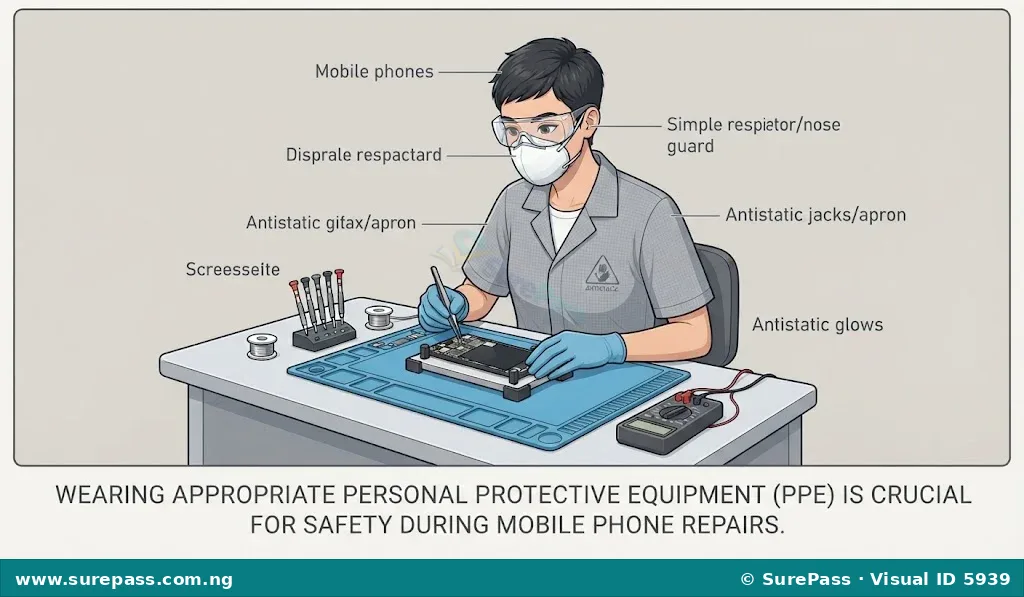
Personal Protective Equipment (PPE) consists of items worn to protect the user from hazards. Using the correct PPE is essential for safety during mobile phone repairs.
Appropriate PPE for mobile phone repairs includes:
- Hand Gloves:
Gloves protect the hands from sharp objects, chemicals, and dirt. They also help to prevent fingerprints and oils from transferring to delicate phone components. Some gloves are also anti-static.
- Antistatic Jacket/Apron:
An antistatic jacket or apron is worn over clothing to prevent static electricity from building up on the body. This protects sensitive electronic components from damage caused by electrostatic discharge (ESD).
- Antistatic Mat:
An antistatic mat is placed on the workbench. It provides a safe, grounded surface to work on, preventing static electricity from damaging the phone’s internal parts. Components should be placed on this mat during repair.
- Safety Goggles:
Safety goggles protect the eyes from small flying debris, dust, or splashes of chemicals that might occur during repair. This is especially important when opening phone casings or cleaning components.
- Respirators/Nose Guard:
Respirators or nose guards are worn to filter out harmful fumes or dust particles. They are important when using soldering irons, certain adhesives, or cleaning solutions that produce vapours.
- Fire Extinguisher:
While not worn, a fire extinguisher is a critical safety item that should be readily available in any repair area. It is used to put out small fires, especially those involving electrical equipment or batteries.
Using Personal Protective Equipment (PPE) for Mobile Phone Repairs
Knowing how to use PPE correctly is as important as having it. Proper usage ensures maximum protection during mobile phone repair tasks.
How to Use Hand Gloves
Hand gloves protect the hands and prevent contamination of phone components.
The procedure involves the following steps:
- Select the correct size of gloves that fit snugly but comfortably.
- Ensure hands are clean and dry before putting on the gloves.
- Carefully slide each hand into a glove, making sure fingers are fully seated.
- Adjust the gloves to cover the wrists completely.
- After use, remove gloves by peeling them off from the wrist, turning them inside out to avoid touching the contaminated outer surface.
- Dispose of used gloves properly or clean reusable ones.
How to Use an Antistatic Jacket/Apron
An antistatic jacket or apron prevents static electricity from damaging sensitive electronic parts.
The procedure involves the following steps:
- Put on the antistatic jacket or apron over regular clothing before starting any repair work.
- Ensure it covers the torso and arms adequately.
- Fasten all buttons or ties to ensure a secure fit.
- Keep the jacket or apron clean and free from dust or debris.
How to Set Up and Use an Antistatic Mat
An antistatic mat provides a safe, grounded surface for working with electronic components.
The procedure involves the following steps:
- Place the antistatic mat on a clean, stable workbench.
- Connect the mat’s grounding cord to a reliable ground point, such as a grounded electrical outlet or a metal pipe.
- Ensure the mat lies flat and covers the main working area.
- Place all mobile phone components and tools that will come into contact with the phone directly on the mat.
- When working, avoid placing items that can generate static electricity (like plastic bags or wool clothing) near the mat.
How to Use Safety Goggles
Safety goggles protect the eyes from physical hazards and chemical splashes.
The procedure involves the following steps:
- Before starting work, pick up the safety goggles.
- Place the goggles over the eyes, ensuring they fit securely and comfortably.
- Adjust the strap or frame so that the goggles cover the entire eye area without leaving gaps.
- Ensure vision is clear and unobstructed.
- Wear the goggles throughout the entire repair process, especially when opening phone casings, cleaning, or soldering.
- Clean the goggles after use and store them in a safe place.
How to Use a Respirator/Nose Guard
A respirator or nose guard filters out harmful fumes and dust.
The procedure involves the following steps:
- Inspect the respirator for any damage or blockages before use.
- Place the respirator over the nose and mouth, ensuring a tight seal around the edges.
- Adjust the straps to hold the respirator firmly in place without causing discomfort.
- Breathe normally to check for air leakage around the edges; adjust if necessary.
- Use the respirator when working with soldering irons, strong cleaning agents, or adhesives that produce fumes.
- Replace filters or the entire respirator according to manufacturer instructions.



0 comments
Open the discussion when you need it. Comments stay collapsed until requested so the initial article remains light.