


ARTICLE CONTENTSOn this page 12 sections
Call to Obedience
Performance Objectives
By the end of the lesson, students should be able to:
- explain the meaning of obedience;
- narrate the story of the call of Abraham;
- state the blessings that followed Abraham’s obedience to God’s call.
Memory Verse
“And in thy seed shall all the nations of the earth be blessed; because thou hast obeyed my voice.” — Genesis 22:18
Bible Reading
The principal Bible passages supporting this lesson are:
- Genesis 12:1–3
- Genesis 21:1–8
- Genesis 22:1–19
- Jonah 1:1–3
- Jonah 2:1–9
- Jonah 3:1–3, 10
Meaning of Obedience
Obedience is the act of doing what one is commanded, advised or expected to do by an authority figure.
In a Christian context, obedience means hearing the word of God and acting according to His commands, laws and instructions. It is a demonstration of love, trust and respect for God’s authority. True obedience is not forced; it comes from a willing heart that desires to please God.
Types of Obedience
Obedience can be classified into different types based on how a person responds to instructions:
- Complete Obedience: This is carrying out an instruction fully, immediately and without complaints or modifications. It is the only form of obedience that pleases God.
- Partial Obedience: This is doing only a portion of what is commanded while ignoring other parts. In the sight of God, partial obedience is still regarded as disobedience because it alters His original instructions.
- Delayed Obedience: This is carrying out an instruction after a period of hesitation, resistance or delay. While the task is eventually done, the delay shows a lack of willingness and trust.
The Story of Jonah: Disobedience and Eventual Obedience
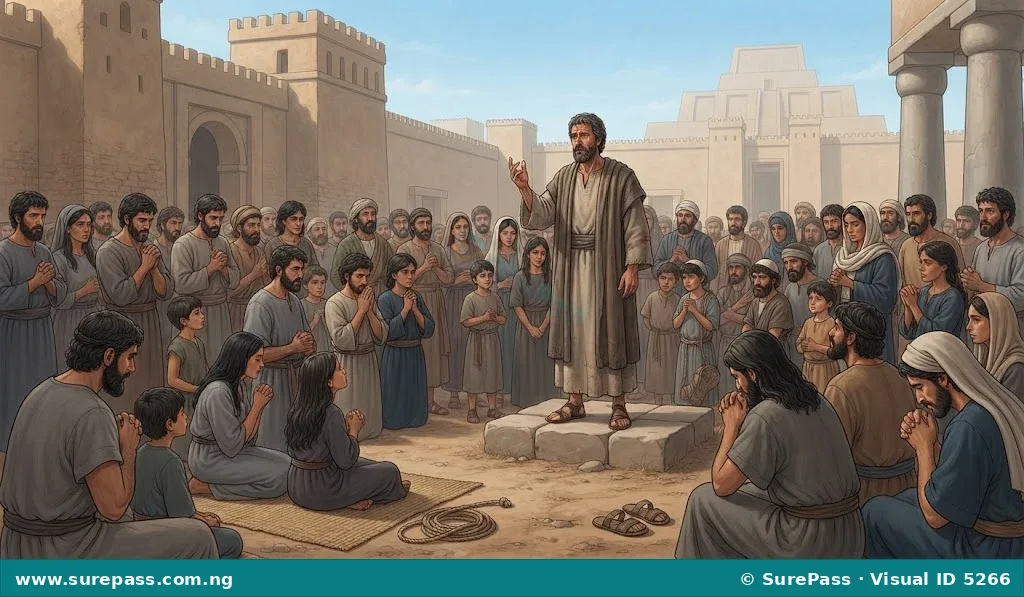
The story of the Prophet Jonah illustrates the consequences of disobedience and the importance of eventually submitting to God’s will.
God called Jonah and commanded him to go to the great city of Nineveh to preach against its wickedness. Instead of obeying, Jonah attempted to flee from the presence of the Lord. He went down to Joppa and boarded a ship heading to Tarshish, going in the opposite direction of God’s call.
In response to Jonah’s disobedience, God sent a great wind into the sea, causing a violent tempest that threatened to break the ship. The mariners became afraid, and after casting lots, they discovered that Jonah was the cause of the trouble. At Jonah’s request, they threw him into the sea, and the sea became calm. God prepared a great fish to swallow Jonah, and he remained in the belly of the fish for three days and three nights.
While inside the belly of the fish, Jonah prayed to God, confessed his helplessness and promised to fulfill his vows. God commanded the fish, and it vomited Jonah onto dry land.
God called Jonah a second time, repeating the command to go to Nineveh. This time, Jonah obeyed and went to Nineveh. He preached God’s message to the people, warning them of destruction. The people of Nineveh believed God, fasted and turned from their evil ways. Seeing their repentance, God showed mercy and did not destroy the city.
The Call of Abraham
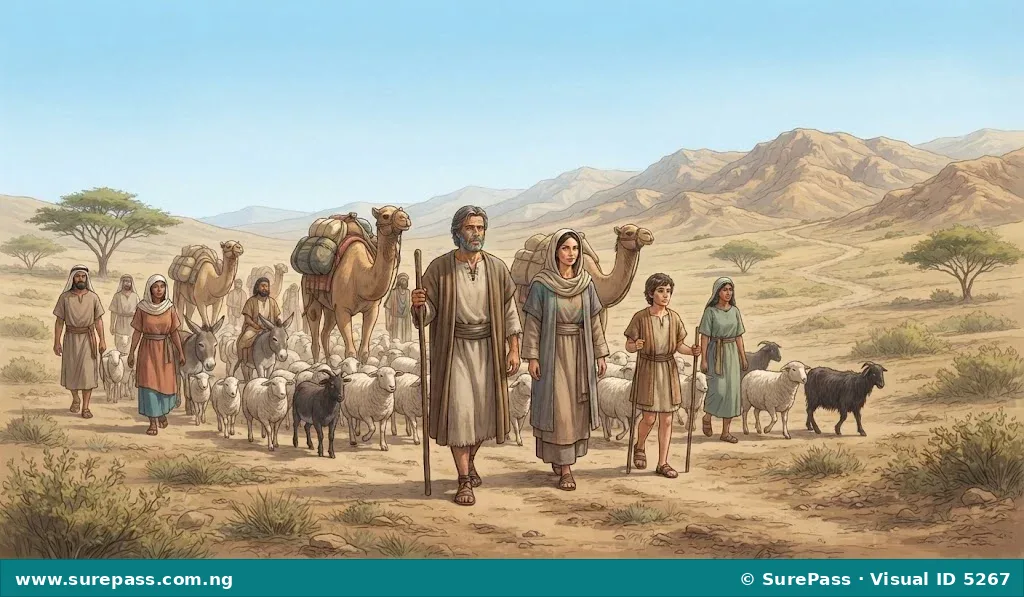
The story of Abraham, who was originally called Abram, is one of the greatest examples of obedience to God’s call in the Bible.
Abram was living in Haran with his family when God called him. God commanded him to leave his country, his relatives and his father’s house, and go to a land that God would show him. This call required absolute faith, as Abram did not know where he was going. At the age of seventy-five, Abram obeyed God, took his wife Sarai, his nephew Lot and all their possessions, and departed for the land of Canaan.
Blessings of Abraham’s Obedience
God made several promises to Abram if he obeyed the call. The blessings promised to Abram include:
- Great Nation: God promised to make Abram’s descendants into a great nation.
- Personal Blessing: God promised to bless Abram personally and make his name great.
- Source of Blessing: Abram was to be a blessing to others.
- Divine Protection: God promised to bless those who blessed Abram and curse those who cursed him.
- Universal Blessing: Through Abram, all the families of the earth would be blessed.
The Birth of Isaac
God fulfilled His promise to Abraham and Sarah by giving them a son in their old age, just as He had spoken. Abraham was one hundred years old when his son Isaac was born.
Abraham demonstrated his continued obedience to God by naming the child Isaac, as God had commanded, and by circumcising him on the eighth day according to the covenant. Sarah rejoiced, declaring that God had brought her laughter, and Abraham held a great feast on the day Isaac was weaned.
The Sacrifice of Isaac
The ultimate test of Abraham’s obedience came when God commanded him to take his only son, Isaac, whom he loved, and offer him as a burnt offering on one of the mountains in the land of Moriah.
Abraham did not argue or hesitate. He rose early in the morning, saddled his donkey, took two of his young men and Isaac, split the wood for the burnt offering, and set out for the place God had told him. On the third day, Abraham saw the place from afar. He left the young men with the donkey and carried the wood, the fire and the knife up the mountain with Isaac.
As they walked, Isaac asked his father where the lamb for the burnt offering was. Abraham replied that God would provide Himself a lamb for the burnt offering. When they reached the place, Abraham built an altar, laid the wood in order, bound Isaac and laid him on the altar upon the wood. Just as Abraham stretched out his hand and took the knife to slay his son, the Angel of the Lord called out to him from heaven, telling him not to lay a hand on the lad or do anything to him, for now God knew that Abraham feared Him, seeing that he had not withheld his only son.
Abraham looked up and saw a ram caught in a thicket by its horns. He took the ram and offered it as a burnt offering instead of his son. Abraham named the place Jehovah-Jireh, which means “The Lord Will Provide.” Because of this supreme act of obedience, God renewed His covenant with Abraham, promising to multiply his descendants like the stars of heaven and the sand on the seashore, and declaring that through his offspring, all nations of the earth would be blessed.

Lessons from the Obedience of Abraham and Jonah
The lives of Abraham and Jonah teach several important lessons about obedience to God:
- Obedience Requires Faith: Abraham obeyed God even when he did not know where he was going or how God’s promises would be fulfilled. True obedience is built on trust in God.
- Disobedience Brings Consequences: Jonah’s attempt to run away from God led to a violent storm and his confinement in the belly of a fish. Disobeying God always leads to trouble and hardship.
- God Desires Complete Obedience: God expects His followers to obey Him fully and without delay. Partial or delayed obedience does not please God.
- Obedience Leads to Blessings: Abraham’s willingness to obey God, even to the point of sacrificing his son Isaac, brought immense blessings to him, his family and the entire world.




0 comments
Open the discussion when you need it. Comments stay collapsed until requested so the initial article remains light.