


ARTICLE CONTENTSOn this page 8 sections
Call to Freedom
Performance Objectives
By the end of the lesson, students should be able to:
- explain the meaning of freedom;
- narrate the story of how Moses freed his people;
- explain the story of how Deborah and Barak led their people to freedom.
Memory Verse
“Do not be afraid. Stand firm and you will see the deliverance the Lord will bring you today. The Egyptians you see today you will never see again.” – Exodus 14:13 (KJV)
Bible Reading
The following Bible passages support this lesson:
- Exodus 3:1-15
- Exodus 5:1-23
- Exodus 7:8-12:30
- Exodus 12:31-33
- Exodus 14
- Exodus 15:1-19
- Judges 4
Meaning of Freedom
Freedom is the state of being able to act, speak, or think as one wants without hindrance or restraint.
It means not being controlled by another person or power, and having the right to make one’s own choices. When people are free, they can live their lives according to their own will, as long as their actions do not harm others. Freedom is a valuable gift that allows individuals and communities to thrive.
Types of Freedom
There are different types of freedom that people desire and experience. These include:
- Freedom from Slavery: This is the state where people are no longer held as property by others. They are free to move, work, and live without being forced or owned.
- Freedom of Movement: This allows people to travel and live wherever they choose, within the laws of their land, without being restricted to a particular place.
- Freedom of Worship: This means people can choose their own religion and worship God in the way they believe is right, without fear of punishment or discrimination.
- Freedom to Make Choices: This involves having the right to decide what to eat, what to wear, where to go to school, or what kind of work to do, without someone else always making these decisions for them.
Moses Leads the Israelites to Freedom
The story of Moses leading the Israelites out of slavery in Egypt is a powerful example of God’s call to freedom. The Israelites, descendants of Jacob, had lived in Egypt for many years and had become slaves to the Pharaoh, who oppressed them with harsh labour.
The Birth and Call of Moses
Pharaoh, fearing the growing number of Israelites, ordered that all male Israelite babies be killed. Moses was born during this time, and his mother hid him in a basket among the reeds of the Nile River. Pharaoh’s daughter found him and raised him as her own son in the palace.
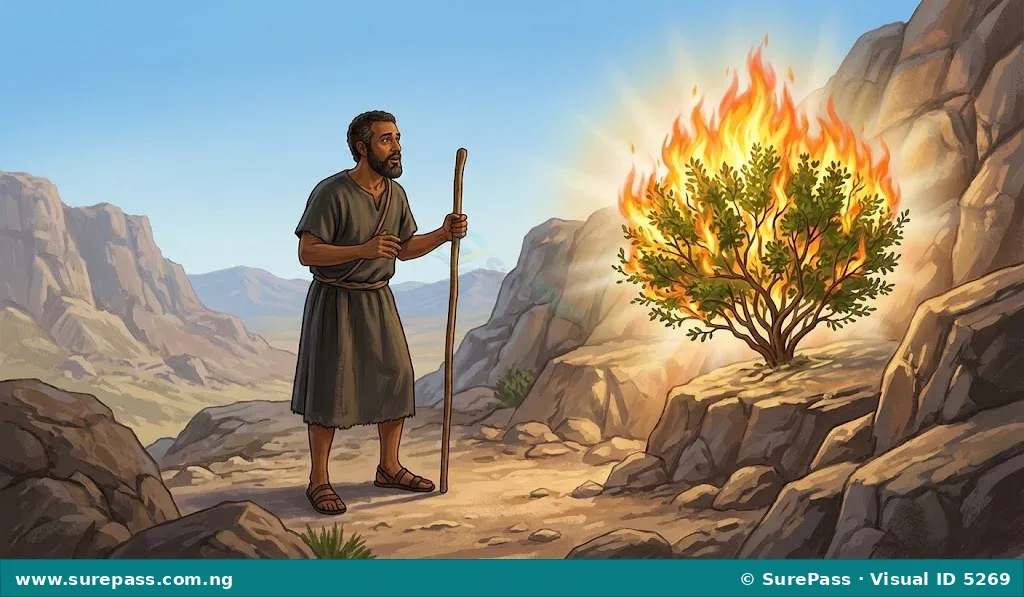
When Moses grew up, he saw an Egyptian beating an Israelite slave and killed the Egyptian. He then fled to Midian, where he lived as a shepherd for many years. One day, while tending his flock on Mount Horeb, Moses saw a bush burning but not being consumed by the fire. God spoke to him from the bush, revealing Himself as the God of Abraham, Isaac, and Jacob.
God told Moses that He had seen the suffering of His people in Egypt and had heard their cry. He called Moses to go to Pharaoh and bring the Israelites out of Egypt into a land flowing with milk and honey. Moses was hesitant, but God promised to be with him and gave him signs to perform to convince both the Israelites and Pharaoh.
Confrontation with Pharaoh and the Plagues
Moses, with his brother Aaron, went to Pharaoh and delivered God’s message: “Let my people go, so that they may worship me.” Pharaoh refused, hardening his heart and increasing the workload of the Israelites. He did not want to lose his free labour.
In response to Pharaoh’s stubbornness, God sent ten plagues upon Egypt. These plagues were severe and affected the Egyptians greatly, but they did not harm the Israelites. The plagues included:
- Water turning to blood
- Frogs
- Lice
- Flies
- Death of livestock
- Boils
- Hail
- Locusts
- Darkness
- Death of the firstborn
After each plague, Pharaoh would promise to let the Israelites go, but then he would change his mind. The final plague, the death of the firstborn, was the most devastating. God instructed the Israelites to mark their doorposts with the blood of a lamb so that the angel of death would pass over their homes. This event is known as the Passover.
After the death of his own firstborn son, Pharaoh finally relented. He called Moses and Aaron in the middle of the night and commanded them to take the Israelites and leave Egypt immediately. The Israelites left Egypt in a hurry, taking their possessions and even some gold and silver from the Egyptians.
The Crossing of the Red Sea
As the Israelites journeyed towards freedom, Pharaoh once again changed his mind. He gathered his army, including chariots and horsemen, and pursued the Israelites, intending to bring them back to slavery. The Israelites found themselves trapped between Pharaoh’s army and the Red Sea.
Fear gripped the people, and they cried out to Moses, blaming him for bringing them to die in the wilderness. Moses, however, encouraged them to trust in God. He told them, “Do not be afraid. Stand firm and you will see the deliverance the Lord will bring you today.”
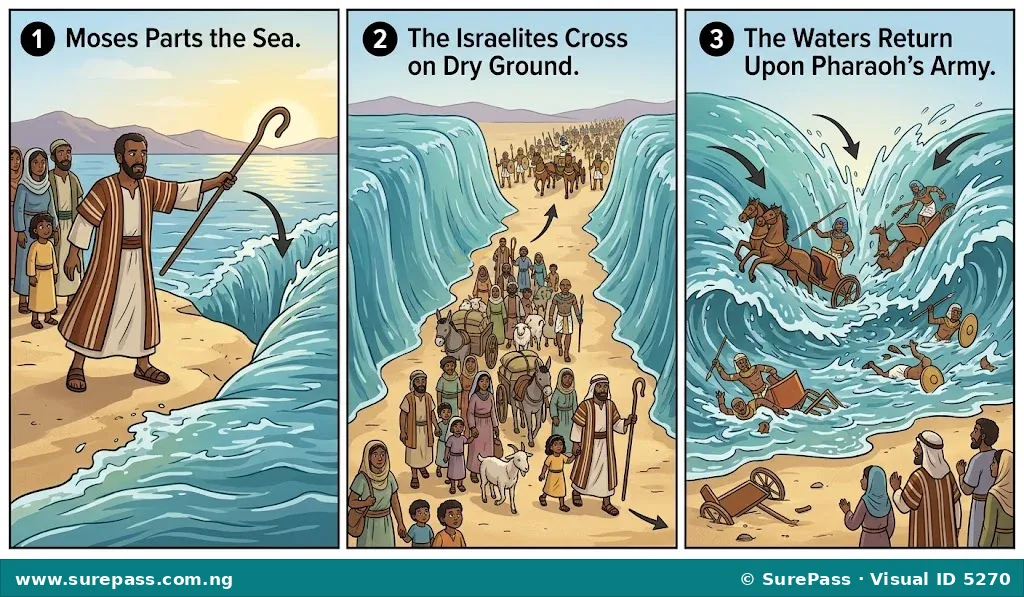
God instructed Moses to stretch out his staff over the sea. Moses obeyed, and a strong east wind blew all night, dividing the waters of the Red Sea. The Israelites walked across on dry ground, with walls of water on both their right and left sides. When all the Israelites had safely crossed, Pharaoh’s army followed them into the seabed.
God then told Moses to stretch out his hand over the sea again. The waters returned to their normal state, engulfing Pharaoh’s chariots, horsemen, and the entire Egyptian army. Not a single Egyptian soldier survived. The Israelites witnessed God’s mighty power and rejoiced in their freedom, singing songs of praise to the Lord.
Deborah and Barak Lead the Israelites to Freedom
Another important story of God’s call to freedom involves Deborah and Barak, as recorded in the Book of Judges. After the death of Joshua, the Israelites often turned away from God, and as a result, they were oppressed by their enemies.
During this time, the Israelites were severely oppressed by Jabin, the Canaanite king of Hazor, whose army was led by Sisera. Sisera had 900 iron chariots and had cruelly oppressed the Israelites for twenty years. The people cried out to the Lord for help.
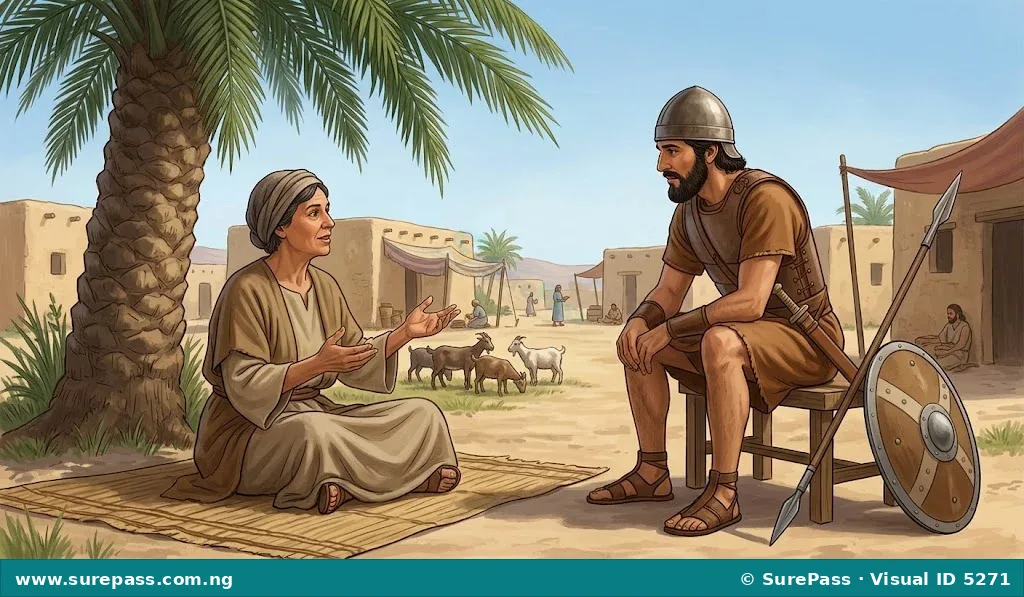
Deborah was a prophetess and a judge in Israel. She would sit under a palm tree, and the Israelites would come to her for judgment. God spoke through Deborah, calling Barak, a military commander, to lead the Israelite army against Sisera.
Deborah told Barak that God commanded him to gather ten thousand men from the tribes of Naphtali and Zebulun and lead them to Mount Tabor. God promised to deliver Sisera and his chariots into Barak’s hands at the Kishon River.
Barak was hesitant and told Deborah that he would only go if she went with him. Deborah agreed to go, but she warned Barak that because of his hesitation, the honour of defeating Sisera would not go to him, but to a woman. They gathered the army and went to Mount Tabor.
The Battle and Sisera’s Defeat
When Sisera heard that Barak had gathered an army, he brought all his 900 iron chariots and his entire army to the Kishon River. Deborah told Barak, “Go! This is the day the Lord has given Sisera into your hands. Has not the Lord gone ahead of you?”
Barak led his ten thousand men down from Mount Tabor. The Lord threw Sisera and all his chariots and army into a panic before Barak. Many of Sisera’s men and chariots were swept away by the swollen river. Sisera himself abandoned his chariot and fled on foot.
Sisera sought refuge in the tent of Jael, the wife of Heber the Kenite, who was at peace with King Jabin. Jael welcomed him, gave him milk to drink, and covered him with a blanket. While he was asleep, Jael took a tent peg and a hammer, and drove the peg through Sisera’s temple, pinning him to the ground. Sisera died.
When Barak arrived, pursuing Sisera, Jael showed him Sisera’s dead body. In this way, God used Deborah and Jael to deliver the Israelites from the oppression of King Jabin and Sisera, bringing freedom to His people.
Benefits of Freedom
The stories of Moses, Deborah, and Barak show the great value and benefits of freedom. When people are set free from oppression, they experience many positive changes in their lives. Some of these benefits include:
- Peace and Security: People can live without constant fear of their oppressors. They can feel safe in their homes and communities.
- Ability to Worship God Freely: Freedom allows people to worship God according to His commands, without being forced to worship other gods or denied their religious practices.
- Opportunity for Growth and Development: Free people can work for their own benefit, build their communities, and develop their talents without their labour being exploited.
- Dignity and Self-Respect: Freedom restores the dignity of individuals who were once treated as property or inferior. It allows them to live with self-respect and honour.
- Justice and Fairness: In a free society, there is a greater chance for justice to be served and for people to be treated fairly under the law.
- Joy and Celebration: The end of oppression brings great joy and celebration, as people are relieved from their burdens and can look forward to a better future.



0 comments
Open the discussion when you need it. Comments stay collapsed until requested so the initial article remains light.