


ARTICLE CONTENTSOn this page 9 sections
Reconciliation
Performance Objectives
By the end of the lesson, students should be able to:
- state the meaning of reconciliation and identify the conditions necessary for reconciliation reconciliations;
- narrate the story of the prodigal son;
- discuss the ways of reconciliation;
- recount the story of Jacob’s reconciliation with Esau.
Memory Verse
If we confess our sins, he is faithful and just to forgive us our sins, and to cleanse us from all unrighteousness. (1 John 1:9 KJV)
Bible Reading
The principal Bible passages supporting this lesson are:
- Genesis 33:1-11
- Luke 15:11-32
- 1 John 1:9
- Proverbs 28:13
Meaning of Reconciliation
Reconciliation is the act of restoring friendly relations between two or more people who were previously in conflict or disagreement.
It means bringing people back together after a quarrel, misunderstanding, or hurt feelings. When people reconcile, they forgive each other, let go of anger, and choose to live in peace again. Reconciliation helps to heal broken relationships and build stronger bonds between individuals, families, and communities.
Ways of Reconciliation
Reconciliation often requires effort from all sides involved. There are several important ways and conditions necessary for reconciliation to happen:
- Confession: The person who caused the hurt or disagreement admits their wrongdoing. This shows humility and a desire to make things right.
- Apology: An apology is expressing regret for actions that caused pain. A sincere apology shows that a person understands the hurt they caused and wishes they had acted differently.
- Forgiveness: The person who was hurt chooses to let go of anger and resentment towards the offender. Forgiveness does not mean forgetting what happened, but it means releasing the desire for revenge and choosing peace.
- Making Amends: Sometimes, reconciliation involves trying to repair any damage caused. This could mean replacing something broken, helping someone, or simply changing behaviour that led to the conflict.
- Communication: Open and honest discussion about the issues that caused the conflict is important. This helps both parties understand each other’s feelings and perspectives.
- Acceptance: Both parties must accept each other and be willing to move forward in peace.
These steps help to rebuild trust and restore broken relationships, whether between individuals, families, or even communities. When these conditions are met, reconciliation can lead to lasting peace and understanding.
Jacob and Esau: A Story of Reconciliation
The story of Jacob and Esau is a powerful example of reconciliation in the Bible, found in Genesis 33:1-11. Jacob had cheated his older brother Esau out of his birthright and blessing many years before. Esau was so angry that he planned to kill Jacob, forcing Jacob to flee for his life.
After twenty years, Jacob decided to return to his homeland. He was very afraid of meeting Esau, knowing his brother might still hold a grudge. Jacob sent messengers ahead with gifts of many animals, hoping to soften Esau’s heart. The messengers returned with news that Esau was coming to meet Jacob with 400 men, which made Jacob even more terrified.
Jacob prayed to God for protection. He then divided his family and flocks into two groups, thinking that if Esau attacked one, the other might escape. When Jacob finally saw Esau approaching, he bowed down to the ground seven times as a sign of respect and humility.
To Jacob’s surprise, Esau ran to meet him, embraced him, fell on his neck, and kissed him. They both wept. Esau had forgiven Jacob. He refused Jacob’s gifts at first, saying he had enough, but Jacob insisted, seeing it as a sign of God’s favour. They spoke together, and Esau offered to travel with Jacob, but Jacob politely declined, saying his children and flocks needed to move slowly. Esau then returned to Seir, and Jacob continued his journey in peace.
This story shows that even after a long time and deep hurt, reconciliation is possible through humility, forgiveness, and God’s grace. It teaches the importance of taking steps to make amends and trusting God for the outcome.
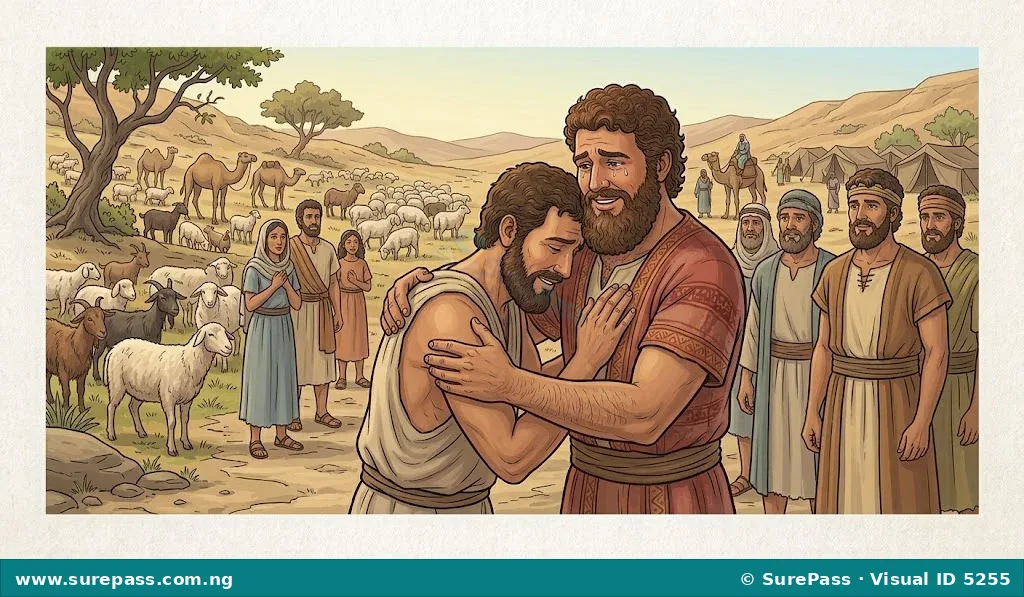
The Prodigal Son: A Story of Forgiveness and Return
The parable of the Prodigal Son, told by Jesus in Luke 15:11-32, illustrates reconciliation between a father and his son, and also serves as a picture of reconciliation with God.
A man had two sons. The younger son asked his father for his share of the inheritance, which was unusual because the father was still alive. The father granted his request. The son then left home, travelled to a distant country, and wasted all his money on wild living.
When a severe famine struck the land, the son found himself in great need. He took a job feeding pigs, and he was so hungry that he longed to eat the food given to the pigs. In his desperation, he realised his mistake and decided to return to his father, confess his sins, and ask to be hired as one of his father’s servants.
As the son was still a long way off, his father saw him. Filled with compassion, the father ran to him, threw his arms around him, and kissed him. The son began to confess his sin, saying, “Father, I have sinned against heaven and against you. I am no longer worthy to be called your son.”
But before he could finish, the father called his servants to bring the best robe, a ring for his finger, and sandals for his feet. He also ordered them to kill the fattened calf and prepare a feast, saying, “For this my son was dead and is alive again; he was lost and is found.” They began to celebrate.
This story teaches about a father’s unconditional love and willingness to forgive. It shows that when a person confesses their wrongdoing and returns with a repentant heart, reconciliation and restoration are possible. It highlights God’s readiness to forgive those who turn to Him.
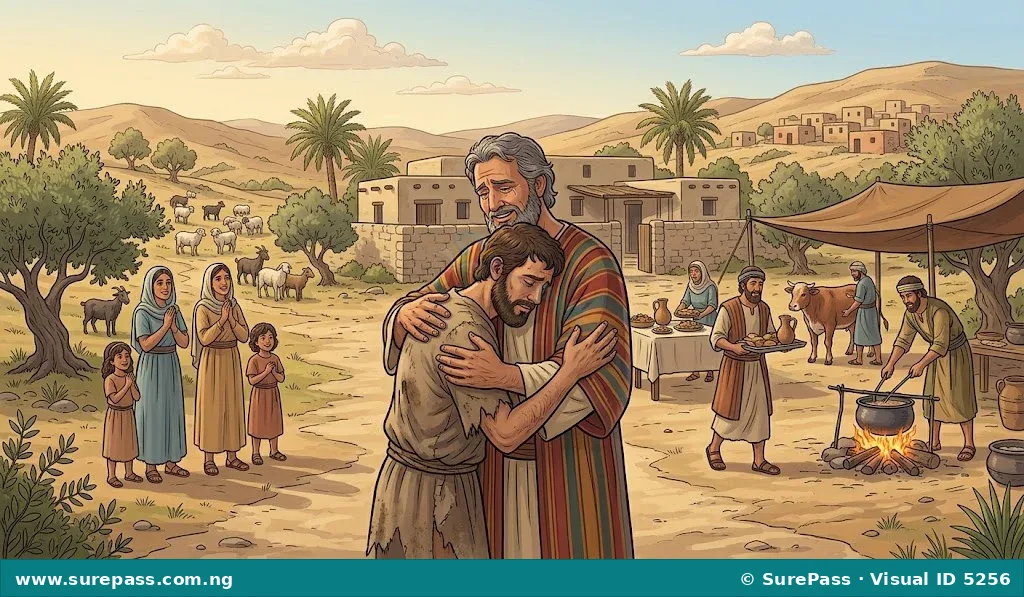
Reconciliation with God
Just as people can be separated from each other by conflict, human beings can also be separated from God because of sin. Sin is anything done, said, or thought that goes against God’s will and commands. This separation breaks our relationship with God.
However, God, in His great love, desires to reconcile with humanity. He wants to restore the broken relationship. The Bible teaches us how this reconciliation happens:
- Confession of Sins: People must admit their sins to God. Proverbs 28:13 says, “He that covereth his sins shall not prosper: but whoso confesseth and forsaketh them shall have mercy.” This means people should not hide their wrongdoings but openly acknowledge them before God.
- Repentance: This means turning away from sinful ways and deciding to follow God’s path. It is a change of heart and mind that leads to a change in behaviour.
- Forgiveness through Jesus Christ: God sent His Son, Jesus Christ, to die on the cross for our sins. Through Jesus’ sacrifice, God offers forgiveness. 1 John 1:9 assures us, “If we confess our sins, he is faithful and just to forgive us our sins, and to cleanse us from all unrighteousness.” When people confess their sins and believe in Jesus, God forgives them and cleanses them from all wrongdoing.
Reconciliation with God brings peace, joy, and a restored relationship with our Creator. It means people are no longer enemies of God but His beloved children, living in His grace and favour.



0 comments
Open the discussion when you need it. Comments stay collapsed until requested so the initial article remains light.